Stepping into the world of cookware, especially when it comes to nonstick pans, can feel like navigating a maze. With countless options touting different materials, brands, and price points, finding a pan that truly delivers on its promise of effortless cooking and easy cleanup can be a challenge. But what if you had a seasoned guide to cut through the clutter? Like a culinary expert with over a decade in kitchenware, I understand the nuances of nonstick technology and the frustrations that can come with choosing the wrong pan. This comprehensive guide, informed by rigorous testing and in-depth analysis from authorities like America’s Test Kitchen, is designed to empower you with the knowledge to select a nonstick pan that will be a reliable partner in your daily culinary adventures. We will explore everything from safety and durability to performance and maintenance, ensuring your next purchase is an informed one.
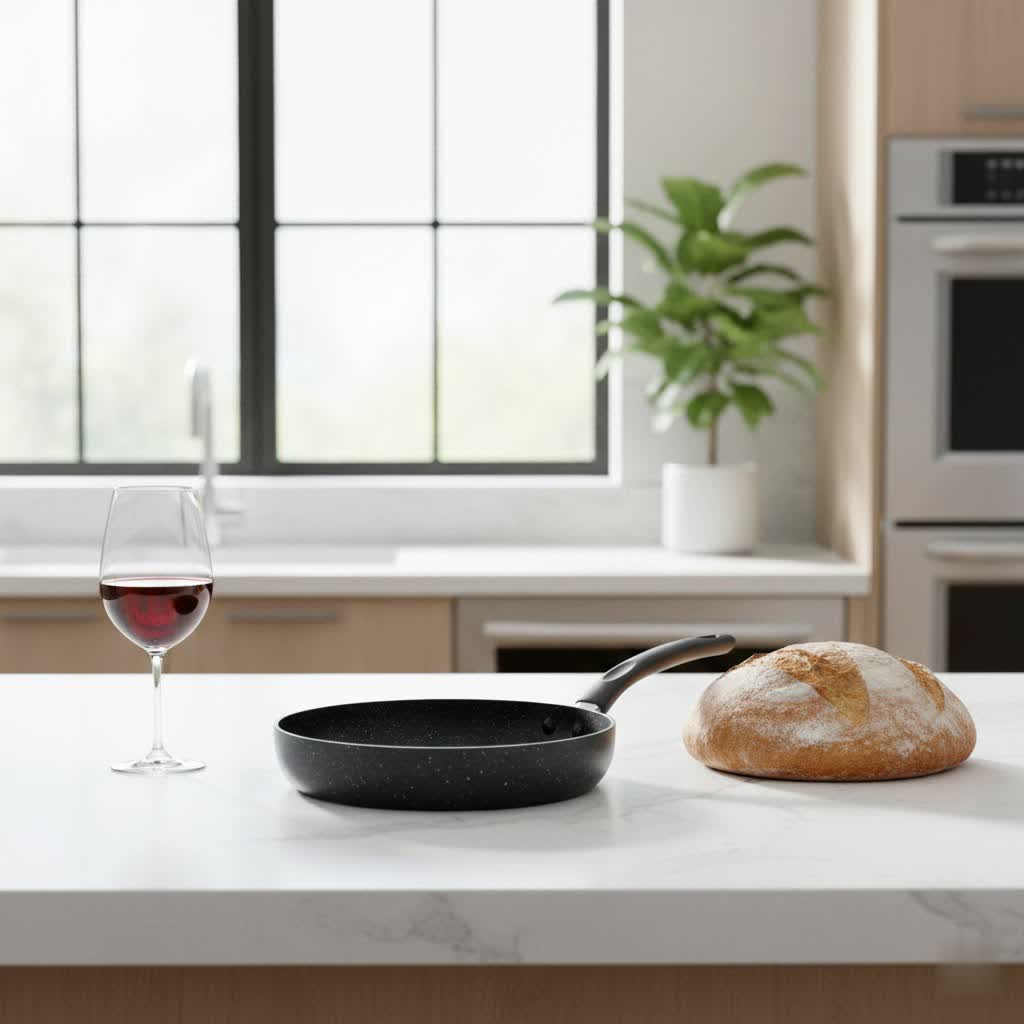
What is a Nonstick Pan?
At its core, a nonstick pan is a culinary tool engineered to prevent food from adhering to its cooking surface. This innovation drastically simplifies tasks like frying eggs, sautéing delicate fish, or making pancakes, where sticking can easily ruin a dish and make cleanup a chore. The magic behind this convenience lies in specialized coatings applied to the pan’s base material. While the concept of a nonstick surface might seem modern, early forms of nonstick cooking date back to ancient civilizations using specially prepared surfaces. However, the most significant leap came in the 20th century with the discovery of polytetrafluoroethylene (PTFE), commonly known by the brand name Teflon, forever changing how we approach everyday cooking. This technology creates a low-friction surface that allows food to glide freely, making for a much more enjoyable cooking and cleaning experience.
Popular Types of Nonstick Pans
The market for nonstick pans is rich with variety, primarily distinguished by the coating materials, underlying construction, and design features. Understanding these differences is key to making an informed choice that suits your cooking style and priorities.
By Material
The type of coating is the most critical factor, dictating a pan’s nonstick performance, durability, and safety considerations.
- Teflon (PTFE):
- Advantages: PTFE-based coatings are renowned for their exceptional nonstick properties, making them incredibly effective for cooking delicate items without added fat. They are also generally more affordable, offering excellent value for their performance.
- Disadvantages: These pans can be prone to scratching if metal utensils are used, compromising the nonstick surface. Historically, concerns arose regarding perfluorooctanoic acid (PFOA), a processing aid used in older PTFE manufacturing; however, PFOA has largely been phased out. The primary health concern with modern PTFE pans is overheating, which can cause the coating to degrade and release fumes. America’s Test Kitchen, a leading authority on cookware, acknowledges the excellent performance of traditional PTFE but emphasizes the importance of using them correctly, primarily by avoiding high heat, to mitigate potential risks.
- Ceramic:
- Advantages: Ceramic nonstick coatings are often marketed as a “greener” and “safer” alternative, typically free from PTFE, PFOA, and other per- and polyfluoroalkyl substances (PFAS). They are generally safe at higher temperatures and are favored by health-conscious cooks. Brands like GreenPan have been recognized by America’s Test Kitchen for their superior ceramic offerings.
- Disadvantages: While improving, ceramic coatings are often considered less durable and not as inherently slick as their PTFE counterparts. They can degrade faster and lose their nonstick properties over time, especially with improper care or if subjected to microscopic surface cracks. They also tend to be a bit pricier.
- Titanium: Titanium is frequently used as a reinforcement layer within PTFE or ceramic coatings to enhance durability and scratch resistance. It is not typically used as a standalone nonstick coating but improves the overall lifespan and resilience of the pan’s surface. Pans with titanium reinforcement are often recommended by America’s Test Kitchen for their improved longevity.
- Granite (Stone-Derived): These pans are typically aluminum or stainless steel with a multi-layer coating that mimics the look and feel of granite. This coating is usually a PTFE or ceramic blend, sometimes reinforced with mineral particles. Their advantages include aesthetic appeal and good heat retention, though consumers should verify the specific coating to understand its safety and durability profile.
- Hard-Anodized Aluminum: This refers to the pan’s base material, where aluminum undergoes an electrochemical process to create a harder, more durable, and corrosion-resistant surface than regular aluminum. Many nonstick pans, whether PTFE or ceramic coated, use a hard-anodized aluminum base for excellent heat distribution and structural integrity.
- Natural Nonstick (Cast Iron & Carbon Steel): While not traditionally coated nonstick, well-seasoned cast iron and carbon steel pans develop a natural nonstick surface over time. They are incredibly durable, can withstand very high heat, and are free from synthetic coatings. However, they require specific seasoning and maintenance and do not offer the “instant” nonstick release of coated pans.
|
Our Picks for the Best Nonstick Pan in 2026
As an Amazon Associate I earn from qualifying purchases.
|
||
| Num | Product | Action |
|---|---|---|
| 1 | Amazon Basics Non Stick Kitchen Cookware 8-Piece Set, Non-Induction, Includes Pots and Pans, Black |

|
| 2 | SENSARTE Nonstick Frying Pan Skillet with Lid, 12 Inch Large Deep Frying Pan, 5 Qt Non Stick Saute Pan with Cover, Induction Pan, Healthy Non Toxic Cooking Pan with Helper Handle, PFOA PFOS Free |
|
| 3 | SENSARTE Nonstick Frying Pan Skillet, Swiss Granite Coating Omelette Pan, Healthy Stone Cookware Chef's Pan, PFOA Free (8/9.5/10/11/12.5 Inch) (9.5 Inch) |
|
| 4 | Amazon Basics Ceramic Nonstick Pots and Pans Cookware Set, Dishwasher & Oven Safe, Even Heating, 10-Piece Set, Copper Color |
|
| 5 | Amazon Basics Non Stick Kitchen Cookware 15-Piece Set, Non-Induction, Includes Pots, Pans, and Utensils, Black |
|
| 6 | Tramontina Professional 10-Inch Non Stick Frying Pan, Heavy-Gauge Aluminum Skillet with Reinforced Nonstick Coating, Red Handle, Dishwasher and Oven Safe |
|
| 7 | T-fal Ultimate Hard Anodized Nonstick Fry Pan Set 2 Piece, 10, 12 Inch, Oven Broiler Safe 400F, Cookware, Pots and Pans Set Non Stick, Kitchen Frying Pans, Cooking Skillets, Dishwasher Safe, Grey |
|
| 8 | Non Stick Frying Pan, 8-inch Omelette Pan with Heat Dot Temperature Indicator, Healthy Non Toxic Egg Skillet with Heat-Resistant Handle, PFOA-Free, Dishwasher Safe, Compatible with All Cooktops |
|
| 9 | CAROTE Nonstick Frying Pan Skillet,Non Stick Granite Fry Pan Egg Pan Omelet Pans, Stone Cookware Chef's Pan, PFOA Free,Induction Compatible(Classic Granite, 8-Inch) |
|
| 10 | SENSARTE Nonstick Ceramic Frying Pan with Lid 8/9.5/10/11/12.5 Inch Omelet Pan Skillet, Free of Intentionally Added PFAS/PTFE Non-toxic Chef's Pan Induction Compatible Pan, Heat Resistant Handle |
|
By Brand
Many reputable brands offer nonstick pans, often specializing in different coating technologies or price points. America’s Test Kitchen conducts extensive testing to identify top performers across categories.
- OXO Good Grips Nonstick Pro: Frequently lauded by America’s Test Kitchen as a top performer for its consistent nonstick release, comfortable handle, and overall value.
- T-fal Ultimate Hard-Anodized: Recognized for its durability and effective nonstick surface, often highlighted as a solid, affordable option.
- GreenPan Valencia Pro: America’s Test Kitchen’s pick for the best ceramic nonstick skillet, praised for its slick surface, durability, and PFAS-free composition.
- Other notable brands include All-Clad, Cuisinart, Tramontina, and Caraway, each offering various features and price points. It’s worth noting that America’s Test Kitchen often focuses on pans under a certain price cap, as they argue that more expensive nonstick pans do not necessarily offer a significantly longer lifespan due to the inherent nature of the coatings wearing down.
By Size
The ideal pan size depends on your cooking habits and household needs.
- Small (6-8 inches): Perfect for single servings, such as frying one or two eggs, making an individual omelet, or toasting nuts.
- Medium (10-12 inches): The most versatile and popular size, suitable for families of 2-4. Great for everyday cooking like sautéing vegetables, frying multiple eggs, or making pancakes. America’s Test Kitchen frequently tests 12-inch pans for their all-around utility.
- Large (12+ inches): Ideal for larger families, batch cooking, or entertaining, accommodating dishes like frittatas, stir-fries, or multiple servings of proteins.
Nonstick Pan Comparison Table
Choosing a nonstick pan often comes down to balancing performance, durability, safety, and cost. This table provides a quick overview of the main types based on coating material.
| Feature | PTFE-Based Nonstick (e.g., Teflon) | Ceramic Nonstick |
|---|---|---|
| Nonstick Performance | Excellent, very slick surface | Good to very good, can degrade over time |
| Durability | Good initially, but prone to scratching; coating can wear down | Can be brittle, prone to microscopic cracks, less durable over time |
| Safety Concerns | Fumes if overheated; historically PFOA (largely eliminated) | Generally PFAS-free; safe at higher temperatures |
| Heat Resistance | Best at medium heat; avoid high heat (above 500°F/260°C) | Generally higher heat tolerance (up to 550°F/288°C) |
| Price | Often more affordable | Generally mid-to-high range |
| Maintenance | Hand wash, soft utensils, avoid thermal shock | Hand wash, soft utensils, careful handling |
How to Choose the Right Nonstick Pan
Selecting the best nonstick pan for your kitchen involves a thoughtful consideration of your individual cooking habits, health priorities, and budget.
Determine Your Usage Needs
Before diving into brands and materials, ask yourself:
- What will you cook most often? If it’s mostly eggs and delicate fish, a pan with superior initial nonstick properties is key. For more robust cooking, consider durability.
- How many people do you cook for? This will guide your size choice, from a small 8-inch pan for one to a 12-inch or larger for a family.
- What’s your budget? While nonstick pans are generally seen as consumable items, investing in a mid-range, reputable brand often yields better performance and longevity than ultra-cheap options. America’s Test Kitchen often advises against overspending, as all nonstick coatings have a finite life.
Choose the Right Material
Your choice of coating material is paramount.
- For maximum slickness and value: A high-quality PTFE-based pan (like the OXO Good Grips or T-fal options recommended by America’s Test Kitchen) is excellent, provided you commit to careful use and avoid overheating.
- For PFAS-free cooking and higher heat tolerance: Ceramic nonstick pans, such as the GreenPan Valencia Pro praised by America’s Test Kitchen, are a strong choice. Be aware they may require more gentle handling and might not maintain their nonstick properties as long as new PTFE.
- Consider the base material as well. Hard-anodized aluminum provides good heat distribution and durability, while pans with a stainless steel base are often induction-compatible.
Inspect Pan Quality
A quick physical check can reveal a lot about a pan’s potential longevity and ease of use.
- Nonstick Surface: Ensure the surface is free of any visible scratches, bubbles, or imperfections.
- Handle: Look for a sturdy, comfortable handle that feels secure and remains cool to the touch. Uncoated stainless steel handles are often preferred for durability and oven-safety.
- Pan Walls & Cooking Surface: America’s Test Kitchen tests often highlight the importance of a broad cooking surface and sidewalls around 2.5 inches high – tall enough to contain food but not so high as to impede easy access with utensils.
- Weight & Balance: A pan that is too light might warp easily, while one that’s too heavy can be cumbersome. Aim for a balanced feel.
Purchase from Reputable Retailers
Buying from well-known kitchenware stores, authorized dealers, or trusted online platforms ensures you receive genuine products and can easily handle returns or warranty claims if needed. Reading reviews from verified purchasers and expert testers, like those from America’s Test Kitchen, can also provide invaluable insights.
Tips for Using and Maintaining Your Nonstick Pan
Proper care is essential to extending the life of your nonstick pan and preserving its nonstick properties. Even the best nonstick pan, as America’s Test Kitchen points out, will eventually wear out, but good habits can delay that day significantly.
Proper Use
- Use the Right Utensils: Always opt for silicone, wooden, or heat-resistant plastic utensils. Metal spatulas and spoons can scratch and damage the nonstick coating, leading to chipping and sticking.
- Mind the Heat: Nonstick pans perform best on medium to low heat. Overheating, especially with PTFE coatings, can degrade the nonstick layer and cause it to release fumes. Avoid preheating an empty nonstick pan on high heat. If you need high heat, consider a cast iron or stainless steel pan instead.
- Avoid Thermal Shock: Never plunge a hot nonstick pan into cold water. This sudden temperature change can cause the pan to warp and damage the nonstick coating. Allow the pan to cool completely before washing.
- Use a Little Oil: While nonstick pans reduce the need for excessive oil, a small amount can still enhance flavor, aid in browning, and further protect the coating.
Proper Cleaning
- Gentle Hand Washing: The best practice for cleaning nonstick pans is gentle hand washing with warm, soapy water and a soft sponge or cloth. Avoid abrasive scrubbers, steel wool, or harsh chemical detergents, which can erode the coating.
- Rinse and Dry Thoroughly: Ensure all soap residue is rinsed away, and then thoroughly dry the pan with a soft towel. Leaving water droplets can lead to mineral buildup or spotting.
- Dishwasher Use (Use Caution): While some nonstick pans are advertised as dishwasher-safe, hand washing is generally recommended to prolong the life of the coating. The harsh detergents and high heat of dishwashers can be detrimental over time.
Proper Storage
- Protect the Surface: When storing nonstick pans, avoid stacking them directly on top of each other, as the bottoms of other pans can scratch the nonstick surface. Use pan protectors, felt pads, or a paper towel between stacked pans.
- Hang if Possible: If you have the space, hanging your pans on a rack is an excellent way to prevent scratches and keep them easily accessible.
- Store Separately: If stacking is unavoidable, ensure each pan is adequately protected to prevent contact with other metal surfaces.
Common Issues and How to Fix Them
Even with the best care, nonstick pans can encounter issues. Knowing common problems and their solutions can help you troubleshoot and decide when it’s time for a replacement.
- Food Sticking: The most common issue is when food starts to stick, indicating that the nonstick coating is deteriorating or damaged.
- Cause: Worn-out coating, scratches, overheating, or inadequate cleaning leaving residue.
- Solution: For worn coatings, the pan generally needs to be replaced. For residue, ensure thorough, gentle cleaning. Re-evaluate cooking temperatures and utensil choices.
- Coating Peeling or Flaking: This is a clear sign of significant damage to the nonstick layer.
- Cause: Aggressive use of metal utensils, abrasive cleaning, extreme temperature changes, or simply the end of the pan’s lifespan.
- Solution: A pan with peeling or flaking coating should be replaced. While the flakes are generally considered inert if ingested, the performance is compromised, and the pan is no longer effective.
- Pan Warping or Uneven Heating: The base of the pan becomes uneven, causing it to wobble on the stovetop and heat inconsistently.
- Cause: Most commonly, rapid temperature changes (thermal shock), especially with thinner pans, or prolonged exposure to very high heat.
- Solution: Once a pan is warped, it’s difficult to reverse. Prevention is key: allow the pan to cool naturally before washing and avoid extremely high heat. If severely warped, it’s best to replace it for consistent cooking results.
“America’s Test Kitchen emphasizes that even premium nonstick pans have a limited lifespan due to the nature of their coatings. They often recommend mid-range options, as expensive pans don’t always offer significantly more durability.” – America’s Test Kitchen Equipment Experts
Conclusion
Choosing the right nonstick pan doesn’t have to be daunting. By understanding the different materials, considering your cooking needs, and following proper care instructions, you can find a pan that simplifies your cooking and stands up to daily use. Whether you prioritize the unmatched slickness of a traditional PTFE pan or the PFAS-free peace of mind offered by ceramic, informed choices lead to greater satisfaction. Remember the insights from America’s Test Kitchen: invest wisely, care diligently, and replace when necessary. A good nonstick pan is an indispensable tool, making everything from a quick breakfast to a delicate dinner a breeze. What will you cook first in your perfectly chosen nonstick companion?
Frequently Asked Questions
How long do nonstick pans typically last?
The lifespan of a nonstick pan varies significantly based on material, usage frequency, and care. While some cheaper pans might only last a year, higher-quality options, especially with proper maintenance, can last 3-5 years. America’s Test Kitchen suggests that even the best nonstick pans are consumable and will eventually need replacement as their coatings degrade.
Are ceramic nonstick pans healthier than Teflon (PTFE) pans?
Ceramic nonstick pans are often marketed as a healthier alternative because they are typically made without PFAS chemicals, including PTFE and PFOA. While modern PTFE pans are generally considered safe for use at appropriate temperatures, ceramic pans offer peace of mind by eliminating these compounds entirely. However, ceramic coatings tend to be less durable and can lose their nonstick properties faster than PTFE.
Can I use metal utensils on any nonstick pan?
It is strongly recommended to avoid using metal utensils on nonstick pans, regardless of the coating material. Metal can scratch, chip, or otherwise damage the nonstick surface, leading to food sticking and shortening the pan’s lifespan. Always opt for silicone, wooden, or heat-resistant plastic utensils to protect your pan.
What is PFOA, and why is it a concern with nonstick pans?
PFOA (perfluorooctanoic acid) was a processing aid used in the manufacturing of some PTFE (Teflon) coatings. It became a concern due to its potential health risks and environmental persistence. However, major manufacturers have largely phased out PFOA from nonstick cookware production, so most modern nonstick pans are PFOA-free.
Can nonstick pans go in the dishwasher?
While some nonstick pans are labeled “dishwasher-safe,” hand washing is generally recommended for all nonstick cookware. The harsh detergents and high heat in dishwashers can accelerate the degradation of the nonstick coating and shorten the pan’s overall lifespan. Gentle hand washing with a soft sponge and mild soap is always the best approach.
