Navigating the vast world of nonstick pans can feel like a daunting task. With countless materials, brands, and price points, finding the perfect pan that balances safety, durability, and performance is a common challenge for home cooks. This comprehensive guide aims to demystify the options, drawing on expert insights to help you make an informed decision and equip your kitchen with a nonstick pan that truly meets your needs for delicious, everyday meals.
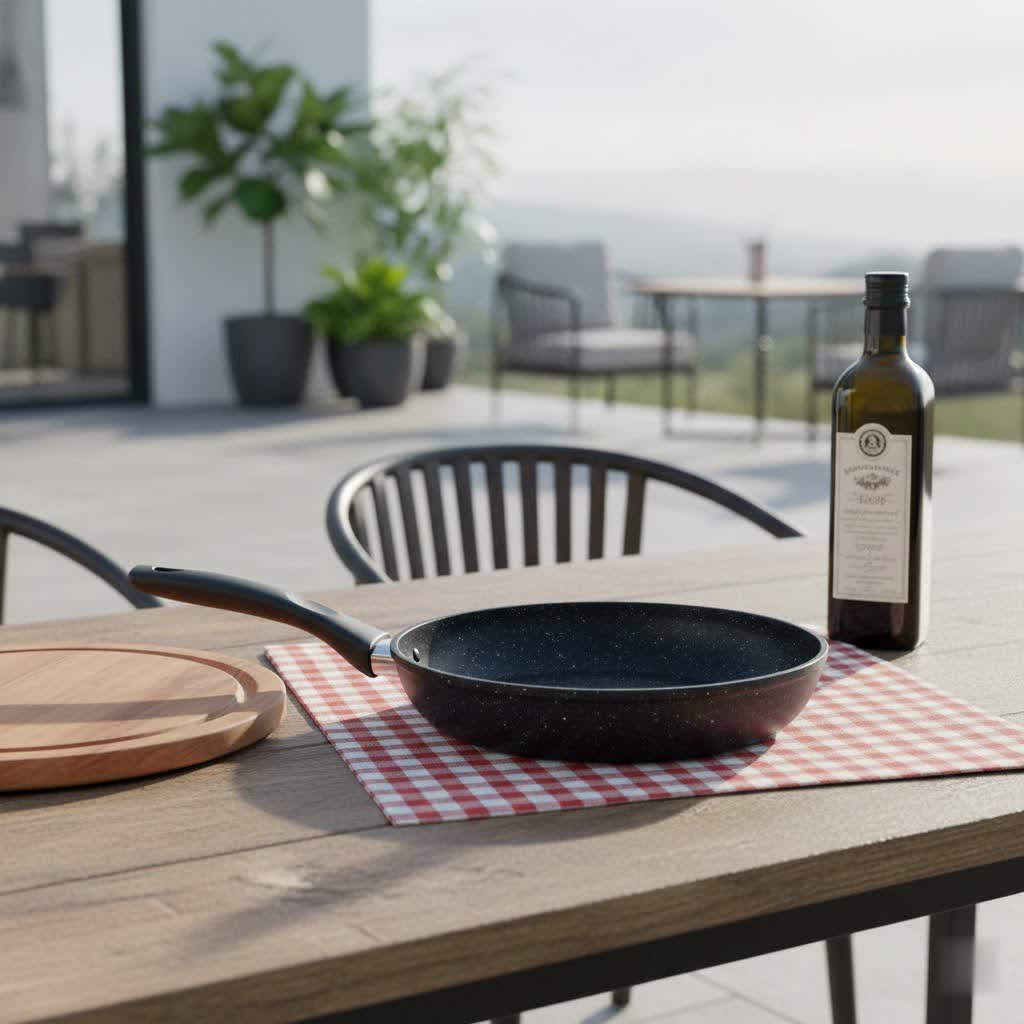
What is a Nonstick Pan?
A nonstick pan is a cooking vessel designed with a low-friction surface that prevents food from adhering to it, making cooking and cleanup significantly easier. These pans typically feature a base material, often aluminum or stainless steel, coated with a specialized substance that creates the nonstick effect. The advent of nonstick technology revolutionized home cooking, moving from traditional metal surfaces that required generous amounts of oil or fat to prevent sticking, to effortless food release. Early nonstick coatings were predominantly based on polytetrafluoroethylene (PTFE), commonly known by the brand name Teflon, which brought unparalleled convenience to the kitchen. Over time, advancements in material science have led to a diversification of nonstick coatings, each with its own set of characteristics regarding durability, heat tolerance, and health considerations, including the shift away from PFOA and PFOS in manufacturing.
Popular Nonstick Pan Types
The variety of nonstick pans on the market today is largely defined by their coating material, construction, brand reputation, and size, each catering to different culinary preferences and needs.
By Material
The core of a nonstick pan’s performance lies in its coating material. Understanding the distinctions helps in choosing the right fit for your cooking style and priorities.
- PTFE (Teflon-based):
- Pros: Renowned for its superior nonstick properties, offering effortless food release with minimal oil. Generally affordable and widely available. Newer formulations are PFOA and PFOS-free, addressing past health concerns associated with these chemicals.
- Cons: Can be prone to scratching and damage from metal utensils, which can compromise the nonstick surface. High temperatures (above 500°F or 260°C) can cause the coating to degrade, potentially releasing fumes. The longevity of PTFE coatings is often a point of discussion, with many viewing them as “wear items” that require replacement every few years.
- Ceramic-Coated:
- Pros: Often marketed as a “green” or “healthy” alternative, these pans are typically free of PFOA, PFOS, and heavy metals. They offer good nonstick performance initially and can withstand higher temperatures than traditional PTFE. Many ceramic pans boast attractive aesthetics.
- Cons: While initially very slick, ceramic coatings can lose their nonstick properties faster than PTFE, especially with improper use or high heat. Durability is a common concern among experts, who note their nonstick capabilities can diminish more rapidly.
- Titanium-Reinforced:
- Pros: By incorporating titanium particles into the nonstick coating, these pans offer enhanced durability and scratch resistance compared to standard PTFE. This reinforcement contributes to a longer lifespan and better resilience against daily wear and tear.
- Cons: Typically more expensive than basic PTFE pans. While improved, they are not impervious to damage and still require careful handling.
- Granite/Stone-Coated:
- Pros: These pans feature a speckled, often robust-looking surface that mimics natural stone. They are usually PFOA and PFOS-free and are praised for their heat retention and even cooking. The aesthetic appeal is a significant draw for many.
- Cons: The “stone” coating is often a variation of ceramic or PTFE with added minerals, so it’s crucial to verify the exact composition. Their durability can vary widely between brands, and some may still experience a reduction in nonstick effectiveness over time.
- Carbon Steel (Seasoned):
- Pros: While not inherently nonstick out of the box like coated pans, well-seasoned carbon steel develops a natural nonstick surface that improves with use. It is exceptionally durable, can handle very high heat, and is considered a lifetime pan.
- Cons: Requires regular seasoning and maintenance to build and maintain its nonstick properties. Not suitable for acidic foods, which can strip the seasoning. It’s a significant departure from the convenience of instant nonstick.
|
Our Picks for the Best Nonstick Pan in 2026
As an Amazon Associate I earn from qualifying purchases.
|
||
| Num | Product | Action |
|---|---|---|
| 1 | Amazon Basics Non Stick Kitchen Cookware 15-Piece Set, Non-Induction, Includes Pots, Pans, and Utensils, Black |

|
| 2 | Amazon Basics Ceramic Nonstick Pots and Pans Cookware Set, Dishwasher & Oven Safe, Even Heating, 10-Piece Set, Copper Color |
|
| 3 | Amazon Basics Non Stick Kitchen Cookware 8-Piece Set, Non-Induction, Includes Pots and Pans, Black |
|
| 4 | CAROTE Nonstick Frying Pan Skillet,Non Stick Granite Fry Pan Egg Pan Omelet Pans, Stone Cookware Chef's Pan, PFOA Free,Induction Compatible(Classic Granite, 8-Inch) |
|
| 5 | SENSARTE Nonstick Frying Pan Skillet, Swiss Granite Coating Omelette Pan, Healthy Stone Cookware Chef's Pan, PFOA Free (8/9.5/10/11/12.5 Inch) (9.5 Inch) |
|
| 6 | SENSARTE Nonstick Frying Pan Skillet with Lid, 12 Inch Large Deep Frying Pan, 5 Qt Non Stick Saute Pan with Cover, Induction Pan, Healthy Non Toxic Cooking Pan with Helper Handle, PFOA PFOS Free |
|
| 7 | T-fal Ultimate Hard Anodized Nonstick Fry Pan Set 2 Piece, 10, 12 Inch, Oven Broiler Safe 400F, Cookware, Pots and Pans Set Non Stick, Kitchen Frying Pans, Cooking Skillets, Dishwasher Safe, Grey |
|
| 8 | Non Stick Frying Pan, 8-inch Omelette Pan with Heat Dot Temperature Indicator, Healthy Non Toxic Egg Skillet with Heat-Resistant Handle, PFOA-Free, Dishwasher Safe, Compatible with All Cooktops |
|
| 9 | Tramontina Professional 10-Inch Non Stick Frying Pan, Heavy-Gauge Aluminum Skillet with Reinforced Nonstick Coating, Red Handle, Dishwasher and Oven Safe |
|
| 10 | SENSARTE Nonstick Ceramic Frying Pan with Lid 8/9.5/10/11/12.5 Inch Omelet Pan Skillet, Free of Intentionally Added PFAS/PTFE Non-toxic Chef's Pan Induction Compatible Pan, Heat Resistant Handle |
|
By Brand
Several brands have earned reputations for producing quality nonstick pans, though their offerings vary in material, price, and specific features. Brands frequently recommended by experts or popular among home cooks include:
- Tramontina: Known for professional-grade quality at a good value. Their Professional Fusion series is often praised for even heating and a rivet-less interior design that simplifies cleaning.
- Made In: Offers high-performance, durable nonstick pans, often featuring a multi-layer coating and robust construction that earns high marks in consumer tests.
- All-Clad: A premium brand celebrated for its exceptional construction and even heat distribution. Their hard-anodized nonstick sets are often considered a significant investment that provides reliable performance.
- Le Creuset: While famous for cast iron, Le Creuset also offers nonstick lines with ergonomic handles and durable finishes, often at a higher price point reflecting their quality craftsmanship.
- Zwilling: Produces heavy-duty nonstick frying pans known for their robust build and consistent performance.
- GreenPan: A leading brand in ceramic nonstick, focusing on PFOA/PFOS-free and environmentally conscious options, favored by many for its non-toxic materials.
- Misen: Offers innovative nonstick solutions, including unique carbon steel nonstick options that combine durability with easy food release.
- Cuisinart: Provides reliable and often more budget-friendly nonstick options, frequently hard-anodized for enhanced durability.
Each brand brings its unique approach to the nonstick pan market, from advanced material science to ergonomic design, catering to a diverse range of cooking demands.
By Size
Selecting the right nonstick pan size is crucial for efficient cooking and storage.
- Small (16-20cm / 6-8 inches): Ideal for single servings, such as frying an egg or two, toasting nuts, or preparing small side dishes. Perfect for individuals or small households.
- Medium (24-28cm / 9.5-11 inches): The most versatile and popular size for everyday cooking. Suitable for meals for 2-4 people, including sautéing vegetables, cooking chicken breasts, or making pancakes.
- Large (30cm+ / 12 inches+): Best for families, entertaining, or preparing larger quantities of food like stir-fries, paella, or multiple servings of eggs. Offers ample surface area for cooking larger batches.
Nonstick Pan Comparison Chart
Choosing the best nonstick pan involves weighing several factors. This table provides a quick overview of common nonstick materials to help you decide.
| Feature | PTFE (Teflon-based) | Ceramic-Coated | Titanium-Reinforced | Granite/Stone-Coated | Carbon Steel (Seasoned) |
|---|---|---|---|---|---|
| Nonstick Performance | Excellent, very slick | Good (initially), can degrade | Very Good, durable slickness | Good, can vary | Excellent (with seasoning) |
| Durability | Moderate, prone to scratches | Moderate, can lose stickiness | High, enhanced scratch resistance | Moderate to High, depends on quality | Very High, lifetime pan |
| Heat Tolerance | Up to 500°F (260°C) | Higher than PTFE | High | High | Very High |
| PFOA/PFOS Free | Yes (modern pans) | Yes | Yes | Usually Yes | Naturally Free |
| Price Range | Low to Mid | Mid | Mid to High | Mid | Mid |
| Pros | Superb nonstick, affordable | PFOA/PFOS-free, aesthetic | Enhanced durability | Good heat retention, aesthetic | Natural nonstick, extremely durable |
| Cons | Can scratch, high-heat concerns | May lose stickiness faster | Pricier | Quality varies, check composition | Requires seasoning, maintenance |
Guide to Choosing Your Ideal Nonstick Pan
Selecting a nonstick pan doesn’t have to be overwhelming. By systematically evaluating your needs and understanding product features, you can confidently choose a pan that will be a valuable asset in your kitchen.
Assess Your Cooking Needs
Before diving into materials and brands, consider how you typically cook.
- What dishes do you prepare most often? If you frequently cook delicate foods like eggs, fish, or pancakes, a highly effective nonstick surface is paramount. For searing or high-heat cooking, you might consider alternatives or pans with superior heat tolerance.
- How many people do you usually cook for? This will dictate the appropriate pan size. A single person might do well with an 8-inch pan, while a family will benefit from a 10-inch or 12-inch option.
- What is your budget? Nonstick pans range widely in price. Determine how much you’re willing to spend, keeping in mind that while expensive pans may offer better durability, even top-tier nonstick coatings have a finite lifespan.
Prioritize Material Features
Based on your needs, decide which material attributes are most important to you.
- Safety: If avoiding specific chemicals is a top priority, opt for pans explicitly labeled PFOA/PFOS-free and consider ceramic or titanium-reinforced options. Be aware that newer “safer” chemicals are still under scientific scrutiny.
- Durability: For a pan that can withstand more rigorous use and last longer, look for titanium-reinforced PTFE or high-quality hard-anodized aluminum bases. If you’re open to the learning curve, a well-maintained carbon steel pan offers exceptional longevity.
- Heat Distribution: Pans with thicker, often aluminum or copper core, bases tend to distribute heat more evenly, preventing hot spots and ensuring consistent cooking.
Evaluate Pan Quality
Once you’ve narrowed down material and size, inspect the pan itself for indicators of quality.
- Nonstick Surface: Check for an even, smooth coating free of visible scratches, bubbles, or imperfections. A quality coating should feel slick.
- Handle: The handle should be securely attached, comfortable to grip, and remain cool during stovetop cooking. Riveted handles are common, but some prefer rivet-less designs for easier cleaning.
- Pan Base: Ensure the bottom of the pan is perfectly flat to sit evenly on your cooktop, especially important for induction hobs and for consistent heat distribution.
- Weight and Balance: A good nonstick pan should feel substantial without being overly heavy, and well-balanced in your hand.
Shop from Reputable Sources
Always purchase nonstick pans from established retailers, whether online or in-store. This ensures you receive authentic products, benefit from warranties, and have recourse if there are issues. Reading reviews from trusted sources can also provide valuable insights into real-world performance and longevity.
Tips for Nonstick Pan Use and Care
Proper care is paramount to extending the life and maintaining the performance of your nonstick pan.
Proper Usage
Adhering to best practices during cooking can significantly delay the degradation of your pan’s nonstick surface.
- Use the Right Utensils: Always opt for wooden, silicone, or plastic utensils. Metal utensils can easily scratch and damage the nonstick coating, leading to chipping and reduced performance.
- Control Heat: Avoid cooking on excessively high heat. Nonstick coatings perform best on medium to medium-high heat. Overheating can cause the coating to break down, release fumes (especially with older PTFE pans), and permanently damage the nonstick properties. For high-heat searing, consider other pan types like cast iron or stainless steel.
- Prevent Thermal Shock: Never plunge a hot nonstick pan into cold water. Extreme temperature changes can cause the pan to warp and the coating to crack. Allow the pan to cool completely before washing.
- Use a Little Fat: While nonstick pans don’t require much oil, a small amount of butter or oil can enhance flavor and further protect the coating, especially for certain foods.
Cleaning Best Practices
Gentle cleaning is key to preserving the integrity of the nonstick surface.
- Hand Wash: Handwashing with a soft sponge or cloth and mild dish soap is generally recommended over dishwasher cleaning. Dishwasher detergents can be abrasive and hasten the deterioration of nonstick coatings.
- Avoid Abrasives: Steer clear of harsh scouring pads, steel wool, or abrasive cleansers, which will scratch and damage the coating.
- Dry Thoroughly: After washing, ensure the pan is completely dry to prevent water spots and potential corrosion, especially on exposed metal parts.
Storage for Longevity
How you store your pans can also impact their lifespan.
- Protect the Surface: If stacking pans, place a soft cloth, paper towel, or pan protector between nonstick pans to prevent scratches from other cookware.
- Hang if Possible: Hanging pans can be an ideal storage solution, preventing any contact that could lead to scratches.
Common Nonstick Pan Issues and Solutions
Even with the best care, nonstick pans can encounter issues. Understanding these common problems can help you address them or know when it’s time for a replacement.
- Food is Sticking: If food begins to stick, it’s often a sign that the nonstick coating is degrading. This can be due to age, overheating, or repeated scratching. Sometimes, a thorough cleaning to remove any residue buildup might temporarily improve performance, but often, it indicates the pan is nearing the end of its useful life.
- Coating Peeling or Flaking: This is a clear indicator that the nonstick coating is compromised. Ingesting small flakes of modern nonstick coatings is generally considered safe, as they are inert and pass through the digestive system. However, a pan with a peeling coating will no longer perform effectively and should be replaced.
- Pan is Warping or Wobbling: Warping, typically seen as a raised center or an uneven base, is usually caused by thermal shock (rapid temperature changes) or manufacturing defects. A warped pan will not heat evenly and is inefficient to cook with, making replacement necessary.
Conclusion
Choosing the best nonstick pan involves a thoughtful consideration of material, safety, durability, and your specific cooking habits. While no nonstick pan lasts forever, opting for high-quality, PFOA/PFOS-free options from reputable brands like Tramontina, Made In, or All-Clad, and committing to proper usage and care, can significantly extend its useful life. Understanding the nuances between PTFE, ceramic, titanium, and carbon steel allows you to select a pan that not only performs admirably but also aligns with your health and environmental preferences. Ultimately, the perfect nonstick pan is one that seamlessly integrates into your daily culinary routine, making cooking a joyful and effortless experience.
What nonstick pan feature is most important to you when making a purchase?
Frequently Asked Questions
Are nonstick pans truly safe for everyday cooking?
Modern nonstick pans are generally considered safe for everyday cooking when used correctly. The harmful chemicals PFOA and PFOS have largely been phased out of manufacturing. However, avoiding extreme high heat is still recommended for all nonstick pans to prevent coating degradation and potential fume release.
How long do nonstick pans typically last?
The lifespan of a nonstick pan varies greatly depending on the material, quality, and usage, but most have a finite life. PTFE-coated pans often last 3-5 years, while ceramic coatings might degrade faster. Durable options like titanium-reinforced or properly maintained carbon steel can last longer.
Can you put nonstick pans in the dishwasher?
While some nonstick pans are labeled “dishwasher safe,” handwashing is almost always recommended. Dishwasher detergents can be abrasive, and the high heat of a dishwasher can degrade nonstick coatings and even damage handles over time, shortening the pan’s lifespan.
What’s the best temperature to cook with a nonstick pan?
Nonstick pans are best used on low to medium heat for most cooking tasks. This prevents overheating, which can damage the coating and potentially release fumes. For delicate foods like eggs and fish, moderate heat is sufficient for optimal nonstick performance.
When should you replace a nonstick pan?
You should replace a nonstick pan when its coating starts to degrade, food begins to stick consistently, or if the coating is visibly scratched, peeling, or flaking. Additionally, if the pan becomes warped and no longer sits flat on the cooktop, it’s time for a replacement.
