The kitchen is the heart of many homes, and at its core, nonstick pans have revolutionized cooking, offering unparalleled convenience for everything from perfectly flipped pancakes to delicate fish fillets. Yet, with a myriad of options from classic Teflon to modern ceramic and titanium-infused surfaces, understanding the differences in nonstick pan coatings is crucial for both culinary success and peace of mind. This guide will delve into the essential aspects of nonstick cookware, helping you make informed decisions based on safety, durability, and performance, ensuring your kitchen remains a hub of delicious, worry-free meals.
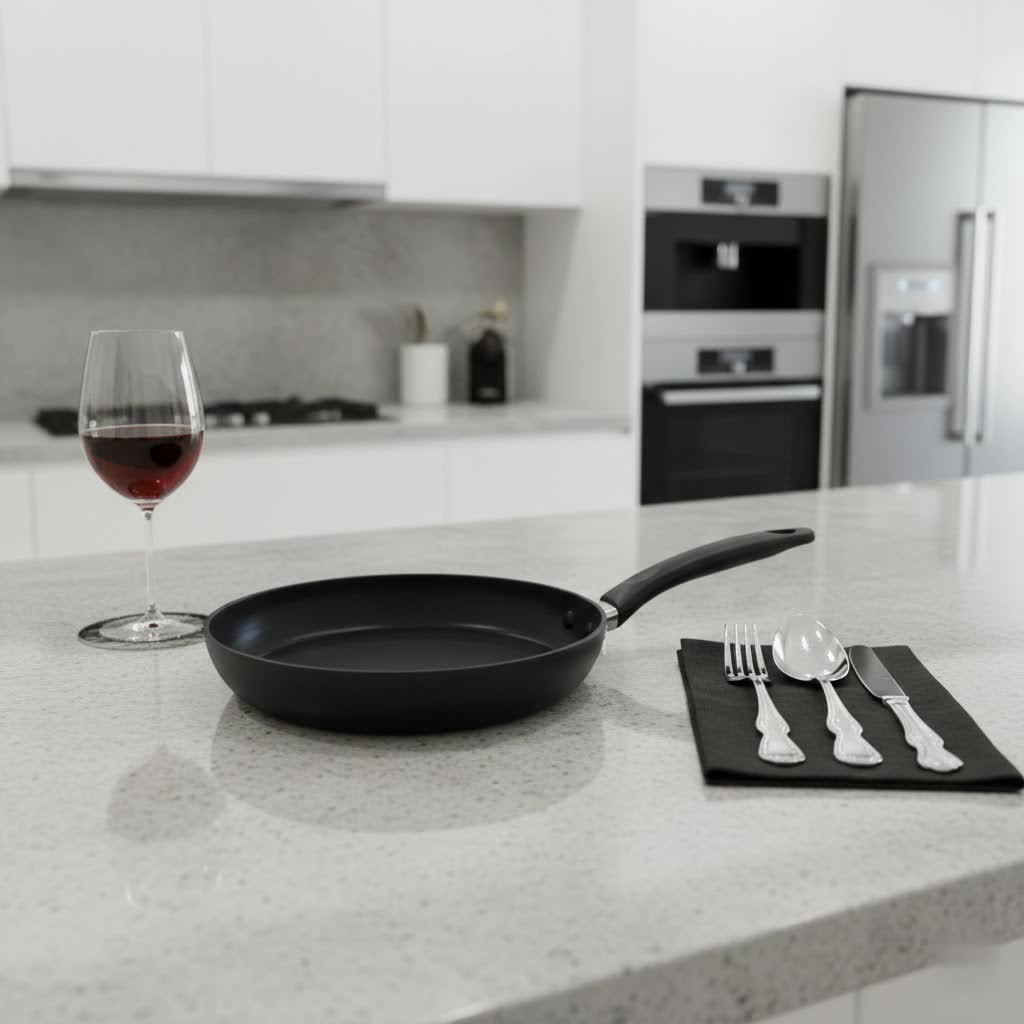
What is Nonstick Cookware Coating?
Nonstick cookware features a special surface engineered to prevent food from adhering, making cooking and cleanup significantly easier. The history of this culinary game-changer began with an accidental discovery. In 1938, Dr. Roy Plunkett at DuPont stumbled upon polytetrafluoroethylene (PTFE), a remarkably slippery substance. This material, later famously known by the brand name Teflon, became the foundation for modern nonstick coatings.
Initially applied in industrial settings, PTFE’s potential for cookware was recognized in the 1950s by French engineer Marc Grégoire, who went on to create the first commercially available nonstick frying pan under the Tefal brand. The introduction of these pans in the 1960s transformed home cooking, offering a simple solution to sticky situations. Over the decades, as concerns about early manufacturing processes like the use of PFOA (perfluorooctanoic acid) emerged, the industry evolved, introducing new coating technologies like ceramic and titanium, along with stricter safety standards. The aim has always been to enhance durability, expand heat resistance, and ensure consumer safety, making nonstick cookware an indispensable tool in kitchens worldwide.
Types of Popular Nonstick Pan Coatings
The nonstick cookware market boasts a diverse range of coatings, each with distinct characteristics regarding composition, performance, and safety. Understanding these differences is key to selecting the ideal pan for your cooking style.
By Material
|
Our Picks for the Best Nonstick Pan in 2026
As an Amazon Associate I earn from qualifying purchases.
|
||
| Num | Product | Action |
|---|---|---|
| 1 | SENSARTE Nonstick Ceramic Frying Pan with Lid 8/9.5/10/11/12.5 Inch Omelet Pan Skillet, Free of Intentionally Added PFAS/PTFE Non-toxic Chef's Pan Induction Compatible Pan, Heat Resistant Handle |

|
| 2 | Tramontina Professional 10-Inch Non Stick Frying Pan, Heavy-Gauge Aluminum Skillet with Reinforced Nonstick Coating, Red Handle, Dishwasher and Oven Safe |
|
| 3 | CAROTE Nonstick Frying Pan Skillet,Non Stick Granite Fry Pan Egg Pan Omelet Pans, Stone Cookware Chef's Pan, PFOA Free,Induction Compatible(Classic Granite, 8-Inch) |
|
| 4 | Amazon Basics Non Stick Kitchen Cookware 8-Piece Set, Non-Induction, Includes Pots and Pans, Black |
|
| 5 | SENSARTE Nonstick Frying Pan Skillet with Lid, 12 Inch Large Deep Frying Pan, 5 Qt Non Stick Saute Pan with Cover, Induction Pan, Healthy Non Toxic Cooking Pan with Helper Handle, PFOA PFOS Free |
|
| 6 | SENSARTE Nonstick Frying Pan Skillet, Swiss Granite Coating Omelette Pan, Healthy Stone Cookware Chef's Pan, PFOA Free (8/9.5/10/11/12.5 Inch) (9.5 Inch) |
|
| 7 | T-fal Ultimate Hard Anodized Nonstick Fry Pan Set 2 Piece, 10, 12 Inch, Oven Broiler Safe 400F, Cookware, Pots and Pans Set Non Stick, Kitchen Frying Pans, Cooking Skillets, Dishwasher Safe, Grey |
|
| 8 | Amazon Basics Ceramic Nonstick Pots and Pans Cookware Set, Dishwasher & Oven Safe, Even Heating, 10-Piece Set, Copper Color |
|
| 9 | Amazon Basics Non Stick Kitchen Cookware 15-Piece Set, Non-Induction, Includes Pots, Pans, and Utensils, Black |
|
| 10 | Non Stick Frying Pan, 8-inch Omelette Pan with Heat Dot Temperature Indicator, Healthy Non Toxic Egg Skillet with Heat-Resistant Handle, PFOA-Free, Dishwasher Safe, Compatible with All Cooktops |
|
Teflon (PTFE)
Polytetrafluoroethylene (PTFE), widely known as Teflon, is a fluoropolymer celebrated for its exceptional nonstick properties. It creates an ultra-smooth, low-friction surface that ensures effortless food release.
- Advantages: PTFE offers the best nonstick performance, making it ideal for delicate foods like eggs and fish. It requires minimal oil, contributing to healthier cooking. Modern PTFE coatings are PFOA-free, addressing past health concerns related to this specific chemical used in older manufacturing processes.
- Disadvantages: PTFE can degrade and release potentially harmful fumes if heated above approximately 500°F (260°C), which can be easily reached if a pan is left empty on high heat. It is also susceptible to scratching from metal utensils, which can compromise its nonstick integrity over time. Its nonstick effect is generally superior initially but can diminish with improper use.
Ceramic (Sol-Gel)
Ceramic coatings are a popular alternative to traditional PTFE, often marketed as “green” or “non-toxic” options. These coatings are typically derived from sand and mineral compounds, applied as a gel solution (sol-gel) and then baked onto the pan’s surface to create a hard, glass-like layer.
- Advantages: Ceramic coatings are generally free from PTFE, PFOA, and other PFAS chemicals, appealing to health-conscious consumers. They can often withstand higher temperatures than PTFE (some up to 842°F or 450°C) without releasing toxic fumes and are resistant to scratches. They also come in a wide array of colors, adding aesthetic appeal to the kitchen.
- Disadvantages: While initially very slick, ceramic coatings tend to lose their nonstick properties more quickly than PTFE, especially with frequent high-heat use. They can also be brittle and prone to chipping or micro-cracking if mishandled or subjected to sudden temperature changes. Durability can vary significantly between brands.
Titanium
Titanium is often incorporated into nonstick coatings to enhance their durability and scratch resistance. It’s typically not a standalone nonstick material but rather an additive or reinforcement.
- Advantages: Titanium-reinforced coatings are notably more durable and scratch-resistant than standard PTFE or ceramic, allowing for occasional use of metal utensils (though non-metal is always recommended). They combine good nonstick performance with increased longevity.
- Disadvantages: The nonstick performance can sometimes be slightly less effective than pure PTFE. The safety profile depends on the base coating (e.g., if it’s titanium-reinforced PTFE, the heat limitations of PTFE still apply). These pans often come with a higher price tag.
Granite / Stone-Derived
Often referred to as “granite” or “stone-derived” coatings, these pans typically feature a ceramic-based nonstick layer infused with mineral particles to mimic the appearance and perceived durability of natural stone.
- Advantages: They share many benefits with ceramic coatings, including being free from PTFE and PFOA. The mineral infusion aims to provide enhanced scratch resistance and durability. They often offer a visually appealing, rugged aesthetic.
- Disadvantages: Like other ceramic-based coatings, their long-term nonstick performance can vary and may degrade faster than PTFE. They require careful handling to prevent chipping, similar to standard ceramic.
By Brand
While specific brand comparisons were restricted, it’s important to note that brands like GreenPan and Caraway are prominent in the ceramic nonstick market, emphasizing PFAS-free options and often featuring innovative designs and sustainability efforts. Traditional brands like Tefal continue to offer advanced PTFE-based coatings with improved durability and safety features (PFOA-free). The overall quality often correlates with the brand’s investment in research, material science, and adherence to safety standards.
By Size
Choosing the right pan size is essential for efficient cooking and optimal performance, ensuring even heat distribution and sufficient space for your ingredients.
- Small Pans (16-20cm/6-8 inches):
- Ideal for: Single servings, frying one or two eggs, toasting nuts, heating small portions of leftovers. Perfect for individuals or small kitchens with limited storage.
- Medium Pans (24-28cm/9.5-11 inches):
- Most Common: This is the most versatile size, suitable for families of 2-4 people.
- Ideal for: Sautéing vegetables, frying chicken breasts, making omelets, cooking a couple of steaks or burgers. A true workhorse for daily cooking.
- Large Pans (30cm+/12 inches+):
- Ideal for: Larger families, cooking for guests, one-pan meals, stir-fries, or when you need ample space to avoid overcrowding, which can lead to steaming instead of searing.
Comparison of Nonstick Pan Coatings
| Feature | PTFE (Teflon) | Ceramic (Sol-Gel) | Titanium (Reinforced) | Granite/Stone-Derived |
|---|---|---|---|---|
| Nonstick | Excellent, very slick | Good initially, can degrade faster | Very good, often comparable to PTFE | Good initially, can degrade faster |
| Durability | Moderate, prone to scratching | Moderate, brittle, prone to chipping | High, very scratch-resistant | Moderate, improved scratch resistance over basic ceramic |
| Heat Resistance | Up to 500°F (260°C), fumes above this | Up to 842°F (450°C), but performance degrades | Varies by binder (PTFE limits apply if PTFE-based) | Similar to ceramic |
| Safety (PFAS) | PFOA-free (modern), but contains PTFE (a PFAS) | Generally PFAS-free, PFOA-free | Depends on base coating (often PTFE-based) | Generally PFAS-free, PFOA-free |
| Price Range | Low to Mid | Mid to High | High | Mid to High |
| Care | Gentle utensils, hand wash, avoid high heat | Gentle utensils, hand wash, avoid thermal shock | Gentle utensils (some tolerate metal), hand wash | Gentle utensils, hand wash, avoid thermal shock |
Expert Insight:
“While advancements in nonstick technology have made cooking more convenient, understanding the specific limitations and care requirements of each coating material is essential to maximize performance and ensure safety in your kitchen.”
Guide to Choosing the Right Nonstick Pan
Selecting the perfect nonstick pan involves more than just picking a color. It requires a thoughtful assessment of your cooking habits, family size, and priorities.
Determine Your Cooking Needs
Consider what you cook most often and for how many people.
- Frequent Delicate Cooking (eggs, fish, pancakes): Pans with excellent nonstick release, like PTFE, will be highly beneficial.
- High-Heat Searing/Stir-Frying: Options with higher heat resistance, such as certain ceramic or seasoned carbon steel, might be more suitable, but traditional nonstick is generally not recommended for very high heat.
- Family Size: Small pans for individuals, medium for 2-4 people, and large for bigger families or batch cooking.
- Budget: Nonstick pans vary significantly in price. Decide how much you’re willing to invest, keeping in mind that even high-quality nonstick coatings have a finite lifespan.
Choose the Right Material
Your choice of coating material should align with your priorities for safety, durability, and performance.
- Prioritizing Health & Safety (PFAS-free): Opt for ceramic, granite/stone-derived (ensure truly PFAS-free), or enameled cast iron. Always check for explicit “PFAS-free” claims, not just “PFOA-free” (as PTFE itself is a PFAS).
- Prioritizing Durability & Scratch Resistance: Titanium-reinforced or high-quality hybrid coatings offer enhanced longevity, but remember that no nonstick coating is entirely indestructible.
- Prioritizing Best Nonstick Release: Modern PFOA-free PTFE coatings still offer the most superior nonstick performance for very delicate foods, provided you adhere to temperature limits.
Inspect Pan Quality
Before purchasing, a quick physical inspection can reveal much about a pan’s potential lifespan and performance.
- Nonstick Surface: Examine the coating for any visible scratches, bubbles, or imperfections. A smooth, even surface is crucial.
- Handle Durability: Ensure the handle is securely attached, comfortable to grip, and made of a heat-resistant material (if oven-safe).
- Pan Base: Check that the bottom of the pan is flat and thick. A flat base ensures even contact with the heat source and prevents wobbling on the stovetop, while a thick base promotes better heat distribution and prevents warping.
Purchase from Reputable Retailers
To ensure authenticity and quality, always buy your nonstick cookware from established stores or trusted online platforms. Reputable brands are more likely to provide accurate information about their coatings, safety certifications (e.g., PFOA/PFAS-free), and warranty. Avoid unusually low-priced, generic pans with vague descriptions.
Tips for Using and Maintaining Nonstick Pans
Proper use and meticulous care are paramount to extending the life and maintaining the performance of your nonstick cookware. Even the most advanced coatings will degrade prematurely without the right approach.
Proper Usage
- Use Low to Medium Heat: Nonstick coatings are generally not designed for very high heat. Excessive temperatures can cause the coating to break down, lose its nonstick properties, and, in the case of PTFE, potentially release fumes. Always cook on low to medium heat settings.
- Avoid Preheating Empty Pans: Never place an empty nonstick pan on high heat. This can quickly cause it to overheat beyond its safe temperature limit, damaging the coating. Always add a small amount of oil or food before heating.
- Use Non-Metal Utensils: Metal spatulas, spoons, and whisks can scratch and chip the delicate nonstick surface. Opt for utensils made from wood, silicone, or heat-resistant plastic to protect the coating.
- Avoid Thermal Shock: Do not plunge a hot nonstick pan into cold water. Sudden temperature changes can cause warping or damage to the coating. Always let the pan cool completely before washing.
- Use Minimal Oil/Fat: While nonstick pans are designed for cooking with less oil, a small amount of cooking oil or butter can further enhance food release and protect the coating, especially with ceramic-based options. Avoid cooking sprays, as they can leave a sticky residue that degrades the nonstick surface over time.
Proper Cleaning
- Hand Wash Gently: While some nonstick pans claim to be dishwasher-safe, hand washing is always recommended to maximize their lifespan. The high heat, harsh detergents, and abrasive action of dishwashers can accelerate coating degradation.
- Soft Sponges and Mild Detergents: Use a soft sponge or cloth and a mild dishwashing liquid. Avoid abrasive scrubbers, steel wool, or harsh chemical cleaners (like oven cleaner), which can scratch or strip the coating.
- Soak for Stuck-on Food: If food is stuck, fill the pan with warm, soapy water and let it soak for 10-15 minutes. This will usually loosen residues, allowing for easy removal with a soft sponge.
- Dry Thoroughly: After washing, dry your nonstick pan completely to prevent water spots and rust on any exposed metal parts.
Proper Storage
- Protect the Coating: When stacking nonstick pans, place a pan protector, paper towel, or soft cloth between them to prevent scratches from other cookware.
- Hang if Possible: If you have space, hanging your pans can be an ideal storage solution, minimizing contact and potential damage.
- Avoid Crowding: Store pans in a way that prevents them from banging against each other, which can lead to chips and scratches.
Common Issues and Solutions for Nonstick Pans
Even with the best care, nonstick pans can encounter issues. Knowing how to address them can prolong their utility or help you recognize when it’s time for a replacement.
- Food Sticking: This is the most common sign of coating degradation.
- Cause: Overheating, scratches, residue buildup from cooking sprays or burnt fats.
- Solution: Ensure you’re cooking on low-to-medium heat. Clean thoroughly with mild soap and a soft sponge, removing any residue. If the coating is visibly scratched or consistently sticky, it’s likely time for a new pan.
- Nonstick Coating Peeling or Flaking: This indicates significant wear or damage.
- Cause: Exposure to high heat, use of metal utensils, thermal shock, or simply age.
- Solution: Stop using the pan immediately. Ingesting flaking coating, while generally considered non-toxic in small amounts, is undesirable. A pan with peeling coating has lost its primary function and should be replaced.
- Pan Warping or Uneven Heating:
- Cause: Sudden temperature changes (thermal shock), manufacturing defects, or prolonged exposure to very high heat.
- Solution: Always allow the pan to cool before washing. Avoid extreme heat. A warped pan will not cook food evenly and should be replaced, as it can be frustrating and lead to inconsistent results.
Conclusion
The journey through the world of nonstick pan coatings reveals a rich landscape of materials, technologies, and culinary possibilities. From the revolutionary slickness of PTFE to the health-conscious innovation of ceramic and the robust durability of titanium-reinforced options, each coating offers unique advantages for the home cook. While the convenience of nonstick cookware is undeniable, understanding the nuances of each material, adhering to proper usage guidelines, and committing to diligent care are paramount.
By choosing pans that align with your cooking needs and maintaining them diligently – using appropriate heat levels, non-metal utensils, and gentle cleaning methods – you can significantly extend their lifespan and ensure a safe, efficient cooking experience. Ultimately, the best nonstick pan coating is the one that fits your lifestyle, offers the performance you need, and gives you confidence in the quality and safety of your kitchen tools. What kind of nonstick pan coating will you choose to elevate your everyday cooking?
Frequently Asked Questions
What is the safest nonstick coating for cookware?
Generally, ceramic and anodized aluminum coatings are considered among the safest because they are typically free from PTFE, PFOA, and other PFAS chemicals. When choosing, look for explicit “PFAS-free” claims and research reputable brands that provide third-party testing information.
Can you use metal utensils on nonstick pans?
It is generally recommended to avoid metal utensils on most nonstick pans, as they can scratch and damage the coating. Instead, opt for wood, silicone, or plastic utensils. Some hybrid nonstick coatings, often reinforced with stainless steel grids or titanium, may claim to be metal-utensil safe, but caution is still advised.
How do you clean nonstick cookware?
Always hand wash nonstick pans with warm, soapy water and a soft sponge or cloth. Avoid abrasive scrubbers, steel wool, or harsh detergents. Let the pan cool completely before washing to prevent thermal shock.
Do nonstick coatings wear out over time?
Yes, all nonstick coatings will eventually wear out and lose their effectiveness over time, regardless of how well they are cared for. The lifespan varies by material and usage, but most nonstick pans will need replacement within a few years. Signs of wear include food sticking and peeling/flaking of the coating.
Are nonstick pans oven safe?
Many nonstick pans are oven safe, but their maximum temperature limits can vary significantly. Always check the manufacturer’s instructions for both the pan and its lid. PTFE coatings typically have lower oven-safe temperatures (around 350-400°F), while some ceramic and enameled pans can withstand higher temperatures.
