Imagine starting a dish with a perfect sear on the stovetop and seamlessly transferring it to the oven to finish baking or roasting, all in one pan. This culinary convenience is a game-changer for many home cooks, offering both versatility and fewer dishes to wash. However, the world of nonstick cookware can be confusing, especially when it comes to oven safety. Not all nonstick pans are created equal, and knowing which ones can withstand oven heat and which cannot is crucial for both safety and the longevity of your cookware. This comprehensive guide will demystify the process, helping you confidently use your nonstick pans for a wider range of delicious recipes.
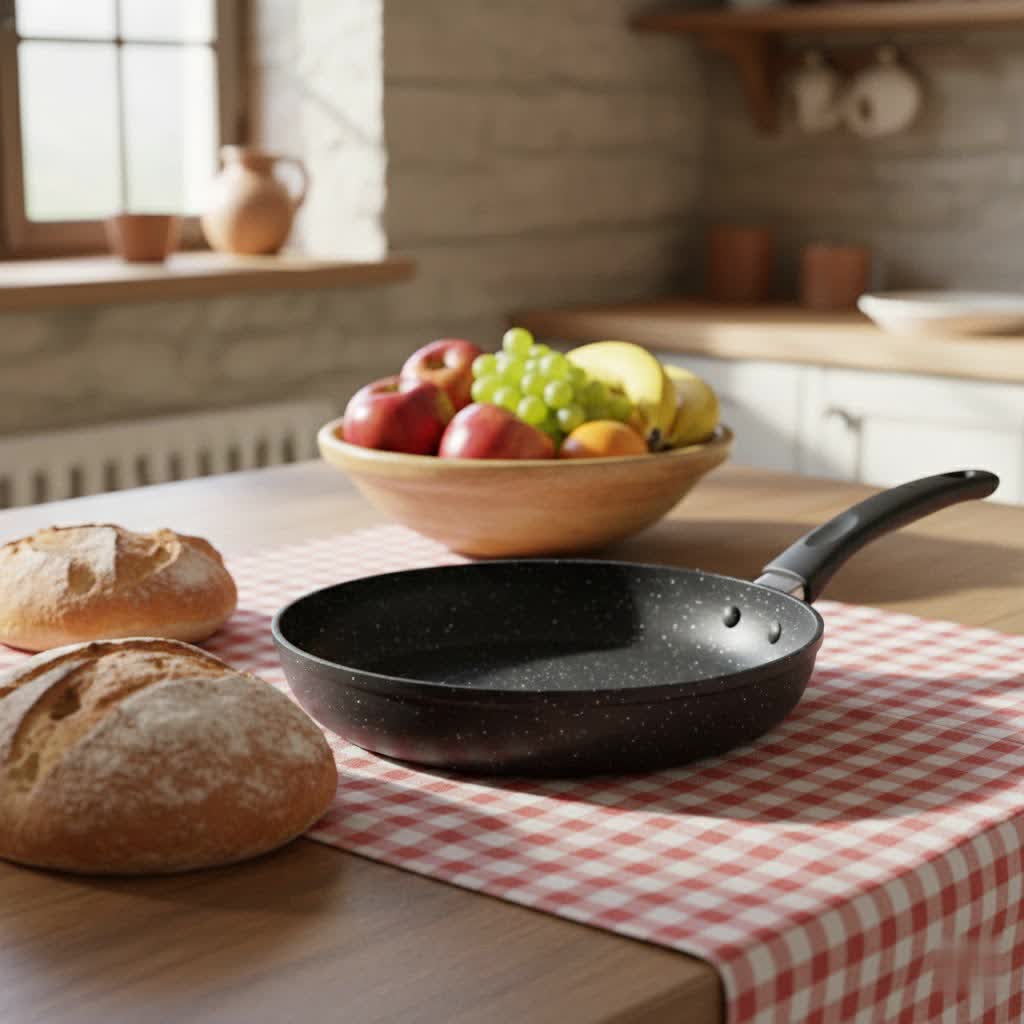
What Makes a Nonstick Pan Oven-Safe?
The ability of a nonstick pan to be used in the oven isn’t universal; it depends entirely on its design, materials, and the manufacturer’s specifications. A pan is only oven-safe if it has been specifically intended and rated for oven use. Therefore, the most critical step in determining your pan’s suitability is always to consult the manufacturer’s guidelines. These instructions will typically detail the maximum oven-safe temperature for the entire pan, including any handles or lids.
Key Components to Check for Oven Safety
To understand if your nonstick pan can transition from stovetop to oven, you need to examine its individual components:
- Pan Body Material: Most nonstick pans feature a base of aluminum, hard-anodized aluminum, or stainless steel. These metals are generally oven-safe at high temperatures, but their overall rating is often limited by the nonstick coating and handle materials.
- Nonstick Coating Type:
- PTFE (Teflon): Pans with PTFE coatings are often oven-safe, typically up to 500°F (260°C). However, it’s vital to check your specific pan, as temperatures exceeding this limit can cause the coating to degrade and potentially release harmful fumes. Newer PTFE pans, especially those manufactured after 2013, are PFOA-free, addressing some health concerns associated with older formulations. Older pans made before 2013 are generally recommended for replacement if oven use is desired.
- Ceramic: Many ceramic nonstick pans are oven-safe, often with similar temperature limits to PTFE. While considered a safer alternative by some, ceramic coatings can also lose their nonstick effectiveness or degrade if exposed to excessively high temperatures.
- Other Coatings: Some nonstick pans advertise titanium or stone-derived coatings. It’s important to note that many “stone-derived” coatings still contain PTFE, so understanding the underlying material is key.
- Handle Material: This is one of the most common limiting factors for oven use.
- Metal Handles (Stainless Steel, Cast Iron): Pans with solid metal handles are typically the most oven-friendly, often able to withstand the same high temperatures as the pan body.
- Silicone Handles: Silicone is heat-resistant but usually has a lower oven-safe temperature limit, often around 400°F (200°C) or slightly higher. Always confirm the specific temperature rating.
- Plastic, Rubber, or Wood Handles: These materials are generally not oven-safe. They will melt, warp, or burn at oven temperatures and should never be placed in a hot oven.
- Lids: If your recipe requires a lid in the oven, ensure it is also oven-safe. Tempered glass lids with metal or oven-safe phenolic knobs are common, but always check their maximum temperature rating separately.
|
Our Picks for the Best Nonstick Pan in 2026
As an Amazon Associate I earn from qualifying purchases.
|
||
| Num | Product | Action |
|---|---|---|
| 1 | CAROTE Nonstick Frying Pan Skillet,Non Stick Granite Fry Pan Egg Pan Omelet Pans, Stone Cookware Chef's Pan, PFOA Free,Induction Compatible(Classic Granite, 8-Inch) |

|
| 2 | Amazon Basics Non Stick Kitchen Cookware 8-Piece Set, Non-Induction, Includes Pots and Pans, Black |
|
| 3 | SENSARTE Nonstick Ceramic Frying Pan with Lid 8/9.5/10/11/12.5 Inch Omelet Pan Skillet, Free of Intentionally Added PFAS/PTFE Non-toxic Chef's Pan Induction Compatible Pan, Heat Resistant Handle |
|
| 4 | SENSARTE Nonstick Frying Pan Skillet, Swiss Granite Coating Omelette Pan, Healthy Stone Cookware Chef's Pan, PFOA Free (8/9.5/10/11/12.5 Inch) (9.5 Inch) |
|
| 5 | Amazon Basics Non Stick Kitchen Cookware 15-Piece Set, Non-Induction, Includes Pots, Pans, and Utensils, Black |
|
| 6 | SENSARTE Nonstick Frying Pan Skillet with Lid, 12 Inch Large Deep Frying Pan, 5 Qt Non Stick Saute Pan with Cover, Induction Pan, Healthy Non Toxic Cooking Pan with Helper Handle, PFOA PFOS Free |
|
| 7 | Tramontina Professional 10-Inch Non Stick Frying Pan, Heavy-Gauge Aluminum Skillet with Reinforced Nonstick Coating, Red Handle, Dishwasher and Oven Safe |
|
| 8 | Non Stick Frying Pan, 8-inch Omelette Pan with Heat Dot Temperature Indicator, Healthy Non Toxic Egg Skillet with Heat-Resistant Handle, PFOA-Free, Dishwasher Safe, Compatible with All Cooktops |
|
| 9 | T-fal Ultimate Hard Anodized Nonstick Fry Pan Set 2 Piece, 10, 12 Inch, Oven Broiler Safe 400F, Cookware, Pots and Pans Set Non Stick, Kitchen Frying Pans, Cooking Skillets, Dishwasher Safe, Grey |
|
| 10 | Amazon Basics Ceramic Nonstick Pots and Pans Cookware Set, Dishwasher & Oven Safe, Even Heating, 10-Piece Set, Copper Color |
|
Understanding Temperature Limits and Safety Concerns
Using a nonstick pan in the oven requires careful attention to temperature. Exceeding recommended limits can not only damage your pan but also pose health risks.
Most oven-safe nonstick pans are rated for temperatures between 350°F (175°C) and 500°F (260°C). The 500°F (260°C) mark is a crucial threshold for PTFE-coated pans. Above this temperature, PTFE can begin to break down and release fumes that, when inhaled, can cause flu-like symptoms, sometimes referred to as “Teflon flu.” While some studies suggest off-gassing might start at slightly lower temperatures, 500°F is widely cited as the point of concern.
One absolute rule to remember: Never use any nonstick pan under the broiler. Broilers generate extremely high, direct heat that can easily exceed the safe temperature limits of nonstick coatings, leading to rapid degradation and potential fume release.
For health-conscious cooks, choosing PFOA-free nonstick pans, particularly those manufactured after 2013, helps mitigate concerns related to harmful chemicals. These newer formulations have eliminated PFOA, a compound previously used in the manufacturing of some nonstick coatings.
How to Determine if Your Nonstick Pan is Oven-Safe
Before placing your nonstick pan in the oven, follow these steps to ensure it’s safe to do so:
- Check Manufacturer’s Instructions: This is paramount. Look for the pan’s manual, product packaging, or the manufacturer’s official website. They will explicitly state if the pan is oven-safe and provide its maximum temperature rating. Many brands also list separate temperature limits for the pan body, handles, and lids.
- Look for Oven-Safe Markings: Some pans have symbols or temperature ratings stamped on the bottom or handle. A common symbol for oven-safe is an oven icon with a temperature. However, these markings can sometimes be vague or wear off, making the manufacturer’s guide the most reliable source.
- Examine Pan Components: Visually inspect the handle and lid materials. If any part is made of plastic, rubber, or wood, the pan is generally not oven-safe, or its oven-safe temperature will be significantly lower than that of the pan body. If you’re unsure about a component’s heat resistance, it’s always best to err on the side of caution and avoid oven use.
Benefits of Using Oven-Safe Nonstick Pans
Integrating oven-safe nonstick pans into your cooking repertoire unlocks new levels of culinary flexibility:
- Seamless Stove-to-Oven Cooking: This is the primary advantage. You can sear meats or vegetables on the stovetop to develop a flavorful crust, then transfer them directly to the oven to cook through evenly without drying out. This technique is perfect for dishes like frittatas, reverse-seared steaks, chicken thighs, or roasted vegetables that benefit from both direct heat and radiant oven heat.
- Versatility for Various Recipes: Oven-safe nonstick pans are excellent for finishing dishes that might stick in other bakeware, such as baked pasta, skillet cookies, or certain casseroles.
- Convenience and Fewer Dishes: By using one pan for multiple cooking stages, you reduce the number of pots and pans used, simplifying cleanup.
Tips for Safely Using Your Nonstick Pan in the Oven
To get the most out of your oven-safe nonstick pan while ensuring its longevity and your safety, keep these tips in mind:
- Adhere to Maximum Temperature: Always respect the manufacturer’s stated maximum oven-safe temperature. Going above it can damage the coating and potentially release fumes.
- Avoid the Broiler: As mentioned, never place a nonstick pan under the broiler, as the intense direct heat is too extreme for the nonstick coating.
- Prevent Thermal Shock: Avoid exposing a hot nonstick pan to sudden temperature changes, such as running cold water over a hot pan or moving it from a hot oven directly to a cold countertop. This can cause the pan to warp or damage the nonstick coating.
- Use Oven Mitts: Always use appropriate oven mitts or heat-resistant gloves when handling a hot pan from the oven, especially if the handles are metal and will retain heat.
- Clean Before Oven Use: Ensure your pan is clean before putting it in the oven to prevent baked-on food residue from burning or affecting the nonstick surface.
Common Mistakes to Avoid
Understanding what to avoid is just as important as knowing what to do. Steer clear of these common pitfalls:
- Ignoring Temperature Limits: This is the most critical mistake, leading to pan damage and potential health risks.
- Using Pans with Non-Oven-Safe Handles/Lids: Melted plastic or burnt wood can create a mess, release unpleasant odors, and damage your oven.
- Broiling: The intense heat from the broiler is detrimental to nonstick coatings.
- Sudden Temperature Changes: Drastic shifts in temperature can warp the pan or cause the nonstick coating to crack and peel.
> “Always remember, the maximum oven temperature limit for your nonstick pan applies to all its components – not just the cooking surface. Handles and lids often have lower tolerances, so check every part of your pan.”
Conclusion
The ability to use a nonstick pan in the oven significantly expands your culinary possibilities, making stove-to-oven cooking a convenient and effective technique for various dishes. While not all nonstick pans are created for this purpose, a careful check of manufacturer guidelines and an understanding of material limitations will ensure safe and effective use. By paying attention to temperature ratings, handle materials, and proper care, you can confidently integrate your oven-safe nonstick pans into your kitchen routine, unlocking a world of delicious, seamless cooking experiences.
Are you ready to elevate your cooking by embracing the versatility of an oven-safe nonstick pan?
Frequently Asked Questions
Can I use any nonstick pan in the oven?
No, not all nonstick pans are oven-safe. Whether a pan can go in the oven depends on its construction, including the nonstick coating type, the base material, and especially the handle and lid materials. Always consult the manufacturer’s instructions for your specific pan to confirm its oven-safe rating and temperature limits.
What is the maximum temperature for nonstick pans in the oven?
Most oven-safe nonstick pans are rated for temperatures between 350°F (175°C) and 500°F (260°C). Exceeding 500°F (260°C) for PTFE-coated pans can risk the release of harmful fumes and damage the coating. It’s crucial to check your pan’s specific temperature limit, as some may be lower, particularly those with silicone or certain plastic handles.
What happens if I put a nonstick pan in the oven that isn’t oven-safe?
If a non-oven-safe nonstick pan is put in the oven, the nonstick coating can degrade, potentially releasing toxic fumes and losing its nonstick properties. Plastic, rubber, or wooden handles will melt, burn, or warp, rendering the pan unusable and potentially creating a hazardous situation or damaging your oven.
Are ceramic nonstick pans oven-safe?
Many ceramic nonstick pans are indeed oven-safe, but like other nonstick types, they come with specific temperature limitations. Overheating ceramic coatings can cause them to lose their nonstick properties over time. Always verify the maximum oven-safe temperature for your particular ceramic pan through the manufacturer’s guidelines.
