There’s a familiar frustration in many kitchens: the once-magical nonstick pan that eventually betrays its name, turning perfectly cooked eggs into a stubborn, sticky mess. While no nonstick pan lasts forever, the good news is that not all nonstick pans are created equal. With the right knowledge about materials, construction, and proper care, you can significantly extend the life of this indispensable kitchen tool. This comprehensive guide will help you navigate the diverse market to identify and maintain a nonstick pan that truly stands the test of time, ensuring perfectly released meals for years to come.
What Defines a Long-Lasting Nonstick Pan?
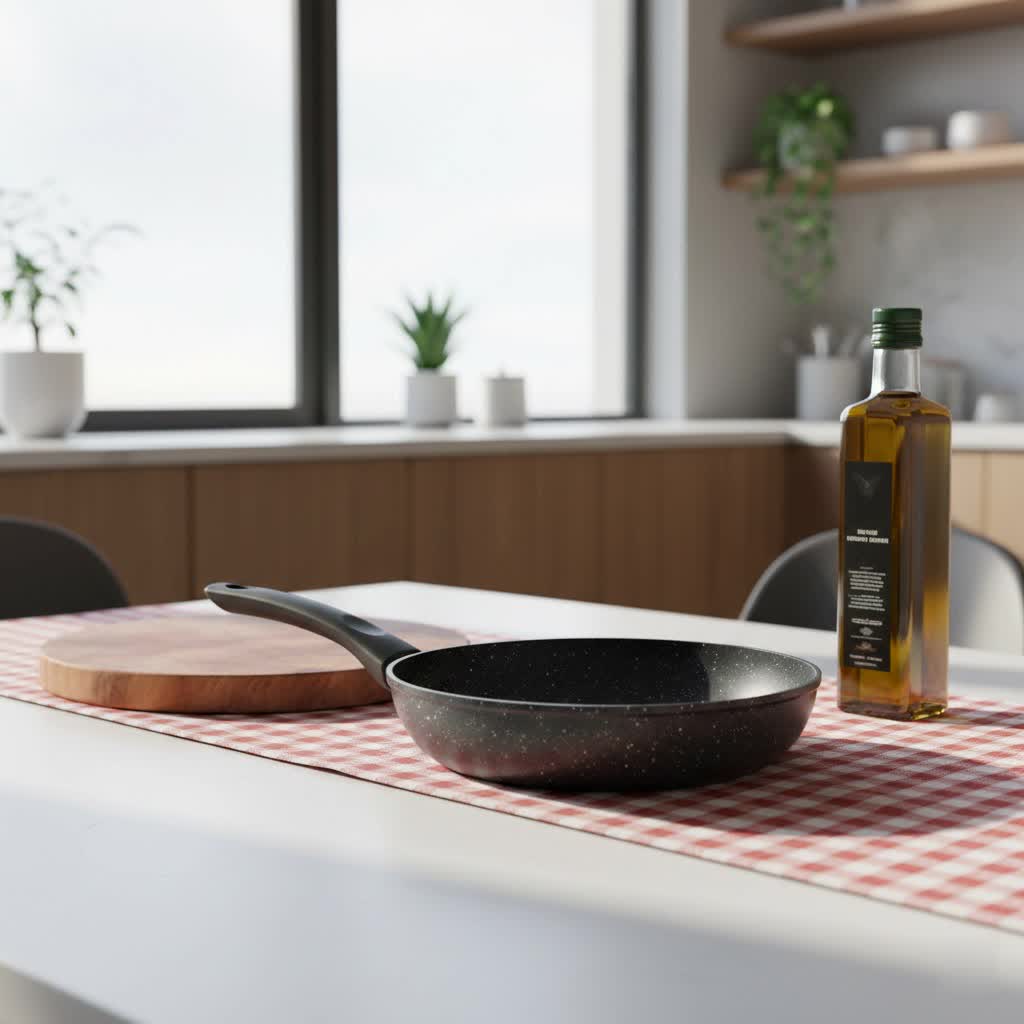
Beyond the initial “slide-and-serve” convenience, a truly long-lasting nonstick pan exhibits consistent performance over an extended period. It means the nonstick coating resists degradation, scratches, and chips even with regular use. The pan’s base maintains its structural integrity, avoiding warping or hot spots that can compromise cooking quality. Ultimately, a durable nonstick pan should perform reliably for several years, not just a few months, becoming a trusted workhorse in your culinary arsenal.
Understanding Nonstick Pan Materials and Their Durability
The core of a nonstick pan’s longevity lies in its materials and construction. Different types offer varying degrees of durability and heat resistance.
PTFE (Teflon-based)
Polytetrafluoroethylene (PTFE) is perhaps the most recognized nonstick coating. Modern PTFE pans are free of PFOA and PFOS, addressing past health concerns, and are generally safe for everyday cooking at appropriate temperatures.
- Pros: Exceptional nonstick properties, food slides off with minimal effort, widely available and often affordable.
- Cons: Can be prone to scratching, especially with metal utensils. High heat (typically above 500°F or 260°C) can cause the coating to degrade and potentially release fumes. Their typical lifespan is around 2-3 years.
- Durability Boosts: Many manufacturers reinforce PTFE coatings with multiple layers or materials like titanium or diamond particles to enhance scratch resistance and extend life.
|
Our Picks for the Best Nonstick Pan in 2026
As an Amazon Associate I earn from qualifying purchases.
|
||
| Num | Product | Action |
|---|---|---|
| 1 | SENSARTE Nonstick Ceramic Frying Pan with Lid 8/9.5/10/11/12.5 Inch Omelet Pan Skillet, Free of Intentionally Added PFAS/PTFE Non-toxic Chef's Pan Induction Compatible Pan, Heat Resistant Handle |

|
| 2 | Tramontina Professional 10-Inch Non Stick Frying Pan, Heavy-Gauge Aluminum Skillet with Reinforced Nonstick Coating, Red Handle, Dishwasher and Oven Safe |
|
| 3 | T-fal Ultimate Hard Anodized Nonstick Fry Pan Set 2 Piece, 10, 12 Inch, Oven Broiler Safe 400F, Cookware, Pots and Pans Set Non Stick, Kitchen Frying Pans, Cooking Skillets, Dishwasher Safe, Grey |
|
| 4 | Non Stick Frying Pan, 8-inch Omelette Pan with Heat Dot Temperature Indicator, Healthy Non Toxic Egg Skillet with Heat-Resistant Handle, PFOA-Free, Dishwasher Safe, Compatible with All Cooktops |
|
| 5 | SENSARTE Nonstick Frying Pan Skillet with Lid, 12 Inch Large Deep Frying Pan, 5 Qt Non Stick Saute Pan with Cover, Induction Pan, Healthy Non Toxic Cooking Pan with Helper Handle, PFOA PFOS Free |
|
| 6 | Amazon Basics Non Stick Kitchen Cookware 15-Piece Set, Non-Induction, Includes Pots, Pans, and Utensils, Black |
|
| 7 | Amazon Basics Ceramic Nonstick Pots and Pans Cookware Set, Dishwasher & Oven Safe, Even Heating, 10-Piece Set, Copper Color |
|
| 8 | Amazon Basics Non Stick Kitchen Cookware 8-Piece Set, Non-Induction, Includes Pots and Pans, Black |
|
| 9 | SENSARTE Nonstick Frying Pan Skillet, Swiss Granite Coating Omelette Pan, Healthy Stone Cookware Chef's Pan, PFOA Free (8/9.5/10/11/12.5 Inch) (9.5 Inch) |
|
| 10 | CAROTE Nonstick Frying Pan Skillet,Non Stick Granite Fry Pan Egg Pan Omelet Pans, Stone Cookware Chef's Pan, PFOA Free,Induction Compatible(Classic Granite, 8-Inch) |
|
Ceramic Nonstick
Ceramic nonstick coatings are mineral-based, typically derived from sand. They are favored for being free of PTFE, PFOA, and other potentially harmful chemicals, often marketing themselves as “nontoxic” or “eco-friendly.”
- Pros: Excellent heat tolerance, can often withstand higher temperatures than traditional PTFE coatings without degrading or releasing fumes. Considered a safer alternative by many.
- Cons: Can be less slippery than PTFE, requiring a bit more oil. The coating, if not high quality, can be more brittle and prone to chipping or scratching, affecting its longevity. Higher-quality ceramic pans feature advanced formulations for better durability.
Hard-Anodized Aluminum
This refers to the base material of the pan, not the nonstick coating itself, but it significantly impacts overall durability. Hard-anodization is an electrochemical process that strengthens aluminum, making it much harder and more scratch-resistant than regular aluminum.
- Pros: Provides an exceptionally durable, non-reactive, and evenly heating base for nonstick coatings. This robust foundation helps prevent warping and contributes to the longevity of the entire pan structure.
- Common Usage: Hard-anodized aluminum is frequently used as the core for both PTFE and ceramic nonstick pans, enhancing their overall resilience. Brands like All-Clad HA1 and Calphalon Signature utilize this durable base.
Titanium and Granite Reinforced Coatings
These are enhancements added to PTFE or ceramic coatings to boost their performance and lifespan.
- Titanium Reinforcement: Infusing nonstick coatings with titanium particles creates a harder, more scratch-resistant surface. This significantly improves durability, allowing the coating to withstand more rigorous use.
- Granite Reinforcement: Often marketed as “stone-derived,” granite-reinforced coatings typically feature multiple layers with mineral particles. These coatings are designed for superior toughness and scratch resistance, with some brands claiming exceptional durability and even metal utensil safety. The Zwilling Madura Plus, for example, boasts a 3-layer granite nonstick coating.
Hybrid Nonstick (e.g., HexClad)
Hybrid pans combine the best of both worlds: a textured stainless steel cooking surface with recessed nonstick valleys.
- Pros: Extremely durable due to the raised stainless steel pattern, which protects the nonstick coating. These pans are often metal-utensil safe and can achieve a better sear than traditional nonstick, while still offering excellent release.
- Cons: Typically come with a higher price tag.
Coating-Free Nonstick (Nitrided Carbon Steel)
A newer innovation in the durable nonstick category, nitrided carbon steel pans offer a nonstick experience without any applied chemical coatings.
- Pros: Incredibly durable, corrosion-resistant, and metal utensil safe. The nitriding process creates a naturally nonstick surface that improves with seasoning over time. It offers the longevity of cast iron but is lighter and more responsive to heat. The Misen Carbon Nonstick™ is a prime example of this technology.
- Cons: May require initial seasoning and some ongoing maintenance similar to traditional carbon steel, though less intensive due to the nitrided surface.
Top Picks: Nonstick Pans Renowned for Their Durability
When seeking a nonstick pan that truly lasts, certain brands and specific lines consistently receive high marks for their robust construction and enduring performance.
- Made In Cookware ProCoat/CeramiClad: Known for their multi-ply construction (often 5 layers of metal) and professional-grade nonstick surfaces, these pans offer excellent heat distribution and durability. Their Ceramiclad line provides a durable, chemical-free ceramic option.
- GreenPan Valencia Pro / GP5 Infinite8: GreenPan is a pioneer in ceramic nonstick, and these lines represent their most durable offerings. They are designed for high heat tolerance, feature a thick base for even cooking, and are made with safe, nontoxic ceramic coatings.
- All-Clad HA1 Hard Anodized: Featuring a heavy-gauge, hard-anodized aluminum construction, these pans provide an incredibly strong and warp-resistant base for their durable nonstick coating. They are often praised for their even heating and comfortable, sturdy handles.
- Zwilling Madura Plus: This pan stands out with its 3-layer granite nonstick coating, specifically engineered for exceptional scratch resistance and durability. It’s designed to withstand more rigorous use, including occasional metal utensil contact.
- Misen Carbon Nonstick™: A unique contender, this pan uses nitrided carbon steel to create a naturally nonstick, coating-free surface. It offers extreme durability, becoming more nonstick with use and proper seasoning, making it a “forever pan” without the need for traditional coatings.
- Le Creuset Toughened Nonstick Pro: These pans feature heavy-gauge, hard-anodized aluminum with a triple-reinforced, scratch-resistant nonstick coating. Le Creuset’s reputation for quality extends to this durable nonstick line, offering reliable performance.
- Calphalon Signature: Calphalon, credited with inventing hard-anodized aluminum cookware, continues to produce premium-quality nonstick sets. Their Signature line features durable hard-anodized aluminum bases with robust nonstick coatings designed for longevity and easy cleaning.
How to Choose the Longest Lasting Nonstick Pan
Selecting a nonstick pan with staying power requires more than just picking a popular brand. Consider these factors to make an informed decision:
Identify Your Cooking Needs
- Frequency of Use: If you cook daily, invest in a higher-quality pan designed for heavy use.
- Types of Food: Delicate foods like eggs and fish benefit most from nonstick. If you frequently sear meats at high temperatures, consider a pan with higher heat tolerance or a hybrid option.
- Stovetop Compatibility: Ensure the pan is compatible with your specific stovetop, especially if you have an induction cooktop.
Prioritize Material and Construction
- Multi-Ply Construction: Pans with multiple layers of metal (e.g., 3-ply, 5-ply) tend to heat more evenly and are more resistant to warping.
- Reinforced Coatings: Look for coatings explicitly advertised as titanium-reinforced, granite-reinforced, or featuring multiple durable layers.
- Hard-Anodized Base: This provides a strong, warp-resistant foundation for any nonstick coating.
- Coating-Free Options: For ultimate longevity, consider nitrided carbon steel, which offers a naturally durable, evolving nonstick surface.
Check Handle and Weight
- Sturdy, Heat-Resistant Handles: Handles should be securely attached and comfortable to grip, preferably staying cool on the stovetop and oven-safe for versatility.
- Balanced Weight: A pan that feels substantial but not overly heavy often indicates good construction. It should be easy to lift and maneuver.
Read Reviews and Brand Reputation
- Beyond initial impressions, delve into long-term user reviews. Pay attention to comments regarding how the pan performs after months or years of use, specifically noting any issues with coating degradation, sticking, or warping.
- Reputable brands known for quality cookware often offer better warranties and customer support.
Budget Considerations
While higher-priced pans often correlate with better quality and longevity, excellent value options exist. Consider your budget as an investment in a tool that will serve you well for a prolonged period, ultimately saving you money compared to frequently replacing cheaper pans.
Comparison Table: Durable Nonstick Pan Materials
| Feature | PTFE (Reinforced) | Ceramic (High-Quality) | Hard-Anodized Aluminum (Base) | Hybrid (HexClad) | Nitrided Carbon Steel (Misen) |
|---|---|---|---|---|---|
| Coating Type | Fluoropolymer | Mineral-based (silica) | Base for coating | Stainless steel + PTFE | Coating-free (surface treatment) |
| Durability | Good (with multiple layers) | Good (if high-quality formulation) | Excellent (foundation for coating) | Excellent (stainless steel protection) | Exceptional (metal integrity) |
| Scratch Resist. | Moderate to Good | Moderate to Good | Excellent | Very High | Very High |
| Heat Tolerance | Moderate (avoid >500°F) | Good (typically higher) | High | High (up to 500°F+) | Very High |
| Metal Utensil | Generally NO (unless specified) | Generally NO (unless specified) | Varies by coating | YES | YES |
| Typical Lifespan | 2-5 years | 2-4 years | Extends life of coatings | 5+ years | Potentially lifetime |
| Safety Concerns | Fumes if overheated | Minimal | Minimal | Minimal | Minimal |
Essential Tips for Maximizing Your Nonstick Pan’s Lifespan
Even the most durable nonstick pan won’t last without proper care. Adhering to these guidelines can significantly extend its useful life.
Proper Use
- Use Low to Medium Heat: High heat is the enemy of nonstick coatings, causing them to break down faster. Nonstick pans are designed to perform efficiently at lower temperatures.
- Always Use Oil or Butter: A thin layer of cooking fat not only enhances the nonstick properties but also protects the coating from direct, intense heat. Avoid overheating an empty pan.
- Avoid Metal Utensils: Opt for wood, silicone, or nylon utensils. Even if a pan claims to be metal-utensil safe, softer materials will always be gentler on the coating.
- Don’t Cut Food in the Pan: Transfer food to a cutting board to avoid scratching the nonstick surface.
- Steer Clear of Cooking Sprays: Many cooking sprays contain propellants and additives that can build up on the nonstick surface, creating a sticky residue that is difficult to remove and degrades the coating over time.
- No Broiling: The intense, direct heat of a broiler can quickly damage most nonstick coatings.
Correct Cleaning
- Allow Pan to Cool Completely: Never plunge a hot nonstick pan into cold water. This thermal shock can cause warping and damage the coating.
- Hand Wash with Soft Sponge: Use warm, soapy water and a soft sponge or cloth. The nonstick surface should release food easily, requiring minimal scrubbing.
- Avoid Abrasive Cleaners and Steel Wool: These harsh materials will scratch and strip away the nonstick coating.
- Clean Promptly: Remove food residue shortly after cooking to prevent it from hardening and becoming difficult to clean.
Smart Storage
- Use Pan Protectors: If stacking pans, place felt pan protectors, paper towels, or soft cloths between them to prevent scratches from metal-on-metal contact.
- Avoid Storing Food: Do not store acidic or salty foods in your nonstick pan for extended periods, as this can degrade the coating.
Initial Seasoning & Re-seasoning
- Many nonstick pans benefit from initial seasoning, and some (especially ceramic or coating-free options) may benefit from occasional re-seasoning.
- Process: Wash and dry the pan, apply a thin layer of neutral cooking oil (like canola or vegetable oil), heat over low-medium heat for 1-2 minutes until it slightly smokes, then wipe clean with a paper towel. This helps maintain the slippery surface.
Limit Acidic Foods
Frequent cooking of highly acidic ingredients (like tomatoes or lemons) at high temperatures can sometimes degrade nonstick coatings over time. While occasional use is generally fine, consider using stainless steel or cast iron for very acidic recipes.
Common Nonstick Pan Problems and Solutions
Even with the best care, nonstick pans can encounter issues. Knowing how to address them can extend their life or signal when it’s time for a replacement.
- Food Sticking: If food starts to stick, try re-seasoning the pan (as described above). If the coating shows visible scratches, peeling, or discoloration despite re-seasoning, the nonstick properties are compromised, and it’s time to replace the pan.
- Coating Peeling/Scratching: This is a clear sign of wear. Review your utensil use, cleaning habits, and storage methods. If the peeling is significant or flakes are coming off into your food, the pan should be replaced for safety and performance.
- Warping: A warped pan no longer sits flat on the stovetop, leading to uneven heating and poor cooking results. This is often caused by thermal shock (rapid temperature changes) or manufacturing defects. A warped pan cannot be effectively repaired and should be replaced.
Conclusion
The quest for the longest lasting nonstick pan leads to a blend of informed purchasing decisions and diligent care. By understanding the durability offered by various materials—from reinforced PTFE and ceramic to advanced hard-anodized bases, innovative hybrids, and coating-free nitrided carbon steel—you can select a pan built for endurance. Remember that longevity is also a partnership: using appropriate heat, gentle utensils, and proper cleaning techniques are crucial for preserving your pan’s nonstick magic. Invest wisely, care meticulously, and you’ll enjoy years of effortlessly cooked meals, making your time in the kitchen more enjoyable and efficient.
What’s your secret for keeping your nonstick pans performing like new?
Frequently Asked Questions
How often should I replace my nonstick pan?
Most traditional nonstick pans have a lifespan of 2-3 years, while higher-quality, well-maintained pans can last 5-7 years. You should replace your pan when food consistently sticks, the coating shows significant scratches, peeling, or discoloration, or the pan warps.
Are “PFOA-free” nonstick pans truly safe?
Yes, modern nonstick pans are manufactured without PFOA (perfluorooctanoic acid) and PFOS (perfluorooctanesulfonic acid), addressing past health concerns. These pans are generally considered safe for everyday cooking, provided they are not overheated beyond their recommended temperature limits.
Can I use metal utensils with any “durable” nonstick pan?
While some highly durable nonstick pans, such as hybrid (e.g., HexClad) or nitrided carbon steel, explicitly state they are metal-utensil safe, it’s generally best practice to use wood, silicone, or nylon utensils. This precaution helps to minimize any potential risk of scratching and maximize the pan’s lifespan.
Is it worth spending more on a nonstick pan?
Often, yes. Higher-priced nonstick pans typically feature superior base materials (like multi-ply or hard-anodized aluminum), more advanced and durable nonstick coatings (e.g., titanium or granite reinforced), and better overall construction. This investment usually translates into better performance, even heat distribution, and a significantly longer lifespan compared to cheaper alternatives.
How do I “season” a nonstick pan?
To season a nonstick pan, first wash and thoroughly dry it. Then, apply a very thin layer of neutral cooking oil (such as canola or vegetable oil) to the entire nonstick surface. Heat the pan over low to medium heat for 1-2 minutes, allowing the oil to set, and then wipe off any excess with a paper towel. This process helps to condition the surface and maintain its nonstick properties.
