Waking up to the promise of a perfectly cooked breakfast, only to find your eggs stubbornly glued to your nonstick pan, can be incredibly frustrating. Despite the name, even the best nonstick pans sometimes fail to deliver on their promise, leaving you with a messy cleanup and a less-than-ideal start to your day. This common kitchen conundrum has a number of root causes, from improper cooking techniques to the gradual wear and tear of your cookware. Understanding these reasons and implementing simple yet effective strategies can transform your egg-cooking experience, ensuring your omelets, scrambled eggs, and sunny-side-ups slide effortlessly from pan to plate. Let’s delve into the science and practical tips to conquer sticky eggs once and for all.
What is a Nonstick Pan?
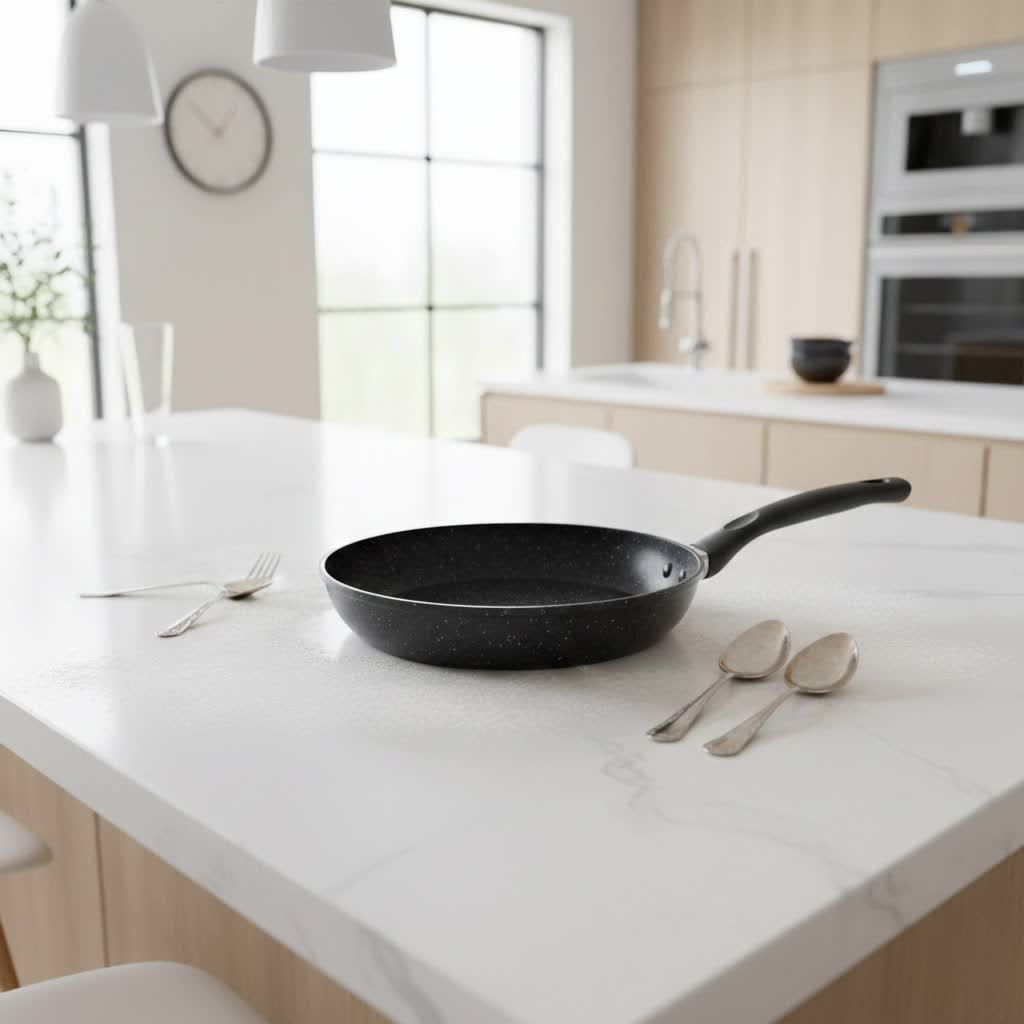
A nonstick pan is a type of cookware featuring a specialized coating on its cooking surface, designed to prevent food from adhering. This coating, often made from materials like PTFE (polytetrafluoroethylene), commonly known as Teflon, or ceramic, creates a slick barrier between the food and the pan’s metal base. The primary function of this surface is to reduce friction and chemical bonding, making cooking and cleanup significantly easier. The evolution of nonstick technology has made it a staple in modern kitchens, aiming to simplify the preparation of delicate foods like eggs and pancakes.
Common Types of Nonstick Pans
The nonstick market offers a variety of pan types, primarily distinguished by their coating materials. Each has unique characteristics that influence its performance, durability, and how it interacts with delicate foods like eggs.
By Coating Material
- PTFE (Teflon):
- Advantages: Offers excellent nonstick properties, especially when new, and is generally more affordable.
- Disadvantages: Prone to scratches and can degrade when exposed to very high temperatures (above 500°F or 260°C), potentially releasing fumes. This degradation leads to lost nonstick ability and eggs beginning to stick.
- Ceramic:
- Advantages: Often marketed as a “green” or “PFOA-free” alternative, ceramic coatings are typically made from a silicone polymer. They can often withstand higher temperatures than traditional PTFE.
- Disadvantages: The nonstick properties of ceramic pans can diminish faster than PTFE with improper use or cleaning. They can become sticky if overheated repeatedly or if food residues build up.
- Titanium/Granite-infused:
- Advantages: These pans typically feature a PTFE or ceramic base infused with titanium or granite particles. This infusion aims to enhance the coating’s durability, scratch resistance, and overall lifespan.
- Disadvantages: While more robust, they are not impervious to damage. High heat and improper use can still compromise their nonstick surface, leading to eggs sticking. They also tend to be more expensive.
|
Our Picks for the Best Nonstick Pan in 2026
As an Amazon Associate I earn from qualifying purchases.
|
||
| Num | Product | Action |
|---|---|---|
| 1 | Tramontina Professional 10-Inch Non Stick Frying Pan, Heavy-Gauge Aluminum Skillet with Reinforced Nonstick Coating, Red Handle, Dishwasher and Oven Safe |

|
| 2 | CAROTE Nonstick Frying Pan Skillet,Non Stick Granite Fry Pan Egg Pan Omelet Pans, Stone Cookware Chef's Pan, PFOA Free,Induction Compatible(Classic Granite, 8-Inch) |
|
| 3 | Non Stick Frying Pan, 8-inch Omelette Pan with Heat Dot Temperature Indicator, Healthy Non Toxic Egg Skillet with Heat-Resistant Handle, PFOA-Free, Dishwasher Safe, Compatible with All Cooktops |
|
| 4 | Amazon Basics Non Stick Kitchen Cookware 15-Piece Set, Non-Induction, Includes Pots, Pans, and Utensils, Black |
|
| 5 | SENSARTE Nonstick Frying Pan Skillet with Lid, 12 Inch Large Deep Frying Pan, 5 Qt Non Stick Saute Pan with Cover, Induction Pan, Healthy Non Toxic Cooking Pan with Helper Handle, PFOA PFOS Free |
|
| 6 | SENSARTE Nonstick Frying Pan Skillet, Swiss Granite Coating Omelette Pan, Healthy Stone Cookware Chef's Pan, PFOA Free (8/9.5/10/11/12.5 Inch) (9.5 Inch) |
|
| 7 | Amazon Basics Non Stick Kitchen Cookware 8-Piece Set, Non-Induction, Includes Pots and Pans, Black |
|
| 8 | SENSARTE Nonstick Ceramic Frying Pan with Lid 8/9.5/10/11/12.5 Inch Omelet Pan Skillet, Free of Intentionally Added PFAS/PTFE Non-toxic Chef's Pan Induction Compatible Pan, Heat Resistant Handle |
|
| 9 | Amazon Basics Ceramic Nonstick Pots and Pans Cookware Set, Dishwasher & Oven Safe, Even Heating, 10-Piece Set, Copper Color |
|
| 10 | T-fal Ultimate Hard Anodized Nonstick Fry Pan Set 2 Piece, 10, 12 Inch, Oven Broiler Safe 400F, Cookware, Pots and Pans Set Non Stick, Kitchen Frying Pans, Cooking Skillets, Dishwasher Safe, Grey |
|
By Brand
The quality and longevity of nonstick coatings can vary significantly between brands. Reputable brands often invest in better materials and manufacturing processes, leading to more durable and consistent nonstick performance. However, regardless of the brand, proper care is crucial for maintaining the pan’s integrity.
By Size
Nonstick pans come in various sizes, from small 8-inch pans perfect for a single egg or omelet to larger 12-inch versions for family meals. While pan size doesn’t directly influence the mechanism of sticking, choosing the appropriate size for your cooking needs can improve heat distribution and prevent overcrowding, which can indirectly contribute to sticking.
Why Do Eggs Stick to Nonstick Pans?
It’s a common misconception that “nonstick” means “no stick, ever.” The reality is, several factors can cause eggs to bond with the pan’s surface, even with a nonstick coating.
Protein Coagulation
Eggs are primarily composed of proteins, fats, and water. When heated, the proteins coagulate and bond together, solidifying the egg. If the pan’s surface isn’t adequately prepared or protected, these proteins can form chemical bonds directly with the microscopic irregularities on the pan, causing them to stick.
Worn or Damaged Coating
The nonstick coating is not invincible. Over time, due to regular use, harsh cleaning, or using metal utensils, the coating can get microscopic scratches or degrade. Once the integrity of the coating is compromised, the slick barrier is lost, and eggs will inevitably begin to stick. Manufacturers typically recommend replacing nonstick pans every 3 to 5 years, depending on usage.
Improper Heat Management
Both too little and too much heat can contribute to sticking.
- Too Cold: If the pan isn’t hot enough, the eggs will sit in the pan for too long, giving the proteins ample opportunity to bond with the surface before they fully cook and release.
- Too Hot: High heat can not only cook eggs too quickly, leading to burning and sticking, but it can also permanently damage the nonstick coating itself, causing it to degrade and lose its effectiveness over time.
Insufficient or Incorrect Fat
While nonstick pans reduce the need for excessive oil, a thin layer of fat is still crucial for optimal release, especially with eggs. If there’s not enough fat to create a buffer, or if you use certain cooking sprays (particularly aerosol oils containing lecithin), the pan can develop a sticky film that traps food.
Stuck-On Residue
Even tiny, invisible layers of old food residue or polymerized oil from previous cooking sessions can accumulate on the nonstick surface. This residue creates a barrier between the egg and the nonstick coating, effectively making the pan sticky.
Comparison Table of Nonstick Pan Coatings
Understanding the nuances of different nonstick coatings can help you choose the right pan and adapt your cooking techniques to prevent sticking.
| Feature | PTFE (Teflon) | Ceramic | Titanium/Granite Infused |
|---|---|---|---|
| Nonstick Performance | Excellent initially, highly slick | Good, but can degrade faster if not cared for | Very good, often enhanced durability |
| Heat Tolerance | Up to ~500°F (260°C); higher heat damages coating | Varies, some higher than PTFE; sensitive to thermal shock | Similar to base coating (PTFE/Ceramic) with better stability |
| Durability (Scratch) | Low, prone to scratching with metal utensils | Moderate, can chip or scratch with improper tools | Higher, infused for increased scratch resistance |
| Health Concerns | Fumes at high temps; PFOA historical concern | Generally PFOA/PFOS free; no high-temp fumes | Depends on base coating (PTFE-based may have similar concerns) |
| Maintenance Impact on Sticking | Strict low-medium heat, gentle cleaning critical | Gentle cleaning, avoid abrasive scrubbers for longevity | Gentle cleaning, careful with heavy use |
| Lifespan | 3-5 years typically | 1-3 years (can vary widely) | 3-5+ years, potentially longer with care |
Guide to Choosing a Nonstick Pan
Selecting the right nonstick pan is the first step toward preventing eggs from sticking. Consider these factors:
Determine Your Usage Needs
Think about how often you cook eggs and what other foods you’ll prepare.
- Cooking Frequency: If you cook eggs daily, investing in a higher-quality, more durable nonstick pan is advisable.
- Family Size: A small pan is sufficient for one or two servings, while a larger pan might be needed for family breakfasts.
- Budget: Nonstick pans are consumables, but a good quality pan will offer better performance and a longer lifespan within its category.
Choose the Right Coating Material
Consider your priorities regarding safety, durability, and maintenance.
- If you prioritize a very slick surface and don’t mind replacing the pan periodically, a high-quality PTFE pan might be suitable, provided you commit to low-medium heat cooking.
- If you’re concerned about chemicals and prefer higher heat tolerance, a well-regarded ceramic pan could be a good choice, but be aware of its specific care requirements to maintain nonstick properties.
- For enhanced durability and scratch resistance, titanium or granite-infused options offer a middle ground, often combining good nonstick with improved resilience.
Check Pan Quality
A well-made pan contributes to even heating and better performance.
- Surface Inspection: Ensure the nonstick surface is perfectly smooth, free from visible scratches, bubbles, or imperfections.
- Handle Security: A sturdy, comfortable handle that remains cool to the touch is essential for safe handling.
- Flat Base: A flat, heavy bottom ensures even heat distribution, preventing hot spots where eggs are more likely to stick or burn.
Purchase from Reputable Retailers
Buying from trusted stores or established online platforms reduces the risk of purchasing low-quality or counterfeit products. Reputable brands often offer warranties and customer support, providing peace of mind.
Tips for Using and Caring for Nonstick Pans
Even the best nonstick pan requires proper care to maintain its performance and prevent eggs from sticking.
Proper Usage
- Avoid Metal Utensils: Always use utensils made of wood, silicone, or plastic to prevent scratching the delicate nonstick coating.
- Control Heat: Cook eggs on medium to medium-low heat. High heat can damage the coating and cause eggs to stick. Never preheat an empty nonstick pan on high heat.
- Preheat Correctly: Add a small amount of oil or butter after preheating the pan, not before. A good test: flick a few drops of water onto the pan; if they bead up and dance, the pan is ready. Wipe out any water, add fat, then eggs.
- Use the Right Amount of Fat: Even nonstick pans benefit from a thin, even layer of butter or a high-smoke-point oil (like avocado or grapeseed oil) to create an extra layer of nonstick protection. Avoid cooking sprays that can build up a sticky residue.
- Avoid Thermal Shock: Never plunge a hot nonstick pan into cold water, as extreme temperature changes can warp the pan and degrade the coating.
Proper Cleaning
- Wash Immediately: Clean your pan soon after use to prevent food from drying and sticking stubbornly.
- Gentle Cleaning: Use a soft sponge or cloth and mild dish soap. Avoid abrasive scrubbers, steel wool, or harsh detergents, which can damage the coating.
- Remove Residue: If stubborn residue accumulates, create a paste of baking soda and a little water. Gently scrub with a soft sponge to lift the grime without harming the nonstick surface. Rinse thoroughly.
- Dry Completely: Ensure the pan is thoroughly dry before storing to prevent water spots and potential corrosion.
Proper Storage
- Protect the Surface: Store nonstick pans carefully to prevent scratches. Ideally, hang them or place them with a soft pan protector, felt pad, or paper towel between stacked pans.
- Keep Away from Sharp Objects: Avoid storing your nonstick pan in drawers with sharp utensils or other heavy cookware that could scratch its surface.
Common Problems and Solutions
Even with the best intentions, you might encounter issues. Here’s how to address them:
- Eggs Stick in a Relatively New Pan: This often points to user error. Review your preheating method, the amount and type of fat used, and your cooking temperature. Ensure no residue from previous meals is present.
- Nonstick Coating is Peeling or Flaking: This is a clear sign that the pan’s lifespan is over, or it has been severely damaged. Replace the pan immediately, as ingesting flaking coating is not advisable.
- Pan is Warped: A warped pan does not sit flat on the burner, leading to uneven heating and hot spots where food will invariably stick. Warping is often caused by extreme temperature changes (thermal shock) or manufacturing defects. A warped pan cannot be repaired and should be replaced.
- Persistent Sticky Film: If, even after cleaning, your pan feels tacky or eggs still stick, it might be due to a buildup from cooking sprays or polymerized fats. A baking soda paste scrub can often remove this. If not, the coating may be degraded beyond repair.
“Many home cooks overlook the power of proper preheating. A nonstick pan isn’t just a surface; it’s an environment. Get the temperature right, and your eggs will practically jump onto your plate.” – Chef Antoine Dubois, Culinary Instructor
Conclusion
The frustration of eggs sticking to your nonstick pan is a common kitchen woe, but it’s a problem with clear solutions. By understanding the science behind why eggs stick—from protein bonding to coating degradation—you can adopt simple yet effective habits that will revolutionize your breakfast routine. Proper preheating, appropriate fat use, vigilant heat control, and diligent cleaning and storage are the pillars of maintaining a truly nonstick surface. Remember that nonstick pans have a finite lifespan, and sometimes, the best solution is knowing when it’s time for a replacement. Embrace these practices, and you’ll soon be enjoying perfectly cooked eggs that glide effortlessly, making your mornings smoother and more delicious. What’s your secret to perfectly nonstick eggs?
Frequently Asked Questions
Can I use cooking spray on my nonstick pan?
While convenient, many cooking sprays, especially aerosol ones containing lecithin, can leave a sticky residue that builds up over time and compromises the nonstick coating. It’s generally better to use a small amount of butter or a high-smoke-point liquid oil like avocado or grapeseed oil, spread thinly.
How do I know if my nonstick pan is too old?
Signs that your nonstick pan is past its prime include visible scratches, peeling or flaking coating, persistent sticking even with proper use, or a dull, discolored surface that no longer feels slick. Manufacturers often suggest replacing pans every 3-5 years for optimal performance and safety.
What temperature should I use for cooking eggs in a nonstick pan?
Always use medium to medium-low heat when cooking eggs in a nonstick pan. High heat can damage the nonstick coating, causing it to degrade and lose its effectiveness. It also increases the risk of burning your eggs and making them stick.
Can a scratched nonstick pan be fixed?
Unfortunately, a scratched nonstick pan cannot be effectively repaired. Once the coating is compromised, its nonstick properties are diminished, and tiny pieces of the coating can flake into your food. It is generally recommended to replace a scratched or damaged nonstick pan.
Why do eggs stick even if I use butter or oil?
Even with butter or oil, eggs can stick if the pan isn’t properly preheated, if you’re cooking at too high a temperature, or if there’s a buildup of residue on the pan. Ensure your pan is at the correct medium heat before adding fat, and that the fat coats the surface evenly.
