Navigating the vast world of cookware can be daunting, especially when searching for the perfect nonstick pan set to simplify your daily cooking. From scrambled eggs that slide effortlessly to delicate fish fillets that retain their shape, the right nonstick cookware can transform your culinary experience. Yet, with countless materials, brands, and features available, choosing a set that meets your needs for safety, durability, and performance can feel overwhelming. This guide will cut through the clutter, offering clear insights into different types of nonstick pan sets, what to look for, and how to maintain them, ensuring you make the most informed decision for your kitchen.
What is a Nonstick Pan Set?
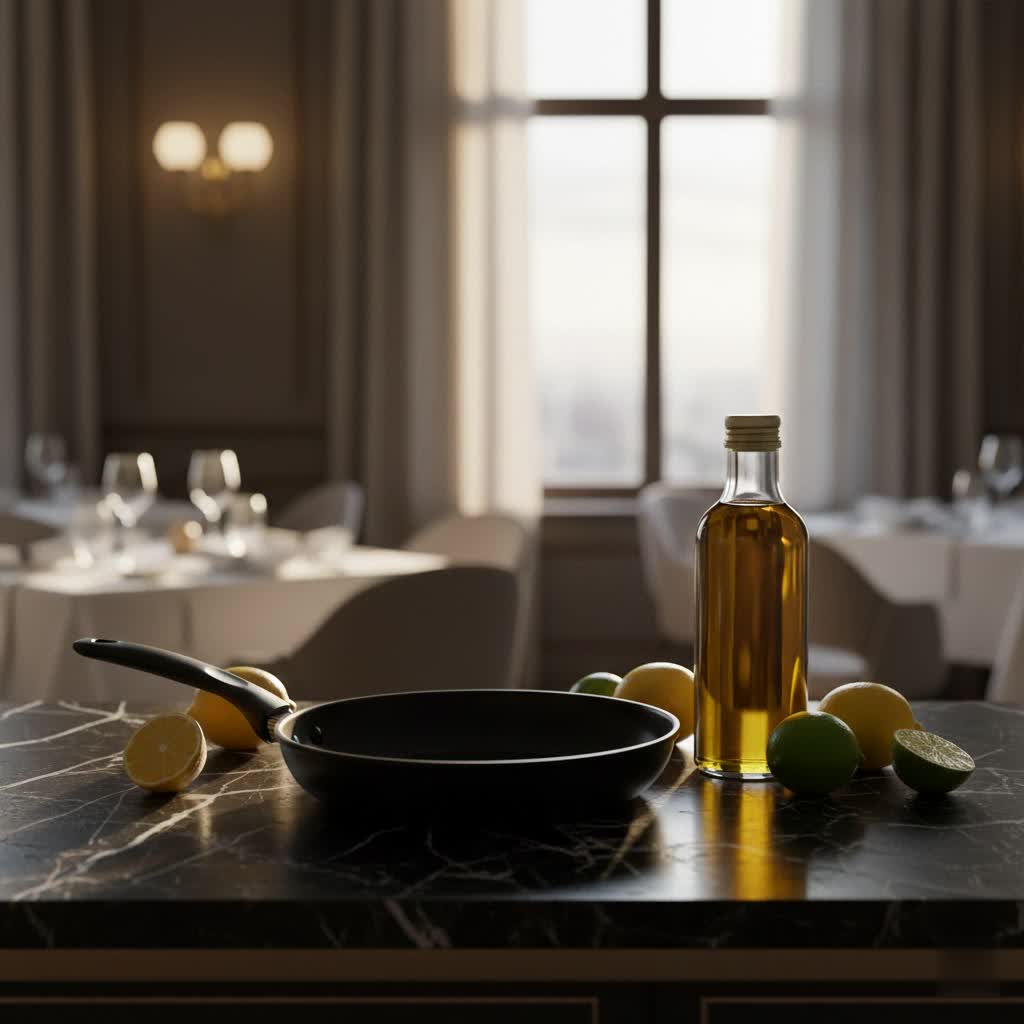
A nonstick pan set refers to a collection of pots and pans coated with a material that prevents food from adhering to the surface, making cooking and cleanup significantly easier. These sets typically include a variety of essential pieces, such as frying pans, saucepans, and stockpots, designed to cover a wide range of cooking tasks. The primary benefit is the ability to cook with minimal oil or butter, promoting healthier meals while also simplifying the post-meal cleanup. The technology behind nonstick surfaces has evolved considerably, moving from early chemically-based coatings to more modern, environmentally conscious alternatives.
Popular Types of Nonstick Pan Sets
The effectiveness and longevity of a nonstick pan set largely depend on its core material and the type of nonstick coating applied. Understanding the differences is crucial for making an informed choice.
By Coating Material
- Teflon (PTFE): Polytetrafluoroethylene (PTFE) is perhaps the most widely recognized nonstick coating.
- Pros: Offers exceptional food release and is typically affordable. Modern PTFE coatings are PFOA (perfluorooctanoic acid)-free, addressing past health concerns associated with its manufacturing.
- Cons: Can be susceptible to scratches from metal utensils, and overheating beyond 500°F (260°C) can cause the coating to degrade and potentially release fumes.
- Ceramic: Ceramic nonstick coatings are mineral-based, derived from sand, and are often marketed as “nontoxic” or “green” alternatives.
- Pros: Generally free of PTFE, PFOA, PFAS (per- and polyfluoroalkyl substances), lead, and cadmium, making them an eco-friendly choice. They often tolerate higher temperatures, with some oven-safe up to 550°F (287°C).
- Cons: Ceramic coatings may wear faster than some PTFE alternatives and might not always achieve the same level of browning or searing. Some ceramic pans can also be prone to staining.
- Hard-Anodized Aluminum: This refers to a process applied to aluminum cookware, hardening its surface and making it more durable, scratch-resistant, and better at heat distribution. While not a nonstick coating itself, it often serves as a robust base for nonstick layers.
- Pros: Excellent durability, superb heat distribution, and scratch resistance. Cookware like the All-Clad HA1 line combines hard-anodized aluminum with a nonstick coating for enhanced performance.
- Cons: Can be heavier than standard aluminum, and without a nonstick coating, food can still stick.
- Titanium-Reinforced Nonstick: Some nonstick coatings are reinforced with titanium particles to increase their durability and scratch resistance. This enhancement aims to extend the lifespan of the nonstick surface.
- Pros: Improved longevity and resistance to wear compared to standard nonstick.
- Cons: Often comes at a higher price point.
- Hybrid (e.g., HexClad): Hybrid cookware designs blend traditional stainless steel’s searing capabilities with nonstick performance. HexClad, for instance, features a hexagonal pattern of stainless steel peaks and nonstick valleys.
- Pros: Offers the best of both worlds—durability, even searing, and nonstick properties. Many are PTFE-free and oven-safe to high temperatures.
- Cons: Can be quite expensive and the exposed stainless steel portions might be challenging to clean without abrasive scrubbers.
- Enameled Cast Iron: While not traditionally categorized with modern nonstick, enameled cast iron cookware, when properly seasoned and cared for, offers natural nonstick properties and exceptional durability.
- Pros: Outstanding heat retention and even distribution, extremely durable (can last generations), and chemical-free. Great for slow cooking and braising.
- Cons: Very heavy, takes longer to heat up, and typically comes with a high price tag. Some enamel coatings have temperature limits lower than raw cast iron.
|
Our Picks for the Best Nonstick Pan in 2026
As an Amazon Associate I earn from qualifying purchases.
|
||
| Num | Product | Action |
|---|---|---|
| 1 | Tramontina Professional 10-Inch Non Stick Frying Pan, Heavy-Gauge Aluminum Skillet with Reinforced Nonstick Coating, Red Handle, Dishwasher and Oven Safe |

|
| 2 | Amazon Basics Ceramic Nonstick Pots and Pans Cookware Set, Dishwasher & Oven Safe, Even Heating, 10-Piece Set, Copper Color |
|
| 3 | Amazon Basics Non Stick Kitchen Cookware 8-Piece Set, Non-Induction, Includes Pots and Pans, Black |
|
| 4 | SENSARTE Nonstick Frying Pan Skillet with Lid, 12 Inch Large Deep Frying Pan, 5 Qt Non Stick Saute Pan with Cover, Induction Pan, Healthy Non Toxic Cooking Pan with Helper Handle, PFOA PFOS Free |
|
| 5 | CAROTE Nonstick Frying Pan Skillet,Non Stick Granite Fry Pan Egg Pan Omelet Pans, Stone Cookware Chef's Pan, PFOA Free,Induction Compatible(Classic Granite, 8-Inch) |
|
| 6 | Non Stick Frying Pan, 8-inch Omelette Pan with Heat Dot Temperature Indicator, Healthy Non Toxic Egg Skillet with Heat-Resistant Handle, PFOA-Free, Dishwasher Safe, Compatible with All Cooktops |
|
| 7 | Amazon Basics Non Stick Kitchen Cookware 15-Piece Set, Non-Induction, Includes Pots, Pans, and Utensils, Black |
|
| 8 | SENSARTE Nonstick Frying Pan Skillet, Swiss Granite Coating Omelette Pan, Healthy Stone Cookware Chef's Pan, PFOA Free (8/9.5/10/11/12.5 Inch) (9.5 Inch) |
|
| 9 | T-fal Ultimate Hard Anodized Nonstick Fry Pan Set 2 Piece, 10, 12 Inch, Oven Broiler Safe 400F, Cookware, Pots and Pans Set Non Stick, Kitchen Frying Pans, Cooking Skillets, Dishwasher Safe, Grey |
|
| 10 | SENSARTE Nonstick Ceramic Frying Pan with Lid 8/9.5/10/11/12.5 Inch Omelet Pan Skillet, Free of Intentionally Added PFAS/PTFE Non-toxic Chef's Pan Induction Compatible Pan, Heat Resistant Handle |
|
By Brand
Several brands consistently receive high marks for their nonstick pan sets, each offering distinct advantages:
- All-Clad HA1: Known for its hard-anodized aluminum construction, offering durability, even heating, and effective nonstick performance. These sets are often oven and dishwasher-safe.
- Caraway: Popular for its nontoxic, ceramic-coated sets that are free of PTFE, PFOA, and PFAS. Caraway pans are also recognized for their stylish design and often include thoughtful storage solutions.
- GreenPan Valencia Pro: Another ceramic nonstick option praised for its super slick finish, high heat tolerance, and nontoxic manufacturing. GreenPan’s Pro line is designed for durability and even heat distribution across various stovetops.
- HexClad: Offers innovative hybrid cookware, combining stainless steel and PTFE-free ceramic nonstick. These sets are highly durable and designed for efficient searing and sautéing.
- Quince Ceramic Nonstick: Provides excellent value for a ceramic nonstick set, being nontoxic, eco-friendly, and lightweight. It’s a great option for those seeking quality at a more accessible price point.
- Anolon SmartStack: Features a space-saving stackable design, making it ideal for smaller kitchens. These hard-anodized sets offer good nonstick performance and durability.
- Tramontina Primaware: A budget-friendly option that delivers surprising performance, suitable for beginners or those seeking compact, affordable cookware.
- Made In CeramiClad: Offers a robust ceramic nonstick set known for its nontoxic properties, superior performance, and versatility across different cooking surfaces.
- Le Creuset Toughened Nonstick Pro: While typically a higher investment, Le Creuset’s nonstick frying pan sets are highly durable with a hard-anodized core and effective PTFE coating, favored by serious cooks.
By Size & Set Composition
Nonstick pan sets come in various configurations to suit different household sizes and cooking habits:
- Small Sets (e.g., 2-5 pieces): Often include one or two frying pans and a small saucepan. Ideal for individuals or couples with limited storage.
- Medium Sets (e.g., 7-10 pieces): The most popular choice, typically comprising multiple frying pans, saucepans, a sauté pan, and a stockpot. Suitable for families of 2-4 people.
- Large Sets (e.g., 10+ pieces): Offer extensive versatility with a wider range of sizes, including larger stockpots or specialized pieces. Best for large families, entertaining, or those who cook frequently.
Comparing Nonstick Pan Set Materials
Choosing the right nonstick pan set often comes down to balancing performance, durability, safety, and price. Here’s a comparative overview of common nonstick materials:
| Feature | PTFE (Teflon) | Ceramic Nonstick | Hard-Anodized Aluminum (as base) | Hybrid (e.g., HexClad) | Enameled Cast Iron |
|---|---|---|---|---|---|
| Nonstick Performance | Excellent, very slick | Good to excellent, can vary | Relies on coating; not inherently nonstick | Excellent, blends searing with nonstick | Natural nonstick with proper seasoning, excellent release |
| Durability | Moderate; prone to scratches, finite lifespan | Can be less durable than PTFE, sensitive to abrasion | High, resistant to dents and scratches (base material) | Very high, designed for long-term investment | Extremely high, lasts generations |
| Safety Concerns | Fumes at very high temps (>500°F), PFOA-free modern versions | Generally considered nontoxic (PTFE/PFOA/PFAS-free) | Safe (base material), concerns depend on coating applied | PTFE/PFOA/PFAS-free ceramic valleys | Chemical-free |
| Heat Tolerance | Max 500°F (260°C); avoid overheating | Higher than PTFE (often up to 550°F / 287°C) | High | High (often up to 500°F / 260°C for nonstick parts) | Very high (up to 500-900°F / 260-482°C depending on brand) |
| Price Range | Low to moderate | Moderate to high | Moderate to high | High to very high | High to very high |
| Care Requirements | Handwash recommended, non-metal utensils | Handwash recommended, gentle care | Depends on coating; handwash often recommended | Handwash recommended for nonstick areas, careful cleaning | Handwash, careful drying, seasoning for raw cast iron |
How to Choose the Best Nonstick Pan Set
Selecting the right nonstick pan set requires thoughtful consideration of your cooking habits, kitchen setup, and personal preferences.
Assess Your Cooking Needs
Before diving into options, consider how you typically cook. Do you frequently prepare delicate foods like eggs, pancakes, or fish that benefit greatly from a nonstick surface? Or do you often sear meats, requiring higher heat and a more robust pan?
- What do you cook most often? For frequent delicate cooking, excellent nonstick release is paramount. For occasional searing, consider hybrid or enameled cast iron.
- How many people do you cook for? A small set might suffice for singles or couples, while larger families will benefit from a comprehensive set with various sizes.
- What is your budget? Nonstick sets range widely in price, with higher-end options often offering better durability and advanced features. Determine what you’re willing to invest.
Prioritize Material Safety & Durability
Concerns about health and longevity are key factors.
- Look for “PFOA-free,” “PTFE-free,” or “PFAS-free” labels, especially if you’re leaning towards ceramic options for their nontoxic properties.
- Consider hard-anodized aluminum bases for enhanced durability and even heat distribution. Reinforced coatings with titanium or other minerals can also contribute to a longer lifespan. Remember that even the most durable nonstick will eventually wear out; generally, if the coating is flaking or scratched, it’s time to replace the pan.
Check for Key Features
- Even Heat Distribution: Pans that heat evenly prevent hot spots and ensure consistent cooking results.
- Comfortable, Oven-Safe Handles: Ergonomically designed handles make lifting and maneuvering easier, especially for heavier pans. Check the maximum oven temperature for both the pans and their lids, as this can significantly impact versatility.
- Induction Compatibility: If you have an induction stovetop, ensure the set has a magnetic base to work properly.
- Number and Type of Pieces: Evaluate if the set includes the essential fry pans, saucepans, and stockpots you need, without unnecessary extras.
Purchase from Reputable Retailers
Buying from well-known stores or directly from trusted brands helps ensure you receive authentic products and have access to customer support and warranty services. Researching product reviews and expert opinions can also guide your decision.
Tips for Using and Maintaining Your Nonstick Pan Set
Proper care is paramount to extending the life and performance of your nonstick cookware. Neglecting these simple steps can quickly degrade the coating and diminish its effectiveness.
Proper Usage
- Use Low to Medium Heat: Nonstick coatings are designed for lower heat cooking. High heat, especially when the pan is empty, can cause the coating to break down, release fumes, and shorten the pan’s lifespan.
- Avoid High Heat on Empty Pans: Never preheat an empty nonstick pan on high heat, as this is a common cause of coating damage.
- Use Non-Metal Utensils: Opt for silicone, wood, or plastic spatulas and spoons. Metal utensils can scratch and damage the nonstick surface, compromising its integrity.
- Prevent Thermal Shock: Allow your pan to cool completely before washing it. Sudden changes in temperature (like running a hot pan under cold water) can cause warping and damage the nonstick coating.
Correct Cleaning
- Let Cool Completely: Always wait for your nonstick pans to cool down before cleaning them.
- Gentle Handwashing: Use warm, soapy water and a soft sponge or cloth. For stubborn food, soak the pan for a while to loosen residue, then gently scrub.
- Avoid Abrasive Cleaners: Never use abrasive scrubbers, steel wool, or harsh detergents, as these can strip or damage the nonstick layer.
- Dishwasher-Safe? Proceed with Caution: While some manufacturers claim their nonstick cookware is dishwasher-safe, handwashing is generally recommended for all nonstick pans to maximize their lifespan. Dishwashers’ high temperatures and harsh detergents can accelerate wear and tear.
Smart Storage
- Use Pan Protectors: To prevent scratches and chips, place soft pan protectors, paper towels, or dishcloths between stacked nonstick pans.
- Hang Cookware: If space allows, hanging your pans can prevent them from rubbing against each other, further extending their life.
Common Nonstick Pan Problems and Solutions
Even with the best care, nonstick pans have a finite lifespan. Recognizing common problems can help you know when it’s time to replace them.
- Food Sticking: If food begins to consistently stick to your nonstick pan, it’s a clear sign that the coating has degraded. This often happens due to wear and tear, overheating, or improper cleaning. At this point, the pan has lost its primary function and should be replaced.
- Coating Damage (Flaking/Scratching): Any visible signs of flaking, peeling, or deep scratches on the nonstick coating indicate that the pan is compromised. Small amounts of the coating could potentially leach into your food, making it a safety concern. Replace damaged pans immediately.
- Warping/Uneven Heating: If the bottom of your pan becomes warped, it will no longer sit flat on your stovetop, leading to uneven heat distribution. This is often caused by extreme temperature changes (thermal shock) or manufacturing defects. A warped pan impacts cooking performance and should be replaced.
Conclusion
Choosing a good nonstick pan set is an investment in easier, healthier cooking. By understanding the different materials—from the classic, PFOA-free PTFE to the environmentally conscious ceramic, and the durable hybrid options—you can confidently select a set that aligns with your culinary needs and safety preferences. Remember that proper usage and diligent maintenance, including using appropriate utensils and gentle cleaning, are key to maximizing the lifespan of your nonstick cookware. A well-chosen and cared-for nonstick pan set will be a reliable partner in your kitchen, ensuring delicious, stick-free meals for years to come. Ready to elevate your cooking experience?
Frequently Asked Questions
Is nonstick cookware safe to use?
Yes, modern nonstick cookware is generally considered safe when used according to manufacturer instructions. Concerns primarily relate to older PTFE coatings manufactured with PFOA, which has largely been phased out. Overheating pans above recommended temperatures (typically 500°F/260°C) can cause coatings to degrade and potentially release fumes, so moderate heat is advised.
When should I replace my nonstick pan set?
You should replace your nonstick cookware when the coating begins to chip, flake, or gets scratched. A degraded surface not only loses its nonstick effectiveness but can also pose minor safety concerns if coating particles mix with food. Many experts recommend replacing pans as soon as the nonstick properties noticeably diminish or the surface shows damage.
What types of cooking utensils are best for nonstick pans?
For optimal longevity of your nonstick cookware, it is best to use utensils made from soft materials like silicone, wood, or plastic. Metal utensils can easily scratch and damage the nonstick coating, leading to premature wear and reducing the pan’s effectiveness.
Can I put my nonstick pan set in the dishwasher?
While some manufacturers claim their nonstick pans are dishwasher-safe, handwashing is generally recommended for all nonstick cookware. The harsh detergents and high temperatures in dishwashers can erode the nonstick coating over time, significantly shortening the lifespan of your pans.
What is the primary difference between PTFE and ceramic nonstick coatings?
The primary difference lies in their chemical composition and origin. PTFE (Polytetrafluoroethylene) is a synthetic polymer, while ceramic nonstick coatings are mineral-based, typically derived from sand. Ceramic options are often marketed as “nontoxic” because they are generally free of PTFE, PFOA, and PFAS, unlike traditional PTFE coatings.
