Navigating the vast world of cookware can feel overwhelming, especially when searching for a versatile workhorse like a 12-inch nonstick frying pan. This popular size is a true kitchen staple, perfect for everything from a family-sized breakfast to a quick weeknight stir-fry. Choosing the right one, however, involves understanding different materials, evaluating brands, and knowing how to properly care for your investment. This guide will walk you through the most crucial factors, helping you select a pan that brings joy and efficiency to your daily cooking.
What is a Nonstick Frying Pan?
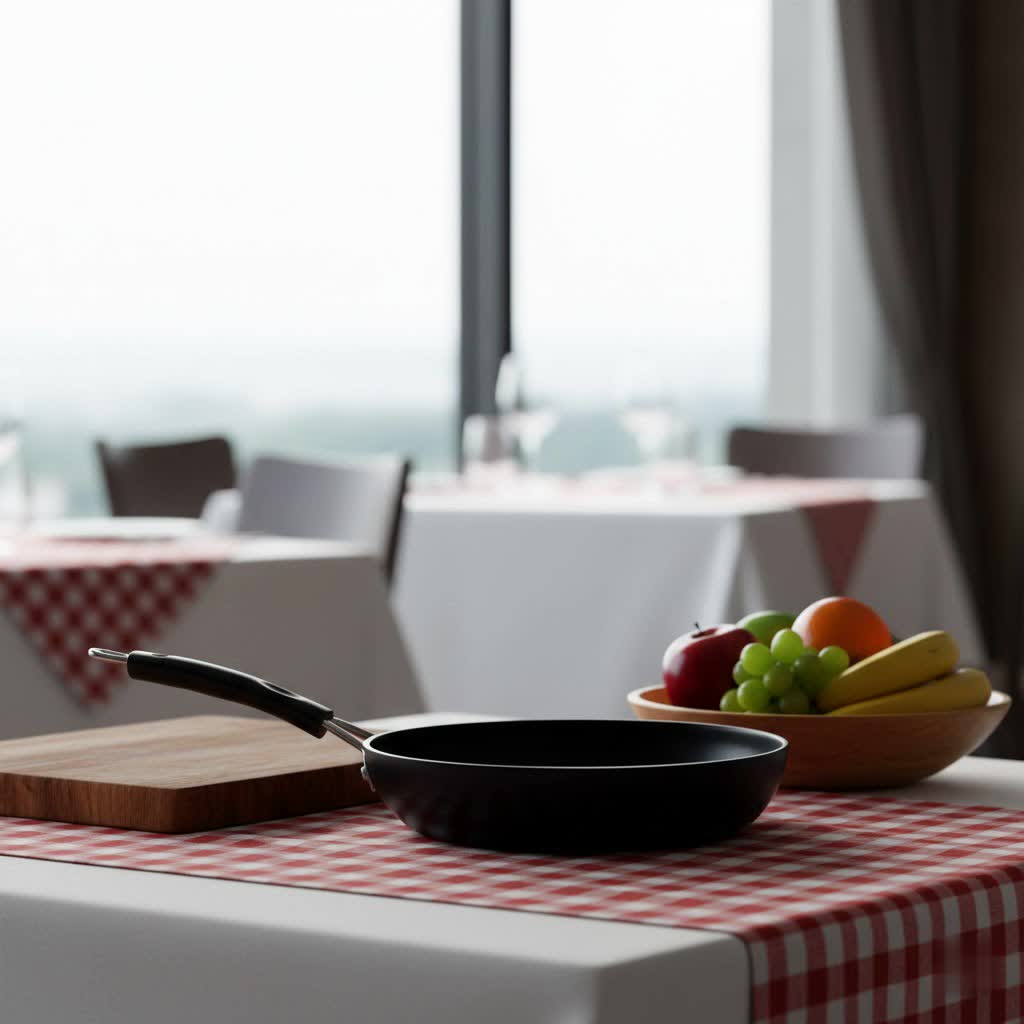
At its core, a nonstick frying pan is designed to prevent food from adhering to its cooking surface, making for easier cooking and cleanup. Its primary utility lies in allowing ingredients, particularly delicate ones like eggs or fish, to glide effortlessly across the pan with minimal oil or butter. This revolutionary concept began to truly take shape in the mid-20th century with the introduction of polytetrafluoroethylene (PTFE), commonly known by the brand name Teflon. Since then, nonstick technology has evolved significantly, driven by innovations in coating compositions and manufacturing processes, offering consumers a broader array of choices focused on durability, performance, and health considerations.
Popular Types of Nonstick Frying Pans
The market offers a diverse range of nonstick frying pans, primarily differentiated by their coating materials. Understanding these variations is key to finding the pan that best suits your culinary habits and preferences.
By Material:
- PTFE (Teflon):
PTFE coatings are renowned for their exceptional nonstick properties, allowing food to release with unparalleled ease. These pans are often more affordable and deliver consistent performance for everyday cooking tasks. However, PTFE can degrade and potentially release fumes if overheated, typically above 500°F (260°C). While perfluorooctanoic acid (PFOA), a chemical previously used in PTFE manufacturing, has been largely phased out, some consumers remain cautious about other related compounds (PFAS). - Ceramic:
Ceramic-coated pans have gained popularity as an eco-friendly alternative, often marketed as being free from PTFE, PFOA, and other PFAS chemicals. They offer good heat distribution and a generally safe cooking surface. While ceramic pans provide excellent nonstick performance initially, their coating can be less durable than PTFE over time, especially if subjected to harsh treatment or very high heat, potentially losing its slickness faster. - Titanium-Reinforced:
These coatings often combine traditional nonstick materials with titanium particles to significantly enhance durability and scratch resistance. Titanium-reinforced pans aim to offer the best of both worlds: superior nonstick release coupled with a more robust surface that can withstand heavier use. They generally come with a higher price tag due to their advanced construction. - Hard-Anodized Aluminum (as a base):
Hard-anodized aluminum isn’t a nonstick coating itself but rather a process applied to aluminum cookware. It creates a surface that is twice as hard as stainless steel, providing exceptional durability and even heat distribution. Many high-quality nonstick pans utilize a hard-anodized aluminum base, onto which layers of PTFE, ceramic, or titanium-reinforced coatings are applied. This combination results in a pan that is both robust and highly efficient at nonstick cooking. - Stone/Granite Coated:
Pans featuring stone or granite coatings typically offer a distinctive speckled appearance and often claim enhanced durability and natural nonstick properties. These coatings are usually a type of ceramic reinforced with mineral particles. While aesthetically pleasing and known for good heat retention, it’s essential to verify that the underlying coating is indeed free from undesirable chemicals like PTFE and PFOA, as some variations may still contain them.
|
Our Picks for the Best Nonstick Pan in 2026
As an Amazon Associate I earn from qualifying purchases.
|
||
| Num | Product | Action |
|---|---|---|
| 1 | Tramontina Professional 10-Inch Non Stick Frying Pan, Heavy-Gauge Aluminum Skillet with Reinforced Nonstick Coating, Red Handle, Dishwasher and Oven Safe |

|
| 2 | Amazon Basics Non Stick Kitchen Cookware 15-Piece Set, Non-Induction, Includes Pots, Pans, and Utensils, Black |
|
| 3 | SENSARTE Nonstick Frying Pan Skillet with Lid, 12 Inch Large Deep Frying Pan, 5 Qt Non Stick Saute Pan with Cover, Induction Pan, Healthy Non Toxic Cooking Pan with Helper Handle, PFOA PFOS Free |
|
| 4 | Non Stick Frying Pan, 8-inch Omelette Pan with Heat Dot Temperature Indicator, Healthy Non Toxic Egg Skillet with Heat-Resistant Handle, PFOA-Free, Dishwasher Safe, Compatible with All Cooktops |
|
| 5 | SENSARTE Nonstick Frying Pan Skillet, Swiss Granite Coating Omelette Pan, Healthy Stone Cookware Chef's Pan, PFOA Free (8/9.5/10/11/12.5 Inch) (9.5 Inch) |
|
| 6 | Amazon Basics Ceramic Nonstick Pots and Pans Cookware Set, Dishwasher & Oven Safe, Even Heating, 10-Piece Set, Copper Color |
|
| 7 | Amazon Basics Non Stick Kitchen Cookware 8-Piece Set, Non-Induction, Includes Pots and Pans, Black |
|
| 8 | CAROTE Nonstick Frying Pan Skillet,Non Stick Granite Fry Pan Egg Pan Omelet Pans, Stone Cookware Chef's Pan, PFOA Free,Induction Compatible(Classic Granite, 8-Inch) |
|
| 9 | SENSARTE Nonstick Ceramic Frying Pan with Lid 8/9.5/10/11/12.5 Inch Omelet Pan Skillet, Free of Intentionally Added PFAS/PTFE Non-toxic Chef's Pan Induction Compatible Pan, Heat Resistant Handle |
|
| 10 | T-fal Ultimate Hard Anodized Nonstick Fry Pan Set 2 Piece, 10, 12 Inch, Oven Broiler Safe 400F, Cookware, Pots and Pans Set Non Stick, Kitchen Frying Pans, Cooking Skillets, Dishwasher Safe, Grey |
|
By Brand:
The nonstick pan market is home to many reputable brands, each offering unique strengths. Brands like Anolon and Calphalon are known for their hard-anodized construction and durable multi-layer nonstick coatings, often including options with metal-utensil-safe surfaces or unique oil-distribution features. Tramontina frequently earns praise for offering excellent performance and value, making it a favorite for those seeking professional-grade results without a high cost. For eco-conscious cooks, GreenPan and Caraway specialize in ceramic nonstick options that are PFOA/PFAS-free. More budget-friendly options from brands like T-fal provide reliable nonstick capabilities for everyday use, while premium brands like Made In and Le Creuset offer high-end nonstick solutions with exceptional craftsmanship and longevity. OXO Good Grips also stands out for delivering strong performance at an accessible price point, often with comfortable, well-designed handles.
By Size:
A 12-inch nonstick frying pan is widely considered the most versatile size for home cooks. Its ample cooking surface makes it ideal for:
- Family-Sized Meals: Easily accommodating dishes for 2-4 people, such as a large batch of scrambled eggs, multiple pancakes, or a substantial stir-fry.
- Versatility: Large enough for searing meats, sautéing vegetables, or even preparing one-pan dinners without overcrowding.
While smaller pans (e.g., 8-inch or 10-inch) are perfect for single servings or quick tasks, and larger pans (e.g., 14-inch) suit very large families or entertaining, the 12-inch hits the sweet spot for everyday utility and efficiency in most kitchens.
Comparing Nonstick Frying Pan Types
Understanding the trade-offs between different nonstick pan materials can help you make an informed decision. Here’s a detailed comparison:
| Feature | PTFE (Teflon) | Ceramic-Coated | Titanium-Reinforced |
|---|---|---|---|
| Nonstick | Excellent | Good (can degrade faster) | Very Good |
| Durability | Good (prone to scratching) | Moderate (prone to chipping) | Excellent |
| Safety | Concerns at high heat | Generally very safe | Generally safe |
| Heat Limit | ~500°F (250°C) | ~500°F (260°C) | High |
| Price | Low to Medium | Medium to High | High |
| Maintenance | Gentle care, no metal | Gentle care, no metal | More forgiving (some metal) |
| PFOA/PFAS-Free | Often not fully (older) | Usually yes | Often yes |
How to Choose Your Ideal 12-Inch Nonstick Frying Pan
Selecting the perfect 12-inch nonstick frying pan requires a thoughtful assessment of your personal cooking style, priorities, and kitchen setup.
Determine Your Cooking Needs:
Before diving into options, consider how you typically cook. Do you frequently prepare delicate foods like eggs and fish that demand flawless release? Or do you lean towards stir-fries and sautéing where durability and high heat might be a factor? The number of people you cook for regularly will solidify the 12-inch size as a practical choice. Also, factor in your budget; nonstick pans range widely in price, from economical to premium. Lastly, check your stovetop compatibility—if you have an induction cooktop, ensure the pan has a compatible magnetic base. If you plan to finish dishes in the oven, verify the pan’s oven-safe temperature limit.
Select the Right Material:
Your choice of material significantly impacts a pan’s performance and longevity. If health and environmental concerns are paramount, prioritize ceramic or explicitly PFOA/PFAS-free options. For maximum durability and resistance to wear, titanium-reinforced or hard-anodized options with robust coatings are excellent choices. If budget is a primary driver and you commit to careful use, traditional PTFE pans offer great nonstick performance.
Check Pan Quality and Features:
A high-quality 12-inch nonstick pan should offer even heat distribution, which is often achieved with a heavy-gauge aluminum core or a stainless steel base. The handle is also critical: look for one that is comfortable to grip, stays cool on the stovetop, and is securely attached (riveted handles are a good sign of durability). Flared rims can facilitate drip-free pouring, a subtle but useful feature. Consider the overall weight of the pan – it should feel substantial enough for even heating but not so heavy that it’s difficult to maneuver. Finally, check if it comes with a lid, which can be invaluable for simmering or steaming.
Purchase from Reputable Sources:
To ensure you’re getting an authentic and high-quality product, always purchase your nonstick pan from reputable sources. This includes well-known department stores, specialty kitchenware retailers, or official brand websites. These vendors typically offer guarantees and customer support, adding an extra layer of confidence to your purchase.
Tips for Using and Maintaining Your Nonstick Frying Pan
Proper care is paramount for extending the life and maintaining the performance of your 12-inch nonstick frying pan. A little attention goes a long way in preventing premature wear and tear.
Proper Usage:
- Preheat Gently: Always preheat your pan gradually over medium or medium-low heat before adding oil and food. This allows for even heat distribution and prevents “hot spots” that can damage the coating.
- Use Recommended Oils: Opt for high-smoke point oils like avocado, grapeseed, canola, or rice bran oil when cooking. Avoid extra virgin olive oil for frying, as its low smoke point can lead to residue buildup and sticking. Also, it’s generally recommended to avoid cooking sprays, which can leave a sticky film that degrades the nonstick surface over time.
- Employ Non-Metal Utensils: To prevent scratches and damage to the nonstick coating, always use utensils made from silicone, wood, or nylon. While some advanced hybrid pans claim metal utensil safety, it’s a good practice to err on the side of caution.
- Avoid Thermal Shock: Never place a hot nonstick pan under cold running water or plunge it into a sink of cold water. Sudden temperature changes can cause the pan to warp or damage the nonstick coating. Always let the pan cool down naturally before cleaning.
- Mind the Heat: Nonstick pans perform best at medium to low temperatures. Never heat an empty nonstick pan for prolonged periods, especially on high heat, as this can significantly shorten its lifespan and, in the case of PTFE, potentially release fumes.
Correct Cleaning:
- Cool Down First: Always allow your pan to cool completely before attempting to clean it.
- Handwash with Care: Handwashing is almost always recommended, even for “dishwasher-safe” nonstick pans, as dishwasher detergents can be harsh on the coating. Use a soft sponge or cloth and a mild dishwashing detergent to gently remove food residue.
- Skip Abrasives: Avoid abrasive scrubbers, steel wool, or harsh chemical cleaners, as these will scratch and damage the nonstick surface.
- Dry Thoroughly: After washing, dry the pan completely with a soft towel to prevent water spots and rust, especially on exposed metal parts.
Smart Storage:
- Protect the Surface: When stacking nonstick pans, place a soft cloth, paper towel, or pan protector between them to prevent the cooking surfaces from scratching each other.
- Hang if Possible: If your kitchen allows, hanging pans from a rack can prevent contact damage and make them easily accessible.
- Occasional Re-seasoning: For some pans, especially those with ceramic or newer “natural” nonstick surfaces, occasionally rubbing a thin layer of high-smoke point oil onto the clean, dry surface can help maintain its nonstick properties.
Common Nonstick Pan Problems and Solutions
Even with the best intentions, nonstick pans can encounter issues. Knowing how to address them can prolong your pan’s usability or signal when it’s time for a replacement.
- Food Sticking: If food begins to stick, it could be a sign of residue buildup, improper heat, or a degrading nonstick coating. First, ensure you’re preheating correctly and using appropriate oils. A thorough cleaning to remove any unseen film, followed by an optional light re-seasoning with oil, can sometimes restore performance. If the coating is visibly damaged, it’s time for a new pan.
- Coating Peeling or Flaking: This is a clear indicator of significant wear or misuse. Once the nonstick coating starts to peel or flake, it’s generally recommended to replace the pan. While small ingested particles are not typically considered harmful, a compromised coating means the pan has lost its primary function and may affect food safety and taste.
- Pan Warping: A warped pan, often indicated by a bulging or uneven bottom, is usually caused by sudden temperature changes (thermal shock) or consistent exposure to excessively high heat. An uneven cooking surface reduces efficiency and evenness. Unfortunately, warping is often irreversible, and a severely warped pan should be replaced. Prevent this by always allowing the pan to cool before washing and avoiding extreme temperatures.
Conclusion
Choosing the right 12-inch nonstick frying pan and caring for it properly are essential steps toward a more enjoyable and efficient cooking experience. From understanding the nuances of PTFE, ceramic, and titanium-reinforced coatings to mastering gentle usage and cleaning techniques, every detail contributes to your pan’s longevity and performance. By investing wisely and following these guidelines, you’ll ensure your pan remains a reliable ally in preparing delicious meals for years to come. Now, go forth and cook with confidence, knowing you have the perfect nonstick companion for any culinary adventure!
Frequently Asked Questions
How long does a nonstick pan typically last?
With proper care and maintenance, a good quality nonstick frying pan can last anywhere from three to five years. Higher-end models and those with more durable coatings may last longer, while budget options might require replacement sooner. The lifespan heavily depends on how frequently it’s used and how well it’s maintained.
Are PFOA-free pans truly safe?
Yes, PFOA-free pans are generally considered safe. PFOA was a chemical previously used in the manufacturing of some nonstick coatings and has been linked to health concerns. Its phase-out means modern nonstick pans are manufactured without this specific compound. Many ceramic-coated and titanium-reinforced pans are also free from PTFE and other PFAS, offering additional peace of mind for health-conscious consumers.
Can I put my nonstick pan in the dishwasher?
While some manufacturers claim their nonstick pans are dishwasher-safe, it is almost always recommended to handwash them. Harsh dishwasher detergents and high heat can degrade the nonstick coating over time, reducing its effectiveness and shortening the pan’s lifespan. Handwashing with a soft sponge and mild soap is the best way to preserve your pan.
What are the best foods to cook in a 12-inch nonstick pan?
A 12-inch nonstick pan is incredibly versatile! It’s ideal for delicate foods that tend to stick, such as eggs (scrambled, fried, omelets), pancakes, crêpes, and fish fillets. Its ample size also makes it excellent for stir-frying vegetables, sautéing larger quantities of ingredients, making grilled cheese sandwiches, or preparing one-pan meals for a family.
How do I know when it’s time to replace my nonstick pan?
It’s time to replace your nonstick pan if the coating is visibly scratched, chipped, peeling, or flaking. You should also consider replacing it if food consistently sticks to the surface, even after thorough cleaning and proper use, or if the pan has warped, causing an uneven cooking surface. A compromised coating means the pan has lost its primary function.
