Navigating the vast world of kitchenware, especially when it comes to finding the perfect nonstick pan with a lid, can feel overwhelming. From the myriad of materials and brands to varying price points and safety concerns, making an informed decision requires careful consideration. This comprehensive guide, informed by extensive experience in home appliances, particularly nonstick cookware, will simplify the process, helping you select a pan that offers safety, durability, and outstanding cooking performance for years to come.
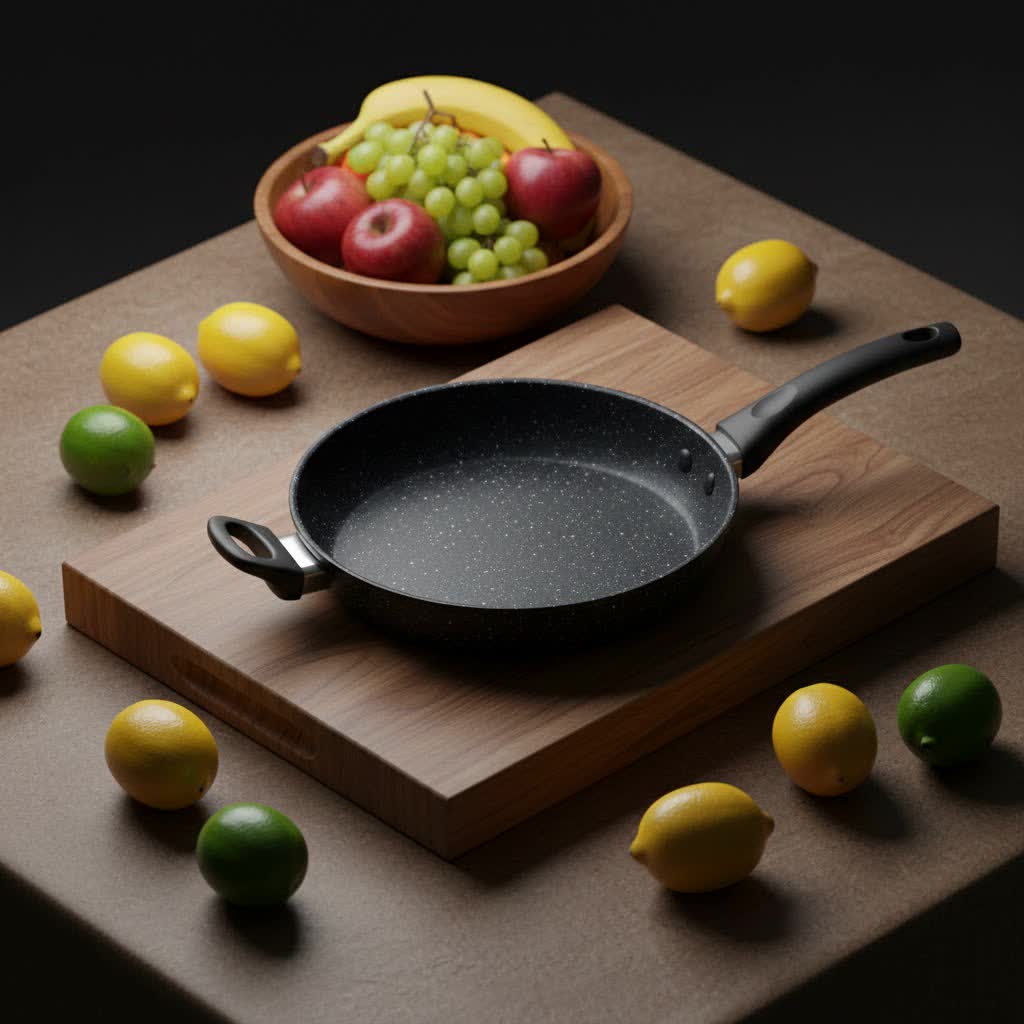
What is a Nonstick Pan?
A nonstick pan is a type of cookware featuring a specialized coating on its interior surface designed to prevent food from sticking. This innovation revolutionized cooking, allowing for easier food release and cleanup with minimal oil or butter. The most common nonstick coating material is polytetrafluoroethylene (PTFE), widely known by the brand name Teflon.
The history of nonstick technology dates back to the 1930s with the discovery of PTFE. While earlier generations of nonstick pans used perfluorooctanoic acid (PFOA) in their manufacturing process, this chemical was phased out by 2015 due to health and environmental concerns. Modern nonstick coatings, including PFOA-free PTFE and ceramic alternatives, are now generally considered safe for everyday use when handled properly.
Types of Nonstick Pans
The nonstick cookware market boasts an array of options, primarily differentiated by their coating and base materials. The inclusion of a lid adds versatility, making these pans suitable for simmering, steaming, and retaining heat.
By Material
- Teflon (PTFE):
- Advantages: Offers exceptional nonstick properties, allowing food to slide off effortlessly, and is typically more affordable.
- Disadvantages: Prone to scratching if metal utensils are used, and there are concerns about releasing fumes if overheated above 500°F (260°C).
- Ceramic:
- Advantages: These pans feature a mineral-based coating derived from silica, making them free from PTFE, PFOA, and PFAS chemicals. They are often marketed as a safer, more eco-friendly alternative with good heat tolerance. Many ceramic options can withstand temperatures up to 550°F (288°C), making them oven-safe.
- Disadvantages: While generally safe, ceramic coatings may wear out faster than traditional nonstick, and some types might not be as nonstick initially. They also tend to be more expensive.
- Titanium:
- Often found as a reinforcement or infusion in PTFE or ceramic coatings rather than a standalone coating. Titanium-infused nonstick surfaces are prized for their enhanced durability and scratch resistance, offering a longer lifespan.
- Granite/Stone-Derived:
- These pans often have a speckled appearance resembling natural stone. While aesthetically pleasing and often robust, their “stone-derived” coating can sometimes still contain PTFE. It’s crucial to verify if they are truly PFOA-free or entirely free of synthetic chemicals. They generally offer good heat retention.
- Hard-Anodized Aluminum:
- Hard-anodization is an electrochemical process that strengthens the aluminum core, making it harder, more durable, and scratch-resistant than regular aluminum. These pans usually feature a nonstick coating (PTFE or ceramic) over the hard-anodized layer. They offer excellent heat distribution and are often compatible with induction cooktops due to a bonded stainless steel base.
- Nitrided Carbon Steel:
- A newer innovation, nitrided carbon steel pans (like Misen’s Carbon Nonstick™) use a super-heating process in a nitrogen-rich oven to create an incredibly durable, corrosion-resistant, and naturally nonstick surface without chemical coatings. These pans become more nonstick with use as they build seasoning, are highly heat-tolerant (up to 1100°F), and are resistant to metal utensils and rust. They typically feature an aluminum core for lighter weight and faster heating.
|
Our Picks for the Best Nonstick Pan in 2026
As an Amazon Associate I earn from qualifying purchases.
|
||
| Num | Product | Action |
|---|---|---|
| 1 | SENSARTE Nonstick Frying Pan Skillet with Lid, 12 Inch Large Deep Frying Pan, 5 Qt Non Stick Saute Pan with Cover, Induction Pan, Healthy Non Toxic Cooking Pan with Helper Handle, PFOA PFOS Free |

|
| 2 | CAROTE Nonstick Frying Pan Skillet,Non Stick Granite Fry Pan Egg Pan Omelet Pans, Stone Cookware Chef's Pan, PFOA Free,Induction Compatible(Classic Granite, 8-Inch) |
|
| 3 | Amazon Basics Ceramic Nonstick Pots and Pans Cookware Set, Dishwasher & Oven Safe, Even Heating, 10-Piece Set, Copper Color |
|
| 4 | Tramontina Professional 10-Inch Non Stick Frying Pan, Heavy-Gauge Aluminum Skillet with Reinforced Nonstick Coating, Red Handle, Dishwasher and Oven Safe |
|
| 5 | Amazon Basics Non Stick Kitchen Cookware 8-Piece Set, Non-Induction, Includes Pots and Pans, Black |
|
| 6 | Amazon Basics Non Stick Kitchen Cookware 15-Piece Set, Non-Induction, Includes Pots, Pans, and Utensils, Black |
|
| 7 | Non Stick Frying Pan, 8-inch Omelette Pan with Heat Dot Temperature Indicator, Healthy Non Toxic Egg Skillet with Heat-Resistant Handle, PFOA-Free, Dishwasher Safe, Compatible with All Cooktops |
|
| 8 | SENSARTE Nonstick Ceramic Frying Pan with Lid 8/9.5/10/11/12.5 Inch Omelet Pan Skillet, Free of Intentionally Added PFAS/PTFE Non-toxic Chef's Pan Induction Compatible Pan, Heat Resistant Handle |
|
| 9 | SENSARTE Nonstick Frying Pan Skillet, Swiss Granite Coating Omelette Pan, Healthy Stone Cookware Chef's Pan, PFOA Free (8/9.5/10/11/12.5 Inch) (9.5 Inch) |
|
| 10 | T-fal Ultimate Hard Anodized Nonstick Fry Pan Set 2 Piece, 10, 12 Inch, Oven Broiler Safe 400F, Cookware, Pots and Pans Set Non Stick, Kitchen Frying Pans, Cooking Skillets, Dishwasher Safe, Grey |
|
By Brand
Several reputable brands offer high-quality nonstick pans with lids, each with unique selling points:
- All-Clad HA1: Known for professional-grade cookware, their hard-anodized nonstick pans often come in sets with lids, are oven-safe up to 500°F, and induction compatible. They are built with a durable aluminum core and stainless steel base.
- Caraway: Popular for its aesthetically pleasing and non-toxic ceramic nonstick cookware sets, free from PTFE, PFOA, and PFAS. Their pans are oven-safe up to 550°F and come with convenient storage solutions for lids.
- GreenPan Valencia Pro: Offers professional-grade ceramic nonstick with a super slick finish, high heat tolerance, and nontoxic manufacturing. Their pans are often dishwasher and induction compatible, and oven/broiler safe up to 600°F.
- HexClad: Features a unique hybrid design combining nonstick ceramic with a raised stainless steel honeycomb pattern, aiming for the benefits of both nonstick and searing capability. These pans are generally dishwasher and oven-safe (up to 500°F, or 400°F with a lid).
- Made In CeramiClad: Praised for its excellent ceramic nonstick performance, even heating, and fast heat conduction. These pans often have a sturdy 5-ply construction and are oven-safe up to 550°F and induction compatible.
- Misen Carbon Nonstick™: Offers an uncoated, naturally nonstick carbon steel pan with an aluminum core, nitrided for durability and rust resistance. They provide tempered glass lids separately, designed to fit perfectly and protect the pan.
- Tramontina Professional: Offers great value, often with good nonstick performance and even heating, though some models may be thinner gauge aluminum.
- Le Creuset Toughened Nonstick Pro: Known for durability and consistent performance with a triple-reinforced, scratch-resistant nonstick coating over heavy-gauge, hard-anodized aluminum.
By Size
Choosing the right pan size, especially when considering a lid, is essential for efficient cooking.
- Small Pans (6-8 inches): Ideal for single servings, such as frying an egg, making a quick omelet, or toasting nuts. A lid is useful for steaming small portions or melting cheese.
- Medium Pans (10-12 inches): The most versatile and popular size for everyday cooking, suitable for families of 2-4. Great for sautéing vegetables, cooking proteins, or preparing one-pan meals. A well-fitting lid is crucial for simmering sauces, steaming vegetables, or keeping food warm. Many recommended nonstick frying pans fall into this category.
- Large Pans (14 inches+): Best for larger families, entertaining, or preparing big batches. Perfect for stir-fries, paella, or cooking multiple items at once. A large lid is invaluable for trapping heat and moisture.
Comparison Table: Popular Nonstick Pan Materials
| Feature | PTFE (Teflon) | Ceramic Nonstick | Hard-Anodized Aluminum | Nitrided Carbon Steel (Misen) |
|---|---|---|---|---|
| Coating | Synthetic fluoropolymer | Mineral-based (silica) | Nonstick coating over strengthened aluminum | Uncoated, natural seasoning |
| PFOA/PFAS-Free | Yes (modern pans) | Yes | Yes (coating dependent) | Yes (no coating) |
| Durability | Moderate (prone to scratches) | Moderate (can wear faster than PTFE) | High (strong base, coating dependent) | Very High (uncoated, builds seasoning) |
| Nonstick Performance | Excellent | Very Good (can degrade over time) | Good to Excellent (coating dependent) | Good (improves with seasoning) |
| Max Heat (F) | ~400-500°F (can emit fumes if overheated) | ~450-600°F | ~400-500°F (coating dependent) | Up to 1100°F (without coatings) |
| Oven Safe | Often (check manufacturer specs) | Yes (often higher temps) | Yes (check manufacturer specs) | Yes |
| Induction Comp. | Only with magnetic base | Often (check manufacturer specs) | Often (with steel base) | Yes |
| Utensils | Wood, silicone, plastic only | Wood, silicone, plastic only | Wood, silicone, plastic only | Metal safe (e.g., Misen) |
| Care | Hand wash recommended | Hand wash recommended | Hand wash recommended | Easy cleanup, rust-resistant (Misen) |
| Price Range | $ | $$-$$$ | $$-$$$ | $$-$$$ |
How to Choose a Nonstick Pan with Lid
Selecting the right nonstick pan with a lid involves balancing your cooking habits, budget, and safety preferences.
Determine Usage Needs
Start by considering your typical cooking style. Do you frequently cook eggs, delicate fish, or sticky sauces? A nonstick surface is ideal for these. How many people do you cook for? This will dictate the optimal pan size. If you often start dishes on the stovetop and finish them in the oven, check for high oven-safe temperature ratings, and ensure the lid is also oven-safe. If you have an induction stovetop, verify the pan’s compatibility. Lastly, set a budget, as prices can vary significantly depending on material and brand.
Select Appropriate Material
Your material choice often boils down to safety, durability, and nonstick efficacy.
- If safety and chemical-free cooking are paramount, ceramic nonstick (PTFE-free, PFOA-free, PFAS-free) or nitrided carbon steel are excellent choices.
- For maximum durability and scratch resistance, consider titanium-reinforced coatings or nitrided carbon steel, which can even tolerate metal utensils.
- If you prioritize exceptional nonstick performance at an affordable price, PFOA-free PTFE pans remain a strong option, provided you adhere to proper use guidelines.
- A hard-anodized aluminum base offers good heat distribution and a robust structure, preventing warping.
Check Pan Quality
Always inspect the pan before purchase. The nonstick surface should be smooth and free of scratches or blemishes. Ensure the handle feels sturdy and comfortable in your hand, and is securely attached (riveted handles are often more durable). The pan’s base should be flat to ensure even heat distribution on your stovetop. For pans with lids, check that the lid fits snugly to trap steam and heat effectively. Tempered glass lids are popular as they allow you to monitor food without lifting, but ensure they are also oven-safe if that’s a requirement.
Choose a Reputable Retailer
Purchase your nonstick pan with a lid from established retailers or trusted online platforms. This ensures you receive an authentic product, access to customer support, and a valid warranty. Read customer reviews, but also consider expert reviews from culinary publications for unbiased insights into performance and longevity.
Tips for Using and Caring for Your Nonstick Pan with Lid
Proper usage and maintenance are critical to extending the lifespan and preserving the nonstick properties of your pan.
Proper Use
- Avoid Metal Utensils: Unless explicitly stated by the manufacturer (e.g., some hybrid or nitrided carbon steel pans), always use wooden, silicone, or heat-safe plastic utensils to prevent scratching the nonstick coating.
- Control Heat: Nonstick pans perform best on low to medium heat. Overheating, especially with empty pans, can damage the coating and, in the case of PTFE, potentially release fumes. Never leave an empty nonstick pan on a high burner.
- Avoid Thermal Shock: Allow your pan to cool completely before washing. Pouring cold water onto a hot pan can cause warping, particularly with aluminum-based pans, and degrade the nonstick layer.
- Minimal Oil/Fat: While nonstick pans are designed to work with little to no oil, a small amount can enhance flavor and help distribute heat. Avoid nonstick cooking sprays on PTFE pans, as they can lead to sticky residue buildup.
Proper Cleaning
- Hand Wash Recommended: Even if a pan is labeled “dishwasher-safe,” hand washing is generally preferred. Harsh detergents and high temperatures in dishwashers can prematurely wear down the nonstick coating.
- Use Soft Materials: Wash with warm water, mild dish soap, and a soft sponge or cloth. Avoid abrasive cleaners, steel wool, or harsh scrubbing pads that can scratch the surface.
- For Stuck-on Food: If food is stubborn, let the pan soak in warm, soapy water for a few minutes before gently cleaning.
- Dry Thoroughly: After washing, dry your pan completely to prevent water spots and potential rust, especially for carbon steel or exposed metal parts.
Proper Storage
- Protect the Surface: To prevent scratches and damage, avoid stacking nonstick pans directly on top of each other. Use pan protectors made of felt or silicone, or hang your pans to keep their surfaces pristine. Store lids carefully to avoid chipping or scratching.
- Season (if applicable): For nitrided carbon steel pans that build seasoning over time, applying a thin layer of cooking oil after washing can further enhance their nonstick properties and protect against rust.
Common Issues and Solutions
Even with proper care, nonstick pans can encounter common issues.
- Food Sticking: If food begins to stick, it’s a sign that the nonstick coating is degrading. Ensure you are not overheating the pan or using abrasive utensils. If the problem persists, it may be time to replace the pan.
- Coating Peeling or Flaking: This is a clear indicator that the pan’s coating is compromised and should be replaced immediately. Ingesting small particles of the coating is undesirable.
- Pan Warping: Warping usually occurs due to sudden temperature changes (thermal shock) or manufacturing defects. A warped pan will not sit flat on the stovetop, leading to uneven heating and poor cooking results. If a pan warps, it usually cannot be fixed and should be replaced.
Conclusion
Choosing the ideal nonstick pan with a lid means investing in a tool that simplifies your cooking and enhances your culinary experience. By understanding the various materials, considering your specific needs, and committing to proper care, you can select a pan that offers a perfect balance of safety, durability, and nonstick performance. From the effortless release of your morning eggs to perfectly simmered sauces, a well-chosen nonstick pan with a lid will be a cherished companion in your kitchen.
Frequently Asked Questions
Are modern nonstick pans safe?
Yes, modern nonstick pans are generally considered safe when used correctly. PFOA, a chemical of concern used in older manufacturing, was phased out by 2015. However, it’s crucial to avoid overheating PTFE-coated pans and replace any pan with a scratched or flaking coating to minimize potential risks.
How often should I replace my nonstick pan?
Most experts recommend replacing nonstick pans every 1 to 3 years, or sooner if the coating shows signs of damage like scratches, peeling, or persistent sticking. Regular use and improper care can shorten its lifespan.
Can nonstick pans be used on induction cooktops?
Only nonstick pans that have a magnetic base (typically stainless steel or iron) are compatible with induction cooktops. Always check the product specifications or look for an induction symbol on the pan’s bottom before purchase.
Is ceramic nonstick better than traditional nonstick (PTFE)?
Ceramic nonstick pans are often preferred for being PTFE, PFOA, and PFAS-free, appealing to those seeking a chemical-free option. While generally considered safer regarding fumes at high temperatures, some ceramic coatings may not be as durable or long-lasting as high-quality PTFE and can wear out faster.
Can I put my nonstick pan with a lid in the oven?
Many nonstick pans are oven-safe, but the maximum temperature varies significantly by brand and material (e.g., PTFE often up to 400-500°F, ceramic up to 550-600°F). Always check the manufacturer’s guidelines for both the pan and its lid, as lids often have lower temperature limits due to handles or glass.
