Choosing the perfect nonstick pan can often feel like navigating a maze of materials, brands, and price points. With over a decade of experience in home appliances, particularly nonstick cookware, I understand the challenges consumers face in making an informed decision. This guide aims to simplify that process, exploring the critical factors—from safety and durability to cooking efficiency—that define a great nonstick pan, helping you select a companion for countless delicious meals.
What Exactly is a Nonstick Pan?
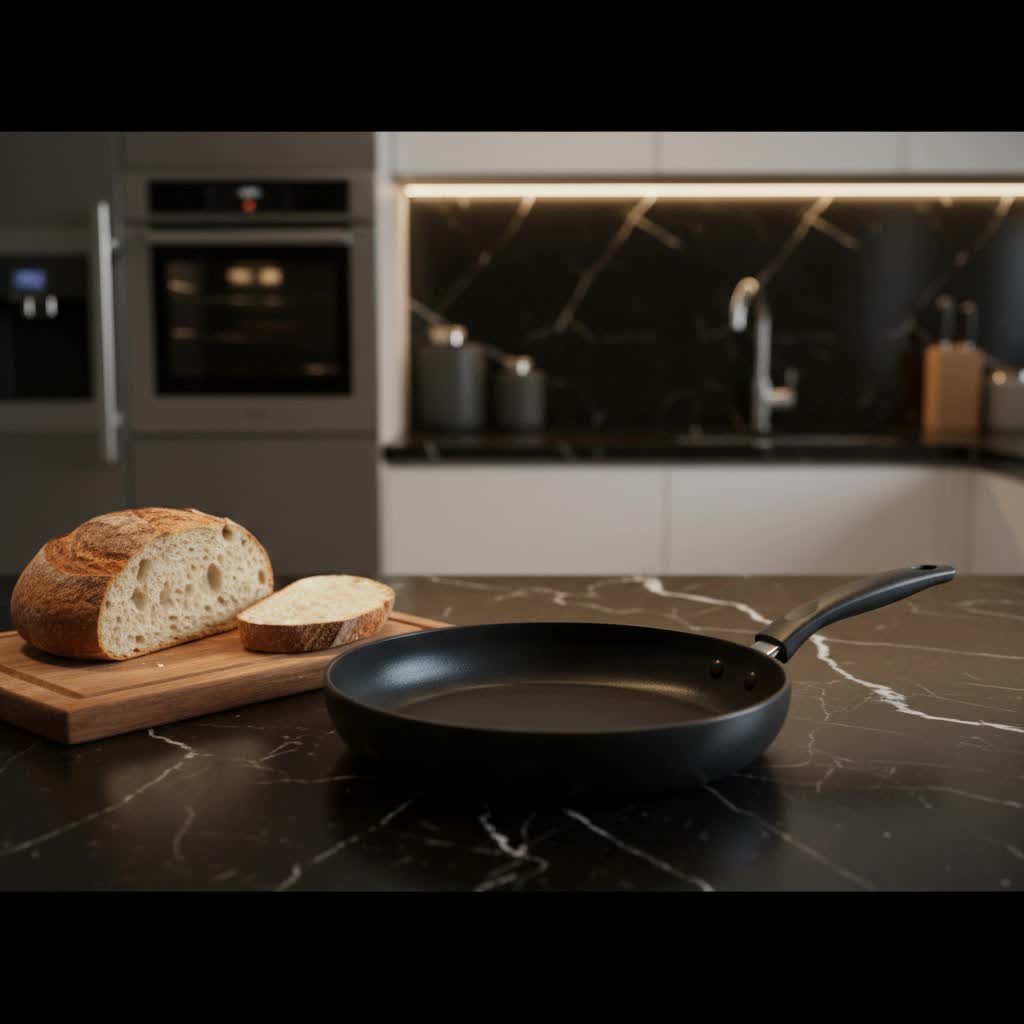
At its core, a nonstick pan is a piece of cookware engineered to prevent food from adhering to its cooking surface. While the pan’s base can be crafted from various materials like aluminum, stainless steel, or even ceramic, its nonstick properties come from a specially applied coating. The history of modern nonstick technology traces back to 1938 with the accidental discovery of polytetrafluoroethylene (PTFE) by Roy Plunkett at DuPont. Initially a military secret, PTFE, commonly known by the brand name Teflon, eventually revolutionized home cooking by making food release and cleanup remarkably easy.
The fundamental principle behind nonstick surfaces lies in their ability to reduce friction, repel water (hydrophobic), and remain non-reactive with acidic foods. These characteristics ensure that food cooks evenly and slides off effortlessly, requiring less oil or butter, which can contribute to healthier cooking.
Exploring the Diverse World of Nonstick Pan Materials and Coatings
Nonstick pans come in a fascinating array of designs, primarily differentiated by their core construction and the type of nonstick coating applied. Understanding these variations is key to choosing a pan that aligns with your cooking style and safety preferences.
Core Materials: The Foundation of Your Pan
The base material of a nonstick pan dictates its heat conductivity, weight, and overall durability.
- Aluminum: This is the most prevalent core material due to its excellent heat conductivity and lightweight nature. Aluminum pans heat up quickly and evenly, making them versatile for various cooking tasks. However, raw aluminum can be reactive with acidic foods, which is why it’s always coated or anodized.
- Stainless Steel: Known for its durability and resistance to corrosion, stainless steel pans are often heavier and thicker. As stainless steel isn’t the best heat conductor on its own, many nonstick stainless steel pans feature a multi-ply construction, sandwiching an aluminum or copper layer between stainless steel to enhance heat distribution.
- Hard-Anodized Aluminum: This material undergoes an electrochemical process that hardens aluminum, making it stronger than stainless steel and highly resistant to scratches and corrosion. Unlike applied coatings, the nonstick properties of hard-anodized aluminum are integrated into the pan’s surface itself, often making it more durable and resistant to chipping or flaking.
|
Our Picks for the Best Nonstick Pan in 2026
As an Amazon Associate I earn from qualifying purchases.
|
||
| Num | Product | Action |
|---|---|---|
| 1 | SENSARTE Nonstick Frying Pan Skillet, Swiss Granite Coating Omelette Pan, Healthy Stone Cookware Chef's Pan, PFOA Free (8/9.5/10/11/12.5 Inch) (9.5 Inch) |

|
| 2 | SENSARTE Nonstick Ceramic Frying Pan with Lid 8/9.5/10/11/12.5 Inch Omelet Pan Skillet, Free of Intentionally Added PFAS/PTFE Non-toxic Chef's Pan Induction Compatible Pan, Heat Resistant Handle |
|
| 3 | Amazon Basics Ceramic Nonstick Pots and Pans Cookware Set, Dishwasher & Oven Safe, Even Heating, 10-Piece Set, Copper Color |
|
| 4 | Amazon Basics Non Stick Kitchen Cookware 8-Piece Set, Non-Induction, Includes Pots and Pans, Black |
|
| 5 | CAROTE Nonstick Frying Pan Skillet,Non Stick Granite Fry Pan Egg Pan Omelet Pans, Stone Cookware Chef's Pan, PFOA Free,Induction Compatible(Classic Granite, 8-Inch) |
|
| 6 | Tramontina Professional 10-Inch Non Stick Frying Pan, Heavy-Gauge Aluminum Skillet with Reinforced Nonstick Coating, Red Handle, Dishwasher and Oven Safe |
|
| 7 | SENSARTE Nonstick Frying Pan Skillet with Lid, 12 Inch Large Deep Frying Pan, 5 Qt Non Stick Saute Pan with Cover, Induction Pan, Healthy Non Toxic Cooking Pan with Helper Handle, PFOA PFOS Free |
|
| 8 | Amazon Basics Non Stick Kitchen Cookware 15-Piece Set, Non-Induction, Includes Pots, Pans, and Utensils, Black |
|
| 9 | Non Stick Frying Pan, 8-inch Omelette Pan with Heat Dot Temperature Indicator, Healthy Non Toxic Egg Skillet with Heat-Resistant Handle, PFOA-Free, Dishwasher Safe, Compatible with All Cooktops |
|
| 10 | T-fal Ultimate Hard Anodized Nonstick Fry Pan Set 2 Piece, 10, 12 Inch, Oven Broiler Safe 400F, Cookware, Pots and Pans Set Non Stick, Kitchen Frying Pans, Cooking Skillets, Dishwasher Safe, Grey |
|
Nonstick Coatings: The Surface that Matters
The true magic of a nonstick pan lies in its coating. Here’s a breakdown of the most common types:
- PTFE (Teflon) Coatings:
- Pros: PTFE coatings offer exceptional food release and are generally affordable. They are highly effective for delicate foods like eggs and pancakes, making cleanup a breeze.
- Cons: The primary concern with PTFE is its potential to release harmful fumes if heated above 500°F (260°C), particularly if the pan is empty. While PFOA (perfluorooctanoic acid), a chemical previously used in manufacturing PTFE, has been largely phased out since 2015, some newer PTFE coatings may use other per- and polyfluoroalkyl substances (PFAS), often referred to as “forever chemicals,” which raise environmental and health concerns. PTFE coatings can also scratch and degrade over time, diminishing their nonstick properties and potentially becoming unsafe.
- Ceramic (Sol-Gel) Coatings:
- Pros: Marketed as a “greener” and “non-toxic” alternative, ceramic coatings are typically free of PFOA, PTFE, and other PFAS. They can generally withstand higher temperatures, often up to 700°F (370°C), making them a safer option for cooks who prefer higher heat. They also come in a wide range of attractive colors.
- Cons: While initially very effective, ceramic nonstick coatings tend to be less durable than PTFE and may lose their nonstick properties more quickly, sometimes lasting only 1-2 years with regular use. They are also prone to chipping if dropped or subjected to harsh abrasives.
- Titanium-Reinforced Coatings:
- Pros: Titanium is often integrated into nonstick coatings (both PTFE and ceramic-based) to enhance durability and scratch resistance. These pans are generally robust and safe, offering a longer lifespan for the nonstick surface.
- Cons: The term “titanium” can sometimes be a marketing tool, with some pans only containing a small amount of titanium or simply having a PTFE base with titanium particles. It’s essential to look for specific details on the coating’s composition.
- Granite (Stone-Derived) Coatings:
- Pros: These pans often boast an aesthetically pleasing speckled, stone-like appearance and can offer good nonstick performance.
- Cons: Many “granite” pans are essentially PTFE-based coatings with mineral particles to mimic stone. Consumers should verify if they are genuinely PTFE and PFAS-free if safety is a primary concern.
- Hybrid Coatings:
- Pros: Hybrid pans, such as those with a stainless steel hexagonal grid over a nonstick layer (e.g., HexClad), aim to combine the best of both worlds: the durability of stainless steel and the easy release of nonstick. They often allow for the use of metal utensils without damaging the coating and can achieve a better sear than traditional nonstick.
- Cons: These pans are typically more expensive and may not offer the same absolute “slide-off-the-pan” experience as a fresh PTFE coating.
Nonstick Pan Materials Comparison Table
| Material/Coating | Common Base Material | Nonstick Performance | Durability | Heat Tolerance (Approx.) | Safety Concerns | Price (General) | Pros | Cons |
|---|---|---|---|---|---|---|---|---|
| PTFE (Teflon) | Aluminum | Excellent | Good | Up to 500°F (260°C) | Fumes if overheated; some PFAS remain | Low-Medium | Superior food release; affordable; widely available | Temperature limits; PFOA history; PFAS concerns; coating degrades |
| Ceramic (Sol-Gel) | Aluminum | Very Good | Moderate | Up to 700°F (370°C) | Generally PFOA/PTFE/PFAS-free | Medium-High | Eco-friendly marketing; higher heat tolerance; vibrant colors | Nonstick fades faster; less durable; prone to chipping |
| Titanium-Reinforced | Aluminum, Stainless Steel | Excellent | Very Good | Varies by base coating | Generally safe (check base coating) | Medium-High | Enhanced scratch resistance; longer lifespan | Can be marketing term; true composition varies |
| Hard-Anodized | Aluminum | Good | Excellent | High | Minimal (part of pan, not applied coating) | Medium | Highly durable; scratch-resistant; non-reactive; high heat compatible | May not be as “slippery” as PTFE; requires proper seasoning initially |
| Hybrid (e.g., HexClad) | Stainless Steel, Aluminum | Very Good | Excellent | High (500°F+) | Minimal (check nonstick layer for PFAS if present) | High | Durable; metal utensil safe; good searing; induction compatible | Expensive; heavier; not as slick as fresh PTFE |
How to Choose the Right Nonstick Pan for Your Kitchen
Selecting the ideal nonstick pan involves more than just picking a color. Consider these factors to make a choice that truly meets your needs.
Assess Your Cooking Needs
- What do you cook most often? For delicate items like eggs, pancakes, or fish, a pan with superior food release (like PTFE or high-quality ceramic) is paramount. For searing or dishes requiring higher heat, hard-anodized or hybrid options might be better.
- How many people do you cook for? Smaller pans (16-20cm) are perfect for single servings or small families. Medium-sized pans (24-28cm) are the most popular for 2-4 people, while larger pans (30cm+) suit bigger families or entertaining.
- What is your budget? Nonstick pans range widely in price. PTFE-coated aluminum pans are often the most affordable upfront, while premium ceramic, titanium-reinforced, or hybrid options will cost more but may offer better durability and peace of mind.
- What kind of cooktop do you have? Ensure the pan is compatible with your stove, especially if you use an induction cooktop, which requires a magnetic base (often stainless steel).
Prioritize Material & Safety
- Health Concerns: If you are wary of “forever chemicals,” opt for pans explicitly marketed as PFOA-free, PTFE-free, and PFAS-free, typically ceramic-coated options. Always research the brand’s transparency regarding their coating composition.
- Durability vs. Cost: Be realistic about how long you expect your pan to last. If you want maximum longevity, consider hard-anodized or hybrid pans. If you prioritize initial nonstick performance and are okay with replacing pans more frequently, traditional PTFE or ceramic may suffice.
- Heat Capacity: If you frequently cook at high temperatures or transfer pans from stovetop to oven, choose materials like ceramic, hard-anodized aluminum, or hybrid pans that can safely withstand higher heat without degrading.
Evaluate Pan Quality & Design
- Nonstick Surface: Visually inspect the coating for any imperfections or scratches, even when new. More layers of coating generally indicate better quality and durability.
- Handles: Ensure the handle is securely attached, comfortable to grip, and remains cool to the touch during stovetop cooking (if not oven-safe).
- Pan Base: A flat, thick base promotes even heat distribution, preventing hot spots and ensuring consistent cooking results. For induction, confirm it has a magnetic base.
Choose Reputable Sources
Purchase your nonstick pans from established retailers, reputable kitchenware stores, or trusted online vendors. This ensures you receive authentic products and have access to customer support and warranty information.
Essential Tips for Using and Maintaining Nonstick Pans
Proper care is crucial for extending the life and maintaining the performance of your nonstick pan, regardless of its material.
Proper Usage for Longevity
- Use the Right Utensils: Always use wooden, silicone, or plastic utensils. Metal utensils can scratch and damage most nonstick coatings, leading to peeling and reduced performance. (Hybrid pans are often an exception.)
- Avoid High Heat: Most nonstick pans, especially those with PTFE coatings, perform best at low to medium heat. Overheating can damage the coating, potentially releasing fumes or causing it to degrade faster. Never preheat an empty nonstick pan for extended periods.
- Prevent Thermal Shock: Allow your pan to cool completely before washing it. Pouring cold water into a hot pan can cause the material to warp, affecting its flatness and cooking efficiency.
Effective Cleaning Practices
- Gentle Cleaning: Hand washing with a soft sponge or cloth and mild dish soap is highly recommended. Avoid abrasive scrubbers, steel wool, or harsh chemical cleaners, as these can strip or damage the nonstick surface.
- Thorough Drying: Always dry your nonstick pan completely after washing to prevent water spots and potential corrosion, especially on exposed edges or rivets.
Smart Storage Solutions
- Protect the Surface: To prevent scratches, avoid stacking nonstick pans directly on top of each other. Use pan protectors, paper towels, or felt liners between pans if stacking is necessary. Hanging pans can also be an excellent space-saving and protective storage method.
- Occasional Conditioning: For some ceramic or seasoned nonstick pans, lightly rubbing a small amount of cooking oil onto the clean, dry surface before storing can help maintain its nonstick properties.
Common Issues and How to Troubleshoot Them
Even with proper care, nonstick pans can encounter issues. Here’s how to address some common problems:
- Food Sticking: This is often the first sign that your nonstick coating is wearing out or has been damaged. It can also occur if the pan is not heated evenly, or if too little fat is used with certain types of nonstick. Consider if it’s time for a replacement or if changing your cooking habits (e.g., lower heat, more fat) might help.
- Coating Peeling or Scratching: This is usually a direct result of using metal utensils, abrasive cleaning, or stacking without protection. Once the coating begins to peel, the pan should be replaced as it can be unsafe to ingest flaked particles.
- Pan Warping: A warped pan (where the bottom is no longer flat) is often caused by thermal shock (rapid temperature changes) or manufacturing defects. A warped pan won’t sit evenly on the burner, leading to uneven heating and poor cooking results. High-quality pans are less prone to warping, but always avoid extreme temperature shifts.
Conclusion
The journey to finding the ideal nonstick pan involves understanding the intricate details of its construction, from the core metal to the innovative coatings that define its performance. Whether you prioritize the tried-and-true slickness of PTFE, the PFAS-free assurance of ceramic, or the robust durability of hard-anodized and hybrid options, an informed decision is your best ingredient for culinary success. By considering your cooking habits, safety preferences, and a pan’s care requirements, you can select cookware that not only makes cooking a joy but also lasts for many delicious meals to come.
What nonstick pan feature matters most to you in your kitchen?
Frequently Asked Questions
Are “PFOA-free” nonstick pans truly safe?
While PFOA has been phased out of nonstick pan manufacturing, “PFOA-free” does not necessarily mean “PFAS-free.” Many PTFE coatings now use other PFAS chemicals. For the most health-conscious choice, look for pans explicitly labeled as PFOA-free, PTFE-free, and PFAS-free, typically ceramic-coated cookware.
How often should I replace my nonstick pan?
The lifespan of a nonstick pan varies significantly by material and usage. PTFE pans generally last 3-5 years, while ceramic pans might need replacement every 1-2 years as their nonstick properties fade. Always replace a nonstick pan if its coating is visibly scratched, peeling, or if food begins to stick consistently, as a compromised surface can degrade performance and raise health concerns.
