Cooking eggs perfectly can be a delightful culinary art, but it often hinges on one crucial tool: the right nonstick pan. If you’ve ever wrestled with stubborn fried eggs, scraped off scrambled bits, or had an omelet tear apart, you understand the frustration a subpar pan can bring. With a market saturated with options, from various materials to diverse coatings and brands, selecting the ideal pan for your daily egg endeavors can feel overwhelming. This guide will cut through the clutter, offering expert insights into safety, durability, performance, and care, ensuring you find a nonstick pan that makes every egg dish a breeze to prepare and clean.
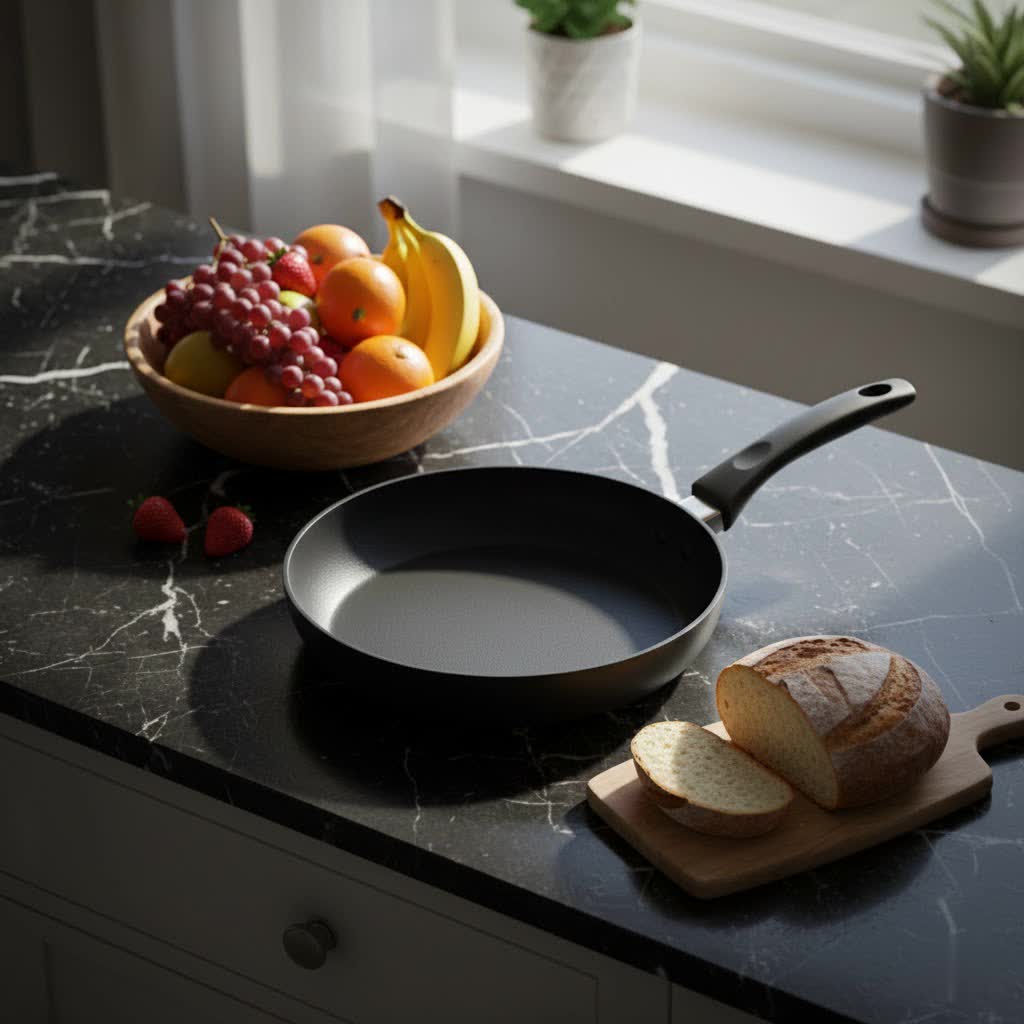
What Makes a Nonstick Pan Ideal for Eggs?
At its core, a nonstick pan is designed to prevent food from adhering to its cooking surface, making it an indispensable tool for preparing delicate foods like eggs. Its primary function is to facilitate easy food release and simplify cleanup, which is why it’s a favorite for everything from fluffy scrambled eggs to perfectly flipped fried eggs and intricate omelets.
The evolution of nonstick technology has come a long way since its inception. Early nonstick coatings revolutionized home cooking by reducing the need for excessive oils and fats. Over time, advancements have focused on enhancing durability, improving heat distribution, and, critically, addressing health and environmental concerns associated with certain chemicals. Today’s market offers a sophisticated range of nonstick options, each aiming to provide the ultimate egg-cooking experience with peace of mind.
Types of Nonstick Pans for Eggs
Understanding the different types of nonstick pans is key to making an informed choice for your egg-cooking needs. They vary significantly in material, coating, and overall performance.
By Material and Coating
-
PTFE (Polytetrafluoroethylene) Nonstick: Often known by the brand name Teflon, PTFE is a synthetic polymer renowned for its exceptionally slick, low-friction surface. Modern PTFE coatings are PFOA-free, addressing older health concerns. These pans offer superior nonstick performance, allowing eggs to glide effortlessly. However, they require careful use to avoid overheating (typically above 500-570°F or 260-300°C), which can cause the coating to degrade and release fumes. Damaged PTFE coatings should be replaced.
- Pros: Excellent nonstick properties, widely available, generally affordable.
- Cons: Can degrade at high temperatures, prone to scratching if not handled with care, some may still contain other PFAS compounds.
-
Ceramic Nonstick: These pans feature a ceramic-based coating, often marketed as a “green” or “non-toxic” alternative because they are typically free of PFOA and PFAS. Ceramic coatings provide good nonstick properties and excellent heat distribution, making them effective for even cooking. They are generally safe at higher temperatures than traditional PTFE, but sustained high heat can still diminish their nonstick performance over time. Low to medium heat is often recommended to preserve their surface.
- Pros: Often PFAS-free, good heat conduction, visually appealing.
- Cons: Less durable than PTFE over the long term, nonstick properties may degrade faster with frequent high-heat use.
-
Hard Anodized Aluminum: This material typically forms the base of many coated nonstick pans. Aluminum is treated through an electrochemical process to create a hardened, non-reactive surface that is more durable than untreated aluminum. While hard-anodized aluminum itself isn’t nonstick, it provides an excellent foundation for various nonstick coatings, offering good heat responsiveness and even heat distribution.
-
Carbon Steel: While not inherently nonstick like coated pans, a well-seasoned carbon steel pan can develop a remarkably slick, natural nonstick surface over time, making it suitable for eggs with proper care. Pans with specialized treatments, like nitrided carbon steel (e.g., Misen’s Carbon Nonstick), offer natural nonstick properties from day one without chemical coatings or a lengthy seasoning process. These pans are durable, can withstand high heat, and are often lighter than cast iron.
- Pros: Extremely durable, high heat tolerance, can be naturally nonstick, often lighter than cast iron.
- Cons: May require seasoning (unless specially treated), specific care routine.
-
Cast Iron: Similar to carbon steel, cast iron pans become nonstick through seasoning—layers of polymerized fat that create a natural, slick surface. They offer exceptional heat retention and are incredibly durable, often lasting generations. However, cast iron pans are heavy, require consistent seasoning maintenance, and aren’t as instantly nonstick as coated pans.
- Pros: Exceptional durability and heat retention, chemical-free nonstick with seasoning.
- Cons: Very heavy, requires significant seasoning and specific care, not instantly nonstick.
|
Our Picks for the Best Nonstick Pan in 2026
As an Amazon Associate I earn from qualifying purchases.
|
||
| Num | Product | Action |
|---|---|---|
| 1 | SENSARTE Nonstick Ceramic Frying Pan with Lid 8/9.5/10/11/12.5 Inch Omelet Pan Skillet, Free of Intentionally Added PFAS/PTFE Non-toxic Chef's Pan Induction Compatible Pan, Heat Resistant Handle |

|
| 2 | T-fal Ultimate Hard Anodized Nonstick Fry Pan Set 2 Piece, 10, 12 Inch, Oven Broiler Safe 400F, Cookware, Pots and Pans Set Non Stick, Kitchen Frying Pans, Cooking Skillets, Dishwasher Safe, Grey |
|
| 3 | Tramontina Professional 10-Inch Non Stick Frying Pan, Heavy-Gauge Aluminum Skillet with Reinforced Nonstick Coating, Red Handle, Dishwasher and Oven Safe |
|
| 4 | SENSARTE Nonstick Frying Pan Skillet with Lid, 12 Inch Large Deep Frying Pan, 5 Qt Non Stick Saute Pan with Cover, Induction Pan, Healthy Non Toxic Cooking Pan with Helper Handle, PFOA PFOS Free |
|
| 5 | SENSARTE Nonstick Frying Pan Skillet, Swiss Granite Coating Omelette Pan, Healthy Stone Cookware Chef's Pan, PFOA Free (8/9.5/10/11/12.5 Inch) (9.5 Inch) |
|
| 6 | Non Stick Frying Pan, 8-inch Omelette Pan with Heat Dot Temperature Indicator, Healthy Non Toxic Egg Skillet with Heat-Resistant Handle, PFOA-Free, Dishwasher Safe, Compatible with All Cooktops |
|
| 7 | Amazon Basics Non Stick Kitchen Cookware 15-Piece Set, Non-Induction, Includes Pots, Pans, and Utensils, Black |
|
| 8 | Amazon Basics Ceramic Nonstick Pots and Pans Cookware Set, Dishwasher & Oven Safe, Even Heating, 10-Piece Set, Copper Color |
|
| 9 | Amazon Basics Non Stick Kitchen Cookware 8-Piece Set, Non-Induction, Includes Pots and Pans, Black |
|
| 10 | CAROTE Nonstick Frying Pan Skillet,Non Stick Granite Fry Pan Egg Pan Omelet Pans, Stone Cookware Chef's Pan, PFOA Free,Induction Compatible(Classic Granite, 8-Inch) |
|
By Brand
Many reputable brands offer excellent nonstick pans for eggs, each with its unique selling points:
- Caraway: Known for its ceramic-coated pans that are often marketed as PFAS-free and aesthetically pleasing, offering good nonstick performance for eggs.
- Le Creuset: While famous for cast iron, their toughened nonstick PRO series (often hard-anodized aluminum with a nonstick coating) is highly regarded for durability and performance with eggs.
- Made In: Offers ProCoat nonstick pans and CeramiClad™ ceramic options, praised for performance and safety, including rigorous PFAS screening tests.
- Tramontina: Their professional aluminum nonstick fry pans consistently receive high marks for easy egg release, even heating, and durable coatings.
- Zwilling: The Madura Plus series features a durable granite nonstick coating over forged aluminum, providing excellent heat distribution and easy cleanup.
- All-Clad: Known for high-quality, bonded stainless steel with nonstick coatings (including PTFE) that offer superb heat conductivity and even heating for omelets and other egg dishes.
- Misen: Their Carbon Nonstick™ pans provide a coating-free, naturally nonstick nitrided carbon steel surface, offering a chemical-free alternative with durability and ease of use.
By Size
Choosing the right pan size depends on your household and cooking habits:
- Small (6-8 inches/16-20cm): Perfect for cooking one or two eggs, ideal for single servings, small omelets, or individual fried eggs. These are lightweight and easy to maneuver.
- Medium (9.5-11 inches/24-28cm): The most popular and versatile size, suitable for families of 2-4. It can handle 3-4 eggs comfortably, making it great for larger omelets, scrambles, or multiple fried eggs.
- Large (12 inches+/30cm+): Best for larger families or when cooking for guests. These pans can accommodate bigger batches of scrambled eggs, frittatas, or several fried eggs at once.
Navigating Nonstick Pan Safety: PFOA, PTFE, and PFAS
The safety of nonstick cookware has been a significant topic of discussion, primarily due to chemicals like PFOA, PTFE, and the broader category of PFAS. Understanding these terms is crucial for making healthy cooking choices.
Understanding the Chemicals
- PFOA (Perfluorooctanoic Acid): This “forever chemical” was historically used in the manufacturing of older nonstick coatings, particularly Teflon. Concerns arose due to its persistence in the environment and links to various health issues, including certain cancers and thyroid disorders. However, since 2013, PFOA has been phased out, and all reputable modern Teflon products are now PFOA-free.
- PTFE (Polytetrafluoroethylene): This is the actual nonstick coating material, known for its excellent low-friction surface. While PTFE is considered stable and non-toxic for everyday use, it belongs to the broader family of PFAS chemicals. The primary safety concern with PTFE arises when pans are overheated (above 500-570°F or 260-300°C), causing the coating to degrade and release fumes that can cause “polymer fume fever” (flu-like symptoms).
- PFAS (Per- and Polyfluoroalkyl Substances): This is an umbrella term for a large group of over 1,000 chemicals, including PFOA and PTFE. These are often called “forever chemicals” because they break down very slowly and can accumulate in the environment and human body, with potential links to immune dysfunction, hormone disruption, and other health concerns. Many consumers now seek “PFAS-free” cookware, which typically points to ceramic nonstick options.
Modern Safety Standards
Today’s nonstick cookware from reputable brands is generally considered safe when used correctly. The key is to avoid extreme overheating, which can cause both PTFE and ceramic coatings to degrade. Always ensure your nonstick pan is PFOA-free (which most modern pans are) and consider PFAS-free alternatives like ceramic or naturally nonstick treated carbon steel if you have concerns about the broader PFAS family. Using damaged nonstick pans with scratched or chipped coatings should also be avoided, as this can lead to the leaching of microplastics and chemicals into food.
Comparison Table: Nonstick Pan Materials
| Feature | PTFE (Teflon) Nonstick | Ceramic Nonstick | Carbon Steel (Nitrided/Seasoned) | Cast Iron (Seasoned) |
|---|---|---|---|---|
| Nonstick Performance | Excellent, very slick | Good to excellent, but can degrade | Develops over time, can be excellent | Develops over time, can be excellent |
| Durability | Good, but prone to scratching | Moderate, can degrade with high heat | Very high, lasts a lifetime | Extremely high, lasts generations |
| Heat Tolerance | Up to 500-570°F (260-300°C) | Good, but best at low-medium heat | Very high, often oven-safe to 1000°F+ | Very high, excellent heat retention |
| Safety Concerns | Releases fumes if overheated, PTFE is a PFAS | Generally PFAS-free, less durable coating | Generally chemical-free after treatment/seasoning | Chemical-free after seasoning |
| Maintenance | Hand wash, non-metal utensils | Hand wash, non-metal utensils | Hand wash, occasional seasoning/conditioning | Hand wash, regular seasoning |
| Weight | Lightweight | Lightweight to moderate | Moderate (lighter than cast iron) | Very heavy |
| Price Range | Low to medium | Medium to high | Medium to high | Low to medium |
| Best For Eggs | Instant, effortless release | Healthy cooking, even heat | Natural nonstick, high-heat cooking | Excellent heat for consistent results |
How to Choose the Best Nonstick Pan for Your Eggs
Selecting the perfect nonstick pan for eggs involves a blend of understanding your personal cooking style and recognizing quality features.
Assess Your Cooking Habits and Needs
Begin by reflecting on how you typically cook eggs:
- What dishes do you make most often? If you frequently make delicate omelets or fried eggs, a pan with exceptional, instant nonstick release (like PTFE or ceramic) might be your top priority. For scrambles or frittatas that require a bit more stirring and browning, a more robust surface might be suitable.
- How many people do you cook for? As discussed, pan size (8-inch for individuals, 10-11-inch for small families, 12-inch+ for larger groups) directly impacts convenience.
- What’s your budget? Nonstick pans range widely in price. Determine what you’re willing to invest, keeping in mind that higher price often correlates with better durability and performance.
Prioritize Material and Safety
Given the information on PFOA, PTFE, and PFAS, decide which material aligns with your health and environmental preferences. If chemical-free cooking is paramount, consider ceramic nonstick or a properly seasoned carbon steel pan. If you prioritize maximum nonstick performance and are mindful of heat limits, modern PFOA-free PTFE pans are excellent. Always look for certifications or clear labeling regarding “PFOA-free” or “PFAS-free” claims.
Check Key Quality Features
Beyond the coating, several design elements contribute to a pan’s overall quality and usability:
- Heat Distribution: A good pan will heat evenly across its surface, preventing hot spots that can burn eggs. Materials like aluminum cores (often found in PTFE and ceramic pans) and multi-ply construction (like in some All-Clad models) are excellent for this.
- Handle Comfort and Durability: Look for a sturdy, ergonomic handle that stays cool on the stovetop. Silicone-wrapped or well-insulated stainless steel handles provide a comfortable and safe grip, especially when tilting or moving the pan.
- Pan Weight: For easy flipping and maneuvering of eggs, a pan that isn’t too heavy is often preferred. Aluminum or carbon steel pans tend to be lighter than cast iron.
- Rim Design: A rounded or gently sloped rim can make it easier to slide eggs directly from the pan onto a plate without using a spatula.
- Oven Safety: If you plan to finish dishes like frittatas in the oven, check the pan’s maximum oven-safe temperature.
Where to Buy
Purchase nonstick pans from reputable retailers, whether large department stores, specialized kitchenware shops, or trusted online platforms. This ensures you receive authentic products with reliable warranties and accurate information about their materials and safety standards.
Mastering Your Nonstick Pan: Usage and Care Tips
The longevity and performance of your nonstick pan, especially for eggs, largely depend on how you use and maintain it.
Cooking Techniques for Perfect Eggs
- Moderate Heat is Key: Avoid using high heat. Eggs cook best on low to medium heat, which also protects the nonstick coating from degrading. High heat can damage the surface and cause food to stick.
- Add Fat to a Cool Pan: For optimal nonstick performance and flavor, add a small amount of butter or oil (like avocado, grapeseed, or sesame oil, which have high smoke points) to a cool pan before heating. This boosts the coating’s efficacy and prevents the oil from breaking down too quickly. Avoid aerosol cooking sprays, as they can leave a residue that eventually makes the pan sticky.
- Choose the Right Utensils: Metal utensils are the archenemy of nonstick coatings. Always opt for silicone, wooden, or heat-resistant plastic spatulas and turners to prevent scratches and prolong the pan’s life.
- Avoid Preheating Empty: Never preheat an empty nonstick pan. Without food or liquid, the pan can reach dangerously high temperatures rapidly, potentially damaging the coating and releasing fumes, especially with PTFE pans.
Cleaning for Longevity
Proper cleaning is vital to maintain the integrity of your nonstick surface:
- Cool Down First: Always allow your pan to cool completely before washing it. Plunging a hot pan into cold water can cause thermal shock, leading to warping and damaging the coating.
- Hand Wash is Best: While some nonstick pans claim to be dishwasher-safe, hand washing is almost always recommended to extend the life of the nonstick coating. Dishwasher detergents can be abrasive, and high temperatures can accelerate wear.
- Gentle Cleaning: Use a mild dish soap and a soft sponge or cloth. Avoid abrasive scrubbers like steel wool or harsh cleaning agents, as they will scratch the delicate nonstick surface.
- Stubborn Grime: For occasional cooked-on messes, soak the pan in warm, soapy water for 15-30 minutes. A paste of equal parts baking soda and water can be gently applied and scrubbed with a soft sponge for more persistent residue.
- Dry Thoroughly: Ensure the pan is completely dry before storing to prevent water spots or potential rust, especially for carbon steel or cast iron.
Smart Storage Solutions
Protecting your nonstick pan in storage is as important as protecting it during cooking:
- Avoid Stacking: If possible, store nonstick pans separately or hang them to prevent scratches from other cookware.
- Use Pan Protectors: If stacking is unavoidable, place pan protectors, felt pads, paper towels, or a soft cloth between pans to create a buffer and prevent direct contact that could damage the coating.
Troubleshooting Common Nonstick Pan Problems
Even with the best care, nonstick pans can encounter issues. Knowing how to address them can save you frustration and prolong your pan’s usability.
- Food Sticking:
- Cause: Coating degradation from high heat, scratches, residue buildup (from cooking sprays), or insufficient fat.
- Fix: Ensure you’re cooking on low to medium heat. If using oil, add it to a cool pan. Clean thoroughly to remove any residue. If the coating is visibly damaged or heavily worn, it’s likely time for a replacement. For carbon steel/cast iron, re-seasoning is the solution.
- Losing Nonstick Properties:
- Cause: Overheating, abrasive cleaning, using metal utensils, or simply natural wear over time.
- Fix: Review your cooking and cleaning habits. For ceramic pans, sometimes a gentle scrub with baking soda can help revitalize the surface by removing invisible buildup. For coated pans nearing the end of their lifespan (typically 2-5 years depending on use), replacement is often the only effective solution.
- Coating Deterioration (Peeling, Flaking, Bubbling):
- Cause: Extreme overheating, manufacturing defect, or extensive wear and tear.
- Fix: This is a sign that the pan needs to be replaced immediately. Using a pan with a peeling or flaking coating can introduce unwanted materials into your food.
- Pan Warping or Bending:
- Cause: Thermal shock (sudden temperature changes, like plunging a hot pan into cold water) or manufacturing defects.
- Fix: Warping is usually irreversible. To prevent it, always let your pan cool down naturally before washing. A warped pan will not sit flat on the burner, leading to uneven heating and poor cooking results, meaning it should be replaced.
Conclusion
Choosing the best nonstick pan for eggs is an investment in countless effortless breakfasts and delicious meals. By understanding the nuances of different materials like PTFE, ceramic, and carbon steel, prioritizing safety standards like PFOA/PFAS-free options, and adopting proper usage and care techniques, you can find a durable, high-performing pan that meets your specific needs. Remember, the right nonstick pan is more than just a piece of cookware; it’s a partner in your culinary journey, ensuring your eggs always slide effortlessly from pan to plate.
What type of nonstick pan will elevate your egg game to the next level?
Frequently Asked Questions
Are PFOA-free nonstick pans truly safe?
Yes, modern nonstick pans labeled “PFOA-free” are generally considered safe for everyday cooking. PFOA, a chemical linked to health concerns, has been phased out of manufacturing since 2013. However, it’s still crucial to use these pans properly, avoiding extreme overheating (above 500-570°F or 260-300°C) to prevent the release of fumes from the PTFE coating.
How long does a nonstick pan typically last?
The lifespan of a nonstick pan varies greatly depending on the material, quality, and care. PTFE and ceramic coated pans typically last 2-5 years with regular use and proper maintenance. Hard-anodized aluminum bases can last up to 10 years or more, while well-cared-for carbon steel and cast iron pans can last a lifetime, or even generations, as their nonstick properties improve with seasoning.
Can I use metal spatulas on nonstick pans?
Generally, no. Most nonstick coatings, including PTFE and ceramic, are delicate and can be easily scratched by metal utensils. Always use spatulas made from silicone, wood, or heat-resistant plastic to protect the nonstick surface and extend your pan’s life. Some specialized carbon steel pans, like nitrided versions, may be an exception.
Is ceramic nonstick better than Teflon (PTFE) for eggs?
Ceramic nonstick is often favored by those seeking PFAS-free options and is generally more tolerant of higher heat than traditional PTFE without releasing harmful fumes. It offers good nonstick performance and even heating. However, PTFE often provides a slicker, longer-lasting nonstick surface if used within recommended temperature limits and properly cared for. The “better” choice depends on your priorities regarding chemical exposure and long-term durability.
What size nonstick pan is best for a single person making eggs?
For a single person preparing eggs, an 8-inch (20cm) nonstick pan is typically ideal. This size is perfect for one or two fried eggs, a small omelet, or a scramble. It heats up quickly, is easy to handle, and minimizes cleanup. If you occasionally cook for two, a 9.5-inch pan offers a bit more versatility.
