The allure of a perfectly cooked meal that slides effortlessly from the pan is undeniable, but the traditional nonstick cookware often comes with a hidden cost: concerns about potentially harmful chemicals. In a world increasingly focused on health and sustainability, choosing a Nontoxic Nonstick Pan has become a top priority for home cooks. This guide is designed to cut through the confusion, offering clear insights into what makes a nonstick pan truly safe, exploring the best materials, and providing practical advice for selecting and caring for your cookware.
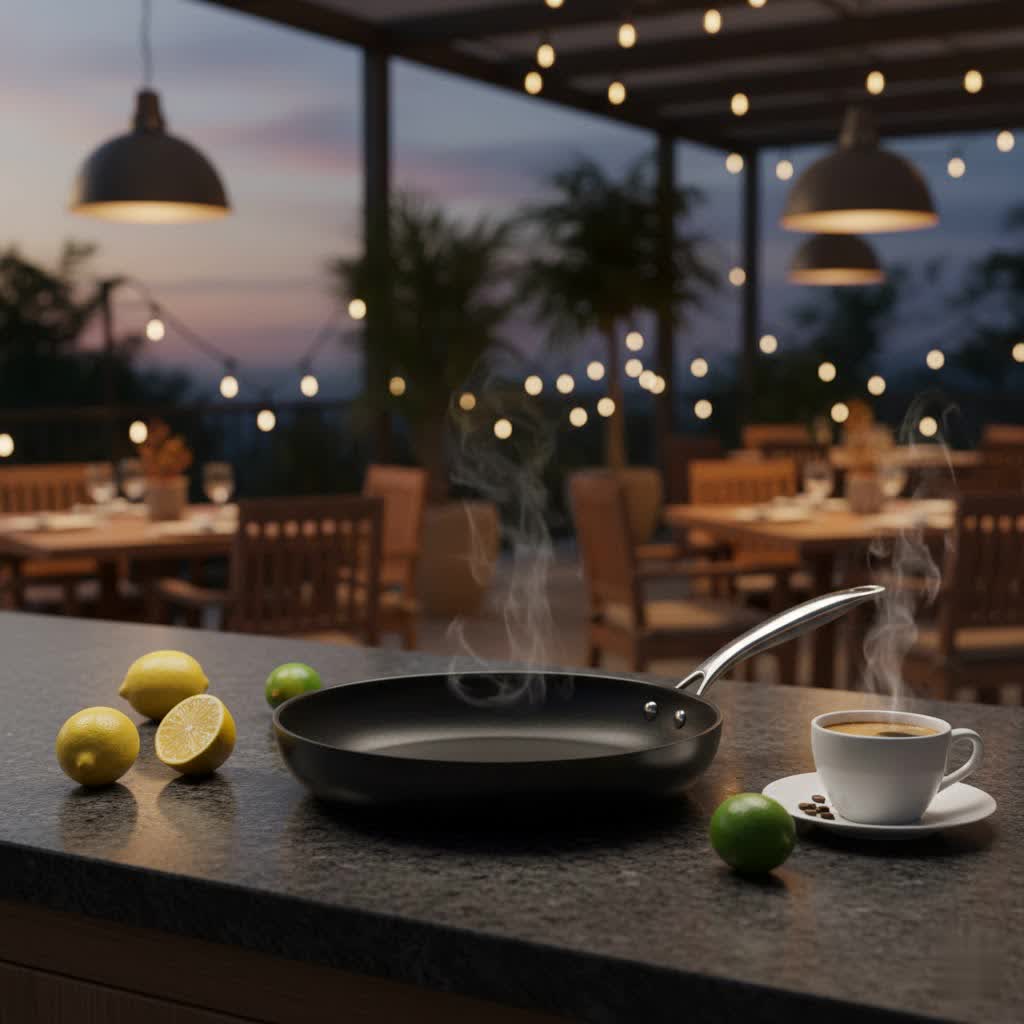
What is a Nontoxic Nonstick Pan?
A nontoxic nonstick pan is specifically engineered to provide an easy-release cooking surface without relying on per- and polyfluoroalkyl substances (PFAS), including older compounds like perfluorooctanoic acid (PFOA) and polytetrafluoroethylene (PTFE), commonly known as Teflon. Historically, many nonstick coatings contained these “forever chemicals,” which have raised health and environmental concerns due to their persistence and potential health impacts when pans are overheated or damaged. The shift towards nontoxic options addresses these worries by utilizing alternative materials and technologies that ensure safe food preparation, even at higher temperatures or with regular use. These modern pans aim to deliver the convenience of nonstick cooking with peace of mind.
Common Types of Nontoxic Nonstick Pans
The market for nontoxic nonstick cookware offers a variety of materials, each with unique characteristics, advantages, and considerations. Understanding these differences is key to making an informed choice for your kitchen.
By Material:
- Ceramic (Ceramic-Coated): These pans feature a mineral-based nonstick layer, typically derived from silicon dioxide (sand). They are celebrated for being free from PFAS, PFOA, lead, and cadmium. Ceramic-coated pans offer excellent nonstick performance and are often oven-safe and aesthetically pleasing. However, their durability can vary, with coatings susceptible to scratching or diminishing over time, especially with improper use or high heat. Brands like GreenPan (with Thermolon) and Caraway are prominent in this category.
- Cast Iron: A time-honored choice, properly seasoned cast iron offers a naturally nonstick surface that improves with use. It’s incredibly durable, retains heat exceptionally well, and can even fortify food with small amounts of iron. While heavy and requiring specific seasoning and care to prevent rust, a well-maintained cast iron pan can last for generations. Lodge is a well-known manufacturer of quality cast iron.
- Carbon Steel: Lighter than cast iron and quicker to heat, carbon steel also develops a natural nonstick seasoning over time. It’s highly durable and favored by professional chefs for its versatility, handling high heat for searing and frying. Similar to cast iron, it requires seasoning and careful maintenance to preserve its nonstick properties and prevent corrosion. Some modern carbon steel pans, like those from Misen, use nitriding for an enhanced initial nonstick surface.
- Stainless Steel (with Non-Toxic Coating or Hybrid): While traditional stainless steel is not naturally nonstick, it’s highly durable, non-reactive, and an excellent conductor of heat. Some manufacturers integrate non-toxic nonstick coatings onto a stainless steel base, or create hybrid designs, offering the best of both worlds. All-Clad offers high-quality stainless steel options, and some GreenPan models combine stainless steel with ceramic coatings.
- Titanium (as a Coating or Integrated Layer): Titanium is frequently used to reinforce other nonstick coatings, enhancing their durability and scratch resistance. It can also be integrated into the pan’s surface to create a robust and often PFAS-free nonstick cooking experience. Our Place, with its Titanium Pro series, exemplifies cookware leveraging titanium for performance and safety.
- 100% Ceramic/Stoneware: Cookware made entirely from ceramic or stoneware is completely inert and free from any metal leaching. These pieces are often oven and microwave safe. However, they can be more fragile than metal-based cookware and may not conduct heat as efficiently or evenly.
|
Our Picks for the Best Nonstick Pan in 2026
As an Amazon Associate I earn from qualifying purchases.
|
||
| Num | Product | Action |
|---|---|---|
| 1 | Amazon Basics Non Stick Kitchen Cookware 8-Piece Set, Non-Induction, Includes Pots and Pans, Black |

|
| 2 | SENSARTE Nonstick Frying Pan Skillet, Swiss Granite Coating Omelette Pan, Healthy Stone Cookware Chef's Pan, PFOA Free (8/9.5/10/11/12.5 Inch) (9.5 Inch) |
|
| 3 | Amazon Basics Non Stick Kitchen Cookware 15-Piece Set, Non-Induction, Includes Pots, Pans, and Utensils, Black |
|
| 4 | SENSARTE Nonstick Ceramic Frying Pan with Lid 8/9.5/10/11/12.5 Inch Omelet Pan Skillet, Free of Intentionally Added PFAS/PTFE Non-toxic Chef's Pan Induction Compatible Pan, Heat Resistant Handle |
|
| 5 | Non Stick Frying Pan, 8-inch Omelette Pan with Heat Dot Temperature Indicator, Healthy Non Toxic Egg Skillet with Heat-Resistant Handle, PFOA-Free, Dishwasher Safe, Compatible with All Cooktops |
|
| 6 | T-fal Ultimate Hard Anodized Nonstick Fry Pan Set 2 Piece, 10, 12 Inch, Oven Broiler Safe 400F, Cookware, Pots and Pans Set Non Stick, Kitchen Frying Pans, Cooking Skillets, Dishwasher Safe, Grey |
|
| 7 | SENSARTE Nonstick Frying Pan Skillet with Lid, 12 Inch Large Deep Frying Pan, 5 Qt Non Stick Saute Pan with Cover, Induction Pan, Healthy Non Toxic Cooking Pan with Helper Handle, PFOA PFOS Free |
|
| 8 | Amazon Basics Ceramic Nonstick Pots and Pans Cookware Set, Dishwasher & Oven Safe, Even Heating, 10-Piece Set, Copper Color |
|
| 9 | CAROTE Nonstick Frying Pan Skillet,Non Stick Granite Fry Pan Egg Pan Omelet Pans, Stone Cookware Chef's Pan, PFOA Free,Induction Compatible(Classic Granite, 8-Inch) |
|
| 10 | Tramontina Professional 10-Inch Non Stick Frying Pan, Heavy-Gauge Aluminum Skillet with Reinforced Nonstick Coating, Red Handle, Dishwasher and Oven Safe |
|
Comparison of Nontoxic Nonstick Pan Materials
Choosing the best nontoxic nonstick pan depends on a balance of factors including safety, durability, performance, and maintenance. Here’s a comparative overview of the most popular materials:
| Feature | Ceramic-Coated | Cast Iron | Carbon Steel | Stainless Steel (Hybrid/Coated) | Titanium (Integrated/Coating) |
|---|---|---|---|---|---|
| Safety | PFAS-, PFOA-, Lead-, Cadmium-free | Naturally inert (when seasoned) | Naturally inert (when seasoned/nitrided) | Base metal safe; coating must be PFAS-free | Base metal safe; coating must be PFAS-free |
| Durability | Varies; coating can degrade/scratch over time | Excellent; lasts generations with care | Excellent; very durable with proper seasoning | Excellent; highly resistant to damage | Excellent; very scratch-resistant and strong |
| Nonstick Performance | Good initially; may decrease with age | Excellent when well-seasoned | Excellent when well-seasoned | Relies on coating; not naturally nonstick | Good, often enhances other nonstick coatings |
| Heat Tolerance | Moderate-High (up to 450-600°F) | Very High | Very High | High | High |
| Maintenance | Hand wash recommended; avoid high heat | Requires seasoning; hand wash | Requires seasoning; hand wash | Easy to clean; usually dishwasher safe (base) | Easy to clean; hand wash for coating longevity |
| Price Range | Mid-High | Low-Mid | Mid-High | Mid-High | High |
| Pros | Lightweight, wide color options, easy cleanup | Superior heat retention, adds iron | Lightweight, quick heating, chef-preferred | Durable, non-reactive, versatile | Extreme durability, scratch resistance |
| Cons | Nonstick can wear off, less durable | Heavy, requires seasoning, prone to rust | Requires seasoning, prone to rust | Not naturally nonstick, often more expensive | Often used as reinforcement, not standalone |
How to Choose the Right Nontoxic Nonstick Pan
Selecting the ideal nontoxic nonstick pan involves a thoughtful assessment of your culinary habits, safety priorities, and practical needs.
Assess Your Cooking Needs:
Consider what you cook most frequently. Do you make delicate items like eggs and pancakes that demand superior nonstick properties, or do you often sear meats and vegetables at higher temperatures? Your family size will also dictate the pan’s dimensions – a 10-12 inch skillet is versatile for most households, while smaller or larger pans serve specific purposes. Additionally, verify compatibility with your stovetop (gas, electric, induction) and if oven-safe features are important for your cooking style. Lastly, establish a realistic budget, as prices can vary significantly between materials and brands.
Prioritize Material Safety and Durability:
When scrutinizing labels, actively seek out “PFAS-free” rather than simply “PFOA-free.” While PFOA has been phased out, many contemporary nonstick coatings still contain other PFAS chemicals, including PTFE. True nontoxic options will explicitly state they are free of the entire PFAS family. Think about how long you expect the pan to last. Ceramic-coated pans offer excellent initial nonstick properties but may require replacement every few years, whereas seasoned cast iron or carbon steel can last a lifetime with proper care.
Check for Quality and Certifications:
A well-constructed pan should feel balanced and sturdy, with a comfortable, heat-resistant handle. Inspect the nonstick surface for any imperfections. Look for independent third-party certifications or assurances of safety, such as FDA approval for the materials used, which can provide an extra layer of trust. Brands that are transparent about their manufacturing processes and materials tend to be more reliable.
Choose Mua Tại Địa Điểm Uy Tín:
Purchasing from reputable retailers, whether large department stores, specialized kitchenware shops, or established online platforms, ensures you receive authentic products and have access to customer support and warranty services if needed. These vendors are more likely to stock high-quality, verified nontoxic options.
Tips for Using and Maintaining Nontoxic Nonstick Pans
Proper use and meticulous care are crucial for extending the lifespan and preserving the nonstick performance of your nontoxic cookware, especially for ceramic-coated varieties.
Proper Use:
- Mind the Heat: For most nontoxic nonstick pans, particularly ceramic-coated ones, cooking on low to medium heat is recommended. High heat can damage the nonstick layer, causing it to degrade or lose its effectiveness prematurely.
- Utensil Choice: Always use silicone, wood, or plastic utensils. Metal utensils can scratch and compromise the nonstick surface, leading to flaking and reduced performance.
- Avoid Thermal Shock: Never plunge a hot pan into cold water. Rapid temperature changes can warp the pan or damage the nonstick coating. Allow the pan to cool completely before washing.
- Use Fats Wisely: A small amount of oil or butter is generally sufficient. Avoid aerosol cooking sprays, as they can leave a residue that builds up over time and degrades the nonstick surface.
Cleaning:
- Gentle Hand Washing: The safest method for cleaning most nontoxic nonstick pans is hand washing with warm, soapy water and a soft sponge or cloth. This prevents abrasive damage.
- No Harsh Cleaners: Steer clear of abrasive cleaners, scouring pads, or steel wool, which can scratch the coating. For stubborn food residue, soak the pan in warm, soapy water for a few minutes to loosen it before gently wiping clean.
- For Seasoned Pans: Cast iron and carbon steel require specific seasoning and cleaning methods that differ from coated pans. Typically, they should be scrubbed with hot water (without soap if possible) and a stiff brush, then thoroughly dried and re-seasoned with a thin layer of oil.
Storage:
- Protect the Surface: When storing your pans, particularly stacked, place felt pan protectors or soft cloths between them to prevent scratches and chips to the nonstick surface.
- Hang if Possible: Hanging pans can also be an excellent way to prevent accidental damage from stacking.
- Maintain Seasoning (for Cast Iron/Carbon Steel): Ensure seasoned pans are dry and lightly oiled before storage to prevent rust.
Common Issues and Troubleshooting
Even with the best intentions, you might encounter some common issues with your nontoxic nonstick pans. Knowing how to address them can help extend their life and maintain performance.
- Food Sticking: If food begins to stick, it could be due to several factors. For ceramic-coated pans, it might indicate that the nonstick layer is degrading, often from consistent overheating or improper cleaning. Ensure you’re cooking on low-to-medium heat and using enough fat. For seasoned cast iron or carbon steel, increased sticking usually means the seasoning layer needs to be restored or re-established.
- Coating Peeling/Scratching: This is most commonly caused by using metal utensils, abrasive cleaning tools, or exposing the pan to extremely high temperatures that break down the coating. Unfortunately, once a ceramic coating is significantly scratched or peeled, its nonstick properties are compromised, and the pan may need replacement.
- Pan Warping: Warping, where the bottom of the pan becomes uneven, is typically a result of thermal shock—exposing a hot pan to cold water. Always allow your pan to cool gradually before washing to prevent this from happening. A warped pan will not heat evenly, affecting cooking performance.
Conclusion
Embracing nontoxic nonstick pans is a commitment to healthier cooking and a more sustainable kitchen. By understanding the concerns surrounding traditional nonstick coatings and exploring the safe, innovative materials available today, you can make an informed choice that aligns with your values. Whether you opt for the modern convenience of ceramic coatings, the timeless durability of seasoned cast iron, or the versatile performance of carbon steel, prioritizing materials free from PFAS, PFOA, and PTFE is paramount. Remember that proper usage, gentle cleaning, and careful storage are not just recommendations—they are essential practices to ensure your nontoxic nonstick pan remains a reliable and safe partner in creating delicious meals for years to come. What nontoxic material will revolutionize your cooking experience next?
Frequently Asked Questions
Are ceramic pans truly non-toxic?
Yes, ceramic-coated pans are generally considered non-toxic if they are explicitly labeled as PFAS-free, PFOA-free, lead-free, and cadmium-free. Their nonstick layer is typically derived from natural sand (silicon dioxide), offering a safer alternative to traditional fluoropolymer coatings without releasing harmful chemicals when used correctly.
What is the safest nonstick coating?
The safest nonstick options include ceramic-coated pans that are verified PFAS-free, as well as naturally nonstick seasoned cast iron and carbon steel. These materials avoid the use of “forever chemicals” and offer reliable cooking surfaces when properly maintained.
Can I put my nonstick pan in the dishwasher?
While some manufacturers claim their nonstick pans are dishwasher safe, it’s generally not recommended for the longevity of the nonstick coating. The harsh detergents and high heat in dishwashers can degrade the nonstick surface over time, making hand washing with a soft sponge and mild soap the preferred method to preserve performance.
How long do nonstick pans last?
The lifespan of nonstick pans varies significantly by material and care. Ceramic-coated pans typically last anywhere from 1 to 5 years before their nonstick properties diminish. In contrast, well-maintained seasoned cast iron and carbon steel pans can last for decades, often becoming heirloom pieces.
What is PFAS, PFOA, and PTFE?
PFAS (Per- and Polyfluoroalkyl Substances) are a group of synthetic chemicals often called “forever chemicals” due to their persistence in the environment and human body. PFOA (Perfluorooctanoic Acid) was a specific type of PFAS used in the manufacturing of nonstick coatings, largely phased out due to health concerns. PTFE (Polytetrafluoroethylene), commonly known as Teflon, is another type of PFAS still used as a nonstick coating, though newer versions are PFOA-free, concerns remain about its stability at high temperatures.
