Navigating the vast world of cookware can be daunting, especially when upgrading to an induction stovetop. You might wonder if your beloved nonstick pans will even work, or how to choose a new one that perfectly combines the ease of nonstick cooking with the efficiency of induction. The market is flooded with options, from varying materials and brands to diverse price points, making it easy to feel overwhelmed. This comprehensive guide is here to empower you with the knowledge and confidence to select the ideal nonstick induction pan, ensuring delicious, effortless meals every day.
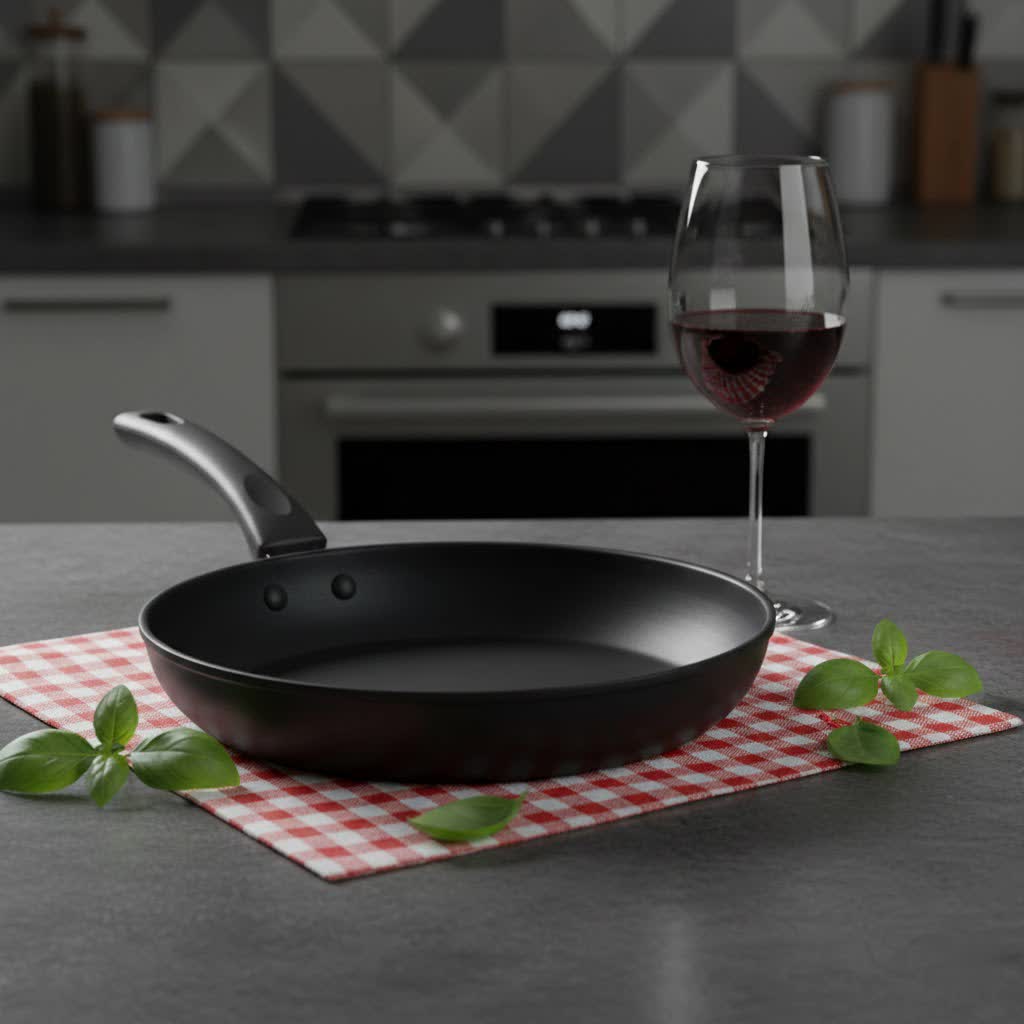
What is a Nonstick Pan, and How Does It Work with Induction?
A nonstick pan is a staple in many kitchens, prized for its ability to release food easily and simplify cleanup. Historically, these pans gained popularity with the introduction of coatings like Teflon (PTFE), which create a low-friction surface that prevents food from adhering. This innovation revolutionized cooking, making everything from delicate omelets to flaky fish a breeze.
Induction cooking, on the other hand, represents a modern advancement in kitchen technology. Unlike traditional gas or electric coil stoves that generate heat externally, induction cooktops use electromagnetic fields to directly heat ferromagnetic cookware. This means that only pots and pans with magnetic properties will heat up, leading to incredibly fast, precise, and energy-efficient cooking. For a nonstick pan to be induction compatible, it must incorporate a magnetic material in its base. Typically, this is achieved by bonding a layer of magnetic stainless steel or cast iron to the pan’s aluminum body, allowing it to interact with the induction field and heat efficiently.
Popular Types of Nonstick Induction Pans
The landscape of nonstick induction cookware is diverse, offering options tailored to various preferences and budgets. Understanding the different types based on material, brand, and size is key to making an informed decision.
By Material
The core of a nonstick pan’s performance and durability often lies in its coating and base material.
-
PTFE (Polytetrafluoroethylene) – Often known by brand name Teflon:
- Pros: Renowned for superior nonstick properties, excellent food release, and typically more affordable. Modern PTFE coatings are often reinforced for increased durability.
- Cons: Can be susceptible to scratching and may degrade at very high temperatures (above 500°F or 260°C), potentially releasing fumes. Health concerns regarding PFOA have led to its elimination in newer coatings, but care is still needed to avoid overheating.
- Induction Compatibility: Requires a magnetic base (e.g., stainless steel plate) to function on induction cooktops, as PTFE itself is not magnetic.
-
Ceramic:
- Pros: Often marketed as “green” or “healthy” due to being free from PFAS, PFOA, lead, and cadmium. They offer good nonstick performance initially, excellent heat resistance, and are aesthetically pleasing.
- Cons: Generally less durable than PTFE over the long term, with nonstick properties often diminishing faster. Can be more prone to sticking if not properly cared for or if exposed to rapid temperature changes.
- Induction Compatibility: Like PTFE, ceramic coatings are non-magnetic. These pans must have a magnetic stainless steel or cast iron base to work on induction cooktops.
-
Titanium-reinforced Coatings:
- Pros: Titanium is often integrated into PTFE or ceramic coatings to enhance their durability and scratch resistance. This makes the nonstick surface tougher and more resilient to daily use.
- Cons: While improving durability, it doesn’t make the coating indestructible. The cost can be higher than basic nonstick pans.
- Induction Compatibility: The nonstick layer itself isn’t magnetic, so the pan still needs a ferromagnetic base. Some high-end titanium pans feature fully-clad tri-ply construction with a stainless steel exterior, ensuring compatibility.
-
Stone-Coated (Granite/Marble-effect):
- Pros: Offers an attractive, speckled appearance and often provides good heat distribution. Many are marketed as PFOA-free.
- Cons: The “stone” effect is typically a reinforced nonstick coating, not actual stone. Its durability and safety depend heavily on the underlying nonstick material (which can be PTFE-based). Users must verify if it’s genuinely free of concerning chemicals and if it has a magnetic base for induction.
- Induction Compatibility: Essential to confirm a magnetic base.
|
Our Picks for the Best Nonstick Pan in 2026
As an Amazon Associate I earn from qualifying purchases.
|
||
| Num | Product | Action |
|---|---|---|
| 1 | Amazon Basics Non Stick Kitchen Cookware 8-Piece Set, Non-Induction, Includes Pots and Pans, Black |

|
| 2 | CAROTE Nonstick Frying Pan Skillet,Non Stick Granite Fry Pan Egg Pan Omelet Pans, Stone Cookware Chef's Pan, PFOA Free,Induction Compatible(Classic Granite, 8-Inch) |
|
| 3 | SENSARTE Nonstick Frying Pan Skillet with Lid, 12 Inch Large Deep Frying Pan, 5 Qt Non Stick Saute Pan with Cover, Induction Pan, Healthy Non Toxic Cooking Pan with Helper Handle, PFOA PFOS Free |
|
| 4 | SENSARTE Nonstick Frying Pan Skillet, Swiss Granite Coating Omelette Pan, Healthy Stone Cookware Chef's Pan, PFOA Free (8/9.5/10/11/12.5 Inch) (9.5 Inch) |
|
| 5 | Tramontina Professional 10-Inch Non Stick Frying Pan, Heavy-Gauge Aluminum Skillet with Reinforced Nonstick Coating, Red Handle, Dishwasher and Oven Safe |
|
| 6 | Amazon Basics Non Stick Kitchen Cookware 15-Piece Set, Non-Induction, Includes Pots, Pans, and Utensils, Black |
|
| 7 | T-fal Ultimate Hard Anodized Nonstick Fry Pan Set 2 Piece, 10, 12 Inch, Oven Broiler Safe 400F, Cookware, Pots and Pans Set Non Stick, Kitchen Frying Pans, Cooking Skillets, Dishwasher Safe, Grey |
|
| 8 | Non Stick Frying Pan, 8-inch Omelette Pan with Heat Dot Temperature Indicator, Healthy Non Toxic Egg Skillet with Heat-Resistant Handle, PFOA-Free, Dishwasher Safe, Compatible with All Cooktops |
|
| 9 | SENSARTE Nonstick Ceramic Frying Pan with Lid 8/9.5/10/11/12.5 Inch Omelet Pan Skillet, Free of Intentionally Added PFAS/PTFE Non-toxic Chef's Pan Induction Compatible Pan, Heat Resistant Handle |
|
| 10 | Amazon Basics Ceramic Nonstick Pots and Pans Cookware Set, Dishwasher & Oven Safe, Even Heating, 10-Piece Set, Copper Color |
|
By Brand
Several brands excel in producing high-quality nonstick induction cookware, each with unique selling points.
- Caraway: Known for its ceramic nonstick coating (derived from sand, free of PFAS, PFOA, lead, and cadmium) and vibrant aesthetics. Their pans feature a thick aluminum body with a steel induction plate for even heating.
- GreenPan Valencia Pro: Often praised for superior heat distribution, warp resistance, and quiet performance on induction cooktops, offering an effective ceramic nonstick surface.
- Made In: Offers premium nonstick options with multi-ply stainless clad construction for excellent heat retention and responsiveness on induction.
- Misen: Provides value-driven nonstick pans with durable PTFE coatings, designed for good induction compatibility.
- HexClad: Features a unique hybrid design (stainless steel and nonstick) that offers enhanced durability and allows for metal utensil use, though food release might not be as slick as traditional nonstick.
- T-fal: A widely recognized brand, offering budget-friendly nonstick induction pans, often with ceramic nonstick coatings.
- Our Place: Their Titanium Always Pan Pro is a notable example of titanium-reinforced nonstick, compatible with all cooktops including induction, featuring a tri-ply construction.
By Size
Choosing the right pan size is crucial for efficient cooking and optimal use of your induction burner.
- Small Pans (16-20cm / 6-8 inches): Ideal for single servings, preparing eggs, toasting nuts, or heating small portions. Perfect for individuals or small households.
- Medium Pans (24-28cm / 9.5-11 inches): The most popular and versatile size, suitable for families of 2-4. Great for everyday frying, sautéing, and cooking larger omelets.
- Large Pans (30cm+ / 12 inches+): Best for cooking for larger families, entertaining, or preparing big batches of food. Excellent for stir-fries or searing multiple items at once.
Comparative Table: Nonstick Induction Pan Materials
| Feature | PTFE (Teflon) | Ceramic | Titanium-reinforced |
|---|---|---|---|
| Nonstick Performance | Excellent, very slick | Good initially, can degrade | Very good, enhanced durability |
| Durability | Good, depends on reinforcement | Moderate, prone to wear | High, resistant to scratches |
| Heat Resistance | Up to 500°F (260°C), avoid overheating | High, generally safe at high temps | High, coating protected |
| Safety Concerns | PFOA-free is standard now; avoid fumes from extreme overheating | PFAS-free, PFOA-free, lead/cadmium-free | PFAS-free options available, check specs |
| Price | Low to Medium | Medium to High | Medium to High |
| Weight | Usually lightweight (aluminum body) | Varies, often moderate | Often heavier (multi-ply construction) |
| Induction Comp. | Requires magnetic base | Requires magnetic base | Requires magnetic base |
| Care | Hand wash, avoid metal utensils, medium heat | Hand wash, avoid abrasive cleaners, medium heat | Hand wash, some metal utensil safe, moderate heat |
How to Choose the Right Nonstick Induction Pan
Selecting the perfect nonstick induction pan involves a blend of understanding your cooking habits and scrutinizing product specifications. Here’s a step-by-step guide to help you make the best choice.
1. Determine Your Cooking Needs
Start by reflecting on how you cook and what you typically prepare.
- What dishes do you cook most often? If you frequently make eggs, pancakes, or delicate fish, superior nonstick release will be a top priority.
- How many people do you cook for? This will dictate the ideal pan size. A solo chef might opt for a 8-inch pan, while a family of four may need a 10-inch or 12-inch frying pan and perhaps a sauté pan.
- What is your budget? Nonstick induction pans range widely in price. Determine how much you’re willing to invest, keeping in mind that higher quality often translates to better performance and longevity.
2. Select the Appropriate Material
Based on your needs, choose a coating material that aligns with your priorities:
- For maximum nonstick slipperiness and budget-friendliness: Consider modern PTFE (Teflon) pans, ensuring they are PFOA-free and from a reputable brand.
- For health-conscious cooking, avoiding ‘forever chemicals,’ and good heat resistance: Ceramic nonstick is an excellent choice. Be prepared for potentially shorter nonstick lifespan compared to PTFE.
- For enhanced durability and scratch resistance: Look for titanium-reinforced nonstick coatings. These often offer a good balance of nonstick properties and resilience.
3. Verify Pan Quality and Induction Compatibility
This is crucial for induction cooking.
- Magnetic Base: The most critical factor. An induction-compatible pan must have a ferromagnetic (magnetic) base. You can perform a simple “magnet test” by sticking a refrigerator magnet to the bottom of the pan. If it clings firmly, the pan is induction ready.
- Induction Symbol: Look for the induction symbol, which typically looks like a coiled wire or a horizontal zigzag, printed on the pan’s packaging or its base.
- Flat Bottom: For optimal heat transfer and even cooking, the pan’s base should be perfectly flat. A warped or uneven base can lead to hot spots and inefficient heating.
- Thick, Multi-Layered Base: A thick, layered base (e.g., a stainless steel plate bonded to aluminum) ensures even heat distribution, preventing hot spots and ensuring consistent cooking results.
- Sturdy Handle: Ensure the handle is securely attached (riveted handles are generally preferred) and comfortable to grip, as it will be subject to frequent use.
- Oven Safety: If you plan to transfer your pan from the stovetop to the oven, check its maximum oven-safe temperature.
4. Purchase from Reputable Retailers
Always buy your nonstick induction pan from trusted sources to ensure authenticity and access to warranty support. This includes major department stores, specialty kitchenware shops, or reputable online retailers. This also helps ensure the product meets safety standards and is genuinely induction compatible.
Essential Tips for Using and Caring for Nonstick Induction Pans
Proper usage and maintenance are paramount to extending the life of your nonstick induction pan and preserving its nonstick properties.
1. Proper Usage
- Avoid Overheating and Empty Heating: Never preheat an empty nonstick pan for extended periods, especially on high heat. Induction cooktops heat rapidly, so add a small amount of oil or food before turning on the burner. Overheating an empty pan can damage the nonstick coating and potentially release fumes.
- Moderate Heat Settings: Use low to medium heat for most cooking. High heat can degrade nonstick coatings quickly. Avoid using the “boost” or “power” functions on induction cooktops with nonstick pans, as this can lead to excessive temperatures.
- Use the Right Utensils: Always opt for wooden, silicone, or heat-resistant plastic utensils. Metal utensils can scratch and compromise the nonstick surface, leading to flaking and reduced performance.
- Choose High-Smoke Point Oils: Cook with oils that have a high smoke point, such as canola, grapeseed, or avocado oil. Low-smoke point oils like extra virgin olive oil can burn and create a sticky residue that degrades the nonstick surface. Avoid cooking sprays, as they can leave a gummy film over time.
2. Proper Cleaning
- Let Cool Completely: Never plunge a hot nonstick pan into cold water. This “thermal shock” can cause the pan to warp or damage the coating. Allow the pan to cool down naturally before cleaning.
- Hand Wash is Best: While some pans claim to be dishwasher safe, hand washing is always recommended. The harsh detergents and high temperatures of dishwashers can prematurely wear down the nonstick coating and loosen handles.
- Gentle Cleaning: Use warm water, a mild dish soap, and a soft sponge or cloth. Avoid abrasive scrubbers like steel wool, which will scratch the surface. For stubborn food residue, you can create a paste of baking soda and water, gently rub it, then rinse thoroughly.
3. Proper Storage
- Prevent Scratches: Nonstick coatings are vulnerable to scratches. Ideally, hang your pans to store them. If stacking is necessary, place a felt pan protector, paper towel, or cloth between each pan to prevent direct contact and scratching.
- Conditioning (Optional): Some manufacturers recommend rubbing a thin layer of cooking oil onto the clean, dry nonstick surface periodically to help maintain its properties.
Common Problems and Their Fixes
Even with the best care, nonstick pans can encounter issues. Here are some common problems and how to address them:
- Food Sticking:
- Cause: Degraded nonstick coating (due to overheating, scratches), buildup of burnt oil, or using low-smoke point oils.
- Fix: Thoroughly clean the pan to remove any residue. Ensure you’re not overheating and are using appropriate oils. If the coating is significantly damaged, it might be time for a replacement.
- Nonstick Coating Peeling or Flaking:
- Cause: Overheating, using metal utensils, abrasive cleaning, or extended use beyond the pan’s lifespan.
- Fix: Unfortunately, once the coating begins to peel, it cannot be repaired. It’s generally recommended to replace the pan to avoid ingesting flakes of the coating.
- Pan Warping or Becoming Uneven:
- Cause: Thermal shock (hot pan into cold water), extreme overheating, or manufacturing defects.
- Fix: Warping is usually irreversible. A warped pan will not heat evenly on an induction cooktop, leading to inconsistent cooking. Replacement is the best option.
“Investing in a good nonstick induction pan means you’re investing in cooking convenience and precision. The key is understanding its unique needs, from magnetic compatibility to gentle care, to ensure it serves you well for years.” – Chef Elena Rodriguez, Culinary Instructor
Conclusion
Choosing the right nonstick induction pan transforms your cooking experience, blending the effortless food release of nonstick with the advanced efficiency of induction technology. By focusing on essential factors such as magnetic compatibility, the right material for your needs, and diligent care, you can select a pan that promises delicious, hassle-free meals for years to come. Remember to always check for the induction symbol, perform the magnet test, and prioritize gentle use and cleaning. With the perfect nonstick induction pan by your side, what culinary masterpiece will you create next?
Frequently Asked Questions
Can I use any nonstick pan on an induction cooktop?
No, not all nonstick pans are induction compatible. Only nonstick pans with a magnetic base (like magnetic stainless steel or cast iron) will work on an induction cooktop. Always check for the induction symbol or test with a magnet.
How do I know if my nonstick pan is induction compatible?
Look for a coiled spring symbol on the bottom of your pan or its packaging. Alternatively, place a refrigerator magnet on the pan’s base; if it sticks firmly, it’s compatible with induction cooking.
Are ceramic nonstick pans better for induction than PTFE (Teflon)?
Both ceramic and PTFE nonstick pans can be induction compatible, provided they have a magnetic base. Ceramic pans are often preferred for being PFAS-free, while PTFE pans typically offer superior, longer-lasting nonstick slipperiness. The “better” choice depends on your priorities regarding chemical avoidance vs. nonstick performance and durability.
What causes nonstick pans to lose their nonstick properties on induction?
Common causes include overheating the pan (especially empty), using metal utensils that scratch the surface, abrasive cleaning methods, and the natural degradation of the coating over time. Burnt-on oil residue can also create a sticky film.
Can I use metal utensils in an induction nonstick pan?
Generally, no. Most nonstick coatings are easily scratched by metal utensils, which can lead to peeling and reduced nonstick effectiveness. Always use wooden, silicone, or heat-resistant plastic utensils to protect the surface, unless the manufacturer explicitly states metal utensil compatibility (e.g., some hybrid or titanium-reinforced pans).
