The modern kitchen is a stage for culinary creativity, and at its heart lies the indispensable nonstick pan. In recent years, a distinct style has captured the attention of home cooks and professional chefs alike: the Copper Nonstick Pan. With its distinctive, warm glow and promises of superior performance, it’s easy to be drawn in by its charm. However, the world of “copper nonstick” cookware is often misunderstood. This guide will cut through the marketing hype to provide a clear, in-depth look at these popular pans, exploring their true nature, benefits, drawbacks, and essential care tips to help you decide if they’re the right addition to your kitchen arsenal.
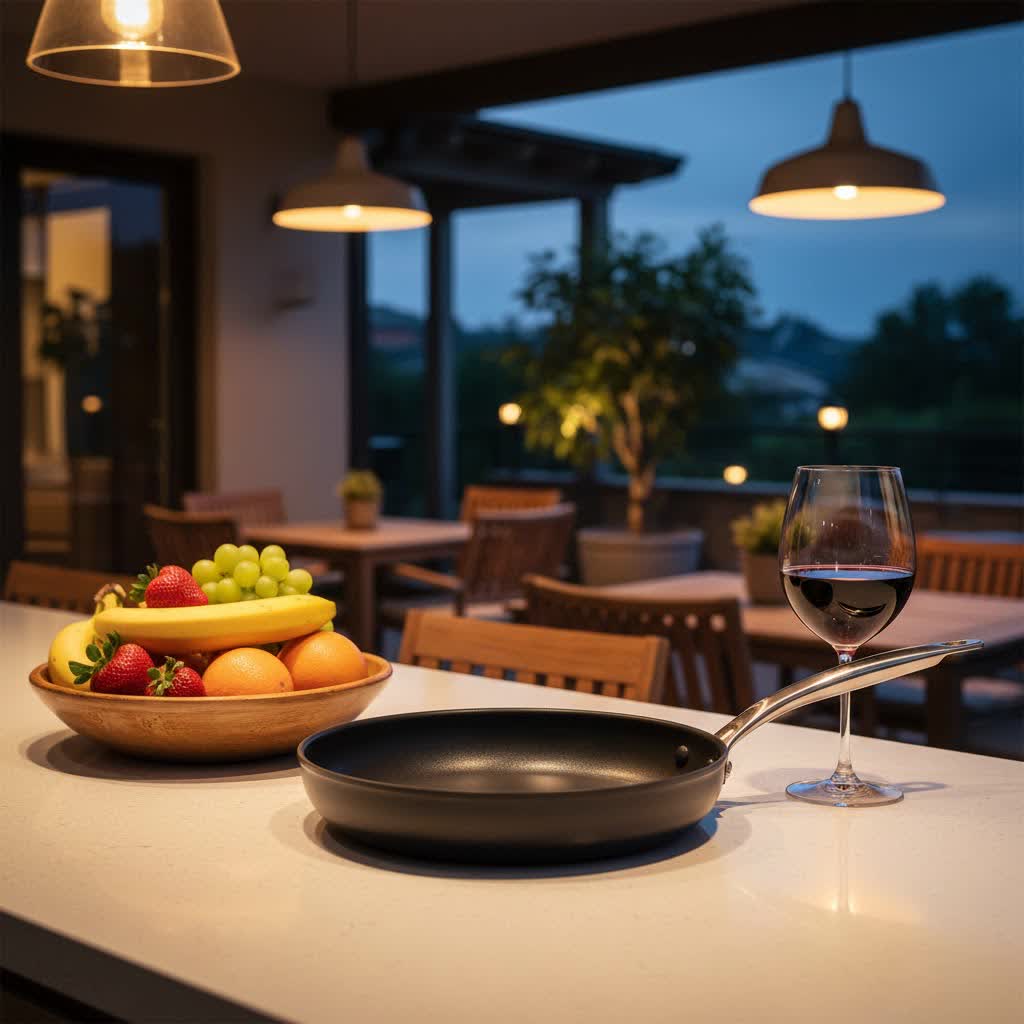
What is a Copper Nonstick Pan?
When we talk about “copper nonstick pans,” it’s crucial to distinguish them from traditional, solid copper cookware. While genuine copper pans are crafted from substantial layers of copper, often lined with tin or stainless steel for reactivity reasons, what is typically marketed as a “copper nonstick pan” is fundamentally different. These pans are generally constructed with an aluminum core for lightweight handling and efficient heat transfer, then coated with a ceramic nonstick finish. The striking copper color is primarily achieved through pigments, sometimes with a minimal amount of copper dust mixed into the coating, giving them their characteristic look without imparting the unique thermal properties of solid copper.
The evolution of nonstick technology has seen significant advancements, moving from early PTFE (Teflon) coatings to newer ceramic-based alternatives. This shift has been driven by both performance improvements and health concerns related to older chemical compounds. Copper-colored ceramic nonstick pans represent a branch of this evolution, blending the desire for a non-reactive, easy-release surface with the aesthetic appeal of copper.
Types of Copper Nonstick Pans
Copper nonstick pans are broadly categorized by their coating materials, which are the true determinant of their nonstick properties and overall performance.
By Coating Material
- Ceramic-Based Coatings: The most prevalent type, these pans feature a ceramic nonstick layer applied over an aluminum base. Many brands emphasize that these coatings are PFOA-free and PTFE-free, addressing common health concerns associated with traditional nonstick chemicals. When new, they offer excellent food release and are considered a healthier cooking surface. However, their durability can vary, and the nonstick properties may diminish over time, particularly with improper use or high heat.
- “Copper-Infused” Coatings: Some manufacturers claim their ceramic coatings are “infused” with real copper dust. While this might sound impressive, the amount of actual copper is usually negligible and primarily serves to enhance the pan’s visual appeal rather than significantly altering its heat conductivity or nonstick performance beyond that of a standard ceramic pan.
|
Our Picks for the Best Nonstick Pan in 2026
As an Amazon Associate I earn from qualifying purchases.
|
||
| Num | Product | Action |
|---|---|---|
| 1 | Amazon Basics Non Stick Kitchen Cookware 15-Piece Set, Non-Induction, Includes Pots, Pans, and Utensils, Black |

|
| 2 | SENSARTE Nonstick Frying Pan Skillet, Swiss Granite Coating Omelette Pan, Healthy Stone Cookware Chef's Pan, PFOA Free (8/9.5/10/11/12.5 Inch) (9.5 Inch) |
|
| 3 | T-fal Ultimate Hard Anodized Nonstick Fry Pan Set 2 Piece, 10, 12 Inch, Oven Broiler Safe 400F, Cookware, Pots and Pans Set Non Stick, Kitchen Frying Pans, Cooking Skillets, Dishwasher Safe, Grey |
|
| 4 | SENSARTE Nonstick Frying Pan Skillet with Lid, 12 Inch Large Deep Frying Pan, 5 Qt Non Stick Saute Pan with Cover, Induction Pan, Healthy Non Toxic Cooking Pan with Helper Handle, PFOA PFOS Free |
|
| 5 | Amazon Basics Ceramic Nonstick Pots and Pans Cookware Set, Dishwasher & Oven Safe, Even Heating, 10-Piece Set, Copper Color |
|
| 6 | Tramontina Professional 10-Inch Non Stick Frying Pan, Heavy-Gauge Aluminum Skillet with Reinforced Nonstick Coating, Red Handle, Dishwasher and Oven Safe |
|
| 7 | Amazon Basics Non Stick Kitchen Cookware 8-Piece Set, Non-Induction, Includes Pots and Pans, Black |
|
| 8 | SENSARTE Nonstick Ceramic Frying Pan with Lid 8/9.5/10/11/12.5 Inch Omelet Pan Skillet, Free of Intentionally Added PFAS/PTFE Non-toxic Chef's Pan Induction Compatible Pan, Heat Resistant Handle |
|
| 9 | CAROTE Nonstick Frying Pan Skillet,Non Stick Granite Fry Pan Egg Pan Omelet Pans, Stone Cookware Chef's Pan, PFOA Free,Induction Compatible(Classic Granite, 8-Inch) |
|
| 10 | Non Stick Frying Pan, 8-inch Omelette Pan with Heat Dot Temperature Indicator, Healthy Non Toxic Egg Skillet with Heat-Resistant Handle, PFOA-Free, Dishwasher Safe, Compatible with All Cooktops |
|
By Market Positioning
The market for copper nonstick pans ranges from budget-friendly “as seen on TV” products to more established cookware brands offering their versions of ceramic-coated pans with a copper aesthetic. The primary difference often lies in the quality of the ceramic coating, the thickness of the pan’s base, and the overall construction, which impacts even heating and longevity.
By Size
Choosing the right size is essential for practical cooking.
- Small (16-20cm): Ideal for single servings, frying an egg, or preparing small side dishes.
- Medium (24-28cm): The most popular and versatile size, perfect for daily family meals, sautéing vegetables, or cooking two to three portions.
- Large (30cm+): Suitable for larger families, entertaining, or preparing bigger batches of food, such as stir-fries or one-pan meals.
Copper Nonstick Pan: Benefits & Drawbacks
Understanding both the advantages and limitations of copper nonstick pans is key to managing expectations and maximizing their use.
Benefits
- Aesthetic Appeal: Undeniably, their gleaming copper finish adds a touch of elegance and warmth to any kitchen, making them a popular choice for those who value visual design in their cookware.
- Initial Nonstick Performance: When new, these pans typically offer excellent food release, requiring minimal oil or butter, making cooking and cleanup a breeze. This is a primary draw for delicate foods like eggs and pancakes.
- Healthier Choice: Many copper nonstick pans feature ceramic coatings that are free from PFOA and PTFE, substances found in older generation nonstick coatings that have raised health concerns. This makes them an appealing option for health-conscious cooks.
- Even Heating (for well-made models): While not possessing the superior conductivity of solid copper, many quality copper nonstick pans are designed with thicker bases or efficient aluminum cores that promote relatively even heat distribution, reducing hot spots.
Drawbacks
- Durability of Nonstick Coating: Like most ceramic nonstick pans, the coating on copper nonstick pans can degrade over time. It can become less effective, scratch more easily, and lose its nonstick properties, often faster than traditional PTFE coatings.
- Misleading Marketing: Many products, especially those heavily advertised, often make exaggerated claims about their scratch resistance and nonstick longevity, sometimes even suggesting the use of metal utensils, which can severely damage the coating.
- Heat Sensitivity: High heat is the enemy of ceramic nonstick coatings. Cooking at excessively high temperatures can rapidly break down the nonstick surface, leading to food sticking and a shortened lifespan for the pan.
- Not True Copper Performance: Despite the “copper” in their name, these pans do not offer the unparalleled thermal conductivity and responsiveness of genuine, solid copper cookware. Their performance is more akin to other ceramic-coated aluminum pans.
- Induction Compatibility: Most copper nonstick pans, being aluminum-based, are not naturally magnetic and therefore not compatible with induction cooktops unless they specifically feature an added magnetic base layer.
Comparison Table: Copper Nonstick vs. Other Nonstick Materials
| Feature | Copper Nonstick (Ceramic-Coated) | PTFE/Teflon Nonstick | Ceramic Nonstick (General) |
|---|---|---|---|
| Nonstick Performance | Excellent when new; degrades over time. | Excellent; generally longer-lasting than ceramic. | Excellent when new; degrades over time. |
| Durability | Moderate; susceptible to scratches and high heat. | Moderate to good; sensitive to high heat and scratches. | Moderate; susceptible to scratches and high heat. |
| Heat Conductivity | Good (due to aluminum core), but not true copper performance. | Good (often aluminum core). | Good (often aluminum core). |
| Safety (PFOA/PTFE) | Typically PFOA/PTFE-free. | Older versions contained PFOA; modern versions are PFOA-free. | Typically PFOA/PTFE-free. |
| Price | Mid-range, varying by brand and quality. | Low to mid-range. | Low to mid-range. |
| Care | Hand wash, soft utensils, low-medium heat. | Hand wash, soft utensils, low-medium heat. | Hand wash, soft utensils, low-medium heat. |
How to Choose the Right Copper Nonstick Pan
Selecting the ideal copper nonstick pan involves considering your cooking habits, priorities, and budget.
Determine Your Needs
- Cooking Frequency & Type of Dishes: How often do you cook, and what kinds of meals do you typically prepare? If you frequently cook delicate foods like eggs or fish, excellent nonstick properties are paramount.
- Family Size: Choose a pan size that accommodates your household. A 24-28cm pan is often sufficient for families of 2-4, while larger sizes are better for more people.
- Budget: Copper nonstick pans come in various price points. Determine how much you’re willing to invest, keeping in mind that higher quality often translates to better durability and performance.
Prioritize Material & Safety
- Look for PFOA/PTFE-Free: Always ensure the pan’s ceramic coating explicitly states it is free from these chemicals if health is a primary concern.
- Reputable Brands: Opt for pans from established cookware brands known for quality. These brands are less likely to overstate their product’s capabilities compared to generic or “as seen on TV” offerings.
Inspect Quality
- Even Coating: Check for a smooth, unblemished nonstick surface without any visible scratches or imperfections.
- Sturdy Handle: A comfortable, heat-resistant, and securely attached handle is crucial for safe and easy handling.
- Flat Base: Ensure the pan’s base is perfectly flat to ensure maximum contact with your stovetop for even heating. A warped base can lead to uneven cooking.
Consider Compatibility
- Stovetop Type: If you have an induction cooktop, verify that the pan explicitly states it is induction-compatible, as not all aluminum-based nonstick pans are.
Tips for Using and Maintaining Your Copper Nonstick Pan
Proper care is paramount to extending the life and maintaining the performance of your copper nonstick pan.
Proper Use
- Low to Medium Heat Only: Avoid high heat settings, as extreme temperatures can rapidly degrade the ceramic nonstick coating. Copper nonstick pans excel at lower temperatures.
- Use Wood, Silicone, or Plastic Utensils: Metal utensils can scratch and damage the delicate nonstick surface. Always opt for softer materials to protect the coating.
- Avoid Preheating Empty: Never leave an empty nonstick pan over high heat. Always add a small amount of oil or food before heating to prevent overheating the coating.
- Avoid Thermal Shock: Allow the pan to cool completely before washing it. Submerging a hot pan in cold water can cause warping or damage to the nonstick layer.
Proper Cleaning
- Hand Wash with Mild Soap and Soft Sponge: Handwashing is highly recommended. Dishwashers can be too harsh, using abrasive detergents and high temperatures that accelerate coating degradation and can tarnish the exterior finish.
- Avoid Abrasive Cleaners and Scrubbers: Steel wool, abrasive pads, and harsh chemical cleaners will scratch and ruin the nonstick surface. Stick to soft sponges or cloths.
- Dry Immediately: After washing, dry your pan thoroughly to prevent water spots and maintain its aesthetic appeal.
Proper Storage
- Store Carefully to Prevent Scratches: Nonstick pans should be stored individually or with pan protectors (felt pads) between them if stacking is necessary. This prevents accidental scratches from other cookware.
Common Issues and Troubleshooting
Even with careful use, you might encounter some common issues with copper nonstick pans.
- Food Sticking: This is often the first sign of coating degradation, typically caused by using too high heat, abrasive utensils, or simply wear and tear over time. While difficult to fully restore, ensure you’re using oil, cooking at lower temperatures, and avoiding damage.
- Coating Peeling/Flaking: This indicates significant damage or aging of the nonstick layer. Once the coating begins to peel, it’s generally recommended to replace the pan, as its effectiveness is compromised and potential material exposure can occur.
- Warping: A pan with a non-flat base can be caused by thermal shock (rapid temperature changes) or a manufacturing defect. Warping leads to uneven heating and can be challenging to fix, often necessitating replacement.
Conclusion
Copper nonstick pans offer a blend of attractive aesthetics and convenient nonstick performance. They can be a valuable asset in your kitchen, especially for cooking delicate foods that require minimal oil and easy cleanup. However, it’s essential to approach them with realistic expectations, understanding that their “copper” designation is primarily visual, and their nonstick longevity, like other ceramic coatings, is dependent on diligent care. By choosing a quality product and adhering to proper usage and maintenance guidelines, you can enjoy the benefits of your copper nonstick pan for many meals to come.
What culinary creations will you bring to life with your perfectly cared-for copper nonstick pan?
Frequently Asked Questions
Are copper nonstick pans truly made of copper?
Most “copper nonstick pans” are primarily made of aluminum with a ceramic nonstick coating, colored to resemble copper. They contain little to no functional copper, meaning they don’t offer the superior heat conductivity of solid copper cookware.
Are they safe to use?
Yes, generally. Most modern copper-colored nonstick pans feature PFOA and PTFE-free ceramic coatings, making them safe for cooking. For genuine copper cookware, safety depends on having a non-reactive lining like tin or stainless steel to prevent copper from leaching into food.
Can I use metal utensils on copper nonstick pans?
No, it is strongly advised against using metal utensils. Metal can easily scratch and damage the ceramic nonstick coating, compromising its performance and significantly shortening the pan’s lifespan. Always use wood, silicone, or plastic utensils.
How long do they last?
The lifespan of a copper nonstick pan varies significantly based on its quality and how it’s used and maintained. Generally, like other ceramic nonstick pans, their nonstick properties may start to degrade within 1-3 years with regular use, especially if exposed to high heat or abrasive cleaning.
Are they induction compatible?
Many copper-colored nonstick pans are not induction compatible because they are made with an aluminum base, which is not magnetic. If induction compatibility is important, look for pans specifically labeled as “induction-safe” which will have an added magnetic layer in their base.
