Choosing the right nonstick pan can be a daunting task with countless options flooding the market, from varied materials and brands to diverse price points. As someone with over a decade of experience in home appliances, particularly nonstick cookware, I understand the common confusion. This guide is designed to help you make an informed decision, leveraging practical experience and in-depth knowledge to explore the most critical factors – from safety and durability to cooking performance – ensuring you find the perfect nonstick pan to enhance your daily meals. If you’ve been considering Caraway, known for its stylish and health-conscious approach, this article will delve into everything you need to know about their ceramic nonstick offerings.
What is a Nonstick Pan?
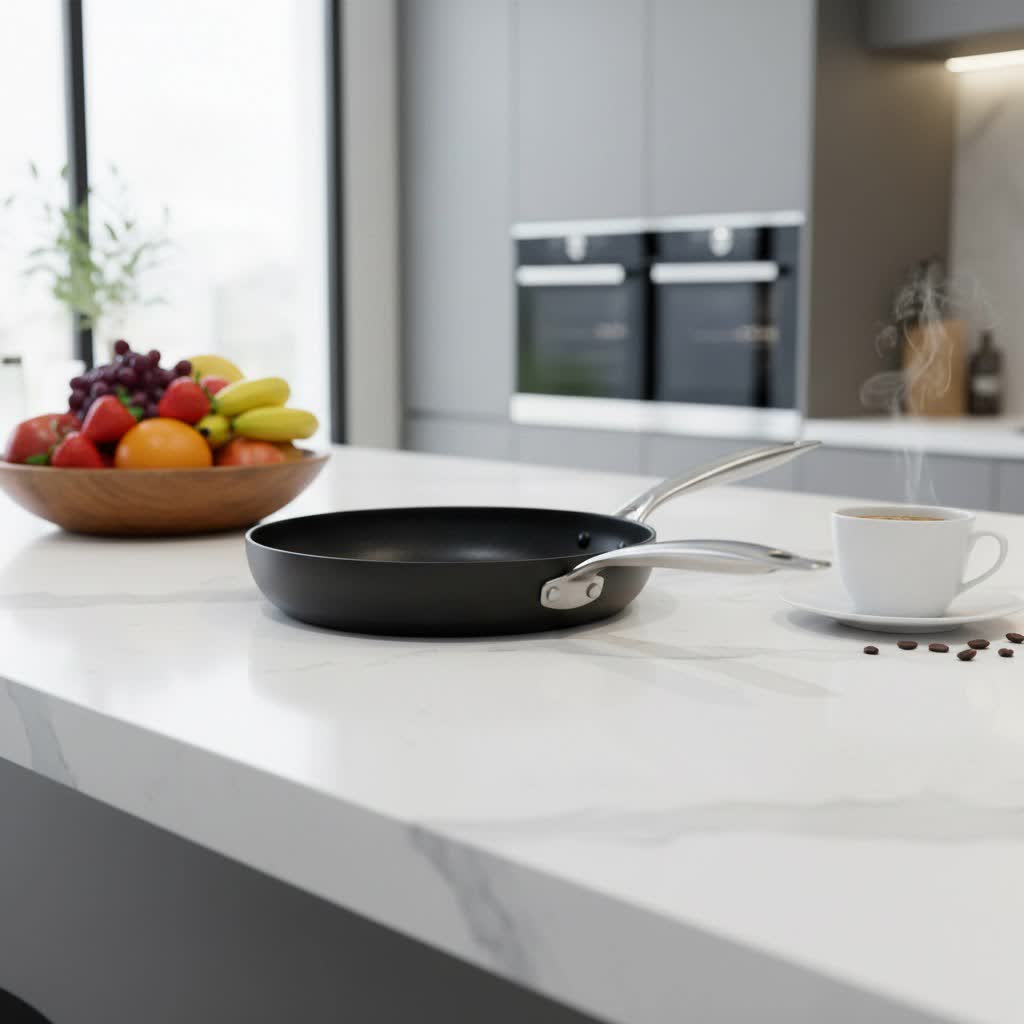
A nonstick pan is a type of cookware featuring a specialized coating that prevents food from adhering to its surface, making cooking and cleanup significantly easier. Historically, many nonstick pans relied on polytetrafluoroethylene (PTFE), commonly known as Teflon. While highly effective, concerns over chemicals like PFOA (perfluorooctanoic acid) and PFAS (per- and polyfluoroalkyl substances) associated with traditional PTFE coatings have led to a surge in demand for healthier alternatives.
This shift has propelled ceramic-coated nonstick pans, such as those from Caraway, to the forefront. These pans utilize a mineral-based coating, often derived from natural sand (silica), that provides a slick, non-reactive surface free from these “forever chemicals.” Caraway, in particular, emphasizes its commitment to non-toxic materials, ensuring that no harmful substances like PTFE, PFOA, PFAS, lead, or cadmium can leach into your food, even if the pan is accidentally scratched or overheated. The core of Caraway pans is typically aluminum for efficient heat conduction, clad with a stainless steel base to ensure induction compatibility.
Popular Types of Nonstick Pans
The nonstick cookware landscape offers a variety of choices, each with unique properties. Understanding these can help you appreciate what sets Caraway apart.
By Material
- Teflon (PTFE):
- Pros: Excellent nonstick properties, often more affordable.
- Cons: Can scratch easily, and historically raised health concerns regarding PFOA and PFAS release at high temperatures. While PFOA has largely been phased out, the presence of other PFAS remains a consideration for some consumers.
- Ceramic: (Caraway’s primary material)
- Pros: Generally considered safe and non-toxic, free from PTFE, PFOA, PFAS, lead, and cadmium. Ceramic coatings are often environmentally friendlier to produce, emitting less CO2 than traditional nonstick. They offer very effective nonstick performance, require less oil, and are generally good at even heat distribution and retention. They are also oven-safe to high temperatures.
- Cons: Durability can be a concern over the long term, as the nonstick properties can degrade with heat and use. Requires careful handling (no metal utensils, hand wash only) to maintain the coating.
- Titanium:
- Pros: Known for superior durability and scratch resistance compared to traditional nonstick. Often PFOA-free.
- Cons: Can be more expensive and may not offer the same “slippery” nonstick release as PTFE or new ceramic coatings.
- Granite (Stone-derived):
- Pros: Often boasts a stylish, natural aesthetic and good heat retention.
- Cons: Many “granite” pans are aluminum with a ceramic or PTFE coating infused with granite particles, so it’s crucial to verify the actual nonstick material and its safety claims.
|
Our Picks for the Best Nonstick Pan in 2026
As an Amazon Associate I earn from qualifying purchases.
|
||
| Num | Product | Action |
|---|---|---|
| 1 | T-fal Ultimate Hard Anodized Nonstick Fry Pan Set 2 Piece, 10, 12 Inch, Oven Broiler Safe 400F, Cookware, Pots and Pans Set Non Stick, Kitchen Frying Pans, Cooking Skillets, Dishwasher Safe, Grey |

|
| 2 | Tramontina Professional 10-Inch Non Stick Frying Pan, Heavy-Gauge Aluminum Skillet with Reinforced Nonstick Coating, Red Handle, Dishwasher and Oven Safe |
|
| 3 | Amazon Basics Non Stick Kitchen Cookware 8-Piece Set, Non-Induction, Includes Pots and Pans, Black |
|
| 4 | Amazon Basics Ceramic Nonstick Pots and Pans Cookware Set, Dishwasher & Oven Safe, Even Heating, 10-Piece Set, Copper Color |
|
| 5 | SENSARTE Nonstick Ceramic Frying Pan with Lid 8/9.5/10/11/12.5 Inch Omelet Pan Skillet, Free of Intentionally Added PFAS/PTFE Non-toxic Chef's Pan Induction Compatible Pan, Heat Resistant Handle |
|
| 6 | SENSARTE Nonstick Frying Pan Skillet, Swiss Granite Coating Omelette Pan, Healthy Stone Cookware Chef's Pan, PFOA Free (8/9.5/10/11/12.5 Inch) (9.5 Inch) |
|
| 7 | CAROTE Nonstick Frying Pan Skillet,Non Stick Granite Fry Pan Egg Pan Omelet Pans, Stone Cookware Chef's Pan, PFOA Free,Induction Compatible(Classic Granite, 8-Inch) |
|
| 8 | SENSARTE Nonstick Frying Pan Skillet with Lid, 12 Inch Large Deep Frying Pan, 5 Qt Non Stick Saute Pan with Cover, Induction Pan, Healthy Non Toxic Cooking Pan with Helper Handle, PFOA PFOS Free |
|
| 9 | Non Stick Frying Pan, 8-inch Omelette Pan with Heat Dot Temperature Indicator, Healthy Non Toxic Egg Skillet with Heat-Resistant Handle, PFOA-Free, Dishwasher Safe, Compatible with All Cooktops |
|
| 10 | Amazon Basics Non Stick Kitchen Cookware 15-Piece Set, Non-Induction, Includes Pots, Pans, and Utensils, Black |
|
By Brand
Caraway has made a significant splash in the market, often compared to other popular brands known for their nonstick properties and aesthetic appeal.
- Caraway: Stands out for its vibrant colorways, minimalist design, and strong emphasis on non-toxic, ceramic-coated cookware. Reviewers consistently praise its slick nonstick performance, even heat distribution, and ease of cleaning. They offer comprehensive sets including fry pans, saucepans, sauté pans, and Dutch ovens, often with clever storage solutions.
- Our Place (e.g., Always Pan): Also popular for its multi-functional design and appealing aesthetics. It features a ceramic nonstick coating and emphasizes non-toxic materials. The Always Pan is known for replacing multiple pieces of cookware.
- GreenPan: A pioneer in ceramic nonstick cookware, GreenPan uses Thermolon ceramic coatings derived from sand. They offer a wide range of products at various price points, known for their consistent performance and non-toxic claims.
- HexClad: A hybrid cookware brand that combines stainless steel with a nonstick surface in a hexagonal pattern. While marketed for its durability, metal utensil compatibility, and high-heat cooking, its nonstick coating is ceramic (having shifted from PTFE), but the brand is less transparent about its specific composition compared to Caraway.
- Quince: Offers ceramic nonstick cookware at a more accessible price point, often delivering comparable nonstick performance to Caraway, though some tests suggest it may have issues with heating consistency and overall lightness.
By Size
Caraway offers a range of sizes to suit different cooking needs, typically focusing on essential pieces that form versatile sets.
- Mini Fry Pan (8 inches): Ideal for individual servings, such as a single egg or small side dishes.
- Fry Pan (10.5 inches): The most popular and versatile size, suitable for families of 2-4 for searing, frying, and sautéing. This is often recommended as a starter piece.
- Saucepan (3 quarts): Perfect for simmering sauces, cooking grains, or small batches of soup.
- Sauté Pan (4.5 quarts): Features taller sides, great for one-pan meals, stir-fries, or braising.
- Dutch Oven (6.5 quarts): A large, heavy pot excellent for soups, stews, baking bread, or large batches of pasta.
Caraway Nonstick Pan Comparison Table
To help you visualize the distinctions, here’s a comparison focusing on Caraway and common nonstick alternatives:
| Feature | Caraway (Ceramic) | Traditional PTFE Nonstick | HexClad (Hybrid Ceramic) |
|---|---|---|---|
| Coating Material | Mineral-based ceramic (silica) | Polytetrafluoroethylene (PTFE) | Stainless steel lattice with ceramic nonstick coating |
| Non-Toxic Claims | PTFE, PFOA, PFAS, lead, cadmium-free | May contain PFAS; PFOA mostly phased out | Claims non-toxic, uses ceramic; less transparency than Caraway |
| Nonstick Performance | Excellent, food slides easily, less oil needed | Excellent, highly slick | Good, but texture may require slightly more oil |
| Durability | Good with proper care; coating can degrade over time | Good initially, but scratches can expose base | Very durable, metal utensil safe, designed for longevity |
| Heat Distribution | Very good, even heating | Good | Good, due to multi-clad construction |
| Max Oven Temp | Up to 550°F | Varies, often lower (e.g., 350-400°F) | Up to 500°F |
| Dishwasher Safe? | No (hand wash recommended) | Some, but hand wash prolongs life | Yes |
| Metal Utensil Safe? | No (silicone, wood, nylon recommended) | No | Yes |
| Price Point | Mid-to-High | Low-to-Mid | High |
| Key Selling Points | Non-toxic, aesthetic design, eco-friendly, ease of cleaning | High slickness, affordability | Hybrid durability, versatile, high heat tolerance |
How to Choose the Right Caraway Nonstick Pan
Selecting the best Caraway Nonstick Pan involves considering your cooking habits, family size, and priorities.
1. Determine Your Usage Needs
- What do you cook most often? For daily eggs, delicate fish, or pancakes, the Caraway Fry Pan is an excellent choice. If you frequently make large soups, stews, or pasta, the Dutch Oven or Sauté Pan will be more suitable.
- How many people do you typically cook for? A single 8-inch Mini Fry Pan might suffice for one. For a family of 2-4, the 10.5-inch Fry Pan is a versatile workhorse, and a full set offers comprehensive coverage.
- What’s your budget? Caraway pans are an investment. Consider a smaller starter piece like the Fry Pan if budget is a concern, or look into their bundled sets for better value if you need multiple pieces.
2. Prioritize Material and Safety
- Health and safety: If avoiding PTFE, PFOA, PFAS, lead, and cadmium is a top priority, Caraway’s ceramic nonstick is explicitly designed to meet these concerns. Caraway provides third-party testing reports to back its non-toxic claims, offering peace of mind.
- Durability vs. convenience: While Caraway offers good durability with proper care, it requires hand washing and non-metal utensils. If you need cookware that can withstand metal utensils and dishwashers, a hybrid option like HexClad or traditional stainless steel might be a better fit (though these have different nonstick characteristics).
3. Check Pan Quality and Features
- Nonstick surface: Inspect the pan for a perfectly smooth, unblemished coating. Caraway’s ceramic coating should be slick and even.
- Handle comfort and security: Caraway pans typically feature stainless steel handles. Ensure they feel sturdy and comfortable in your hand. Be aware that these handles can get hot during prolonged cooking on the stovetop or in the oven, so oven mitts are essential.
- Even base: The base of the pan should be flat to ensure optimal contact with your stovetop and even heat distribution. Caraway’s aluminum core and stainless steel base provide good heat conductivity.
- Aesthetics: Caraway is renowned for its attractive design and wide array of colors. Choose a color that complements your kitchen decor.
4. Purchase from Reputable Sellers
To ensure authenticity and customer support, always buy your Caraway nonstick pans from:
- Caraway’s official website: Often offers exclusive bundles and colors.
- Authorized retailers: Major department stores, specialty kitchen stores, or trusted online marketplaces like Amazon, Sur La Table, or Grove Collaborative.
Tips for Using and Maintaining Your Caraway Nonstick Pan
Proper care is paramount to maximizing the lifespan and performance of your Caraway nonstick pan.
1. Proper Usage
- Use low to medium heat: Caraway pans are highly efficient conductors. High heat can damage the ceramic coating over time and is rarely necessary for most recipes. Use medium heat for searing and low heat for simmering.
- Avoid metal utensils: Always opt for silicone, wooden, or nylon utensils to prevent scratching the ceramic surface.
- Preheat correctly: Preheat your pan for a minute or two on low-medium heat with a small amount of oil or butter before adding food.
- Avoid thermal shock: Never plunge a hot pan into cold water, as this can cause warping or damage to the nonstick coating. Allow the pan to cool completely before washing.
2. Correct Cleaning
- Hand wash recommended: Caraway pans are not dishwasher safe. Hand washing with a soft sponge or cloth and mild dish soap is crucial to preserve the nonstick coating.
- No abrasive cleaners or scrubbers: Harsh chemicals or abrasive pads can degrade the ceramic surface. For stubborn residue, soak the pan in warm, soapy water for a few minutes before gently wiping clean.
- Dry thoroughly: Always dry your pan completely after washing to prevent water spots and extend its life.
3. Smart Storage
- Protect the surface: When storing pans stacked, place a pan protector or a soft cloth between them to prevent scratches.
- Utilize organizers: Caraway often includes magnetic storage racks for lids and canvas organizers for pans in their sets, which are excellent for protecting your cookware. If not included, consider aftermarket solutions.
- Hang if possible: Hanging pans can be a great way to prevent stacking damage.
Common Issues and How to Address Them
Even with proper care, nonstick pans can encounter issues. Here’s how to troubleshoot some common problems with Caraway pans:
- Food starts sticking: Over time, all nonstick coatings can lose their efficacy, often due to microscopic food particles building up or the coating breaking down from excessive heat. Ensure you are consistently cooking on low to medium heat and cleaning thoroughly. For minor sticking, a gentle scrub with baking soda paste can sometimes help remove residue, but if the coating is truly worn, it may be time for a replacement.
- Nonstick layer appears stained or discolored: This can happen with ceramic coatings, especially lighter colors, due to cooking certain foods or prolonged exposure to heat. This is often cosmetic and doesn’t affect performance or safety. Consistent cleaning and avoiding very high heat can minimize this.
- Pan becomes warped: While less common with Caraway’s sturdy construction, warping can occur from extreme temperature changes (thermal shock). Always let your pan cool down naturally before washing. Warping can cause uneven heating and spin on the stovetop, making the pan less effective.
Conclusion
Caraway nonstick pans offer a compelling combination of style, non-toxic cooking, and effective nonstick performance. By utilizing a ceramic coating free from PTFE, PFOA, PFAS, lead, and cadmium, Caraway provides a healthier alternative for your kitchen. While they require careful handling—such as hand washing and avoiding metal utensils—their elegant design, even heat distribution, and ease of cleaning make them a popular choice for home cooks seeking both aesthetics and peace of mind. Investing in Caraway means embracing a commitment to mindful cooking and a cleaner kitchen environment.
Are you ready to elevate your cooking experience with a pan that is as good for your health as it is for your kitchen’s aesthetics?
Frequently Asked Questions
What makes Caraway nonstick pans different from traditional nonstick?
Caraway pans use a mineral-based ceramic coating that is free of “forever chemicals” like PTFE, PFOA, and PFAS, as well as lead and cadmium, making them a non-toxic alternative to traditional nonstick options. They also boast a distinct, aesthetically pleasing design.
How long do Caraway nonstick pans typically last?
With proper care, including hand washing, using low to medium heat, and non-metal utensils, Caraway nonstick pans can last for several years. Like all nonstick coatings, the nonstick properties may degrade over time with consistent use.
Are Caraway pans safe to use in the oven?
Yes, Caraway nonstick pans are oven-safe up to 550°F (288°C), making them versatile for recipes that require both stovetop and oven cooking. Remember that the stainless steel handles will get hot in the oven.
Can Caraway pans be used on induction cooktops?
Absolutely. Caraway pans feature a stainless steel base, which makes them compatible with all cooktop types, including induction, gas, and electric.
What is the best way to clean a Caraway nonstick pan?
The best way to clean a Caraway nonstick pan is by hand washing with warm water, mild dish soap, and a soft sponge or cloth. Avoid abrasive scrubbers, harsh detergents, and never put them in the dishwasher to preserve the nonstick coating.
