Navigating the vast world of kitchen cookware can feel overwhelming, especially when seeking that perfect nonstick frying pan designed for modern induction cooktops. You want a pan that effortlessly releases food, heats evenly, and stands up to daily use, all while being compatible with your induction stove’s unique technology. This comprehensive guide will simplify your decision, equipping you with the knowledge to select a nonstick induction frying pan that enhances your culinary journey.
What is a Nonstick Induction Frying Pan?
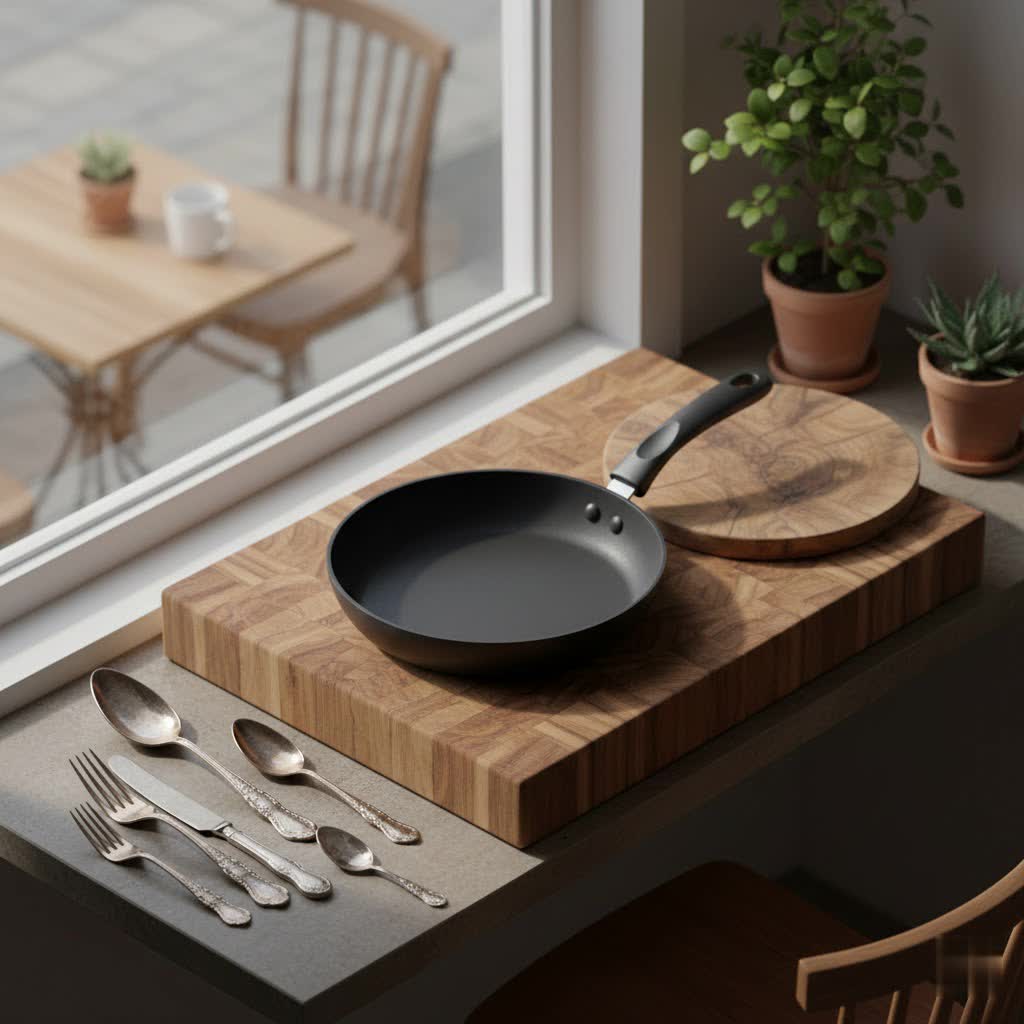
A nonstick induction frying pan is a kitchen essential designed to prevent food from sticking while being specifically engineered to work on induction cooktops. Induction cooking relies on electromagnetic fields to directly heat the pan, rather than using a flame or electric coil. This means your nonstick frying pan must have a magnetic base to interact with the cooktop’s magnetic field, allowing for efficient and precise heating. Beyond its magnetic properties, the pan features a specialized coating that creates a slick surface, making cooking and cleanup incredibly easy.
The history of nonstick technology began with polytetrafluoroethylene (PTFE), commonly known as Teflon, developed in the 1930s. Its unique properties revolutionized cooking, making everyday tasks like frying eggs and pancakes significantly simpler. Over the decades, advancements have led to various coating types and pan constructions, including ceramic and hybrid options, all while maintaining the core nonstick benefit. The integration of induction compatibility into these designs represents a significant evolution, marrying convenience with energy-efficient cooking technology.
Popular Types of Nonstick Induction Frying Pans
Understanding the different types of nonstick induction frying pans is crucial for making an informed choice. They vary primarily by their nonstick coating material and core construction.
By Coating Material:
- PTFE (Teflon):
- Pros: Known for superior nonstick release, offering excellent food slide and easy cleaning. Many PTFE pans are durable and perform reliably over time. Most modern PTFE coatings are PFOA-free, addressing past health concerns.
- Cons: If overheated above 500°F (260°C), PTFE coatings can release fumes that may cause flu-like symptoms, sometimes referred to as “Teflon flu.” They are also susceptible to scratching, which can degrade the nonstick surface over time.
- Ceramic:
- Pros: Often marketed as a “greener” and “safer” alternative, ceramic coatings are typically free from PTFE, PFOA, PFAS, lead, and cadmium. They are known for good heat resistance and often boast attractive designs.
- Cons: Ceramic nonstick pans generally have a shorter lifespan compared to PTFE coatings. Their nonstick properties can diminish faster, especially with improper care or high heat, and they can be more prone to staining and sticking over time.
- Titanium/Diamond Infused Coatings:
- Pros: These coatings are often infused with titanium or diamond particles to enhance durability and scratch resistance. They combine good nonstick performance with improved longevity compared to basic nonstick layers.
- Cons: While more durable than standard nonstick, they are not indestructible and still require careful use. These pans can also be more expensive than basic PTFE or ceramic options.
- Hybrid (e.g., HexClad):
- Pros: Hybrid pans feature a unique design, often combining a nonstick coating with a textured stainless steel pattern. This construction offers enhanced durability, allows for better searing, and can even withstand metal utensils without damage.
- Cons: While offering excellent durability and searing capabilities, hybrid pans may not provide the absolute “slippery” nonstick release of traditional PTFE coatings. They often come with a higher price tag.
|
Our Picks for the Best Nonstick Pan in 2026
As an Amazon Associate I earn from qualifying purchases.
|
||
| Num | Product | Action |
|---|---|---|
| 1 | Amazon Basics Non Stick Kitchen Cookware 15-Piece Set, Non-Induction, Includes Pots, Pans, and Utensils, Black |

|
| 2 | T-fal Ultimate Hard Anodized Nonstick Fry Pan Set 2 Piece, 10, 12 Inch, Oven Broiler Safe 400F, Cookware, Pots and Pans Set Non Stick, Kitchen Frying Pans, Cooking Skillets, Dishwasher Safe, Grey |
|
| 3 | Amazon Basics Non Stick Kitchen Cookware 8-Piece Set, Non-Induction, Includes Pots and Pans, Black |
|
| 4 | SENSARTE Nonstick Frying Pan Skillet with Lid, 12 Inch Large Deep Frying Pan, 5 Qt Non Stick Saute Pan with Cover, Induction Pan, Healthy Non Toxic Cooking Pan with Helper Handle, PFOA PFOS Free |
|
| 5 | CAROTE Nonstick Frying Pan Skillet,Non Stick Granite Fry Pan Egg Pan Omelet Pans, Stone Cookware Chef's Pan, PFOA Free,Induction Compatible(Classic Granite, 8-Inch) |
|
| 6 | SENSARTE Nonstick Ceramic Frying Pan with Lid 8/9.5/10/11/12.5 Inch Omelet Pan Skillet, Free of Intentionally Added PFAS/PTFE Non-toxic Chef's Pan Induction Compatible Pan, Heat Resistant Handle |
|
| 7 | SENSARTE Nonstick Frying Pan Skillet, Swiss Granite Coating Omelette Pan, Healthy Stone Cookware Chef's Pan, PFOA Free (8/9.5/10/11/12.5 Inch) (9.5 Inch) |
|
| 8 | Non Stick Frying Pan, 8-inch Omelette Pan with Heat Dot Temperature Indicator, Healthy Non Toxic Egg Skillet with Heat-Resistant Handle, PFOA-Free, Dishwasher Safe, Compatible with All Cooktops |
|
| 9 | Amazon Basics Ceramic Nonstick Pots and Pans Cookware Set, Dishwasher & Oven Safe, Even Heating, 10-Piece Set, Copper Color |
|
| 10 | Tramontina Professional 10-Inch Non Stick Frying Pan, Heavy-Gauge Aluminum Skillet with Reinforced Nonstick Coating, Red Handle, Dishwasher and Oven Safe |
|
By Pan Body Material (for Induction Compatibility):
For a nonstick frying pan to work on an induction cooktop, its base must be magnetic. The body material beneath the nonstick coating is crucial for this compatibility and overall performance.
- Hard-Anodized Aluminum with Magnetic Base: Many nonstick pans feature a hard-anodized aluminum body due to aluminum’s excellent heat conductivity. However, aluminum itself is not magnetic. To make these pans induction-compatible, they typically have a magnetic stainless steel plate bonded to the bottom. This design provides efficient heat transfer with induction technology.
- Multi-Ply Stainless Steel (Clad Construction): Pans with multi-ply or “clad” construction feature layers of different metals, often including magnetic stainless steel, aluminum, and sometimes copper. This layered approach ensures superb heat distribution and makes the pan inherently induction compatible. These pans are generally very durable, warp-resistant, and heavier, often representing a premium choice.
By Size:
Selecting the right pan size depends on your cooking habits and household needs.
- Small Pans (6-8 inches / 16-20cm): Ideal for single servings, such as frying an egg or cooking a small omelet. Perfect for individuals or couples with limited cooking space.
- Medium Pans (10-12 inches / 24-28cm): The most versatile and popular size, suitable for families of 2-4 people. Great for everyday tasks like sautéing vegetables, frying chicken breasts, or making stir-fries.
- Large Pans (12 inches+ / 30cm+): Best for larger families, entertaining guests, or preparing bigger batches of food. Excellent for cooking multiple items simultaneously or for dishes that require more surface area.
Comparative Table of Nonstick Induction Frying Pans
| Feature | PTFE (Teflon) | Ceramic Nonstick | Hybrid Nonstick (e.g., HexClad) |
|---|---|---|---|
| Nonstick Performance | Excellent, very slippery | Good to very good, initially | Good, but allows for searing |
| Durability | Good, but prone to scratching | Moderate, can degrade faster | Excellent, scratch-resistant |
| Induction Comp. | Yes (with magnetic base) | Yes (with magnetic base) | Yes (inherently magnetic base) |
| Heat Resistance | Up to 500°F (260°C) | Generally high | Very high |
| Safety Concerns | Fumes if overheated (>500°F) | Generally PFOA/PFAS-free | PFOA/PFAS-free |
| Metal Utensil Safe | No | No | Yes |
| Price Range | Mid-range to Premium | Mid-range | Premium |
| Typical Lifespan | 1-5 years (with care) | 1-3 years (with care) | 3-10+ years (with care) |
How to Choose the Best Nonstick Induction Frying Pan
Choosing the ideal nonstick induction frying pan involves assessing your specific needs and understanding key quality indicators.
1. Determine Your Usage Needs:
- What do you cook most often? If you primarily make delicate items like eggs and fish, a pan with excellent nonstick release is paramount. If you also like to sear meats, a hybrid pan might be a better fit.
- How many people do you cook for? This will dictate the appropriate pan size, from a small 8-inch for a single serving to a large 12-inch or more for family meals.
- What is your budget? Nonstick pans, regardless of type, have a finite lifespan. While it’s worth investing in quality for even heating and durability, be prepared to replace them eventually. Balancing initial cost with expected performance and lifespan is key.
2. Select the Right Material:
- Prioritize Health and Safety? Opt for ceramic coatings, which are typically free from PFOA, PFAS, lead, and cadmium.
- Concerned with Durability? Hybrid nonstick pans or well-constructed PTFE pans with robust layering offer greater longevity. For induction, ensure the base is multi-ply stainless steel or hard-anodized aluminum with a thick, bonded magnetic plate.
- Looking for Affordability and Performance? PFOA-free PTFE pans often strike a good balance, but always check reviews for specific models.
3. Check for Quality Indicators:
- Induction Compatibility Symbol: Always look for the induction-compatible symbol (a coil graphic) on the packaging or product description. You can also test with a magnet: if it sticks firmly to the bottom, the pan is induction-ready.
- Even Heat Distribution: A thick, layered base (e.g., 5-ply construction or a robust magnetic disc) is essential for consistent heating on induction cooktops, preventing hot spots and ensuring food cooks uniformly.
- Durable Nonstick Surface: Visually inspect the surface for any imperfections or scratches. A good quality coating should appear smooth and uniform.
- Sturdy Handle and Construction: The handle should be securely attached, comfortable to grip, and remain cool on the stovetop. The pan should feel balanced and solid, resisting warping, especially at higher temperatures.
- Oven-Safe Temperature: If you plan to finish dishes in the oven, check the pan’s maximum oven-safe temperature. This varies significantly between models.
- Warranty: A strong warranty often indicates a manufacturer’s confidence in their product’s durability.
4. Purchase from Reputable Sources:
- Authorized Retailers: Buy from well-known department stores, kitchen specialty shops, or the brand’s official website to ensure authenticity and access to warranty support.
- Trusted Online Platforms: When buying online, stick to reputable e-commerce sites and check seller ratings. Reading customer reviews can provide valuable real-world insights into a pan’s performance and durability.
Tips for Using and Maintaining Your Nonstick Induction Frying Pan
Proper care is paramount to extending the life and maintaining the performance of your nonstick induction frying pan. Even the best nonstick coating will eventually degrade, but good habits can significantly slow this process.
1. Correct Usage:
- Use Appropriate Utensils: Avoid metal utensils unless your pan specifically states it’s safe (like some hybrid designs). Stick to silicone, wood, or plastic tools to prevent scratching the nonstick surface.
- Avoid High Heat: While induction cooktops heat quickly, excessive heat is the enemy of nonstick coatings, especially PTFE. Cook at medium or medium-low heat for most dishes. Overheating can damage the coating and potentially release fumes.
- Preheat Properly: Allow your pan to preheat gradually. Don’t place an empty nonstick pan on high heat for an extended period.
- Avoid Thermal Shock: Never plunge a hot pan into cold water. Let it cool down completely before washing to prevent warping and damage to the nonstick layer.
2. Effective Cleaning:
- Hand Wash Recommended: Although some nonstick pans are labeled dishwasher-safe, hand washing with warm, soapy water and a soft sponge or cloth is always recommended to preserve the nonstick coating. Dishwasher detergents can be abrasive and harsh over time.
- No Abrasive Cleaners: Avoid scouring pads, steel wool, or harsh chemical cleaners, as these can scratch and degrade the nonstick surface.
- Wipe Dry: After washing, thoroughly dry your pan to prevent water spots and potential mineral buildup.
3. Proper Storage:
- Protect the Surface: To prevent scratches, avoid stacking other cookware directly inside your nonstick pan. If you must stack, place a soft cloth, paper towel, or pan protector between them.
- Hang or Store Separately: Ideally, hang your frying pans or store them in a way that prevents direct contact with other metal objects.
Common Issues and Solutions for Nonstick Induction Frying Pans
Even with the Best Nonstick Induction Frying Pan, you might encounter issues. Here’s how to address common problems:
- Food Sticking: If your pan is relatively new and food is sticking, ensure you’re using a small amount of oil or butter, cooking at appropriate temperatures (avoiding excessively high heat), and not using damaged utensils. If the pan is older, the nonstick coating might be degrading, signaling it’s time for a replacement.
- Nonstick Coating Peeling/Flaking: This is a sign of wear and tear, indicating the pan’s lifespan is ending. While minor flakes might not pose an immediate health risk (as modern pans are generally PFOA-free), it severely impacts performance. It’s time to replace the pan.
- Pan Warping: Warping can occur due to sudden temperature changes (thermal shock) or manufacturing defects. A warped pan will not sit flat on your induction cooktop, leading to uneven heating and inefficient cooking. Unfortunately, warping is usually permanent and requires pan replacement. High-quality pans, especially those with multi-ply construction and thick bases, are more resistant to warping.
“The true test of an induction nonstick pan isn’t just how well it cooks on day one, but how consistently it performs six months or a year down the line. Durability on induction means not just a magnetic base, but a robust construction that resists warping and maintains even heat.” – Chef Elena Rodriguez, Culinary Technology Specialist
Conclusion
Choosing the best nonstick induction frying pan involves a careful balance of induction compatibility, nonstick coating type, pan construction, and your individual cooking habits. By understanding the differences between PTFE, ceramic, and hybrid coatings, appreciating the importance of a magnetic, multi-ply base, and committing to proper care, you can select a pan that offers superior performance and convenience. While no nonstick pan lasts forever, investing in a high-quality, well-maintained induction-compatible model will undoubtedly elevate your everyday cooking experience, bringing ease and efficiency to your kitchen.
What culinary adventures will your new nonstick induction frying pan inspire?
Frequently Asked Questions
Are PFOA and PFAS the same thing?
No, PFOA (perfluorooctanoic acid) is one type of PFAS (per- and polyfluoroalkyl substances). While PFOA has largely been phased out of nonstick cookware production, PFAS refers to a broader group of chemicals. Many ceramic nonstick pans are marketed as “PFAS-free” to indicate they contain none of these chemicals.
Can I use metal utensils on any nonstick induction frying pan?
Generally, no. Most traditional PTFE and ceramic nonstick coatings are easily scratched by metal utensils. Only specific hybrid nonstick pans, designed with a textured surface like HexClad, are built to withstand metal utensils without damaging the nonstick layer. Always check the manufacturer’s guidelines.
How do I know if my existing nonstick pan is induction compatible?
The easiest way is to look for the induction-compatible symbol, which often resembles a coil or a zig-zag graphic, on the bottom of the pan or its packaging. Alternatively, hold a magnet to the pan’s base; if it sticks firmly, your pan is induction compatible.
Why do nonstick pans eventually lose their nonstick properties?
Nonstick coatings, whether PTFE or ceramic, are designed to degrade over time with heat exposure and abrasive use. Tiny scratches accumulate, and the chemical bonds that create the nonstick surface break down, leading to food sticking. This is a natural process, and proper care only extends the lifespan, rather than making it permanent.
