Do you crave the smoky flavor and distinctive sear marks of grilled food, even when backyard barbecues aren’t an option? A high-quality nonstick grill pan is your kitchen’s secret weapon, bringing that outdoor grilling experience right to your stovetop, regardless of the weather. These versatile pans make it simple to achieve perfectly seared meats, fish, and vegetables with minimal oil and incredibly easy cleanup. This comprehensive guide will navigate you through the world of nonstick grill pans, helping you understand different materials, essential features, and crucial care tips to select the ideal pan that will transform your indoor cooking.
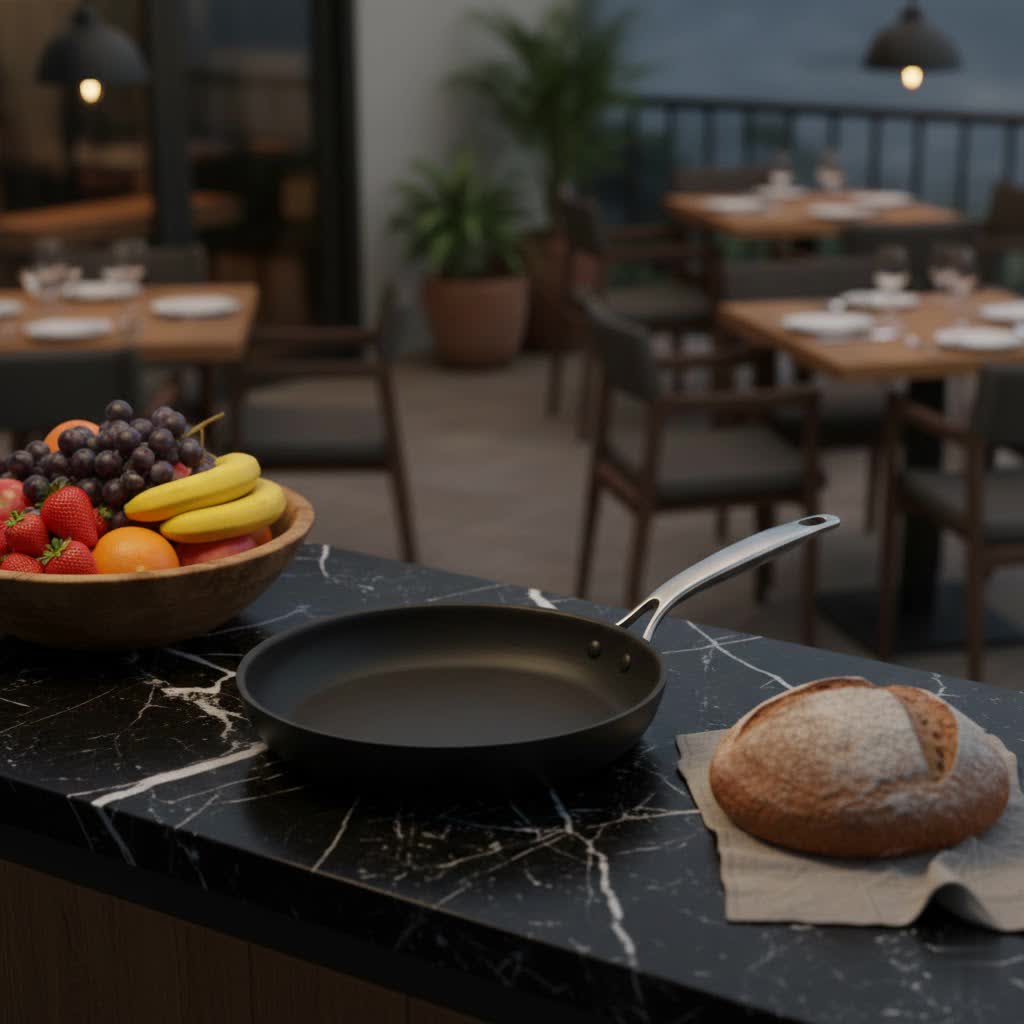
What is a Nonstick Grill Pan?
A nonstick grill pan is a specialized piece of cookware featuring a ridged cooking surface designed to replicate the grates of a traditional outdoor grill. Its primary function is to create those coveted grill marks and allow excess fat and juices to drain away from your food, promoting healthier cooking and a more intense flavor profile. Unlike flat frying pans, the raised ridges elevate food, allowing for better air circulation and contact with the heat source, which contributes to the characteristic browning and char.
The evolution of nonstick technology has made these pans a staple in modern kitchens. Early versions sometimes raised concerns about chemical coatings, but today’s nonstick grill pans utilize advanced, safer materials that deliver superior food release and durability, making indoor grilling accessible and enjoyable year-round.
Exploring Types of Nonstick Grill Pans
The world of nonstick grill pans offers a variety of choices, primarily differentiated by their core materials and coating types. Each material brings its own set of advantages and considerations to your cooking style.
By Material:
- PTFE (Polytetrafluoroethylene) – Based Coatings: Often recognized by brand names like Teflon, PTFE-based coatings are celebrated for their exceptional food release. They require very little oil, making them a popular choice for low-fat cooking and effortless cleanup. Modern PTFE coatings are PFOA-free, addressing past health concerns. However, they are generally best used over medium heat, as excessively high temperatures can shorten their lifespan and potentially cause degradation.
- Consider: Look for advanced PTFE coatings that boast enhanced durability and come with extended warranties, as some brands have developed more resilient formulations.
- Ceramic-Coated: These pans feature a mineral-based nonstick layer, often made from sand-derived silica. Ceramic coatings are a favorite among health-conscious cooks as they are typically free from PFAS, PFOA, lead, and cadmium, ensuring no toxic fumes are released even at higher temperatures. They offer excellent heat tolerance, making them suitable for searing.
- Consider: While generally safe and eco-friendly, ceramic nonstick can be less durable against scratches than some advanced PTFE, and its nonstick properties may diminish over time if not cared for meticulously.
- Hard-Anodized Aluminum with Nonstick Coating: Hard-anodized aluminum forms an incredibly durable and lightweight base for many nonstick grill pans. This material undergoes an electrochemical process that hardens the aluminum, making it scratch-resistant and highly conductive for even heat distribution. The nonstick layer, which can be either PTFE or ceramic, is then applied to this robust surface.
- Consider: These pans offer a great balance of durability, even heating, and nonstick performance. Ensure the specific nonstick coating aligns with your health and usage preferences.
- Unique Nonstick Alternatives (e.g., Jean Patrique The Whatever Pan): Some manufacturers utilize distinct surface treatments or material compositions to achieve nonstick properties without a traditional coating. These can offer unique benefits, such as the ability to preheat to higher temperatures without worrying about coating degradation or fume emission, while still providing excellent food release.
- Consider: While innovative, always review manufacturer guidelines for use and care, as they may differ from conventional nonstick pans.
|
Our Picks for the Best Nonstick Pan in 2026
As an Amazon Associate I earn from qualifying purchases.
|
||
| Num | Product | Action |
|---|---|---|
| 1 | CAROTE Nonstick Frying Pan Skillet,Non Stick Granite Fry Pan Egg Pan Omelet Pans, Stone Cookware Chef's Pan, PFOA Free,Induction Compatible(Classic Granite, 8-Inch) |

|
| 2 | Non Stick Frying Pan, 8-inch Omelette Pan with Heat Dot Temperature Indicator, Healthy Non Toxic Egg Skillet with Heat-Resistant Handle, PFOA-Free, Dishwasher Safe, Compatible with All Cooktops |
|
| 3 | Amazon Basics Non Stick Kitchen Cookware 8-Piece Set, Non-Induction, Includes Pots and Pans, Black |
|
| 4 | SENSARTE Nonstick Frying Pan Skillet with Lid, 12 Inch Large Deep Frying Pan, 5 Qt Non Stick Saute Pan with Cover, Induction Pan, Healthy Non Toxic Cooking Pan with Helper Handle, PFOA PFOS Free |
|
| 5 | Tramontina Professional 10-Inch Non Stick Frying Pan, Heavy-Gauge Aluminum Skillet with Reinforced Nonstick Coating, Red Handle, Dishwasher and Oven Safe |
|
| 6 | Amazon Basics Ceramic Nonstick Pots and Pans Cookware Set, Dishwasher & Oven Safe, Even Heating, 10-Piece Set, Copper Color |
|
| 7 | SENSARTE Nonstick Ceramic Frying Pan with Lid 8/9.5/10/11/12.5 Inch Omelet Pan Skillet, Free of Intentionally Added PFAS/PTFE Non-toxic Chef's Pan Induction Compatible Pan, Heat Resistant Handle |
|
| 8 | T-fal Ultimate Hard Anodized Nonstick Fry Pan Set 2 Piece, 10, 12 Inch, Oven Broiler Safe 400F, Cookware, Pots and Pans Set Non Stick, Kitchen Frying Pans, Cooking Skillets, Dishwasher Safe, Grey |
|
| 9 | Amazon Basics Non Stick Kitchen Cookware 15-Piece Set, Non-Induction, Includes Pots, Pans, and Utensils, Black |
|
| 10 | SENSARTE Nonstick Frying Pan Skillet, Swiss Granite Coating Omelette Pan, Healthy Stone Cookware Chef's Pan, PFOA Free (8/9.5/10/11/12.5 Inch) (9.5 Inch) |
|
By Brand Focus:
Many reputable brands offer excellent nonstick grill pans, each with its own design philosophy. Calphalon is renowned for its durable hard-anodized aluminum and long-lasting nonstick coatings. Anolon often stands out for its ergonomic, stay-cool handles and thoughtful features like deep sides and pour spouts. Brands like GreenPan and Caraway lead the market in ceramic nonstick technology, focusing on healthier, eco-friendly cooking solutions. Other brands like Rachael Ray also provide accessible and functional nonstick grill pan options.
By Size and Shape:
The size and shape of your grill pan significantly impact its utility.
- Square pans are generally preferred over round ones because they offer a larger, more efficient cooking surface, maximizing the space on your burner.
- Small pans (approximately 8-9 inches / 20-24 cm) are perfect for single servings or quick individual meals like sandwiches or a single chicken breast.
- Medium pans (approximately 10-11 inches / 26-28 cm) are the most common and versatile, ideal for cooking for 2-4 people, such as a couple of steaks or a batch of vegetables.
- Large pans (approximately 12 inches+ / 30 cm+) are best suited for larger families or when entertaining, allowing you to grill multiple items simultaneously.
Comparing Nonstick Grill Pans: A Detailed Chart
Understanding the distinctions between common nonstick grill pan types can clarify your choice.
| Feature | PTFE-Based Nonstick | Ceramic-Coated Nonstick | Hard-Anodized Aluminum (with Nonstick) |
|---|---|---|---|
| Nonstick Performance | Exceptional food release, highly slick | Very good, though can be sensitive to overheating | Excellent (quality depends on specific coating) |
| Durability | Good, but susceptible to scratching; coating can wear | Durable base, but coating may be less scratch-resistant | Very durable base; coating longevity varies |
| Heat Tolerance | Generally up to 450-500°F; avoid prolonged high heat | Often higher (e.g., 550-600°F), no toxic fumes | Varies based on coating, typically 400-450°F oven safe |
| Safety Concerns | Modern PFOA-free; avoid overheating | Generally PFAS, PFOA, lead, cadmium free | Safe, depends on the specific nonstick coating used |
| Price Range | Moderate to high | Moderate to high | Moderate to high |
| Ease of Cleaning | Very easy with soft sponge | Very easy with soft sponge | Very easy with soft sponge |
| Utensil Safety | Usually non-metal only | Some claim metal-safe, but non-metal recommended | Varies, non-metal generally recommended |
How to Choose the Right Nonstick Grill Pan
Selecting the perfect nonstick grill pan involves a few key considerations tailored to your cooking preferences and kitchen setup.
Determine Your Usage Needs:
First, reflect on your cooking habits. Are you primarily grilling delicate fish, juicy burgers, or a medley of sturdy vegetables? This will influence the ideal material. Consider the number of people you typically cook for, which will help determine the appropriate pan size. Finally, set a budget, as nonstick grill pans vary significantly in price, and a higher price often correlates with advanced features and greater durability.
Select the Appropriate Material:
- Prioritize Health & Safety? If health and environmental factors are your top concern, ceramic-coated pans, free from harmful chemicals like PFOA, PFAS, lead, and cadmium, are an excellent choice.
- Concerned About Durability? Pans with a hard-anodized aluminum base offer robust construction. Some advanced PTFE coatings also boast extended lifespans, backed by manufacturer warranties.
- Seeking Best Value? Quality PTFE-based nonstick pans can be an affordable entry point, offering excellent nonstick performance when cared for properly.
Check for Quality Features:
- Nonstick Surface Integrity: Always inspect the cooking surface for any visible flaws or scratches, even when new.
- Sturdy Handle: Look for a comfortable, ergonomic grip that feels secure and stays cool to the touch on the stovetop. If you plan to finish dishes in the oven, ensure the handle is oven-safe or easily removable.
- Cooktop Compatibility: Verify that the pan is compatible with your stove type. Induction cooktops, for example, require pans with a magnetic base.
- Deep Ridges: For authentic, prominent grill marks and effective fat drainage, choose a pan with deep, well-spaced ridges.
- Pour Spouts: These are a useful addition for effortlessly draining excess fats and liquids, making your grilled meals healthier.
- Oven Safe Temperature: If you intend to use your grill pan for stovetop-to-oven recipes, check its maximum oven-safe temperature rating.
Where to Buy:
To ensure you’re getting a genuine product with reliable warranty support, always purchase your nonstick grill pan from reputable retailers, whether online or in brick-and-mortar stores.
Tips for Using and Maintaining Your Nonstick Grill Pan
Proper care is paramount to extending the life and maintaining the performance of your nonstick grill pan.
Proper Usage:
- Preheat Properly: Always preheat your grill pan over medium to medium-high heat. Avoid dry heating nonstick pans on high for extended periods, as this can damage the coating.
- Use Appropriate Utensils: To prevent scratching the delicate nonstick surface, consistently use silicone, wooden, or heat-resistant plastic utensils. Metal spatulas can cause irreversible damage.
- Avoid Overheating: While ceramic pans can tolerate higher temperatures, generally, nonstick pans perform best and last longest when used over medium heat. Excessive heat is the enemy of nonstick coatings.
- Don’t Overcrowd: Give your food space. Overcrowding the pan can lower the surface temperature, leading to steaming instead of searing, and preventing those desired grill marks. Cook in batches if necessary.
- No Thermal Shock: Never plunge a hot nonstick grill pan into cold water. Sudden temperature changes can cause the pan to warp and compromise the integrity of the nonstick layer. Let it cool naturally on the stovetop.
Cleaning Best Practices:
- Cool Down First: Always allow your grill pan to cool completely before attempting to clean it.
- Hand Wash: Hand washing with warm, soapy water and a soft sponge or cloth is the gold standard for nonstick cookware. This gentle approach protects the coating from harsh abrasion.
- Avoid Abrasives: Steer clear of harsh detergents, abrasive cleaners, steel wool, or scouring pads, as these can easily scratch and degrade the nonstick surface.
- Thorough Drying: After washing, thoroughly dry the pan to prevent water spots and rust, especially on any exposed metal parts or screws.
- “Treat your nonstick grill pan with care, and it will serve you deliciously for years. Gentle cleaning and mindful use are key to its longevity.” – Chef Isabella Rossi, Culinary Institute Specialist.
Storage Tips:
- Protect the Surface: When storing, take precautions to prevent scratches. Use pan protectors, paper towels, or felt dividers between stacked pans. Ideally, hang your grill pan or store it separately to avoid direct contact with other heavy cookware.
Common Problems and Solutions with Nonstick Grill Pans
Even with the best intentions, you might encounter some common issues with nonstick grill pans. Knowing how to troubleshoot can save your cooking and your cookware.
- Food Sticking: This is often the first sign of a degraded nonstick coating. It can also be caused by improper preheating (too low or too high), or not using a minimal amount of oil if the pan requires it.
- Solution: Ensure you’re preheating the pan adequately over medium heat. If the coating is severely worn despite proper care, it might be time to replace the pan.
- Nonstick Coating Peeling/Scratching: This problem is almost always a result of using metal utensils, aggressive cleaning with abrasive scrubbers, or consistently overheating the pan.
- Solution: Revert to using only silicone, wooden, or plastic utensils and soft sponges. Be mindful of heat settings and avoid exposing the pan to extreme temperatures.
- Pan Warping: Warping can occur due to sudden temperature changes (thermal shock), such as placing a hot pan under cold water, or it could indicate a manufacturing defect in a lower-quality pan.
- Solution: Always allow the pan to cool completely on its own before washing. If a new, quality pan warps, check the manufacturer’s warranty.
Conclusion
Choosing the Best Nonstick Grill Pan for your kitchen can genuinely transform your indoor cooking experience, bringing delicious, char-grilled flavors to your table year-round. By understanding the different materials available, carefully considering key features like ridge depth, handle design, and cooktop compatibility, and committing to proper usage and care, you can find a pan that perfectly meets your culinary needs. Investing in a quality nonstick grill pan means enjoying healthier meals with easy cleanup, making it an indispensable tool for any home cook eager to savor grilled goodness anytime. What culinary creations will you grill up first with your new pan?
Frequently Asked Questions
What types of food are best for a nonstick grill pan?
Nonstick grill pans excel at cooking delicate foods like fish fillets, shrimp, chicken breasts, and vegetables, as well as classic items like burgers and sandwiches. The nonstick surface ensures easy food release and straightforward cleanup.
Can I use metal spatulas on my nonstick grill pan?
Generally, it is best to avoid metal utensils on nonstick surfaces to prevent scratching and damaging the coating. Opt for silicone, wooden, or heat-resistant plastic spatulas to prolong the life of your pan, even if some brands claim to be metal-utensil safe.
How do I get distinct grill marks on a nonstick pan?
To achieve prominent grill marks, ensure your pan is properly preheated to a medium-high heat. Do not overcrowd the pan, and allow food to cook undisturbed for a few minutes on each side before flipping, creating good contact with the ridges.
Are nonstick grill pans safe?
Modern nonstick grill pans are generally safe, especially those labeled PFOA-free, PFAS-free, lead-free, and cadmium-free. Always follow manufacturer instructions and avoid overheating your pan, as extreme temperatures can degrade some coatings over time.
How do I clean a nonstick grill pan effectively?
Allow the pan to cool completely after use. Then, wash it by hand with warm, soapy water and a soft sponge or cloth. Avoid abrasive cleaners, harsh detergents, or scouring pads that could scratch the nonstick surface. Always dry thoroughly before storing.
Can I put my nonstick grill pan in the dishwasher?
While some nonstick grill pans are labeled dishwasher-safe, hand washing is almost always recommended to preserve the nonstick coating and extend the pan’s lifespan. Dishwasher detergents and high heat can be harsh on nonstick surfaces, potentially shortening their effectiveness.
