Navigating the vast world of nonstick frying pans can feel overwhelming, with countless options differing in material, brand, and price. As someone with over a decade of experience in home appliances, especially nonstick cookware, I understand the challenges in finding a pan that truly fits your needs. This guide aims to simplify your decision, blending practical experience with deep product knowledge to help you choose a nonstick pan that is not only effective but also safe and durable for your everyday cooking.
What is a Nonstick Frying Pan?
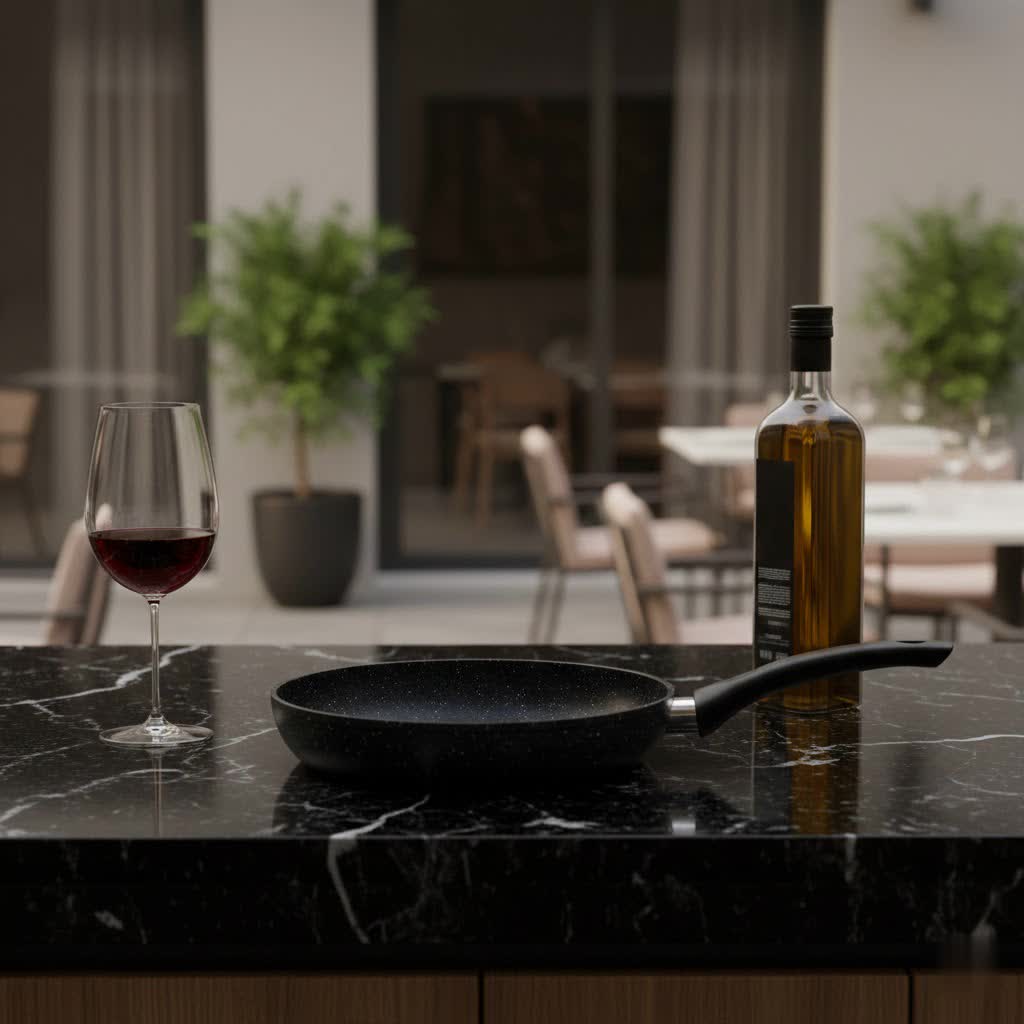
A nonstick frying pan is a kitchen essential designed to prevent food from adhering to its surface during cooking, making delicate tasks like frying eggs, flipping pancakes, or sautéing fish significantly easier. The magic lies in a specialized coating applied to the pan’s cooking surface. Historically, this technology revolutionized cooking, allowing for less oil and simpler cleanup. Over the years, advancements have focused heavily on enhancing both performance and safety, moving away from early formulations that raised health concerns to today’s diverse range of innovative coatings.
Common Types of Nonstick Frying Pans
The nonstick pan market offers a variety of choices, primarily differentiated by the materials used in their construction and coating. Understanding these differences is key to making an informed decision.
By Material/Coating
- PTFE (Teflon-based): Polytetrafluoroethylene, commonly known by the brand name Teflon, is a synthetic polymer that offers exceptional nonstick properties.
- Pros: Superior nonstick release, often more affordable, widely available.
- Cons: Historical concerns due to PFOA (Perfluorooctanoic Acid) used in older manufacturing processes. Modern PTFE pans are PFOA-free, but overheating (above 500°F/260°C) can still cause the coating to degrade and release fumes, which is why experts recommend using them on low to medium heat. They are also prone to scratching if metal utensils are used.
- Ceramic: Ceramic nonstick coatings are made from silica, a derivative of sand, and are often promoted as a “green” or “non-toxic” alternative, typically free from PFOA, PTFE, and PFAS (Per- and Polyfluoroalkyl Substances).
- Pros: Generally considered very safe, environmentally friendly, good heat resistance (though still best used at medium heat to preserve the coating), and often visually appealing.
- Cons: Can be less durable than PTFE coatings over time, potentially more susceptible to chipping and scratching, and their nonstick properties may diminish faster with improper care.
- Titanium/Granite (Reinforced Coatings): These materials are often infused into ceramic or other nonstick coatings to enhance durability and scratch resistance. They are not nonstick agents themselves but rather strengthen the existing coating.
- Pros: Significantly improved hardness and lifespan compared to basic coatings, often still PFOA/PTFE/PFAS-free depending on the base coating.
- Cons: Generally higher in price, and it’s essential to verify the underlying coating material to ensure it aligns with your safety preferences.
- Carbon Steel (Seasoned): A durable and versatile material, carbon steel pans can develop a natural nonstick surface through a process called seasoning (polymerization of oil). They are inherently free of synthetic chemical coatings.
- Pros: Extremely durable, can withstand very high temperatures, lighter than cast iron, naturally nonstick with proper care, and completely chemical-free.
- Cons: Requires an initial seasoning process and ongoing maintenance (like cast iron), not nonstick immediately out of the box, and acidic foods can strip the seasoning.
|
Our Picks for the Best Nonstick Pan in 2026
As an Amazon Associate I earn from qualifying purchases.
|
||
| Num | Product | Action |
|---|---|---|
| 1 | Tramontina Professional 10-Inch Non Stick Frying Pan, Heavy-Gauge Aluminum Skillet with Reinforced Nonstick Coating, Red Handle, Dishwasher and Oven Safe |

|
| 2 | Amazon Basics Non Stick Kitchen Cookware 15-Piece Set, Non-Induction, Includes Pots, Pans, and Utensils, Black |
|
| 3 | CAROTE Nonstick Frying Pan Skillet,Non Stick Granite Fry Pan Egg Pan Omelet Pans, Stone Cookware Chef's Pan, PFOA Free,Induction Compatible(Classic Granite, 8-Inch) |
|
| 4 | SENSARTE Nonstick Frying Pan Skillet with Lid, 12 Inch Large Deep Frying Pan, 5 Qt Non Stick Saute Pan with Cover, Induction Pan, Healthy Non Toxic Cooking Pan with Helper Handle, PFOA PFOS Free |
|
| 5 | SENSARTE Nonstick Frying Pan Skillet, Swiss Granite Coating Omelette Pan, Healthy Stone Cookware Chef's Pan, PFOA Free (8/9.5/10/11/12.5 Inch) (9.5 Inch) |
|
| 6 | T-fal Ultimate Hard Anodized Nonstick Fry Pan Set 2 Piece, 10, 12 Inch, Oven Broiler Safe 400F, Cookware, Pots and Pans Set Non Stick, Kitchen Frying Pans, Cooking Skillets, Dishwasher Safe, Grey |
|
| 7 | Amazon Basics Non Stick Kitchen Cookware 8-Piece Set, Non-Induction, Includes Pots and Pans, Black |
|
| 8 | SENSARTE Nonstick Ceramic Frying Pan with Lid 8/9.5/10/11/12.5 Inch Omelet Pan Skillet, Free of Intentionally Added PFAS/PTFE Non-toxic Chef's Pan Induction Compatible Pan, Heat Resistant Handle |
|
| 9 | Non Stick Frying Pan, 8-inch Omelette Pan with Heat Dot Temperature Indicator, Healthy Non Toxic Egg Skillet with Heat-Resistant Handle, PFOA-Free, Dishwasher Safe, Compatible with All Cooktops |
|
| 10 | Amazon Basics Ceramic Nonstick Pots and Pans Cookware Set, Dishwasher & Oven Safe, Even Heating, 10-Piece Set, Copper Color |
|
By Brand
Many reputable brands offer a range of nonstick pans, each with its unique advantages:
- GreenPan & Caraway: Pioneers in ceramic nonstick, known for their PFOA/PTFE/PFAS-free offerings and often stylish designs.
- Made In & All-Clad: Offer high-performance nonstick options, including ceramic-clad and hard-anodized aluminum, often praised for even heating and professional-grade quality.
- Tramontina & OXO: Provide excellent value, with options in both traditional PFOA-free PTFE and ceramic, known for reliable nonstick performance and durability at accessible price points.
- Misen: Offers innovative carbon steel options, focusing on a coating-free, naturally nonstick surface that improves with use.
- Le Creuset & Zwilling: Known for premium cookware, including durable nonstick lines that prioritize performance and longevity.
By Size
Choosing the right pan size is crucial for efficient cooking and depends on your household’s needs.
- Small (16-20 cm / 6-8 inches): Ideal for single servings, omelets, frying one or two eggs, or heating small portions of food. Perfect for individuals or small households.
- Medium (24-28 cm / 9.5-11 inches): The most popular and versatile size, suitable for families of 2-4 people. Great for stir-fries, multiple eggs, sautéing vegetables, or cooking chicken breasts.
- Large (30 cm+ / 12 inches+): Best for larger families, cooking for guests, or preparing bigger batches of food. Excellent for one-pan meals, searing multiple steaks, or large sautés.
Comparing Nonstick Frying Pan Types
To help you visualize the key differences, here’s a comparison of the most common nonstick pan types:
| Feature | Modern PTFE (PFOA-free) | Ceramic (PFOA/PTFE/PFAS-free) | Carbon Steel (Seasoned) |
|---|---|---|---|
| Primary Coating/Surface | Synthetic polymer (e.g., Teflon) | Silica-based gel (sand derivative) | Polymerized oil on carbon steel metal |
| Nonstick Performance | Excellent, very slick | Good to very good, can degrade faster | Excellent once well-seasoned |
| Health & Safety | Safe when used below 500°F (260°C) | Generally considered very safe | Completely chemical-free coating |
| Durability | Moderate, prone to scratches | Moderate, prone to chipping/scratches | High, lasts decades with proper care |
| Heat Tolerance | Max 500°F (260°C), avoid high heat | Max ~450°F (232°C), avoid high heat | Very high (up to 1100°F/593°C) |
| Care Required | Gentle hand washing, no metal tools | Gentle hand washing, no metal tools | Hand wash, re-seasoning, specific drying |
| Price Range | Low to Mid | Mid to High | Mid to High |
| Maintenance | Relatively low | Relatively low | Moderate to high (seasoning) |
How to Choose the Right Safe Nonstick Frying Pan
Selecting the perfect nonstick pan involves considering your cooking style, health priorities, and practical needs.
Determine Your Usage Needs
Before diving into materials, think about how you’ll use the pan:
- What do you cook most often? Delicate items like eggs and fish benefit most from nonstick. If you primarily sear meats at high heat, a carbon steel or cast iron pan might be better for those tasks, reserving nonstick for lighter cooking.
- How many people do you cook for? This will dictate the ideal pan size. A 10-inch (24-26 cm) pan is a great all-rounder for most households.
- What’s your budget? Nonstick pans range widely in price. While you don’t always need to splurge, investing a bit more can often mean better durability and safer materials.
- What kind of stovetop do you have? Ensure the pan is compatible with your cooktop, especially if you have induction. Many pans now feature induction-compatible bases.
Prioritize Material and Safety
This is often the most critical factor for health-conscious cooks.
- “PFOA-Free” is standard: Most modern nonstick pans are PFOA-free. However, for maximum peace of mind, look for pans explicitly labeled “PFAS-free” and “PTFE-free” if you want to avoid these chemicals entirely. Ceramic and seasoned carbon steel pans typically meet this criterion.
- Consider ceramic: For a generally safe and chemical-free option, ceramic nonstick is a popular choice. Just be aware of its potential for reduced longevity compared to other types if not meticulously cared for.
- Explore carbon steel: If you’re willing to invest in seasoning and maintenance, carbon steel offers a naturally nonstick, chemical-free surface that becomes more nonstick with age and is incredibly durable.
Inspect Pan Quality
A quick visual and tactile inspection can tell you a lot about a pan’s quality.
- Nonstick surface: Check for any visible scratches or imperfections. A smooth, even coating is essential.
- Handle: Ensure the handle is sturdy, comfortable to grip, and securely attached. Heat-resistant handles are a significant plus if you frequently use high heat or transfer pans to the oven.
- Base: A flat, thick base promotes even heat distribution and prevents warping, which can be a common issue with lower-quality pans.
Purchase from Reputable Sources
Buy your nonstick pan from well-known retailers or directly from established brands. This ensures you receive an authentic product with reliable safety certifications and a warranty. Online reviews from trusted sources can also provide valuable insights into a pan’s real-world performance and durability.
Tips for Using and Maintaining Your Nonstick Frying Pan
Proper care is paramount to extending the life and maintaining the safety of your nonstick pan.
Proper Usage
- Avoid Extreme High Heat: For most nonstick coatings (especially ceramic and PTFE), use low to medium heat. High heat can damage the coating, cause it to degrade, or release fumes. If you need high heat, opt for cast iron or carbon steel.
- Use Gentle Utensils: Metal utensils are the archenemy of nonstick coatings. Always use silicone, wood, or plastic spatulas and spoons to prevent scratching.
- Avoid Thermal Shock: Never plunge a hot nonstick pan into cold water. This can cause the pan to warp or damage the coating. Let it cool down gradually.
- Use Minimal Oil/Fat: While nonstick pans reduce the need for excessive oil, a small amount is still recommended for flavor and to help preserve the coating. Avoid aerosol cooking sprays, as they can sometimes leave a residue that builds up and damages the nonstick surface.
Correct Cleaning
- Hand Wash Gently: The best way to clean a nonstick pan is by hand with warm, soapy water and a soft sponge or cloth.
- Say No to Abrasives: Avoid abrasive scrubbers, steel wool, or harsh chemical detergents, as these will scratch and degrade the nonstick coating.
- Dry Thoroughly: After washing, dry the pan completely to prevent water spots and rust (especially for carbon steel).
Safe Storage
- Prevent Scratches: Nonstick pans are best stored separately, either by hanging them or placing pan protectors between them if stacking. This prevents other cookware from scratching the delicate surface.
- Season Carbon Steel: For carbon steel pans, a thin layer of cooking oil applied after cleaning and drying helps maintain the seasoning and prevents rust.
Common Issues and Solutions
Even with the best intentions, you might encounter some common problems with nonstick pans.
- Food Sticking: If your coated nonstick pan starts to stick, it might be due to overheating, a worn-out coating, or residue buildup. Try lowering the heat, cleaning it thoroughly, and ensuring no cooking spray residue is present. For carbon steel, it usually means the seasoning needs to be rebuilt or improved.
- Coating Peeling/Scratching: This is often a sign of improper use (metal utensils, high heat) or simply the end of the pan’s lifespan. Once the coating is significantly damaged, it’s generally best to replace the pan.
- Pan Warping: Warping, where the bottom of the pan becomes uneven, is usually caused by rapid temperature changes (thermal shock) or poor construction. While minor warping might still be usable, severe warping affects heating efficiency and often means it’s time for a replacement. To prevent this, always let your pan cool before washing.
Conclusion
Choosing the best safe nonstick frying pan requires a balance of understanding material properties, safety considerations, and practical usage needs. Whether you opt for a modern PFOA-free PTFE pan for its superior slickness, a PFAS-free ceramic pan for maximum chemical avoidance, or a seasoned carbon steel pan for unmatched durability and natural nonstick, diligent care is the universal key to longevity. By making an informed choice and adhering to proper usage and maintenance, you can ensure your nonstick pan remains a reliable, healthy, and invaluable tool in your kitchen for years to come. What culinary creations will your new nonstick pan inspire you to make?
Frequently Asked Questions
Are PFOA-free nonstick pans truly safe?
Yes, modern nonstick pans labeled “PFOA-free” are generally considered safe for everyday cooking, as PFOA was phased out of manufacturing processes globally. However, some consumers prioritize “PFAS-free” options like ceramic or seasoned carbon steel to avoid the broader class of “forever chemicals.”
How long do nonstick pans typically last?
The lifespan of a nonstick pan varies greatly by material and care. PTFE and ceramic coated pans typically last 1 to 5 years, with their nonstick properties diminishing over time. Carbon steel pans, when properly seasoned and maintained, can last for decades.
Can I use my nonstick pan in the oven?
Many nonstick pans are oven-safe, but the maximum temperature varies by brand and material, often ranging from 350°F to 500°F (175°C to 260°C). Always check the manufacturer’s instructions for the specific temperature limits of your pan, especially regarding the handle material.
What are PFAS and why should I avoid them?
PFAS (Per- and Polyfluoroalkyl Substances) are a group of synthetic chemicals, including PFOA and PTFE, sometimes called “forever chemicals” because they persist in the environment and human body. While PTFE itself is generally inert, concerns exist about the broader PFAS family and their potential health impacts, leading many to seek PFAS-free alternatives.
Is ceramic nonstick better than Teflon?
“Better” depends on your priorities. Ceramic nonstick is often preferred for being PFOA/PTFE/PFAS-free, offering a chemical-free cooking surface. Teflon (PTFE) often provides superior and longer-lasting nonstick performance. Both require careful use to maintain their coatings and prevent degradation.
