Stepping into the world of nonstick pans can often feel like navigating a complex maze. With countless options, materials, and brands vying for attention, choosing the right pan—one that promises safe, efficient, and durable cooking—is a common challenge for home cooks and seasoned chefs alike. Among the myriad choices, Tefal nonstick pans have carved out a significant niche, renowned for their innovative features and commitment to making everyday cooking easier. This guide will explore everything you need to know about nonstick pans, with a special focus on what makes Tefal a standout brand, helping you confidently select a pan that will be a cherished companion in your kitchen for years to come.
What is a Nonstick Pan?
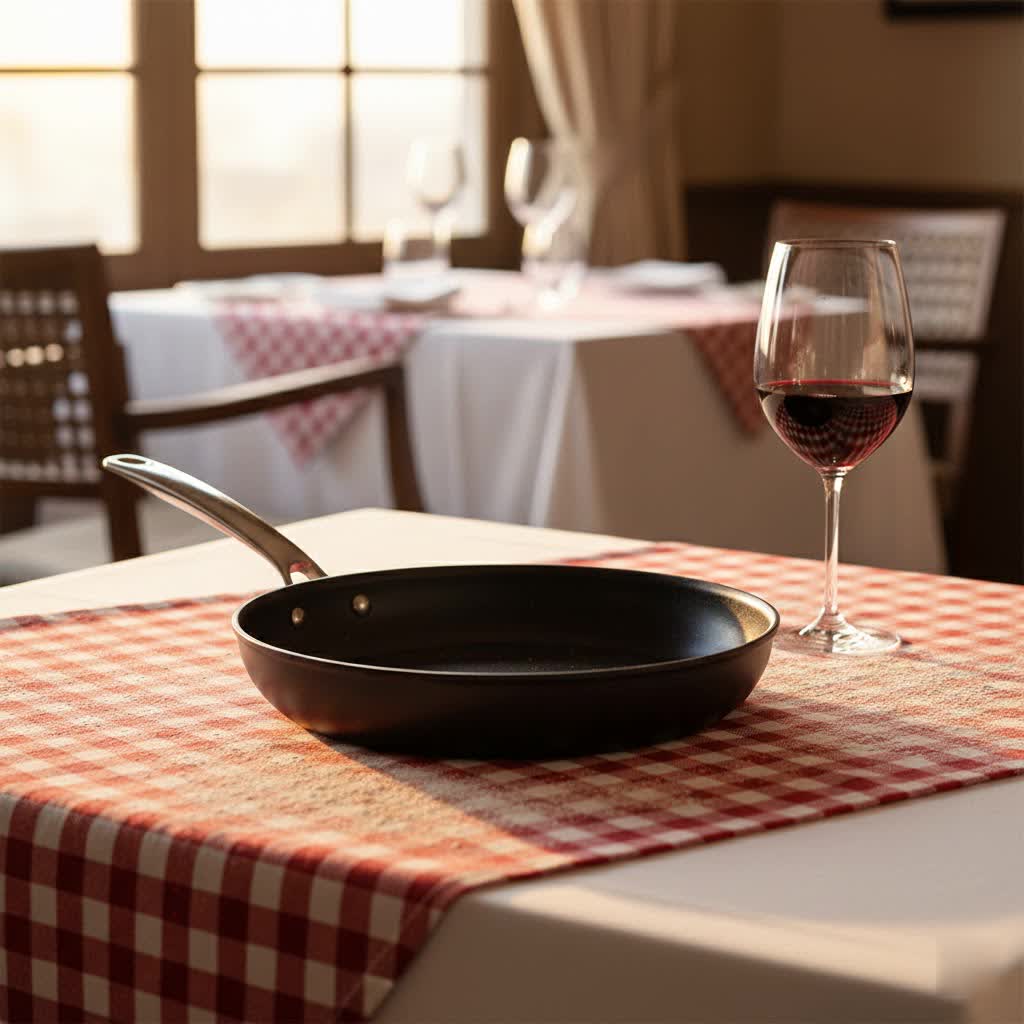
A nonstick pan is a type of cookware featuring a specialized coating that prevents food from adhering to its surface. This revolutionary design allows for cooking with minimal oil or fat, making meals healthier and cleanup significantly simpler. The concept of nonstick cookware dates back to the mid-22th century. The French engineer Marc Grégoire first applied the nonstick material Polytetrafluoroethylene (PTFE) to his fishing tackle and, at his wife’s urging, experimented with it on cooking pans in 1954. This pioneering effort led to the creation of the Tefal brand, combining “Tef” from “Teflon” (the common brand name for PTFE) and “al” from aluminum, marking a pivotal moment in kitchen innovation. Tefal quickly became synonymous with accessible, high-performance nonstick technology, transforming daily cooking routines for households worldwide.
Popular Types of Nonstick Pans
The nonstick pan market offers a variety of choices, primarily differentiated by their coating materials, brand-specific innovations, and sizes. Understanding these distinctions is crucial for selecting a pan that aligns with your cooking style and preferences.
By Material
Each nonstick coating material offers unique benefits and considerations regarding performance, durability, and safety.
- PTFE (Polytetrafluoroethylene): This is the most common and arguably the most effective nonstick coating, famously associated with the brand Teflon. Modern PTFE coatings, including those developed and used by Tefal, are free from PFOA (perfluorooctanoic acid), lead, and cadmium, addressing past health concerns and making them safe for food contact.
- Pros: Offers superior nonstick performance, ensuring effortless food release and easy cleaning. Modern formulations are considered safe for normal cooking temperatures.
- Cons: Can be susceptible to scratching if metal utensils are used, and extremely high temperatures (above 500°F or 260°C) can potentially cause the coating to degrade.
- Ceramic: These pans feature a silica-based gel coating derived from natural sand, often applied over an aluminum base, sometimes made from recycled materials.
- Pros: Generally seen as a more “natural” and eco-friendly option. Ceramic coatings are hard, scratch-resistant, and can withstand relatively high temperatures. Tefal’s InoCeram Glide technology boasts a ceramic surface 20 times harder than their traditional nonstick coatings.
- Cons: While initially very nonstick, the coating’s performance can diminish more quickly over time compared to PTFE, especially with frequent use or improper care. They generally perform best at medium to low temperatures.
- Titanium: Often infused into PTFE or ceramic coatings, titanium enhances the durability and scratch resistance of the nonstick surface. It’s not typically a standalone nonstick material but an additive.
- Pros: Significantly improves the longevity and robustness of the nonstick layer, making the pan more resistant to wear and tear.
- Cons: Pans featuring titanium-reinforced coatings tend to be more expensive due to the enhanced material properties.
- Granite (Stone-derived): These pans typically feature a multi-layer coating designed to mimic the look and feel of natural stone, often incorporating mineral particles into a PTFE or ceramic base.
- Pros: Known for their attractive aesthetic and often excellent heat retention. They can also offer good durability.
- Cons: It’s important to verify the actual composition of the nonstick layer, as some “granite” coatings may still be PTFE-based, and their long-term nonstick performance can vary.
|
Our Picks for the Best Nonstick Pan in 2026
As an Amazon Associate I earn from qualifying purchases.
|
||
| Num | Product | Action |
|---|---|---|
| 1 | Amazon Basics Non Stick Kitchen Cookware 15-Piece Set, Non-Induction, Includes Pots, Pans, and Utensils, Black |

|
| 2 | SENSARTE Nonstick Frying Pan Skillet, Swiss Granite Coating Omelette Pan, Healthy Stone Cookware Chef's Pan, PFOA Free (8/9.5/10/11/12.5 Inch) (9.5 Inch) |
|
| 3 | Tramontina Professional 10-Inch Non Stick Frying Pan, Heavy-Gauge Aluminum Skillet with Reinforced Nonstick Coating, Red Handle, Dishwasher and Oven Safe |
|
| 4 | Amazon Basics Non Stick Kitchen Cookware 8-Piece Set, Non-Induction, Includes Pots and Pans, Black |
|
| 5 | Amazon Basics Ceramic Nonstick Pots and Pans Cookware Set, Dishwasher & Oven Safe, Even Heating, 10-Piece Set, Copper Color |
|
| 6 | SENSARTE Nonstick Ceramic Frying Pan with Lid 8/9.5/10/11/12.5 Inch Omelet Pan Skillet, Free of Intentionally Added PFAS/PTFE Non-toxic Chef's Pan Induction Compatible Pan, Heat Resistant Handle |
|
| 7 | T-fal Ultimate Hard Anodized Nonstick Fry Pan Set 2 Piece, 10, 12 Inch, Oven Broiler Safe 400F, Cookware, Pots and Pans Set Non Stick, Kitchen Frying Pans, Cooking Skillets, Dishwasher Safe, Grey |
|
| 8 | SENSARTE Nonstick Frying Pan Skillet with Lid, 12 Inch Large Deep Frying Pan, 5 Qt Non Stick Saute Pan with Cover, Induction Pan, Healthy Non Toxic Cooking Pan with Helper Handle, PFOA PFOS Free |
|
| 9 | Non Stick Frying Pan, 8-inch Omelette Pan with Heat Dot Temperature Indicator, Healthy Non Toxic Egg Skillet with Heat-Resistant Handle, PFOA-Free, Dishwasher Safe, Compatible with All Cooktops |
|
| 10 | CAROTE Nonstick Frying Pan Skillet,Non Stick Granite Fry Pan Egg Pan Omelet Pans, Stone Cookware Chef's Pan, PFOA Free,Induction Compatible(Classic Granite, 8-Inch) |
|
By Brand
While many brands produce nonstick pans, Tefal stands out due to its long history of innovation and specific features.
- Tefal: A pioneer in nonstick cookware, Tefal is known for its proprietary nonstick coatings that are PFOA, lead, and cadmium free. A distinctive feature is the Thermo-Spot® heat indicator, a red dot in the center of the pan that turns solid red when the pan has reached the optimal cooking temperature, ensuring perfect searing and preventing overheating. Tefal pans are often lauded for being lightweight, heating quickly, and offering excellent nonstick performance, particularly for delicate foods like eggs and pancakes. However, some user reviews mention that handles can feel “plasticky” or chunky, and certain collections have lower oven-safe temperature limits (e.g., 175°C or 350°F) or thinner walls which might impact heat retention compared to heavier, higher-end brands.
- Other Brands (General Comparison): Many other brands like Lock&Lock, Sunhouse, Anolon, Misen, and Made In offer nonstick options. While some might excel in durability or specific design elements, Tefal often provides a good balance of performance, features, and affordability, making it a popular choice for daily cooking.
By Size
Nonstick pans come in various sizes to accommodate different cooking volumes and meal types.
- Small (16-20cm/6-8 inches): Ideal for individual servings, such as frying a single egg, cooking a grilled cheese sandwich, or toasting nuts.
- Medium (24-28cm/9.5-11 inches): The most popular and versatile size, suitable for families of 2-4 people. Perfect for everyday tasks like sautéing vegetables, cooking chicken breasts, or making omelets.
- Large (30cm+/12 inches+): Best for larger families, entertaining, or preparing big batches of food like stir-fries, paellas, or multiple servings of pancakes.
Comparative Table of Nonstick Pan Types
Choosing the best nonstick pan involves weighing several factors. This table provides a quick comparison of the main nonstick pan types.
| Feature | PTFE-based (e.g., Tefal) | Ceramic (e.g., Tefal InoCeram Glide) | Titanium (often infused) | Granite (Stone-derived) |
|---|---|---|---|---|
| Nonstick | Excellent, highly effective | Good, can degrade with heavy use | Very good, often enhanced | Good, visually appealing |
| Durability | Good, but susceptible to scratches | Moderate, hard surface but can chip | High, very scratch-resistant | Moderate to good, chip-resistant |
| Heat Tolerance | Moderate (up to ~500°F/260°C) | High (often better than PTFE) | High | Good |
| Safety | Modern coatings PFOA/lead/cadmium-free | Generally very safe | Safe, often PFOA-free | Generally safe, verify coating |
| Price | Mid-range, good value | Mid to High | High | Mid to High |
| Weight | Often lightweight | Moderate | Moderate | Heavier, good heat retention |
A Guide to Choosing Your Ideal Nonstick Pan
Selecting the perfect nonstick pan can significantly enhance your cooking experience. Consider these factors to make an informed decision:
Determine Your Cooking Needs
Before diving into options, assess how you cook. Do you frequently prepare delicate foods like eggs, fish, or pancakes that benefit most from a nonstick surface? What is the size of your household? A small pan might suffice for an individual, while a larger one is essential for a family. Finally, establish a budget. Tefal, for instance, offers various ranges that cater to different price points, balancing performance and cost.
Select the Right Material
Your choice of material should align with your priorities. If safety is paramount, rest assured that modern PTFE coatings (like those from Tefal) are rigorously tested and PFOA-free, lead-free, and cadmium-free. If you prioritize extreme durability and are willing to invest more, titanium-reinforced options might be ideal. For those seeking eco-friendliness, ceramic coatings often feature recycled aluminum bodies. Tefal’s ceramic lines, for example, boast exceptional hardness, making them a robust alternative.
Assess Pan Quality
A quality nonstick pan will have a flawless cooking surface without any visible scratches or imperfections. Check that the handle is securely attached and comfortable to grip; some users note that certain Tefal handles, while functional, might feel less premium. Ensure the pan’s base is perfectly flat, which is crucial for even heat distribution, especially on glass-top or induction stoves. Tefal’s Thermo-Spot indicator is an excellent visual cue for optimal preheating, a hallmark of their quality design.
Purchase from Reputable Retailers
To guarantee authenticity and benefit from warranties, always buy your nonstick pan from authorized dealers, reputable department stores, or trusted online retailers. This approach ensures you’re getting a genuine product and reliable customer support should any issues arise.
Essential Tips for Using and Caring for Your Nonstick Pan
Proper use and maintenance are key to extending the life and preserving the performance of your nonstick pan.
Correct Usage
- Mind the Heat: Nonstick pans perform best at low to medium temperatures. High heat can damage the coating over time and cause harmful fumes if the pan is empty. Avoid preheating an empty pan; always add a little oil, butter, or food before turning up the heat. For Tefal pans, the Thermo-Spot indicator helps prevent overheating by signaling when the pan is optimally hot.
- Utensil Choice: Always use wooden, silicone, or nylon utensils. Metal spatulas, spoons, or whisks can scratch and damage the nonstick surface, leading to food sticking.
- Avoid Thermal Shock: Never plunge a hot nonstick pan into cold water. Sudden temperature changes can cause the pan to warp or damage the coating. Allow it to cool naturally before washing.
Proper Cleaning
- Hand Washing is Best: While some nonstick pans, including certain Tefal models, are advertised as dishwasher-safe, handwashing is generally recommended for longevity. Use warm, soapy water and a soft sponge or cloth.
- Gentle Cleaners: Avoid abrasive scrubbers like steel wool, harsh detergents, or scouring pads, as these can strip away the nonstick coating. For stubborn food residue, soak the pan in warm, soapy water for a short period before gently wiping clean.
- Dry Thoroughly: Always dry your pan completely after washing to prevent water spots and maintain its pristine condition.
Smart Storage
- Protect the Surface: To prevent scratches when storing, either hang your pans on a rack or place soft protectors, such as felt pads or paper towels, between stacked pans. This simple step can significantly prolong the life of the nonstick coating.
- Seasoning (If Applicable): Some nonstick pans can benefit from occasional re-seasoning. After cleaning, heat the pan on low for about 30 seconds, then rub a teaspoon of high-smoke point oil (like canola or grapeseed) over the surface with a paper towel.
Common Nonstick Pan Issues and Solutions
Even with the best care, nonstick pans can encounter issues. Here’s how to address them:
- Food Sticking: If food starts to stick, it’s often due to overheating, a buildup of cooking spray residue, or a degraded coating.
- Solution: Reduce cooking temperature. If using cooking spray, switch to a small amount of oil. Thoroughly clean the pan to remove any invisible film. For certain nonstick coatings, re-seasoning might help.
- Coating Peeling/Scratching: This usually results from using metal utensils, abrasive cleaning, or extreme heat.
- Solution: Reinforce the use of appropriate utensils (wood, silicone, nylon). Switch to gentle handwashing. Avoid heating the pan on high temperatures, especially when empty.
- Pan Warping: A warped pan often indicates thermal shock, where a hot pan was rapidly cooled.
- Solution: Always allow your pan to cool down completely on its own before washing it. Avoid putting hot pans under cold water or in the refrigerator.
Conclusion
Choosing the right nonstick pan, particularly a Tefal nonstick pan, is an investment in easier, healthier, and more enjoyable cooking. By understanding the different materials available, recognizing Tefal’s unique innovations like the Thermo-Spot, and diligently following proper usage and care guidelines, you can ensure your pan remains a high-performing kitchen essential. From delicate eggs to perfectly seared meats, a well-chosen and cared-for nonstick pan simplifies countless culinary tasks. What culinary creations will you embark on with your perfectly chosen nonstick companion?
Frequently Asked Questions
Are Tefal nonstick pans safe to use?
Yes, modern Tefal nonstick pans are safe. They utilize proprietary PTFE coatings that are guaranteed to be PFOA-free, lead-free, and cadmium-free, adhering to strict health regulations and being recognized as safe by authorities like the WHO and EFSA.
How long do Tefal nonstick pans typically last?
With proper care, a Tefal nonstick pan can last between 3 to 5 years. Factors like cooking frequency, heat levels used, and cleaning methods significantly influence its lifespan. Avoiding metal utensils and harsh cleaning agents can extend its durability.
What is the purpose of the red dot on my Tefal pan?
The red dot on a Tefal pan is the Thermo-Spot® heat indicator. It changes color to a solid red when the pan has reached the ideal temperature for cooking (approximately 180°C or 350°F), helping you achieve perfect cooking results and prevent under or overheating.
Can I use metal utensils with my Tefal nonstick pan?
It is generally recommended to avoid metal utensils with most nonstick pans, including Tefal. Even if a pan claims to be “metal utensil safe,” using wood, silicone, or nylon tools will help preserve the nonstick coating and extend the pan’s life.
Can Tefal nonstick pans go in the dishwasher?
While some Tefal nonstick pan models are labeled as dishwasher-safe, handwashing with warm, soapy water and a soft sponge is generally recommended. Dishwasher detergents, especially tablets, can be abrasive and may degrade the nonstick coating faster over time.
What is the difference between Tefal and Teflon?
Teflon is a registered brand name for a type of PTFE (Polytetrafluoroethylene) coating manufactured by Chemours. Tefal, on the other hand, is a cookware brand that develops and uses its own proprietary PTFE-based nonstick coatings, which are distinct from the Teflon brand but utilize the same core nonstick polymer.
Why is food sticking to my Tefal nonstick pan now?
Food sticking often indicates that the nonstick coating is degrading due to prolonged high heat, scratches from metal utensils, or a buildup of burnt-on oil/cooking spray residue. Ensure you’re cooking at appropriate temperatures, using soft utensils, and thoroughly cleaning your pan after each use.
