Selecting the right nonstick frying pan for a glass top stove can be a daunting task. With countless options ranging in materials, brands, and price points, it’s easy to feel overwhelmed. As someone with over a decade of experience in home appliances, particularly nonstick cookware, I understand the unique challenges and considerations involved. This comprehensive guide will equip you with the knowledge to make an informed decision, focusing on safety, durability, and performance, ensuring you find a nonstick frying pan that enhances your daily cooking experience on a glass top surface.
What is a Nonstick Frying Pan?
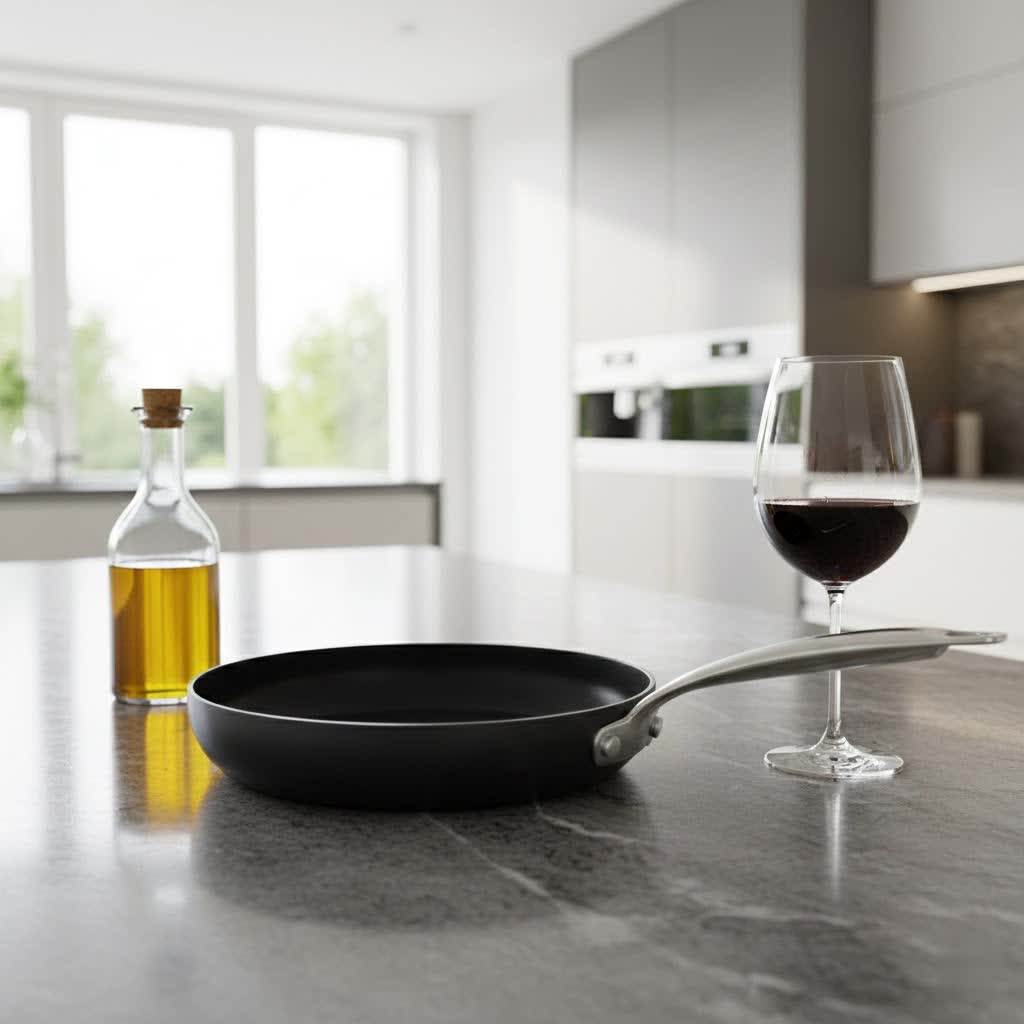
A nonstick frying pan is a kitchen essential designed with a specialized coating that prevents food from adhering to its surface, making cooking and cleanup significantly easier. The primary purpose of this coating is to create a low-friction barrier, allowing ingredients like eggs, delicate fish, and pancakes to slide off effortlessly without excessive oil or butter. The evolution of nonstick technology has seen various innovations since its inception, moving from early polymer coatings to more advanced ceramic and reinforced options, all aimed at delivering convenient, mess-free cooking.
Types of Nonstick Frying Pans Suitable for Glass Top Stoves
When choosing a nonstick frying pan for a glass top stove, the material of both the coating and the pan’s core is crucial. These factors influence not only nonstick performance and durability but also how safely and effectively the pan interacts with your stove’s delicate surface. Pans must have a smooth, flat bottom to ensure even heat distribution and prevent scratching the glass.
By Coating Material
- PTFE (Polytetrafluoroethylene), commonly known as Teflon:
- Advantages: Offers superior nonstick release, requiring minimal oil, and is generally more affordable. Modern PTFE coatings are PFOA-free, addressing past health concerns associated with high heat.
- Disadvantages: Can be susceptible to scratching and can degrade if consistently overheated, potentially releasing fumes if temperatures exceed 500°F (260°C). Not ideal for very high-heat searing.
- Ceramic Coatings:
- Advantages: Often marketed as “green” or “natural,” ceramic coatings are typically mineral-based and free from PTFE, PFOA, and other perfluorinated chemicals (PFAS). They can often withstand slightly higher temperatures than traditional PTFE and are considered a safer option by many.
- Disadvantages: While initially excellent, ceramic nonstick properties tend to degrade faster than PTFE over time. They require careful use and cleaning to maintain their performance and can be more expensive.
- Titanium-Reinforced Nonstick Coatings:
- Advantages: Titanium particles are often integrated into PTFE or ceramic coatings to enhance durability and scratch resistance. This reinforcement helps the nonstick surface last longer, making the pan more resilient to daily wear and tear.
- Disadvantages: While more durable, they are not impervious to damage. Pans with titanium reinforcement tend to be at a higher price point.
- Stone-Derived or Granite-Look Coatings:
- Advantages: These coatings offer an attractive, often speckled aesthetic resembling natural stone. They are generally ceramic-based, providing similar benefits in terms of being PFAS-free and offering good initial nonstick performance.
- Disadvantages: Share the same limitations as standard ceramic coatings regarding longevity and susceptibility to losing nonstick properties over time.
|
Our Picks for the Best Nonstick Pan in 2026
As an Amazon Associate I earn from qualifying purchases.
|
||
| Num | Product | Action |
|---|---|---|
| 1 | CAROTE Nonstick Frying Pan Skillet,Non Stick Granite Fry Pan Egg Pan Omelet Pans, Stone Cookware Chef's Pan, PFOA Free,Induction Compatible(Classic Granite, 8-Inch) |

|
| 2 | SENSARTE Nonstick Frying Pan Skillet, Swiss Granite Coating Omelette Pan, Healthy Stone Cookware Chef's Pan, PFOA Free (8/9.5/10/11/12.5 Inch) (9.5 Inch) |
|
| 3 | Tramontina Professional 10-Inch Non Stick Frying Pan, Heavy-Gauge Aluminum Skillet with Reinforced Nonstick Coating, Red Handle, Dishwasher and Oven Safe |
|
| 4 | Amazon Basics Ceramic Nonstick Pots and Pans Cookware Set, Dishwasher & Oven Safe, Even Heating, 10-Piece Set, Copper Color |
|
| 5 | T-fal Ultimate Hard Anodized Nonstick Fry Pan Set 2 Piece, 10, 12 Inch, Oven Broiler Safe 400F, Cookware, Pots and Pans Set Non Stick, Kitchen Frying Pans, Cooking Skillets, Dishwasher Safe, Grey |
|
| 6 | Amazon Basics Non Stick Kitchen Cookware 8-Piece Set, Non-Induction, Includes Pots and Pans, Black |
|
| 7 | Non Stick Frying Pan, 8-inch Omelette Pan with Heat Dot Temperature Indicator, Healthy Non Toxic Egg Skillet with Heat-Resistant Handle, PFOA-Free, Dishwasher Safe, Compatible with All Cooktops |
|
| 8 | SENSARTE Nonstick Frying Pan Skillet with Lid, 12 Inch Large Deep Frying Pan, 5 Qt Non Stick Saute Pan with Cover, Induction Pan, Healthy Non Toxic Cooking Pan with Helper Handle, PFOA PFOS Free |
|
| 9 | SENSARTE Nonstick Ceramic Frying Pan with Lid 8/9.5/10/11/12.5 Inch Omelet Pan Skillet, Free of Intentionally Added PFAS/PTFE Non-toxic Chef's Pan Induction Compatible Pan, Heat Resistant Handle |
|
| 10 | Amazon Basics Non Stick Kitchen Cookware 15-Piece Set, Non-Induction, Includes Pots, Pans, and Utensils, Black |
|
By Core Material & Construction for Glass Top Stoves
The material forming the body of the pan underneath the nonstick coating is equally important for glass top compatibility.
- Hard-Anodized Aluminum:
- Advantages: Hard-anodized aluminum is highly durable, resistant to corrosion, and provides excellent heat conductivity and even heat distribution, which is vital for glass top stoves. It forms a robust base for nonstick coatings. Many nonstick pans feature this base.
- Disadvantages: Can be heavier than standard aluminum, and while the exterior is hard, care is still needed to avoid scratches if the bottom isn’t perfectly smooth.
- Stainless Steel (with a nonstick coating):
- Advantages: Extremely durable, non-reactive, and often induction-compatible (which many glass tops also are). When combined with a nonstick coating, stainless steel pans offer a robust cooking surface. Look for multi-ply construction for better heat distribution.
- Disadvantages: Can be slow to heat up compared to aluminum. It’s crucial that the pan has a perfectly flat and smooth base to prevent scratching the glass surface and ensure optimal contact for heating.
- Carbon Steel (seasoned for nonstick properties):
- Advantages: Carbon steel, similar to cast iron but lighter and smoother, can develop a natural nonstick surface through seasoning. It offers excellent heat retention and can withstand very high temperatures.
- Disadvantages: Requires seasoning and specific maintenance to maintain its nonstick properties and prevent rust. While smoother than raw cast iron, it can still be heavy and may pose a scratch risk if dragged across the glass surface. Use with care.
By Brand
Several brands consistently receive high ratings for their nonstick frying pans suitable for glass top stoves:
- T-fal: Known for affordable and reliable PTFE nonstick pans, often featuring a Thermo-Spot heat indicator.
- Made In: Offers high-quality cookware, including nonstick options, praised for even heating and durability.
- All-Clad: A premium brand with hard-anodized and stainless steel nonstick options, known for their professional-grade construction and even heating.
- Caraway: Popular for its aesthetically pleasing ceramic-coated aluminum cookware, emphasizing non-toxic materials.
- OXO: Provides ceramic professional nonstick cookware, recognized for good performance and durability.
- Tramontina: Often recommended for its excellent value, offering good nonstick performance and even heating at a more budget-friendly price.
- HexClad: Features hybrid stainless steel and nonstick pans, known for exceptional durability and high-heat cooking capabilities.
- Ninja: Offers “NeverStick” technology, aiming for extreme durability in its nonstick coatings.
By Size
Choosing the right size depends on your cooking habits and household needs:
- Small Pans (6-8 inches / 16-20 cm): Ideal for single servings, such as frying one or two eggs, making a grilled cheese sandwich, or toasting nuts.
- Medium Pans (10-12 inches / 24-28 cm): The most versatile and popular size, suitable for families of 2-4. Perfect for stir-fries, omelets, sautéing vegetables, or searing meats.
- Large Pans (12 inches+ / 30 cm+): Best for larger families, entertaining, or preparing bigger meals like cooking several chicken breasts or a large batch of sautéed greens.
Comparison Table of Nonstick Frying Pans
| Feature / Material | PTFE (Teflon) | Ceramic | Hard-Anodized (with nonstick) | Carbon Steel (seasoned) |
|---|---|---|---|---|
| Nonstick Performance | Excellent, very slick | Good to very good, initially excellent | Very good, depends on coating quality | Excellent when well-seasoned, improves with use |
| Durability | Moderate, prone to scratches, degrades with high heat | Moderate, can lose nonstick faster than PTFE | High, very robust base material, durable coating | Very High, extremely robust, can last decades |
| Price Range | Low to Mid | Mid to High | Mid to High | Mid |
| Pros | Best food release, affordable | PFAS-free, higher heat tolerance, aesthetic | Even heat, durable base, good for induction | Excellent heat retention, naturally nonstick, high heat tolerance |
| Cons | Less durable, high-heat concerns | Shorter nonstick lifespan, can be more delicate | Can be heavy, higher cost | Requires seasoning/maintenance, can be heavy, potential scratch risk if rough |
| Glass Top Suitability | Good, if flat and smooth bottom | Good, if flat and smooth bottom | Excellent, flat & smooth bottom is common | Good with extreme care, ensure very smooth, flat bottom. Heavy. |
How to Choose the Best Nonstick Frying Pan for Glass Top Stoves
Choosing the perfect nonstick frying pan requires careful consideration, especially when cooking on a glass top stove.
Determine Your Usage Needs
Before diving into materials, consider how you typically cook.
- What do you cook most often? Eggs and delicate foods benefit most from nonstick.
- How many people do you cook for? This will dictate the ideal pan size.
- What is your budget? Nonstick pans range widely in price, but remember that the coating has a finite lifespan.
- Do you need oven compatibility? Check the pan’s maximum oven-safe temperature if you finish dishes in the oven.
Prioritize Glass Top Compatibility
The most critical factor for glass top stoves is the pan’s base.
- Flat and Smooth Bottom: This is non-negotiable. A pan with a warped, rough, or textured bottom will not make proper contact with the stove, leading to uneven heating and potential scratches or damage to your glass cooktop.
- Weight: While sturdy pans are good, extremely heavy pans (like some cast iron) increase the risk of accidental drops or heavy impacts that could crack the glass. Choose pans with a balanced weight that are easy to lift and maneuver without dragging.
- Heat Distribution: Pans that distribute heat evenly will cook food more consistently and prevent scorching in hot spots, which is important for maintaining your nonstick coating. Hard-anodized aluminum and multi-ply stainless steel bases are excellent for this.
Choose Suitable Coating & Core Material
- For maximum nonstick and value: A high-quality PTFE-coated pan (PFOA-free) can be an excellent choice, especially if you handle it with care and avoid extremely high heat. Look for titanium-reinforced options for added durability.
- For a PFAS-free option: Ceramic-coated pans are a good alternative, though you should be prepared for potential shorter nonstick longevity.
- For durability and general use on glass tops: Hard-anodized aluminum pans with a quality nonstick coating offer a great balance of heat distribution, durability, and compatibility.
- Avoid raw cast iron or stoneware: These materials can be too abrasive or heavy for glass tops, increasing the risk of scratches or damage. If you must use cast iron, opt for enameled versions and handle them with extreme care.
Check Pan Quality
- Surface: Inspect the nonstick surface for any imperfections, scratches, or bubbles before purchase.
- Handle: Ensure the handle is securely attached (riveted handles are generally more durable) and comfortable to grip, especially when the pan is full.
- Base: Double-check that the bottom is perfectly flat. Place it on a flat surface to confirm.
Purchase from Reputable Retailers
Buy your frying pan from well-known retailers, either in physical stores or reputable online platforms. This ensures you’re getting genuine products and can easily handle returns or warranty claims if needed.
Tips for Using and Caring for Nonstick Frying Pans on Glass Top Stoves
Proper usage and maintenance are key to extending the life of your nonstick frying pan and protecting your glass top stove.
Use Your Pan Correctly
- Avoid High Heat: Nonstick coatings, especially PTFE, can degrade and release fumes at very high temperatures. For glass top stoves, which retain heat efficiently, use low to medium heat settings for most cooking. Excessive heat can also warp the pan, leading to uneven cooking and potential scratching of the stovetop.
- Match Pan Size to Burner: Use a pan that closely matches the size of your burner for optimal heat transfer and efficiency.
- Use Appropriate Utensils: Always use non-abrasive utensils made of silicone, wood, or heat-resistant nylon. Metal utensils can easily scratch and damage the nonstick coating, compromising its effectiveness and lifespan.
- Prevent Thermal Shock: Never plunge a hot nonstick pan into cold water. This sudden temperature change can cause the pan to warp, which not only affects its performance but can also lead to an uneven bottom that scratches your glass stove. Let the pan cool down completely before washing.
Clean Your Pan Properly
- Hand Wash Recommended: While some nonstick pans are labeled “dishwasher-safe,” hand washing is always recommended to prolong the life of the nonstick coating. Harsh dishwasher detergents and high-heat drying cycles can accelerate wear.
- Use Soft Sponges: Wash with warm, soapy water and a soft sponge or cloth. Avoid abrasive scrubbers, steel wool, or harsh chemical cleaners, as these will damage the nonstick surface.
- Dry Thoroughly: After washing, dry the pan completely to prevent water spots and potential rust on exposed areas (like stainless steel rivets).
Store Your Pan Correctly
- Protect the Surface: To prevent scratches and chips to the nonstick coating, avoid stacking pans directly on top of each other without protection. Use pan protectors, paper towels, or felt dividers between stacked pans.
- Hang if Possible: If you have the space, hanging your frying pans can prevent them from knocking against other cookware.
- Store Flat: Ensure pans are stored flat to maintain their base integrity, crucial for glass top stove performance.
Common Problems and Solutions
Even with the best nonstick frying pan, issues can arise. Knowing how to address them can save you time and money.
- Food Sticking:
- Cause: Worn-out coating, cooking at too high a heat, insufficient oil/fat, or accumulation of food residue.
- Solution: Ensure you’re not overheating the pan. Use a small amount of fat. If the coating is visibly damaged or food consistently sticks despite proper use, it might be time for a replacement. For minor residue, a gentle scrub with baking soda paste can sometimes revive the surface.
- Nonstick Coating Peeling/Flaking:
- Cause: Overheating, using metal utensils, abrasive cleaning, or extended use.
- Solution: This is a sign of irreversible damage. While some minor flaking may not be immediately harmful (especially with PFOA-free pans), it indicates the pan’s nonstick life is over. Replace the pan to avoid ingesting flaked coating.
- Pan Warping:
- Cause: Sudden temperature changes (thermal shock), manufacturing defect, or extremely high, prolonged heat.
- Solution: Warping is generally permanent. A warped pan will not sit flat on your glass top stove, leading to uneven heating and potentially making the pan unstable. This also increases the risk of scratching the glass. Unfortunately, a severely warped pan should be replaced.
- Scratching the Glass Stovetop:
- Cause: Using pans with rough, uneven, or textured bottoms; dragging heavy pans across the surface; dropping heavy cookware.
- Solution: Always lift pans rather than slide them. Ensure all your cookware has a perfectly flat and smooth bottom. Be extra cautious with cast iron or other heavy materials. Regularly clean your stovetop and pan bottoms to remove any grit that could cause scratches.
“A common misconception is that all nonstick pans are created equal. For glass top stoves, the flatness and smoothness of the pan’s base are paramount, often more so than the nonstick coating itself, to prevent damage and ensure efficient cooking.” – Andrea Rivera Wawrzyn, Food Writer and Equipment Tester
Conclusion
Choosing the best nonstick frying pan for your glass top stove involves more than just finding a pan that prevents food from sticking. It requires a thoughtful approach to material, construction, and care to ensure compatibility, longevity, and superior cooking performance. By prioritizing pans with smooth, flat bottoms, selecting appropriate nonstick coatings like reinforced PTFE or quality ceramic, and adhering to gentle usage and cleaning practices, you can protect your glass cooktop while enjoying years of effortless cooking. Remember, a well-chosen and properly maintained nonstick frying pan is an investment in both your kitchen and your culinary peace of mind. What delicious meal will you prepare first with your perfectly matched pan?
Frequently Asked Questions
Can I use any nonstick pan on a glass top stove?
No, not all nonstick pans are suitable for glass top stoves. It is crucial to use pans with a perfectly flat, smooth bottom to ensure even heat distribution and prevent scratching the delicate glass surface. Avoid pans with rough, textured, or warped bases.
Are ceramic nonstick pans better than Teflon for glass top stoves?
Both ceramic and PTFE (Teflon) nonstick pans can work well on glass top stoves, provided they have a flat, smooth bottom. Ceramic pans are often preferred for being PFAS-free and having higher heat tolerance, while PTFE offers superior nonstick release. The choice often comes down to personal preference for material composition and durability expectations.
How can I prevent my nonstick pan from scratching my glass top stove?
To prevent scratches, always lift your pan rather than sliding it across the surface. Ensure the pan’s bottom is perfectly smooth and flat. Avoid using overly heavy cookware, especially if it has a rough base, and always keep both the pan’s bottom and the stovetop clean from food debris or grit.
Is it safe to use metal spatulas with nonstick pans on a glass top stove?
No, it is highly recommended to avoid using metal spatulas or other metal utensils with nonstick pans. Metal can easily scratch and damage the nonstick coating, leading to premature wear and loss of nonstick properties. Always opt for silicone, wooden, or heat-resistant nylon utensils.
How long do nonstick frying pans typically last on a glass top stove?
The lifespan of a nonstick frying pan varies greatly depending on the coating material, quality, frequency of use, and care. PTFE pans typically last 1-3 years, while ceramic might be slightly less durable. Proper care, avoiding high heat, and using appropriate utensils can significantly extend a pan’s life.
Can a warped nonstick pan damage my glass top stove?
Yes, a warped nonstick pan can damage your glass top stove. A warped bottom creates an uneven cooking surface, leading to hot spots and inefficient heating. More critically, the uneven pressure can cause stress on the glass, potentially leading to scratches or even cracks. A warped pan should be replaced.
