Navigating the vast world of cookware can be a daunting task, especially when seeking that perfect pan that promises easy cooking and even easier cleanup. For many home cooks, a reliable nonstick pan is a kitchen cornerstone, and the Calphalon 12-inch nonstick pan often stands out as a top contender. This versatile skillet is celebrated for its ability to handle everything from delicate eggs to robust stir-fries, making everyday cooking a joy rather than a chore. This comprehensive guide will delve into the distinct features, different types, crucial safety considerations, and essential care tips to help you make an informed decision and get the most out of your Calphalon 12-inch nonstick pan.
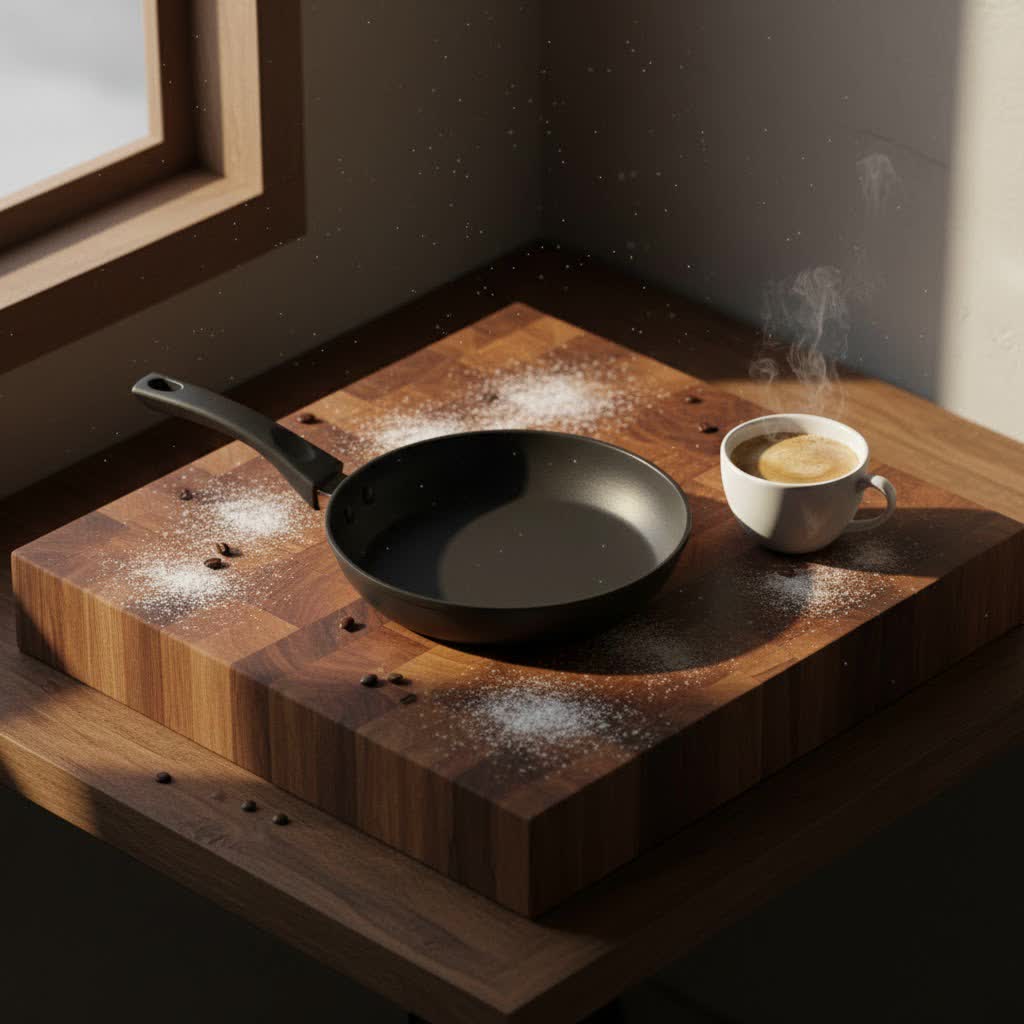
What is a Nonstick Pan? The Calphalon Perspective
At its core, a nonstick pan is designed to prevent food from adhering to its cooking surface, allowing for effortless food release and simplified cleaning. The magic behind this lies in specialized coatings. Historically, nonstick technology has largely revolved around polytetrafluoroethylene (PTFE), a synthetic polymer renowned for its slick, low-friction properties. This material has been integral to consumer products since the 1940s, revolutionizing how we cook.
Calphalon, a prominent name in cookware, utilizes PTFE-based nonstick coatings in its pans, assuring consumers that its products are PFOA-free. PFOA (perfluorooctanoic acid) is a related chemical that has raised health concerns and is no longer used in the manufacture of modern nonstick coatings. The foundation of many Calphalon nonstick pans is hard-anodized aluminum, a material chosen for its exceptional durability and superior heat conductivity. This hard-anodized process creates a robust, non-reactive base that ensures fast and even heating, contributing significantly to a pan’s cooking performance and longevity.
Exploring Calphalon 12-Inch Nonstick Pan Varieties
Calphalon offers various nonstick lines, each with distinct features tailored to different cooking needs and preferences. Understanding these differences, particularly for a popular 12-inch size, is key to selecting the right pan.
By Nonstick Coating Technology
The primary distinction among Calphalon’s nonstick offerings often comes down to the sophistication and durability of their nonstick coatings.
-
Standard Hard-Anodized Nonstick (e.g., Calphalon Hard-Anodized Nonstick Frying Pan): This line represents a reliable entry point into Calphalon’s nonstick offerings. These pans feature a durable hard-anodized aluminum base combined with a dependable nonstick coating. They are typically oven-safe up to 450°F and designed for easy dishwasher cleanup. Users often praise their even heat distribution and good nonstick properties for everyday cooking tasks. However, to maintain the integrity of the coating, it’s generally recommended to avoid metal utensils.
-
Advanced Nonstick (e.g., Calphalon Signature/Premier Hard-Anodized Nonstick Fry Pan with Cover): For those seeking enhanced durability and performance, Calphalon’s Signature and Premier lines offer advanced nonstick technology. These pans boast a 1.5 times more durable nonstick interior compared to Calphalon Classic, often featuring a PFOA-free, 3-layer nonstick system. A significant advantage of these advanced coatings is their metal utensil compatibility, allowing for greater flexibility in the kitchen. They are also oven-safe up to a higher temperature, typically 500°F, and maintain stay-cool stainless steel handles. Their heavy-gauge, hard-anodized aluminum construction ensures professional-level precision and performance.
|
Our Picks for the Best Nonstick Pan in 2026
As an Amazon Associate I earn from qualifying purchases.
|
||
| Num | Product | Action |
|---|---|---|
| 1 | SENSARTE Nonstick Ceramic Frying Pan with Lid 8/9.5/10/11/12.5 Inch Omelet Pan Skillet, Free of Intentionally Added PFAS/PTFE Non-toxic Chef's Pan Induction Compatible Pan, Heat Resistant Handle |

|
| 2 | Non Stick Frying Pan, 8-inch Omelette Pan with Heat Dot Temperature Indicator, Healthy Non Toxic Egg Skillet with Heat-Resistant Handle, PFOA-Free, Dishwasher Safe, Compatible with All Cooktops |
|
| 3 | SENSARTE Nonstick Frying Pan Skillet, Swiss Granite Coating Omelette Pan, Healthy Stone Cookware Chef's Pan, PFOA Free (8/9.5/10/11/12.5 Inch) (9.5 Inch) |
|
| 4 | Amazon Basics Non Stick Kitchen Cookware 8-Piece Set, Non-Induction, Includes Pots and Pans, Black |
|
| 5 | Amazon Basics Non Stick Kitchen Cookware 15-Piece Set, Non-Induction, Includes Pots, Pans, and Utensils, Black |
|
| 6 | CAROTE Nonstick Frying Pan Skillet,Non Stick Granite Fry Pan Egg Pan Omelet Pans, Stone Cookware Chef's Pan, PFOA Free,Induction Compatible(Classic Granite, 8-Inch) |
|
| 7 | SENSARTE Nonstick Frying Pan Skillet with Lid, 12 Inch Large Deep Frying Pan, 5 Qt Non Stick Saute Pan with Cover, Induction Pan, Healthy Non Toxic Cooking Pan with Helper Handle, PFOA PFOS Free |
|
| 8 | Amazon Basics Ceramic Nonstick Pots and Pans Cookware Set, Dishwasher & Oven Safe, Even Heating, 10-Piece Set, Copper Color |
|
| 9 | T-fal Ultimate Hard Anodized Nonstick Fry Pan Set 2 Piece, 10, 12 Inch, Oven Broiler Safe 400F, Cookware, Pots and Pans Set Non Stick, Kitchen Frying Pans, Cooking Skillets, Dishwasher Safe, Grey |
|
| 10 | Tramontina Professional 10-Inch Non Stick Frying Pan, Heavy-Gauge Aluminum Skillet with Reinforced Nonstick Coating, Red Handle, Dishwasher and Oven Safe |
|
By Specific Application (12-inch focus)
The 12-inch size is incredibly versatile, making it suitable for a wide range of cooking applications in most households.
-
Everyday Frying Pans/Skillets: A 12-inch frying pan is an ideal size for preparing meals for 2-4 people. It’s perfect for frying eggs, sautéing vegetables, searing meats, or making stir-fries. The generous surface area allows food to cook without overcrowding, ensuring better browning and even cooking. Many models come with a tempered glass lid, which is useful for simmering, steaming, or keeping food warm.
-
Jumbo Fry Pans: Some Calphalon 12-inch options might be categorized as “jumbo fry pans.” These typically feature deeper sides than standard frying pans, making them excellent for larger batches, one-pan meals with multiple ingredients, or dishes that require more liquid, such as braises or curries. The added depth helps contain ingredients and reduces splattering, enhancing their versatility.
Calphalon 12-Inch Nonstick Pan Comparison Chart
Choosing between Calphalon’s nonstick lines often comes down to balancing features, durability, and budget. Here’s a comparative overview:
| Feature | Calphalon Hard-Anodized Nonstick (Standard) | Calphalon Signature/Premier Hard-Anodized Nonstick |
|---|---|---|
| Coating Durability | Good | 1.5x more durable (often 3-layer) |
| Metal Utensil Safe | Generally not recommended | Yes |
| Oven Safe Temperature | Up to 450°F | Up to 500°F |
| Construction Material | Hard-anodized aluminum | Heavy-gauge, hard-anodized aluminum |
| PFOA-Free | Yes | Yes |
| Dishwasher Safe | Yes | Yes |
| Handle Material | Stainless Steel (stay-cool) | Stainless Steel (stay-cool) |
| Typical Price Point | Mid-range | Higher-end |
Your Guide to Choosing the Perfect Calphalon 12-Inch Nonstick Pan
Selecting the right nonstick pan involves considering your cooking style, priorities, and budget. The 12-inch Calphalon nonstick pan offers ample room for diverse culinary creations.
Assess Your Cooking Habits and Needs
Begin by reflecting on how you typically cook. Do you frequently prepare delicate foods like eggs or fish that require absolute nonstick release? Do you often sear meats or stir-fry vegetables for a family of four or more? The 12-inch size is highly recommended for versatility, accommodating a wide range of recipes and serving sizes. Consider how often you cook and the intensity of your cooking, as this will guide your choice between standard and more durable advanced nonstick lines. Your budget will also play a role, with advanced lines typically commanding a higher price due to their enhanced features.
Prioritize Key Features
Once you understand your needs, focus on the features that matter most to you.
- Durability and Longevity: If you cook frequently and want a pan that withstands heavy use, investing in a Calphalon Signature or Premier line with its more durable, multi-layer nonstick coating is a wise choice.
- Metal Utensil Compatibility: For those who prefer the convenience and feel of metal cooking tools, the metal utensil-safe designation of the Signature and Premier lines is a significant advantage. However, even with this feature, exercising caution can prolong the pan’s life.
- Oven Safety: If you often transition dishes from stovetop to oven to finish cooking, ensure the pan’s oven-safe temperature aligns with your recipes. Calphalon pans typically range from 450°F to 500°F oven safety.
- Handle Comfort and Safety: All Calphalon nonstick pans feature stainless steel handles designed to stay cool on the stovetop. Ensure the handle design feels secure and comfortable in your hand.
Inspect Quality Before Purchase
Before making a purchase, if possible, physically inspect the pan or scrutinize product images and specifications carefully.
- Flat Bottom: A perfectly flat bottom is essential for even heat distribution, especially on electric or glass-top stoves.
- Secure Handle: The handle should be securely riveted to the pan, with no wobbling, ensuring safe and confident handling.
- Nonstick Surface: Examine the nonstick surface for any blemishes, scratches, or uneven coating. A pristine surface indicates better quality and performance.
- PFOA-Free Certification: Always confirm that the pan is PFOA-free, which Calphalon proudly highlights across its nonstick range.
Where to Buy Calphalon Nonstick Pans
To guarantee authenticity, warranty, and reliable customer service, purchase your Calphalon 12-inch nonstick pan from authorized retailers, whether online or in brick-and-mortar stores. This also ensures access to any limited warranties offered by Calphalon, such as the 10-year or lifetime warranties on specific collections.
Maximizing Lifespan: Care and Maintenance for Your Calphalon 12-Inch Nonstick Pan
Proper care is paramount to preserving the performance and longevity of your Calphalon nonstick pan. Even the most durable coatings benefit from mindful use and cleaning.
Best Practices for Cooking
- Moderate Heat is Key: While Calphalon nonstick pans are designed to withstand high temperatures up to 450°F or 500°F (depending on the specific line), it’s crucial to avoid extreme overheating. PTFE coatings can begin to break down and release fumes at temperatures exceeding 500-536°F, which can be harmful. For most nonstick cooking, medium to medium-high heat is sufficient.
- Use the Right Utensils: Despite some advanced Calphalon lines being marketed as metal utensil safe, gentler tools made of silicone, wood, or plastic will always be kinder to the nonstick surface and help extend its life.
- Avoid Thermal Shock: Never plunge a hot pan into cold water. Rapid temperature changes can cause the pan to warp over time and potentially damage the nonstick coating. Allow the pan to cool down naturally before cleaning.
- Cook with Less Oil: The inherent nonstick properties of these pans mean you can use significantly less oil or butter, promoting healthier cooking without compromising food release.
Cleaning Your Calphalon Nonstick Pan
While many Calphalon nonstick pans are labeled “dishwasher safe,” hand washing is generally recommended for optimal longevity of the nonstick coating.
- Hand Washing: Use a soft sponge or cloth and mild dish soap. The nonstick surface typically makes cleanup a breeze, requiring minimal scrubbing. Avoid abrasive scouring pads or harsh detergents, which can degrade the coating.
- Dishwasher Use: If using a dishwasher, place the pan in a position where it won’t rub against other dishes, and use a gentle detergent. Frequent high-heat dishwasher cycles can still impact the nonstick performance over time.
Proper Storage Tips
Protecting the nonstick surface when storing is vital to prevent scratches and damage.
- Separate Storage: Store your nonstick pan separately from other metal cookware.
- Pan Protectors: If stacking, place felt or silicone pan protectors between pans to cushion and shield the cooking surface.
- Hanging: If space allows, hanging the pan from a pot rack is an excellent way to prevent contact damage.
Troubleshooting Common Issues with Calphalon Nonstick Pans
Even with the best care, you might encounter issues with your nonstick pan. Understanding common problems and their solutions can help prolong your pan’s life.
- Food Sticking: If food begins to stick, several factors could be at play. Overheating the pan can compromise the nonstick coating. Residue buildup from cooking sprays or food particles can also create a sticky layer.
- Solution: Ensure you are cooking at appropriate temperatures. For residue buildup, try a gentle scrub with a baking soda paste and soft sponge, or a dedicated nonstick cleaner. If the coating is visibly damaged or worn, it might be time to consider a replacement.
- Nonstick Coating Degradation/Scratching: This is often a result of using metal utensils (on non-metal utensil safe pans), aggressive scrubbing, or prolonged exposure to high heat.
- Solution: Re-evaluate your cooking habits and cleaning methods. Switch to silicone, wood, or plastic utensils. Opt for hand washing with a soft sponge. If the coating is significantly scratched or flaking, it’s best to discontinue use to avoid consuming degraded coating particles.
- Pan Warping/Uneven Heating: Extreme temperature changes, such as placing a hot pan under cold water, can cause the pan’s base to warp. A warped pan will not sit flat on the stovetop, leading to uneven heating.
- Solution: Always allow your pan to cool completely before washing. Ensure the pan is suitable for your stovetop type. If warping persists and is affecting cooking performance, consult Calphalon’s warranty information, as some issues might be covered.
“Modern PFOA-free PTFE nonstick coatings, like those used by Calphalon, are generally considered safe for food contact when used as intended. The key is to avoid overheating, which can compromise the coating’s integrity.” – Cookware Safety Expert
Conclusion
The Calphalon 12-inch nonstick pan is a testament to thoughtful design, blending durable hard-anodized aluminum with advanced PFOA-free nonstick technology. Whether you opt for a standard hard-anodized model or a premium Signature series, you’re investing in a versatile kitchen essential engineered for superior cooking performance and effortless cleanup. By understanding the distinct features of each line, making an informed choice based on your cooking style, and adhering to simple care guidelines—such as using moderate heat and proper utensils—you can significantly extend the lifespan of your Calphalon nonstick pan. Embrace the confidence that comes with cooking on a reliable surface, knowing your investment will enhance countless meals. What culinary masterpiece will you create with your Calphalon 12-inch nonstick pan tonight?
Frequently Asked Questions
Is Calphalon nonstick coating safe?
Yes, Calphalon nonstick coatings are considered safe for cooking. They are made with PTFE (polytetrafluoroethylene) but are PFOA-free. The FDA has confirmed PTFE as safe for food contact under intended conditions of use. However, it’s crucial to avoid overheating the pan beyond its recommended maximum temperature (typically 450-500°F) to prevent the release of fumes.
Can I use metal utensils on my Calphalon 12-inch nonstick pan?
It depends on the specific Calphalon line. Advanced lines, such as Calphalon Signature and Premier Hard-Anodized Nonstick, feature a more durable, multi-layer coating designed to be metal utensil safe. For standard Calphalon nonstick pans, it is generally recommended to use silicone, wooden, or plastic utensils to prolong the life of the nonstick surface.
What is the maximum oven temperature for Calphalon nonstick pans?
The maximum oven-safe temperature varies by Calphalon nonstick line. Standard hard-anodized nonstick pans are typically oven safe up to 450°F. More advanced lines, like the Calphalon Signature series, can be oven safe up to 500°F. Always check the specific product’s instructions for precise temperature limits.
How do I prevent my Calphalon nonstick pan from sticking?
To prevent sticking, ensure you cook at appropriate moderate temperatures and avoid excessive heat, which can damage the coating over time. Always use a small amount of oil or butter, even with nonstick, as it aids in heat distribution and flavor. Regularly clean your pan thoroughly to prevent residue buildup from cooking sprays or food particles, which can compromise the nonstick performance.
How long does a Calphalon nonstick pan last?
The lifespan of a Calphalon nonstick pan can vary greatly depending on the specific line, frequency of use, and adherence to care instructions. While Calphalon products are designed for durability, even advanced nonstick coatings will eventually wear down over time. With proper care, including using the correct utensils, avoiding overheating, and gentle cleaning, a quality Calphalon nonstick pan can last for several years. Many lines also come with a limited 10-year or lifetime warranty.
