The kitchen is often considered the heart of the home, and at its core lies essential cookware that transforms raw ingredients into delicious meals. Among the most indispensable tools for home cooks and seasoned chefs alike is the nonstick pan. Its ability to effortlessly release food and simplify cleanup has made it a favorite, saving countless hours and preventing culinary frustrations. But with an overwhelming variety of options, from diverse materials to a range of brands, selecting the perfect nonstick pan can be a daunting task.
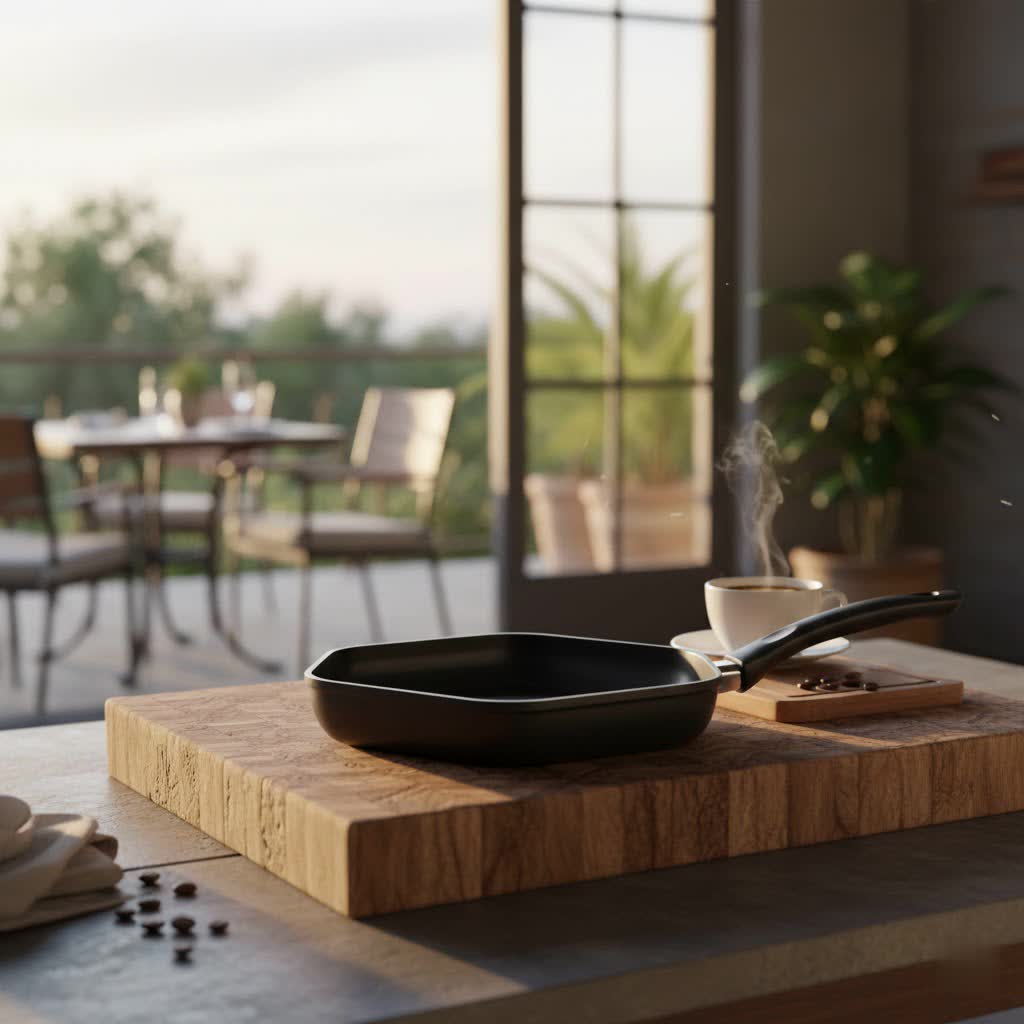
This comprehensive guide aims to demystify the world of nonstick cookware, with a special focus on the highly-regarded OXO 12-inch nonstick fry pan. Drawing on extensive experience and in-depth knowledge, we’ll explore everything from the fundamental principles of nonstick technology and the various materials available, to practical advice on choosing, using, and maintaining your pan for optimal performance and longevity. Whether you’re preparing a delicate omelet, searing a steak, or simply sautéing vegetables, understanding your nonstick pan is key to unlocking a world of culinary possibilities.
What is a Nonstick Pan?
A nonstick pan is a type of cookware featuring a specialized coating on its interior surface designed to prevent food from adhering during cooking. This innovative technology revolutionized home cooking by making it easier to prepare delicate foods like eggs and fish without tearing, and significantly simplifying the cleanup process, often requiring minimal oil or butter.
The genesis of nonstick technology can be traced back to the discovery of Polytetrafluoroethylene (PTFE), commonly known by its brand name Teflon, in 1938. This synthetic polymer offered an incredibly slick, low-friction surface. While early iterations faced concerns regarding the use of Perfluorooctanoic Acid (PFOA) in its manufacturing, modern nonstick coatings have evolved significantly. Today, reputable manufacturers have phased out PFOA, and newer alternatives like ceramic and diamond-reinforced coatings offer diverse benefits, emphasizing safety and improved durability, alongside the traditional PTFE-based options.
Exploring Nonstick Pan Types and Materials
Understanding the different materials and coatings used in nonstick pans is crucial for making an informed choice that aligns with your cooking style and health preferences.
By Material
- Teflon (PTFE):
- Pros: Renowned for its superior nonstick properties, offering an extremely slick surface that makes cooking and cleaning a breeze. It’s often the most affordable nonstick option. Modern PTFE pans are produced without PFOA, addressing previous health concerns.
- Cons: PTFE coatings can be susceptible to scratches if metal utensils are used. Overheating above 500°F (260°C) can potentially cause the coating to degrade and release fumes, though this is rare in typical home cooking.
- Ceramic:
- Pros: Often marketed as a “green” or “natural” alternative, ceramic coatings are typically free of PTFE, PFOA, PFAS, lead, and cadmium. They are made from silica-based gel and hardened at high temperatures, offering a smooth cooking surface. Ceramic pans can handle higher temperatures than traditional PTFE and are often available in more vibrant colors.
- Cons: Ceramic coatings generally have a shorter lifespan compared to PTFE. They can lose their nonstick properties over time, are prone to chipping if mishandled, and may require more careful maintenance.
- Titanium/Diamond-Reinforced:
- Pros: These coatings incorporate titanium or diamond particles into the nonstick layer, significantly enhancing its durability and scratch resistance. This reinforcement helps the pan withstand more rigorous use and prolongs its nonstick effectiveness. They often offer a good balance between nonstick performance and longevity.
- Cons: Pans with these advanced coatings typically come at a higher price point due to the specialized materials and manufacturing processes.
- Hard-Anodized Aluminum:
- Pros: Hard-anodized aluminum forms the base of many high-quality nonstick pans, including several OXO models. This material undergoes an electrochemical process that creates a super-hard, non-reactive, and corrosion-resistant surface, making it incredibly durable—often twice as strong as stainless steel. It also provides excellent and even heat distribution.
- Cons: While hard-anodized aluminum itself is stick-resistant, it’s not truly nonstick without an additional coating. Its dark color can sometimes make it harder to monitor browning.
- Stainless Steel (with Nonstick Coating):
- Pros: Combines the robustness and elegant appearance of stainless steel with the convenience of a nonstick cooking surface. Stainless steel offers excellent durability and can be used on all stovetops, including induction. The nonstick coating provides easy food release and cleanup.
- Cons: The nonstick coating’s performance and longevity depend heavily on its quality and the base material it’s bonded to. These pans can be heavier and potentially more expensive than aluminum-based nonstick options.
|
Our Picks for the Best Nonstick Pan in 2026
As an Amazon Associate I earn from qualifying purchases.
|
||
| Num | Product | Action |
|---|---|---|
| 1 | Amazon Basics Non Stick Kitchen Cookware 8-Piece Set, Non-Induction, Includes Pots and Pans, Black |

|
| 2 | Amazon Basics Ceramic Nonstick Pots and Pans Cookware Set, Dishwasher & Oven Safe, Even Heating, 10-Piece Set, Copper Color |
|
| 3 | T-fal Ultimate Hard Anodized Nonstick Fry Pan Set 2 Piece, 10, 12 Inch, Oven Broiler Safe 400F, Cookware, Pots and Pans Set Non Stick, Kitchen Frying Pans, Cooking Skillets, Dishwasher Safe, Grey |
|
| 4 | SENSARTE Nonstick Frying Pan Skillet with Lid, 12 Inch Large Deep Frying Pan, 5 Qt Non Stick Saute Pan with Cover, Induction Pan, Healthy Non Toxic Cooking Pan with Helper Handle, PFOA PFOS Free |
|
| 5 | SENSARTE Nonstick Ceramic Frying Pan with Lid 8/9.5/10/11/12.5 Inch Omelet Pan Skillet, Free of Intentionally Added PFAS/PTFE Non-toxic Chef's Pan Induction Compatible Pan, Heat Resistant Handle |
|
| 6 | Tramontina Professional 10-Inch Non Stick Frying Pan, Heavy-Gauge Aluminum Skillet with Reinforced Nonstick Coating, Red Handle, Dishwasher and Oven Safe |
|
| 7 | SENSARTE Nonstick Frying Pan Skillet, Swiss Granite Coating Omelette Pan, Healthy Stone Cookware Chef's Pan, PFOA Free (8/9.5/10/11/12.5 Inch) (9.5 Inch) |
|
| 8 | Amazon Basics Non Stick Kitchen Cookware 15-Piece Set, Non-Induction, Includes Pots, Pans, and Utensils, Black |
|
| 9 | CAROTE Nonstick Frying Pan Skillet,Non Stick Granite Fry Pan Egg Pan Omelet Pans, Stone Cookware Chef's Pan, PFOA Free,Induction Compatible(Classic Granite, 8-Inch) |
|
| 10 | Non Stick Frying Pan, 8-inch Omelette Pan with Heat Dot Temperature Indicator, Healthy Non Toxic Egg Skillet with Heat-Resistant Handle, PFOA-Free, Dishwasher Safe, Compatible with All Cooktops |
|
By Brand: The OXO 12-Inch Nonstick Fry Pan
OXO is a well-regarded brand known for its thoughtfully designed kitchen tools, and their nonstick fry pans are a testament to this reputation, offering a blend of performance, durability, and user-friendly features. The OXO 12-inch nonstick fry pan is a popular choice for its versatility and reliability in daily cooking tasks.
Many OXO nonstick fry pans feature a heavy-gauge hard-anodized aluminum body, ensuring robust construction and superior heat conductivity. This design allows the pan to heat quickly and distribute heat evenly, eliminating hot spots and ensuring consistent cooking results. The specific 12-inch size provides ample flat cooking surface, making it suitable for larger meals, stir-fries, or multiple portions of eggs. The walls are often designed with sufficient height to contain ingredients during aggressive stirring or flipping.
For its nonstick coating, OXO offers models with both PFOA-free nonstick coatings (often PTFE-based for the Good Grips line) and diamond-reinforced ceramic nonstick coatings (for their Ceramic Professional line). These coatings deliver effortless food release with minimal oil, making cleanup exceptionally easy. Customers often praise the pan’s slick surface for everything from delicate fish to sticky cheeses.
A distinguishing feature is the stainless-steel handle, which is typically riveted securely for durability and comfort. The handle is designed to stay cool on the stovetop and provides a secure, ergonomic grip. Some OXO nonstick pans also feature subtly rolled lips for drip-free pouring of liquids and sauces. Many OXO nonstick fry pans are oven-safe (check specific model for temperature limits, often around 350-400°F) and some are marketed as dishwasher-safe, though handwashing is generally recommended to extend the life of the nonstick coating. The inclusion of a heavy-duty induction base in many ceramic professional models ensures compatibility with all stovetops.
By Size
The size of your nonstick pan should match your typical cooking needs.
- Small (16-20cm / 6-8 inches): Ideal for single servings, such as frying an egg, toasting nuts, or making a small omelet. Perfect for individuals or small apartments.
- Medium (24-28cm / 9.5-11 inches): The most common and versatile size, suitable for families of 2-4 people. Great for sautéing vegetables, cooking chicken breasts, pancakes, or scrambled eggs for a small group.
- Large (30cm+ / 12 inches+): Such as the OXO 12-inch nonstick fry pan, this size is excellent for larger families, entertaining, or preparing bigger batches of food. It accommodates multiple ingredients comfortably, making it perfect for stir-fries, one-pan meals, or cooking for gatherings.
Nonstick Pan Material Comparison
Choosing the right nonstick material involves balancing performance, durability, and safety concerns. Here’s a brief comparison of common nonstick coatings:
| Feature | PTFE (Teflon) | Ceramic | Titanium/Diamond-Reinforced |
|---|---|---|---|
| Nonstick Performance | Excellent, very slick | Good to Very Good, can degrade over time | Excellent, enhanced by reinforcement |
| Durability (Scratch Resistance) | Moderate, susceptible to metal utensils | Lower, prone to chipping | High, resistant to scratches |
| Safety (Chemicals) | PFOA-free in modern versions, fumes if overheated | PFAS, PFOA, lead, cadmium-free | Varies by base coating, often PFOA/PFAS-free |
| Heat Tolerance | Up to 500°F (260°C), avoid exceeding | Generally higher, but can degrade | High, due to reinforced structure |
| Longevity | Good, with proper care | Shorter, tends to lose nonstick faster | Very Good, extended lifespan |
| Price | Generally most affordable | Mid-range | Higher end |
| Eco-Friendliness | Less so, though PFOA-free | Often marketed as eco-friendly | Varies by base coating |
How to Select the Perfect Nonstick Pan
Investing in the right nonstick pan, like a quality OXO 12-inch model, can significantly enhance your cooking experience. Here’s how to make an informed decision:
Identify Your Cooking Needs
Before you buy, consider your culinary habits. How often do you cook? What types of dishes do you prepare most frequently? If you often cook delicate items like eggs, pancakes, or fish, a pan with superior nonstick release is paramount. For searing or high-heat cooking, you might need a pan with a more durable, heat-tolerant coating. Also, factor in the number of people you typically cook for; a 12-inch pan offers excellent versatility for families or those who enjoy entertaining, while smaller sizes suit individual meals. Finally, establish a budget. While a good nonstick pan is an investment, options exist across various price points.
Choose the Right Material
Prioritize safety by looking for pans explicitly labeled as PFOA-free, PFAS-free, lead-free, and cadmium-free. Ceramic coatings are a popular choice for those seeking chemical-free options, while modern PTFE coatings are also safe when used correctly. If durability is a top concern, consider hard-anodized aluminum bases with reinforced nonstick layers (like titanium or diamond) for added resilience.
Assess Pan Quality
Always inspect the pan’s surface for any imperfections, such as scratches or uneven coating, before purchase. A robust and securely riveted handle, preferably made of stainless steel that stays cool on the stovetop, is essential for comfort and safety. Ensure the pan’s base is perfectly flat to ensure even contact with your stovetop and consistent heat distribution. If you have an induction cooktop, verify that the pan explicitly states induction compatibility.
Where to Purchase
For assurance of quality and authenticity, purchase your nonstick pan from reputable retailers. This includes major department stores, dedicated kitchenware shops, or well-established online marketplaces. Buying from trusted sources often means access to customer reviews, warranties, and reliable customer service.
Essential Tips for Using and Maintaining Your Nonstick Pan
Proper care is paramount to extending the life and maintaining the performance of your nonstick pan, including your OXO 12-inch nonstick fry pan.
Correct Usage Practices
- Seasoning Your Pan: Many manufacturers recommend “seasoning” a new nonstick pan before its first use. This usually involves washing the pan with warm, soapy water, drying it thoroughly, and then rubbing a thin layer of cooking oil (like vegetable or grapeseed oil) over the entire nonstick surface. Heat the pan on low for a minute, then wipe off any excess oil. This helps condition and protect the coating.
- Avoid Empty Preheating: Never heat an empty nonstick pan, especially on high heat. Nonstick coatings can degrade rapidly when overheated without food or oil to absorb the heat. Always add a small amount of oil or food before turning on the heat.
- Appropriate Heat Settings: Nonstick pans are designed for low to medium heat cooking. High heat can damage the nonstick coating, causing it to break down, bubble, or even release fumes (in the case of older PTFE pans). For oven use, always check the manufacturer’s maximum temperature recommendation, which is typically around 350-400°F (175-200°C).
- Choose the Right Utensils: Metal utensils can easily scratch and chip nonstick coatings, compromising their effectiveness. Always opt for utensils made from silicone, wood, or heat-resistant nylon to protect the surface.
- Prevent Thermal Shock: Avoid placing a hot pan directly under cold water, as the sudden temperature change can cause “thermal shock,” leading to warping of the pan’s base. Always allow your pan to cool completely before washing.
Proper Cleaning Techniques
- Handwashing is Best: While some nonstick pans, like certain OXO models, are labeled “dishwasher-safe,” handwashing is always the preferred method. The harsh detergents and high temperatures of dishwashers can accelerate the deterioration of the nonstick coating.
- Soft Sponges and Mild Detergent: Use a soft sponge or cloth and a mild dish soap with warm water. Gently wipe away food residue. Avoid abrasive scrubbers, steel wool, or harsh cleaning chemicals, which can scratch and damage the nonstick surface.
- Dealing with Stubborn Food: For stubborn, stuck-on food, fill the pan with warm water and a little dish soap, let it soak for 10-15 minutes, then gently scrub with a soft sponge. A paste of baking soda and water can also be used as a gentle abrasive.
- Thorough Drying: Always dry your nonstick pan completely with a soft towel after washing to prevent water spots and extend the life of the coating.
Smart Storage Solutions
- Avoid Stacking: Stacking pans directly on top of each other, especially without protection, can lead to scratches on the nonstick surface from other cookware.
- Use Pan Protectors: If you must stack, place pan protectors (felt pads) or a soft cloth between your nonstick pans to shield the coating from abrasion.
- Hang Your Pans: Ideally, hang your nonstick pans from a pot rack to prevent contact with other cookware and ensure proper air circulation.
Common Nonstick Pan Issues and Troubleshooting
Even with diligent care, nonstick pans can encounter issues. Recognizing these problems and understanding their causes can help you prolong your pan’s life or know when it’s time for a replacement.
- Food Sticking: The most common issue is food beginning to stick to the pan. This usually indicates that the nonstick coating is degrading due to age, overheating, or microscopic scratches. While a thorough cleaning and re-seasoning with oil might offer a temporary fix, consistent sticking is a sign that the pan’s lifespan is coming to an end.
- Coating Peeling or Flaking: If you notice the nonstick coating peeling, bubbling, or flaking, it’s a clear sign of significant damage. This often results from using metal utensils, excessive high heat, or aggressive cleaning methods. Once the coating begins to peel, the pan should be replaced, as ingesting flaking particles is not recommended.
- Pan Warping: A warped pan has a base that is no longer perfectly flat, causing it to wobble on the stovetop and cook unevenly. This is almost always caused by thermal shock—exposing a hot pan to cold water, or vice versa, too quickly. Unfortunately, a warped pan cannot be effectively repaired and should be replaced. Consistent, even heat distribution is crucial for good cooking, and a warped pan cannot provide this.
Conclusion
Choosing the right nonstick pan, such as the versatile and reliable OXO 12-inch nonstick fry pan, can truly elevate your daily cooking experience. From preparing delicate breakfast dishes to mastering complex stir-fries, the convenience of a pan that effortlessly releases food and cleans up with ease is unparalleled. By understanding the various materials, their advantages and limitations, and committing to proper usage and maintenance, you can ensure your nonstick cookware remains a trusted companion in your kitchen for years to come. Remember to select a pan that fits your specific needs, prioritize safety and quality, and always adhere to the recommended care instructions to maximize its lifespan.
What culinary creations will you embark on with your perfectly chosen nonstick pan?
Frequently Asked Questions
Is the OXO 12-inch nonstick fry pan safe to use?
Yes, OXO nonstick fry pans are generally considered safe. OXO utilizes PFOA-free nonstick coatings, and their ceramic nonstick lines are free of PFAS, PFOA, lead, and cadmium. Always follow usage guidelines, such as avoiding extreme overheating, to maintain safety and prolong the pan’s life.
How long do nonstick pans usually last?
With proper care, a good quality nonstick pan can last anywhere from 1 to 5 years. Factors like the type of coating, frequency of use, and adherence to maintenance guidelines (e.g., handwashing, using appropriate utensils) significantly impact its lifespan.
Can I use metal utensils on my nonstick pan?
It is strongly recommended to avoid metal utensils on nonstick pans. Even “metal utensil safe” claims should be approached with caution. Silicone, wooden, or heat-resistant nylon utensils are best to prevent scratches and preserve the nonstick coating.
Why is my nonstick pan sticking?
Food sticking usually indicates that the nonstick coating is degrading. This can be due to excessive high heat, scratches from improper utensils, abrasive cleaning, or simply the natural wear and tear over time. Regular “seasoning” with oil can help, but consistent sticking means it’s likely time for a replacement.
Is it okay to put a nonstick pan in the dishwasher?
While some nonstick pans are labeled dishwasher-safe, handwashing is always recommended. The high heat, harsh detergents, and potential for other dishes to bump the pan in a dishwasher can accelerate the deterioration and damage the nonstick coating, significantly shortening its lifespan.
