Navigating the vast world of kitchen cookware, especially when it comes to nonstick frying pans, can feel overwhelming. From countless brands to various materials and price points, making the right choice for your culinary needs and safety is crucial. This comprehensive guide, informed by extensive experience with home appliances and nonstick pans, will empower you to select the perfect nonstick frying pan, ensuring safety, durability, and effective performance for delicious meals every day.
What is a Nonstick Frying Pan?
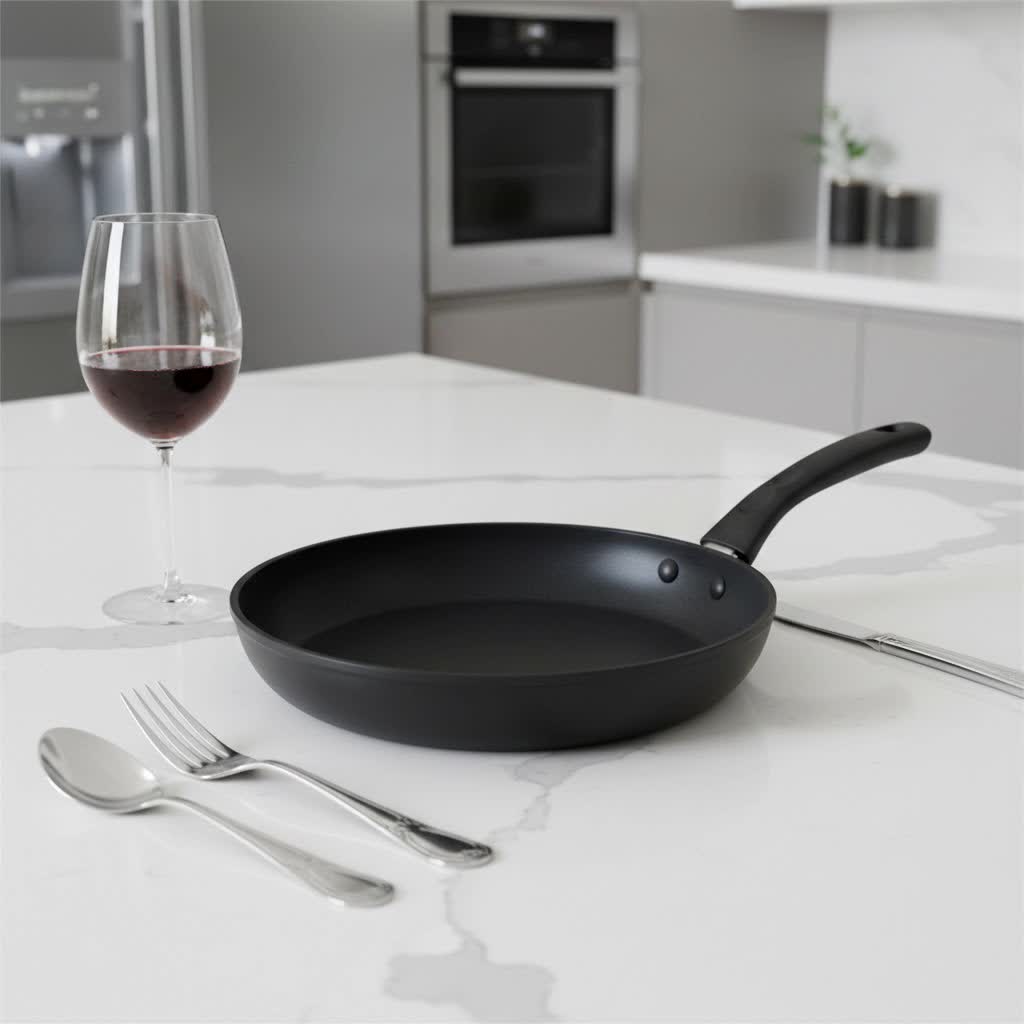
A nonstick frying pan is a kitchen essential designed with a specialized coating that prevents food from adhering to its surface. This innovative feature makes cooking delicate items like eggs, pancakes, and fish effortless, while also simplifying cleanup significantly. The evolution of nonstick technology has a rich history, primarily beginning with polytetrafluoroethylene (PTFE), commonly known as Teflon. While original formulations used perfluorooctanoic acid (PFOA) as a processing aid, PFOA has since been phased out of production globally, with bans in the U.S. implemented by 2014. Modern advancements have introduced a range of coating types, including ceramic, titanium-reinforced, and even naturally nonstick materials like seasoned carbon steel, aiming to address both performance and health concerns. These innovations offer cooks diverse options, each with unique benefits and considerations for safety and longevity.
Popular Types of Nonstick Frying Pans
The nonstick frying pan market boasts a variety of options, primarily differentiated by their coating materials, manufacturing origin, and size. Understanding these distinctions is key to making an informed purchase that aligns with your cooking style and priorities.
By Material
The core of a nonstick pan’s performance and safety lies in its surface material.
- Teflon (PTFE): These pans are celebrated for their exceptional nonstick properties and affordability. PTFE coatings create a very slick surface, making cooking and cleaning a breeze. However, they can be susceptible to scratches from metal utensils and may degrade, potentially releasing fumes if overheated above 500°F (260°C). While PFOA is no longer used, concerns sometimes remain regarding other PFAS chemicals in some PTFE formulations.
- Ceramic: Often marketed as a “green” or “healthy” alternative, ceramic nonstick coatings are typically derived from sand and are free from PFOA, PTFE, and PFAS. They offer good nonstick performance and are generally safe at higher temperatures. Brands like GreenPan pioneered ceramic nonstick, known for its eco-friendly production. However, ceramic coatings can vary in durability and may lose their nonstick properties faster than some PTFE pans, especially with improper care.
- Titanium-Reinforced: These pans often feature a PTFE or ceramic coating that has been reinforced with titanium particles. This addition significantly enhances the coating’s durability and scratch resistance, making the pan more robust and longer-lasting. While generally more expensive, they offer a good balance of nonstick performance and resilience.
- Granite (Stone-Derived): This is largely a marketing term for nonstick pans with a speckled, stone-like appearance. The actual nonstick coating is usually a ceramic or PTFE-based material. It’s crucial to examine the product specifications to understand the underlying coating composition and ensure it meets your safety preferences (e.g., PFAS-free).
- Carbon Steel (Nitrided/Seasoned): Unlike coated nonstick pans, carbon steel can become naturally nonstick through a process called “seasoning,” where layers of polymerized oil create a smooth, non-reactive surface. Nitrided carbon steel, like that used by Misen, offers enhanced rust resistance and a virtually nonstick surface right out of the box, becoming even better with use. These pans are often PFAS-free, durable, and can withstand very high temperatures.
- Pure Clay (Earthen Cookware): Brands like Miriam’s Earthen Cookware produce pans from lab-tested primary clay, free from additives, chemicals, glazes, or enamels. These pans offer a naturally nonstick surface and are celebrated for their 100% non-toxic nature, even heating, and ability to preserve nutrients. They represent a niche but highly natural and safe option.
|
Our Picks for the Best Nonstick Pan in 2026
As an Amazon Associate I earn from qualifying purchases.
|
||
| Num | Product | Action |
|---|---|---|
| 1 | SENSARTE Nonstick Ceramic Frying Pan with Lid 8/9.5/10/11/12.5 Inch Omelet Pan Skillet, Free of Intentionally Added PFAS/PTFE Non-toxic Chef's Pan Induction Compatible Pan, Heat Resistant Handle |

|
| 2 | Amazon Basics Non Stick Kitchen Cookware 8-Piece Set, Non-Induction, Includes Pots and Pans, Black |
|
| 3 | T-fal Ultimate Hard Anodized Nonstick Fry Pan Set 2 Piece, 10, 12 Inch, Oven Broiler Safe 400F, Cookware, Pots and Pans Set Non Stick, Kitchen Frying Pans, Cooking Skillets, Dishwasher Safe, Grey |
|
| 4 | Tramontina Professional 10-Inch Non Stick Frying Pan, Heavy-Gauge Aluminum Skillet with Reinforced Nonstick Coating, Red Handle, Dishwasher and Oven Safe |
|
| 5 | CAROTE Nonstick Frying Pan Skillet,Non Stick Granite Fry Pan Egg Pan Omelet Pans, Stone Cookware Chef's Pan, PFOA Free,Induction Compatible(Classic Granite, 8-Inch) |
|
| 6 | SENSARTE Nonstick Frying Pan Skillet with Lid, 12 Inch Large Deep Frying Pan, 5 Qt Non Stick Saute Pan with Cover, Induction Pan, Healthy Non Toxic Cooking Pan with Helper Handle, PFOA PFOS Free |
|
| 7 | Amazon Basics Ceramic Nonstick Pots and Pans Cookware Set, Dishwasher & Oven Safe, Even Heating, 10-Piece Set, Copper Color |
|
| 8 | Amazon Basics Non Stick Kitchen Cookware 15-Piece Set, Non-Induction, Includes Pots, Pans, and Utensils, Black |
|
| 9 | SENSARTE Nonstick Frying Pan Skillet, Swiss Granite Coating Omelette Pan, Healthy Stone Cookware Chef's Pan, PFOA Free (8/9.5/10/11/12.5 Inch) (9.5 Inch) |
|
| 10 | Non Stick Frying Pan, 8-inch Omelette Pan with Heat Dot Temperature Indicator, Healthy Non Toxic Egg Skillet with Heat-Resistant Handle, PFOA-Free, Dishwasher Safe, Compatible with All Cooktops |
|
By Brand & Country of Origin
The origin of your nonstick frying pan can be an indicator of manufacturing standards, material sourcing, and overall quality. Consumers often seek out brands that emphasize transparent manufacturing practices.
- USA Made Nonstick Pans: Several brands pride themselves on manufacturing or assembling their nonstick frying pans in the United States. “Made In” offers lines like their CeramiClad™ ceramic coated cookware which is stamped, coated, and assembled in the USA, and their ProCoat nonstick line. Other notable US-based brands include All-Clad (for some nonstick lines), Xtrema (pure ceramic), and Miriam’s Earthen Cookware (pure clay), known for their commitment to quality and safety.
- European Brands: European manufacturers are renowned for their craftsmanship and innovative designs. GreenPan, originating from the Netherlands, is a pioneer in ceramic nonstick technology. French brands like T-fal are well-known for their extensive range of PTFE-coated nonstick pans, while Le Creuset (also French) offers high-quality enameled cast iron, alongside some nonstick collections.
- Australian Brands: Solidteknics, an Australian brand, focuses on iron cookware that develops a natural nonstick surface through seasoning, offering durable, multi-century warranty products.
Many brands source components globally but emphasize “Made In” or “Assembled In” in specific countries to highlight their quality control and adherence to particular standards.
By Size
Choosing the right pan size depends on your typical cooking volume and needs.
- Small (16-20cm/6-8 inches): Ideal for single servings, omelets, or frying one egg.
- Medium (24-28cm/9.5-11 inches): The most popular and versatile size, suitable for 2-4 servings, stir-fries, or searing cuts of meat.
- Large (30cm+/12 inches+): Best for larger families, entertaining, or preparing big batches of food.
Comparative Table of Nonstick Frying Pans
| Feature | PTFE (Teflon) | Ceramic Nonstick | Titanium-Reinforced | Carbon Steel (Nitrided) | Pure Clay (Earthen) |
|---|---|---|---|---|---|
| Nonstick | Excellent | Good to Very Good | Very Good | Develops over time, Excellent | Good (natural seasoning) |
| Durability | Moderate (scratch-prone) | Moderate (can wear faster) | High | Very High | High |
| Heat Limit | ~500°F (260°C) | Up to 600°F (315°C) | Higher than standard PTFE | Very High (up to 1100°F) | Very High |
| Safety (PFAS) | PFOA-free (but may contain other PFAS) | PFAS-free | Varies by base coating | PFAS-free | PFAS-free (100% natural) |
| Price Range | $ | $$-$$$ | $$$-$$$$ | $$-$$$ | $$$$ |
| Pros | Affordable, very slick | Safer, eco-friendly | Durable, enhanced life | Very durable, natural nonstick, high heat | Non-toxic, even cooking, nutrient preservation |
| Cons | Heat sensitive, scratches, potential PFAS | Less durable than PTFE sometimes, can lose slickness faster | Higher cost | Requires seasoning (less for nitrided), heavier | Niche, specific care, higher cost |
How to Choose the Right Nonstick Frying Pan
Selecting the ideal nonstick frying pan requires careful consideration of your lifestyle, cooking habits, and personal preferences.
Determine Your Cooking Needs
Start by evaluating how you cook. Do you prepare delicate dishes like eggs and fish regularly? Or do you need a pan for quick stir-fries and searing?
- Cooking Frequency: Daily use demands a more durable pan.
- Meal Types: Delicate foods benefit most from nonstick, while high-heat searing might be better suited for carbon steel or cast iron.
- Family Size: Choose a pan size (16cm, 24cm, 30cm) appropriate for the number of people you typically cook for.
- Stovetop Compatibility: Ensure the pan is compatible with your hob type (gas, electric, induction). Many modern nonstick pans feature induction-compatible bases.
Prioritize Material & Safety
Given the past controversies surrounding nonstick coatings, prioritize safety.
- PFAS-Free: Always look for pans explicitly labeled “PFAS-free” rather than just “PFOA-free,” as PFOA has been phased out. This ensures you avoid the broader class of “forever chemicals.”
- Heat Resistance: Consider the maximum temperature your cooking requires. If you often cook at medium-high heat, ceramic or nitrided carbon steel options might be safer choices than traditional PTFE.
Assess Quality and Features
A quality nonstick pan offers more than just a slick surface.
- Base Material: Pans with an aluminum or stainless-steel clad base offer superior heat distribution and retention, preventing hot spots.
- Handle Design: Look for a comfortable, ergonomic handle that stays cool during cooking and is securely attached.
- Weight: A lightweight pan is easier to maneuver, especially for flipping and pouring.
- Oven-Safe Capabilities: If you like to finish dishes in the oven, check the pan’s maximum oven-safe temperature.
Consider Brand Reputation & Warranty
Choosing a reputable brand can provide peace of mind regarding quality and customer support. Look for brands that offer clear warranties, as this often indicates their confidence in the product’s durability. Always purchase from trusted retailers or directly from the brand’s official website.
Essential Tips for Using and Maintaining Your Nonstick Pan
Proper care is paramount to extending the life and maintaining the performance of your nonstick frying pan. Ignoring these simple guidelines can lead to premature wear and diminished nonstick properties.
Proper Usage
Using your nonstick pan correctly will prevent damage and ensure optimal cooking results.
- Low to Medium Heat: Nonstick coatings perform best at lower temperatures. High heat can cause the coating to degrade over time, potentially releasing fumes or causing it to chip. Save high-heat searing for other types of cookware like cast iron or stainless steel.
- Appropriate Utensils: Always use utensils made from wood, silicone, or heat-resistant plastic. Metal utensils can scratch and damage the nonstick surface, compromising its integrity and effectiveness.
- Avoid Cooking Sprays: While convenient, many cooking sprays contain propellants and other ingredients that can leave a sticky residue on your nonstick surface, leading to buildup that’s difficult to remove and can make food stick. A small amount of oil or butter is generally preferred.
Correct Cleaning
Gentle cleaning is key to preserving the nonstick coating.
- Hand Wash: Always hand wash your nonstick pan with warm, soapy water and a soft sponge or cloth. Avoid abrasive scrubbers, steel wool, or harsh detergents, which can scratch and degrade the coating.
- Cool Before Washing: Allow your pan to cool down completely before washing. Submerging a hot pan in cold water can cause thermal shock, potentially warping the pan or damaging the coating.
- Dry Thoroughly: After washing, dry the pan completely to prevent water spots and potential corrosion, especially for materials like carbon steel.
Smart Storage
Protecting your pan during storage can prevent accidental damage.
- Avoid Stacking: When storing nonstick pans, avoid stacking them directly on top of each other, as this can lead to scratches. If you must stack, use pan protectors made of felt or cloth between each pan.
- Hang if Possible: If you have the space, hanging your pans can be an excellent way to prevent scratches and maintain their pristine condition.
Common Nonstick Pan Problems and Solutions
Even with the best care, nonstick pans can encounter issues. Knowing how to identify and address them can prolong your pan’s life or signal when it’s time for a replacement.
- Food Sticking: This is often the first sign of coating degradation. Ensure you’re using appropriate heat levels and enough cooking fat. If food consistently sticks despite proper usage, the coating may be worn out.
- Coating Peeling or Flaking: If you notice the nonstick coating peeling, flaking, or bubbling, it’s time to replace the pan immediately. Ingesting these particles is not advisable, and the pan’s performance is severely compromised.
- Pan Warping: Warping, often seen as a pan no longer sitting flat on the stovetop, is typically caused by extreme temperature changes (thermal shock) or prolonged exposure to excessively high heat. A warped pan will not heat evenly, leading to inconsistent cooking results. Once a pan is warped, it cannot usually be repaired and should be replaced.
“Choosing a nonstick pan today means balancing convenience with a mindful approach to health and longevity. It’s an investment in your daily cooking joy.”
Conclusion
The journey to finding the perfect nonstick frying pan is an important one, impacting both your culinary adventures and your kitchen’s health. With over a decade of hands-on experience in home appliances, especially with nonstick cookware, it’s clear that while the market is diverse, making an informed decision boils down to understanding materials, prioritizing safety (especially PFAS-free options), considering manufacturing origin, and committing to proper care. Whether you opt for the proven convenience of a quality PTFE pan, the eco-conscious safety of ceramic, or the natural resilience of nitrided carbon steel, an ideal nonstick frying pan is waiting to transform your cooking experience. By focusing on quality, adhering to usage guidelines, and knowing when to replace, you can ensure your chosen nonstick pan remains a cherished, effective tool in your kitchen for many meals to come.
What features do you value most in your everyday nonstick frying pan?
Frequently Asked Questions
Is “PFOA-free” enough when buying a nonstick pan?
No, “PFOA-free” is generally not enough. PFOA was phased out of manufacturing years ago, so this label is now the bare minimum. For genuinely safer options, you should look for pans explicitly labeled “PFAS-free,” which indicates the absence of the broader group of “forever chemicals” that includes PFOA and many other potentially harmful substances.
Can I use metal utensils on nonstick pans?
Generally, no. Most nonstick coatings, including both PTFE and ceramic, are susceptible to scratches from metal utensils. These scratches can damage the nonstick surface, leading to premature wear, sticking, and potentially allowing coating particles to flake into your food. Always opt for wood, silicone, or heat-resistant plastic utensils to protect your pan.
How long do nonstick pans typically last?
The lifespan of a nonstick pan varies significantly based on its material, quality, and how it’s used and maintained. Coated nonstick pans (PTFE or ceramic) typically last between one to five years with regular use before their nonstick properties diminish. Naturally nonstick options like seasoned carbon steel or pure clay pans can last for decades, even generations, with proper care.
Are ceramic nonstick pans truly non-toxic?
High-quality ceramic nonstick pans are generally considered a safer, non-toxic alternative as they are typically made without PTFE, PFOA, and the broader category of PFAS chemicals. Their coating is usually derived from sand. However, it’s always best to verify specific product certifications and look for clear “PFAS-free” labeling to ensure you’re getting a truly non-toxic option.
