Choosing the right nonstick pan can be a daunting task with countless options ranging in material, brand, and price. As an expert with over a decade in the home appliance sector, specializing in nonstick cookware, I understand the challenges in finding a pan that truly fits your needs. This guide is designed to empower you with the knowledge to make an informed decision, ensuring you select a ceramic nonstick pan that is safe, durable, and effective for your daily culinary adventures. We’ll explore crucial factors from safety and longevity to performance, helping you find the perfect partner for delicious meals.
What is a Ceramic Nonstick Pan?
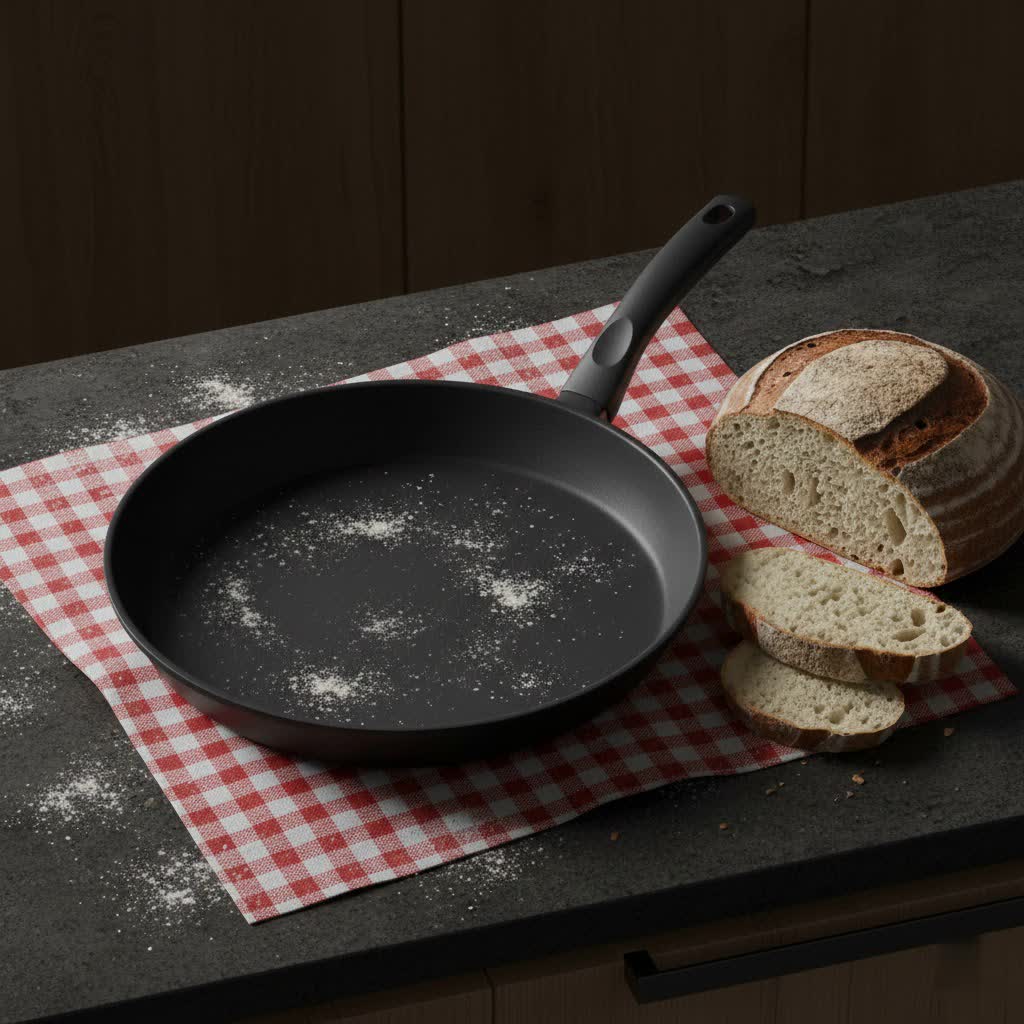
A ceramic nonstick pan is a type of cookware featuring a cooking surface coated with a ceramic-like material, typically derived from sand (silica). Unlike traditional nonstick pans that rely on synthetic polymers like PTFE (Teflon), ceramic coatings offer a non-toxic alternative, free from substances such as PFOA, PFAS, lead, and cadmium. This makes them a popular choice for health-conscious cooks seeking the convenience of nonstick without potential chemical concerns.
The development of nonstick technology has evolved significantly. While early nonstick coatings raised health and environmental questions, ceramic nonstick emerged as a safer, more environmentally friendly option. These pans are designed to prevent food from sticking, allowing for easier cooking and cleanup, while also often being more resistant to high temperatures than their traditional counterparts.
Popular Types of Nonstick Pans
The nonstick pan market offers a variety of options, primarily differentiated by their coating materials. Understanding these differences is key to making the best choice for your kitchen.
By Material
- Teflon (PTFE):
- Advantages: Excellent nonstick properties, widely available, generally affordable.
- Disadvantages: Can scratch easily. Concerns about off-gassing at very high temperatures (above 500°F/260°C) which can release fumes potentially harmful to humans and pets. Modern PTFE pans are PFOA-free.
- Ceramic:
- Advantages: Healthier option as they are typically free from PTFE, PFOA, PFAS, lead, and cadmium. Good heat resistance, often oven-safe to higher temperatures. Eco-friendly manufacturing process.
- Disadvantages: Nonstick properties can degrade faster than traditional PTFE over time. Requires gentle handling to prevent chipping or scratching.
- Titanium:
- Advantages: Often incorporated into nonstick coatings (e.g., ceramic-titanium composites) to enhance durability and scratch resistance. Offers good nonstick performance and can be very robust.
- Disadvantages: Generally higher in price due to its enhanced durability and manufacturing process.
- Granite (Stone-derived):
- Advantages: Often feature a speckled, aesthetic appearance. Marketed for durability and enhanced nonstick properties. Good heat retention.
- Disadvantages: Many “granite” pans still use a PTFE base with ceramic particles for reinforcement. It’s crucial to check for actual material composition and ensure they are PFAS-free if health is a primary concern.
|
Our Picks for the Best Nonstick Pan in 2026
As an Amazon Associate I earn from qualifying purchases.
|
||
| Num | Product | Action |
|---|---|---|
| 1 | Non Stick Frying Pan, 8-inch Omelette Pan with Heat Dot Temperature Indicator, Healthy Non Toxic Egg Skillet with Heat-Resistant Handle, PFOA-Free, Dishwasher Safe, Compatible with All Cooktops |

|
| 2 | CAROTE Nonstick Frying Pan Skillet,Non Stick Granite Fry Pan Egg Pan Omelet Pans, Stone Cookware Chef's Pan, PFOA Free,Induction Compatible(Classic Granite, 8-Inch) |
|
| 3 | Amazon Basics Non Stick Kitchen Cookware 15-Piece Set, Non-Induction, Includes Pots, Pans, and Utensils, Black |
|
| 4 | Amazon Basics Non Stick Kitchen Cookware 8-Piece Set, Non-Induction, Includes Pots and Pans, Black |
|
| 5 | SENSARTE Nonstick Ceramic Frying Pan with Lid 8/9.5/10/11/12.5 Inch Omelet Pan Skillet, Free of Intentionally Added PFAS/PTFE Non-toxic Chef's Pan Induction Compatible Pan, Heat Resistant Handle |
|
| 6 | T-fal Ultimate Hard Anodized Nonstick Fry Pan Set 2 Piece, 10, 12 Inch, Oven Broiler Safe 400F, Cookware, Pots and Pans Set Non Stick, Kitchen Frying Pans, Cooking Skillets, Dishwasher Safe, Grey |
|
| 7 | Amazon Basics Ceramic Nonstick Pots and Pans Cookware Set, Dishwasher & Oven Safe, Even Heating, 10-Piece Set, Copper Color |
|
| 8 | SENSARTE Nonstick Frying Pan Skillet with Lid, 12 Inch Large Deep Frying Pan, 5 Qt Non Stick Saute Pan with Cover, Induction Pan, Healthy Non Toxic Cooking Pan with Helper Handle, PFOA PFOS Free |
|
| 9 | SENSARTE Nonstick Frying Pan Skillet, Swiss Granite Coating Omelette Pan, Healthy Stone Cookware Chef's Pan, PFOA Free (8/9.5/10/11/12.5 Inch) (9.5 Inch) |
|
| 10 | Tramontina Professional 10-Inch Non Stick Frying Pan, Heavy-Gauge Aluminum Skillet with Reinforced Nonstick Coating, Red Handle, Dishwasher and Oven Safe |
|
By Brand
Several brands stand out in the ceramic nonstick pan market, each with unique offerings:
- Caraway: Known for stylish designs, vibrant colors, and their commitment to toxin-free ceramic nonstick coatings. Often praised for performance and aesthetics, though on the pricier side.
- GreenPan: A pioneer in healthy ceramic nonstick, offering a wide range of collections with different features and price points. Their Thermolon coating is well-regarded for performance and durability.
- Calphalon: Offers various cookware lines, including ceramic nonstick options. Known for quality construction and reliable performance.
- Our Place: Popular for its “Always Pan,” which aims to replace multiple kitchen items. Features a ceramic nonstick coating that is PFAS, PTFE, and PFOA-free, focusing on versatility and modern design.
- Kyocera: Offers budget-friendly ceramic nonstick options that perform well for their price point, often praised for being lightweight and easy to handle.
By Size
Choosing the right pan size depends largely on your cooking habits and household size.
- Small (16-20cm / 6-8 inches): Ideal for single servings, such as frying an egg, making a small omelet, or toasting nuts. Perfect for individuals or small kitchens.
- Medium (24-28cm / 9.5-11 inches): The most common and versatile size, suitable for families of 2-4 people. Great for sautéing vegetables, cooking chicken breasts, or making pancakes.
- Large (30cm+ / 12 inches+): Best for larger families, entertaining, or preparing bigger batches of food like stir-fries, paella, or multiple servings of proteins.
Comparative Table: Ceramic Nonstick Pans
| Feature | Ceramic Nonstick Pan | Traditional PTFE Nonstick Pan |
|---|---|---|
| Coating Material | Silica-based (natural minerals) | Polytetrafluorofluoroethylene (PTFE) |
| Toxicity Concern | Generally considered non-toxic (PFOA, PFAS-free) | Concerns if overheated (off-gassing of PTFE) |
| Heat Resistance | Can withstand higher temperatures (up to 450-600°F) | Max temperature typically 500°F; lower for longevity |
| Durability | Good, but nonstick can degrade over time, prone to chipping/scratching if mishandled | Excellent nonstick initially, but scratches can quickly ruin coating |
| Nonstick Life | Nonstick performance may diminish faster | Nonstick performance can be consistent, but pan often needs replacement within a few years |
| Maintenance | Requires gentle cleaning (hand wash, soft sponge), avoid metal utensils and sudden temperature changes | Similar gentle care needed, avoid metal utensils |
| Environmental | More eco-friendly production, less persistent pollutants | Manufacturing of older PTFE involved PFOA, though modern versions are PFOA-free |
| Price Range | Mid to high-end | Low to mid-range |
How to Choose the Right Ceramic Nonstick Pan
Selecting the ideal ceramic nonstick pan involves considering your specific cooking needs and preferences.
Determine Your Usage Needs
- What do you cook most often? If you frequently cook delicate foods like eggs, fish, or pancakes, a pan with excellent nonstick release is paramount.
- How many people do you cook for? This will dictate the appropriate size. A small household might need an 8-inch pan, while a larger family could benefit from a 10-inch or 12-inch option.
- What is your budget? Ceramic nonstick pans vary in price. Establish a budget to narrow down your choices, remembering that investing in a higher-quality pan can lead to better durability and performance.
Choose the Right Material
While all are “ceramic” nonstick, some variations exist.
- Prioritize Health Safety: If being completely chemical-free is your top concern, ensure the pan explicitly states it’s free from PFAS, PFOA, PTFE, lead, and cadmium.
- Consider Durability: Some ceramic pans are reinforced with other materials like titanium for increased scratch resistance. If you need a more robust option, look for these enhanced coatings.
- Budget-Friendly: Ceramic pans generally fall into a mid-to-high price range. If budget is a key factor, research brands known for offering good value.
Check Pan Quality
When purchasing, inspect the pan carefully.
- Nonstick Surface: Ensure the coating is smooth, even, and free from any visible scratches or imperfections. A flawless surface is crucial for optimal nonstick performance.
- Handle: Check that the handle is securely attached, comfortable to grip, and remains cool during stovetop cooking if it’s designed to do so.
- Pan Bottom: The base of the pan should be flat to ensure even heat distribution, especially important for induction cooktops. Warped bottoms can lead to uneven cooking.
Purchase from Reputable Retailers
Always buy your ceramic nonstick pan from trusted sources to guarantee authenticity and quality.
- Large Retailers: Major department stores, home goods stores, and reputable kitchenware retailers often carry a good selection and have return policies.
- Authorized Online Stores: Purchase directly from the brand’s website or well-known online marketplaces with strong buyer protection. This helps avoid counterfeit products and ensures you get accurate product information.
Tips for Using and Caring for Ceramic Nonstick Pans
Proper usage and maintenance are crucial for extending the life and maintaining the performance of your ceramic nonstick pan.
Correct Usage
- Avoid Metal Utensils: Always use wooden, silicone, or heat-resistant plastic utensils to prevent scratching the delicate nonstick surface. Even small scratches can compromise the coating.
- Cook at Low to Medium Heat: Ceramic coatings are efficient heat conductors. High heat can degrade the nonstick properties over time and may cause discoloration. Preheat gently for about 90 seconds before adding oil or food.
- No Thermal Shock: Never place a hot pan directly into cold water. Allow the pan to cool completely before washing to prevent warping or damage to the coating.
- Use a Little Oil or Butter: While ceramic pans are nonstick, a small amount of oil or butter enhances cooking performance, aids browning, and prolongs the life of the coating. Avoid aerosol cooking sprays, as they can leave a sticky residue that builds up and damages the nonstick surface.
Proper Cleaning
- Hand Wash Recommended: For optimal longevity, hand wash your ceramic nonstick pan with warm, soapy water and a soft sponge or cloth.
- Avoid Harsh Cleaners: Steer clear of abrasive scouring pads, steel wool, and harsh chemical detergents, as these can strip or damage the ceramic coating.
- Remove Stubborn Residue: For stuck-on food, soak the pan in warm, soapy water for 15-30 minutes. If necessary, a gentle paste of baking soda and water can be used to lightly scrub and remove residue. Rinse thoroughly and dry.
Proper Storage
- Prevent Contact: To protect the nonstick surface from scratches, avoid stacking other cookware directly on top of your ceramic pan.
- Use Protectors: If stacking is necessary, place pan protectors or soft cloths between pans.
- Hang or Store Separately: Ideally, hang your pans or store them in a rack where they don’t touch other metal objects.
Common Problems and Solutions
Even with the best care, you might encounter issues with your ceramic nonstick pan.
- Food Sticking: This is often the first sign of coating degradation. It can be caused by using high heat, abrasive utensils, or a buildup of residue from cooking sprays.
- Solution: Thoroughly clean the pan with a baking soda paste to remove invisible residue. Re-evaluate your cooking habits, ensuring you use low-to-medium heat and sufficient oil. If the pan is old and heavily used, it might be time for a replacement.
- Nonstick Coating Peeling/Flaking: This indicates significant damage to the coating, often from aggressive cleaning, metal utensil use, or extreme temperature changes.
- Solution: Once the coating begins to peel, the pan should be replaced, as it can compromise food safety and performance.
- Pan Warping: This usually occurs due to thermal shock (exposing a hot pan to cold water) or prolonged exposure to excessively high heat.
- Solution: A warped pan will not heat evenly and can be unstable on a stovetop. Unfortunately, warping is usually irreversible, and the pan should be replaced. Prevent this by always allowing the pan to cool completely before washing.
Conclusion
Ceramic nonstick pans offer a fantastic combination of health-conscious cooking and practical convenience, providing a versatile tool for any kitchen. By understanding their unique properties, choosing a reputable brand that fits your needs and budget, and committing to proper care and maintenance, you can ensure your ceramic nonstick pan remains a reliable companion for many years of delicious meals.
Do you prioritize health and safety, or are you looking for the longest possible nonstick lifespan?
