Choosing the right nonstick pan can feel overwhelming with the myriad options available, from materials and brands to varying price points. As an experienced home cook, I understand the desire for cookware that performs reliably, offers durability, and ensures safe, healthy meals. This guide is designed to cut through the confusion, offering a comprehensive look at the Tramontina Professional 12-inch Nonstick Aluminum Fry Pan, a beloved choice for both home and professional kitchens. We’ll delve into its features, benefits, and best practices to help you determine if this pan is the perfect culinary companion for your daily cooking adventures.
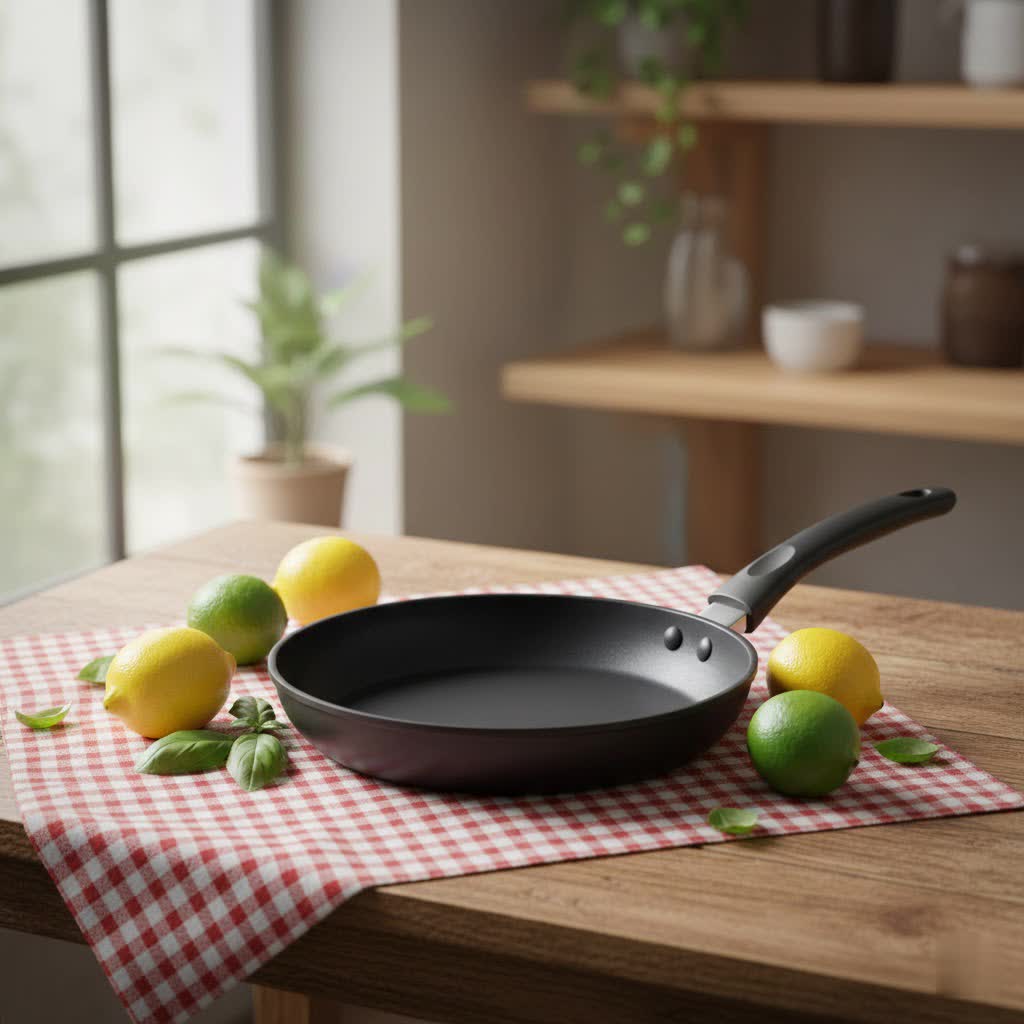
What is a Nonstick Fry Pan?
A nonstick fry pan is a kitchen essential designed to prevent food from adhering to its cooking surface, making for easier cooking and cleanup. These pans typically feature a base material, often aluminum or stainless steel, coated with a special layer that creates a low-friction surface. The primary benefit is the ability to cook with minimal oil or butter, leading to healthier meals and simplified food release. The evolution of nonstick technology has seen significant advancements, moving from early, less durable coatings to today’s reinforced, more resilient surfaces, often free from PFOA and other chemicals of concern.
Types of Nonstick Fry Pans
The world of nonstick cookware is broad, offering various materials, brands, and sizes to suit every culinary need. Understanding these categories can help you navigate the choices effectively.
By Material:
- PTFE (Teflon): This is perhaps the most widely recognized nonstick coating.
- Pros: Excellent nonstick properties, often more affordable.
- Cons: Can scratch easily, and there have been past concerns about health implications if overheated (though modern PTFE coatings are generally considered safe for everyday use).
- Ceramic: These pans feature a silica-based gel coating.
- Pros: Often considered a “greener” and safer alternative, good heat resistance.
- Cons: Nonstick properties may diminish faster than PTFE, generally higher price point.
- Titanium: Often infused into other nonstick coatings or used as a reinforcement layer.
- Pros: Exceptional durability, enhanced nonstick performance, and typically safe.
- Cons: Usually comes with a higher price tag.
- Granite (Stone-derived): These pans incorporate granite or stone particles into the nonstick coating for added durability and a distinct aesthetic.
- Pros: Attractive design, good heat retention, often robust.
- Cons: May still contain PTFE as part of the coating, so careful inspection of product details is crucial.
|
Our Picks for the Best Nonstick Pan in 2026
As an Amazon Associate I earn from qualifying purchases.
|
||
| Num | Product | Action |
|---|---|---|
| 1 | SENSARTE Nonstick Ceramic Frying Pan with Lid 8/9.5/10/11/12.5 Inch Omelet Pan Skillet, Free of Intentionally Added PFAS/PTFE Non-toxic Chef's Pan Induction Compatible Pan, Heat Resistant Handle |

|
| 2 | Amazon Basics Ceramic Nonstick Pots and Pans Cookware Set, Dishwasher & Oven Safe, Even Heating, 10-Piece Set, Copper Color |
|
| 3 | CAROTE Nonstick Frying Pan Skillet,Non Stick Granite Fry Pan Egg Pan Omelet Pans, Stone Cookware Chef's Pan, PFOA Free,Induction Compatible(Classic Granite, 8-Inch) |
|
| 4 | Tramontina Professional 10-Inch Non Stick Frying Pan, Heavy-Gauge Aluminum Skillet with Reinforced Nonstick Coating, Red Handle, Dishwasher and Oven Safe |
|
| 5 | Non Stick Frying Pan, 8-inch Omelette Pan with Heat Dot Temperature Indicator, Healthy Non Toxic Egg Skillet with Heat-Resistant Handle, PFOA-Free, Dishwasher Safe, Compatible with All Cooktops |
|
| 6 | T-fal Ultimate Hard Anodized Nonstick Fry Pan Set 2 Piece, 10, 12 Inch, Oven Broiler Safe 400F, Cookware, Pots and Pans Set Non Stick, Kitchen Frying Pans, Cooking Skillets, Dishwasher Safe, Grey |
|
| 7 | SENSARTE Nonstick Frying Pan Skillet, Swiss Granite Coating Omelette Pan, Healthy Stone Cookware Chef's Pan, PFOA Free (8/9.5/10/11/12.5 Inch) (9.5 Inch) |
|
| 8 | Amazon Basics Non Stick Kitchen Cookware 15-Piece Set, Non-Induction, Includes Pots, Pans, and Utensils, Black |
|
| 9 | SENSARTE Nonstick Frying Pan Skillet with Lid, 12 Inch Large Deep Frying Pan, 5 Qt Non Stick Saute Pan with Cover, Induction Pan, Healthy Non Toxic Cooking Pan with Helper Handle, PFOA PFOS Free |
|
| 10 | Amazon Basics Non Stick Kitchen Cookware 8-Piece Set, Non-Induction, Includes Pots and Pans, Black |
|
By Brand:
Many reputable brands offer high-quality nonstick pans, each with its unique selling points. Brands like Tramontina, Tefal, Lock&Lock, and others compete to provide superior heat distribution, durability, and ergonomic design. Tramontina, for instance, is highly regarded for its professional-grade aluminum construction and reinforced nonstick coatings that balance performance with value. Other brands might focus on eco-friendly ceramic options or innovative handle designs.
By Size:
Selecting the right pan size is essential for efficient cooking and storage.
- Small (16-20cm / 6-8 inches): Ideal for single servings, omelets, or individual side dishes.
- Medium (24-28cm / 9.5-11 inches): The most popular and versatile size, perfect for couples or small families, capable of frying eggs, sautéing vegetables, or searing small cuts of meat.
- Large (30cm+ / 12 inches and up): Suited for larger families, entertaining, or preparing bigger meals like stir-fries, large batches of pancakes, or multiple chicken breasts. The Tramontina Professional 12-inch pan falls into this versatile large category.
Comparison Table: Popular Nonstick Pan Materials
| Feature | PTFE (Teflon) | Ceramic | Titanium | Granite (Stone-derived) |
|---|---|---|---|---|
| Nonstick Performance | Excellent, very slick | Good to very good | Excellent, often enhanced by other coatings | Good, often aesthetically pleasing |
| Durability | Moderate, prone to scratching if misused | Moderate, can degrade over time | High, resistant to scratches and abrasion | High, often features reinforced layers |
| Heat Tolerance | Up to 500°F (260°C), avoid overheating | Up to 800°F (426°C), but nonstick can degrade | Varies based on base material and coating | High, good heat retention |
| Safety Concerns | Historically linked to PFOA (now mostly PFOA-free) | Generally considered safe, eco-friendly | Generally safe | Can contain PTFE, always check manufacturer’s details |
| Maintenance | Easy, hand wash recommended | Easy, hand wash recommended | Easy, often dishwasher safe | Easy, hand wash recommended |
| Price Range | Low to Mid | Mid to High | Mid to High | Mid to High |
How to Choose the Right Nonstick Fry Pan
Selecting the best nonstick pan involves considering your cooking habits, family size, and budget. Here’s a structured approach to guide your decision.
Determine Your Usage Needs:
Start by evaluating what you cook most often. Are you a frequent egg-fryer, a stir-fry enthusiast, or do you primarily sear meats?
- What dishes do you cook regularly? This will influence the preferred pan size and type.
- How many people do you typically cook for? A 12-inch pan like the Tramontina Professional is excellent for families of 2-4 or for larger single-dish meals.
- What is your budget? Nonstick pans range widely in price, so setting a budget beforehand helps narrow down options without compromising too much on quality. The Tramontina Professional offers commercial quality at a reasonable price point.
Choose the Right Material:
Prioritize what matters most to you in terms of material.
- Health and safety: If you prioritize non-toxic materials, ceramic or PFOA-free PTFE are good options. The Tramontina Professional features a reinforced nonstick coating that is PFOA-free, addressing these concerns.
- Durability and longevity: Titanium-reinforced or heavy-gauge aluminum pans like the Tramontina are built to last. Look for sturdy construction and reinforced coatings.
- Affordability: While investing in a durable pan is wise, there are excellent budget-friendly options. The Tramontina Professional is often praised for offering professional quality without a prohibitive price.
Inspect the Pan’s Quality:
A quick visual and tactile inspection can tell you a lot about a pan’s quality.
- Nonstick surface: Check for any scratches, bubbles, or inconsistencies in the coating. A smooth, even surface is crucial for performance.
- Handle: Ensure the handle is securely attached, preferably with rivets, and feels comfortable and balanced in your hand. The Tramontina Professional’s riveted cast stainless steel handle with a removable silicone grip is a hallmark of its design.
- Pan base: The base should be flat and sturdy, especially if you plan to use it on a flat-top stove. A heavy-gauge aluminum base, like that of the Tramontina Professional, ensures even heat distribution and prevents warping.
Purchase from Reputable Sellers:
To guarantee authenticity and good warranty support, always buy from trusted sources.
- Major retailers and department stores: These outlets often carry established brands and offer clear return policies.
- Authorized online vendors: Reputable e-commerce sites or the manufacturer’s official website are good choices.
Tips for Using and Maintaining Your Nonstick Fry Pan
Proper care is paramount to extending the life and performance of your Tramontina Professional Nonstick Aluminum Fry Pan.
Correct Usage:
Adhering to these guidelines will help preserve the nonstick coating and ensure optimal cooking results.
- Utensils: Always use wooden, silicone, nylon, or heat-resistant plastic utensils. Metal utensils can scratch and damage the nonstick surface, potentially voiding the warranty.
- Heat Settings: Nonstick pans, especially those made of highly conductive aluminum like the Tramontina, perform best on low to medium heat. High heat is generally unnecessary and can degrade the nonstick coating over time, causing it to prematurely wear or even warp the pan.
- Temperature Shock: Never immerse a hot pan directly into cold water. Sudden temperature changes can cause thermal shock, leading to warping or damage to the nonstick coating. Always allow the pan to cool completely before washing.
- Seasoning (First Use): Before the first use, wash the pan with warm, soapy water, rinse, and dry thoroughly. Then, lightly rub cooking oil onto the interior surface and heat the pan over medium heat for two to three minutes. Once cool, wash and dry again. This helps condition the nonstick surface.
- Cooking Sprays: Avoid aerosol nonstick cooking sprays. They can leave a sticky residue that builds up over time and becomes difficult to remove, ultimately reducing the pan’s nonstick effectiveness.
Proper Cleaning:
Gentle and thorough cleaning is key to maintaining the pan’s performance.
- Soft Sponge: Use a soft sponge or cloth with warm, soapy water.
- Detergents: Mild dish soap is sufficient. Avoid harsh detergents, abrasive cleaners, steel wool, or coarse scouring pads, as these can strip or scratch the nonstick coating.
- Dishwasher Use: While the Tramontina Professional pan is often listed as dishwasher-safe, hand-washing is strongly recommended. Dishwasher detergents can be harsh on nonstick coatings and aluminum, potentially causing discoloration or reducing the lifespan of the nonstick layer. If using a dishwasher, remove the silicone grip first and ensure the pan is placed so it doesn’t rub against other items.
- Drying: Always dry the pan thoroughly after washing to prevent water spots and rust, especially on the stainless steel handle.
Proper Storage:
How you store your pan can significantly impact its longevity.
- Protect the Surface: If stacking pans, place a soft cloth, paper towel, or pan protector between them to prevent scratching the nonstick surface. Ideally, hang pans or store them in a single layer.
- Oil Coating: For extended storage, particularly if the pan won’t be used for a while, a very thin layer of cooking oil lightly wiped over the nonstick surface can help protect it.
Common Issues and How to Resolve Them
Even with the best nonstick pans, issues can arise. Here’s how to troubleshoot common problems with your Tramontina Professional pan.
- Food Sticking: If food starts to stick, first ensure the pan is clean and free of any residue (especially from cooking sprays). While the nonstick coating is highly effective, using a small amount of oil or butter can further enhance food release, particularly for delicate items like eggs or fish. Re-seasoning the pan periodically (as described in “Correct Usage”) can also help revive its nonstick properties.
- Nonstick Coating Peeling/Flaking: This is often a sign of damage from using metal utensils, overheating, or abrasive cleaning. Unfortunately, once the coating begins to peel, it cannot be repaired. Ensure you are following all usage and maintenance guidelines to prevent this. Some users have reported issues with the lifetime warranty covering this as “wear and tear,” so consistent care is crucial.
- Pan Warping: Warping usually occurs due to sudden temperature changes (e.g., placing a hot pan under cold water) or consistent overheating. Always allow the pan to cool naturally before washing and avoid using excessively high heat settings. A warped pan will not heat evenly and may wobble on flat stovetops.
Conclusion
The Tramontina Professional 12-inch Nonstick Aluminum Fry Pan stands out as a high-performance, durable, and versatile choice for anyone looking to upgrade their kitchen cookware. Its heavy-gauge aluminum construction ensures rapid and even heating, while the reinforced nonstick coating offers effortless food release and simplified cleanup. With its comfortable, removable silicone-grip handle and NSF certification, it embodies commercial kitchen quality tailored for everyday home use. By following the recommended usage, cleaning, and storage tips, you can extend the life of this pan and enjoy perfectly cooked meals for years to come. Isn’t it time your cooking experience felt truly professional?
Frequently Asked Questions
Is the Tramontina Professional 12-inch Nonstick Aluminum Fry Pan suitable for induction cooktops?
No, the Tramontina Professional 12-inch Nonstick Aluminum Fry Pan is not suitable for induction cooktops. It is designed for use on gas, electric, and ceramic glass cooktops only, due to its heavy-gauge aluminum construction which lacks the ferrous metal needed for induction.
Can I use metal utensils with my Tramontina nonstick pan?
It is strongly advised against using metal utensils with your Tramontina nonstick pan. Metal can scratch and damage the reinforced nonstick coating, leading to premature wear and reducing the pan’s effectiveness. Always opt for wooden, silicone, or heat-resistant plastic utensils to protect the surface.
What is the maximum oven temperature for this pan?
The Tramontina Professional 12-inch Nonstick Aluminum Fry Pan is oven-safe up to 400°F (204°C) with its removable silicone grip sleeve attached. If the silicone sleeve is removed, the pan can safely withstand temperatures up to 500°F (260°C). Always use oven mitts when handling a hot pan.
How do I prevent food from sticking after prolonged use?
If food starts to stick, ensure the pan is thoroughly cleaned and free of residue, especially from aerosol cooking sprays. You can also re-season the pan by rubbing a thin layer of cooking oil on the surface and heating it on medium for a few minutes. Using a small amount of oil or butter during cooking can also help, especially for delicate foods.
Is the Tramontina Professional pan dishwasher safe?
While many sources indicate the pan is dishwasher-safe, hand-washing with warm, soapy water and a soft sponge is highly recommended. Dishwasher detergents can be harsh and may cause discoloration to the natural aluminum or shorten the lifespan of the nonstick coating. If you do use a dishwasher, make sure to remove the silicone handle grip first.
