Navigating the vast world of cookware, especially when it comes to nonstick frying pans, can feel overwhelming. With countless materials, brands, and price points, finding the perfect pan that truly delivers on its promises of durability and effortless cooking is a common challenge. This guide aims to demystify the choices, focusing on Ninja’s innovative nonstick frying pans to help you make an informed decision for your culinary needs. We’ll explore what makes these pans stand out, their different types, how to choose the best one, and essential care tips to ensure they remain a reliable companion in your kitchen for years to come.
What is a Nonstick Frying Pan, and What Makes Ninja Special?
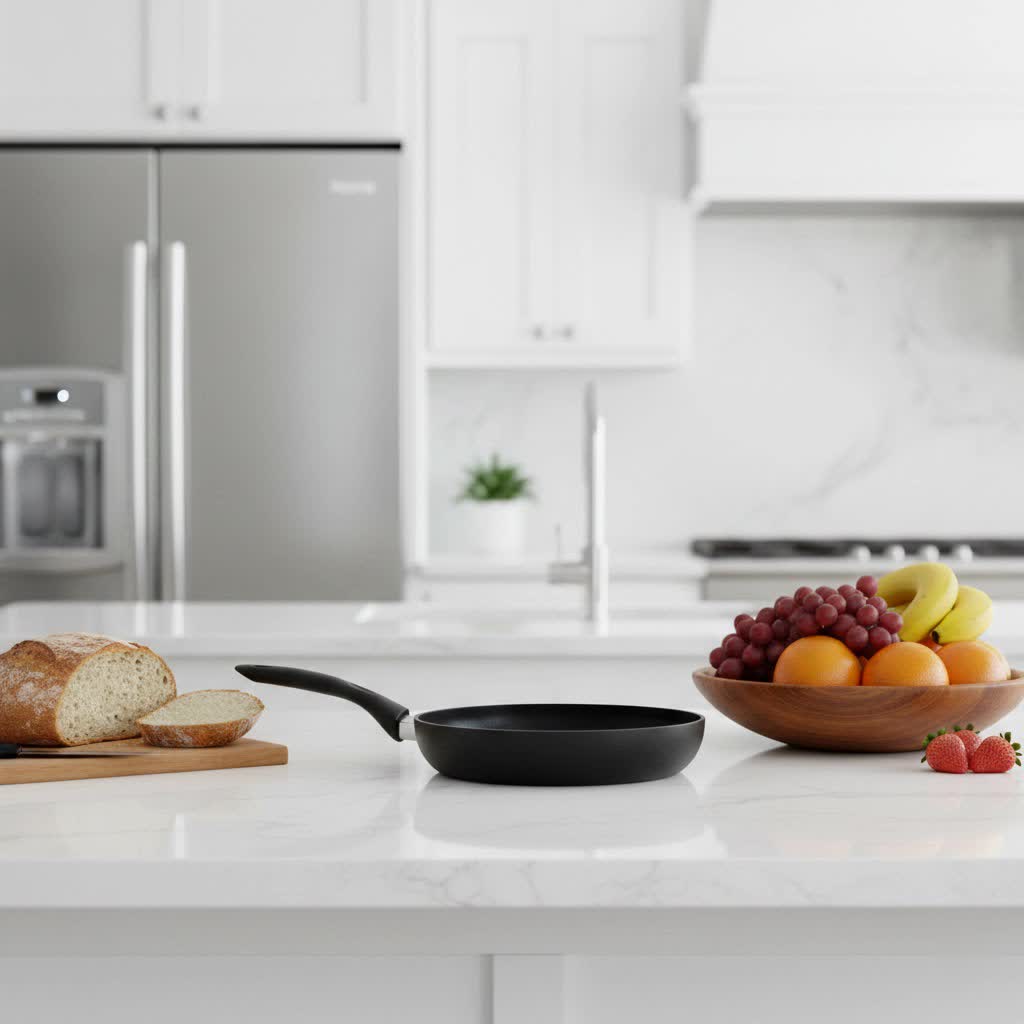
A nonstick frying pan is an essential kitchen tool designed with a surface that prevents food from adhering, allowing for easier cooking and cleaning, often with less oil or butter. Traditionally, nonstick coatings were primarily made from PTFE (polytetrafluoroethylene), commonly known as Teflon. While effective, early versions raised concerns about durability and safety at high temperatures. Over time, nonstick technology has evolved significantly, leading to safer and more robust options.
Ninja has distinguished itself in the cookware market with its proprietary NeverStick and Zerostick technologies. These innovative coatings are engineered for extreme durability, promising not to chip, stick, or flake. The secret lies in a unique manufacturing process where plasma ceramic particles are fused to the surface of the pan at incredibly high temperatures, often cited as 17,000°C or even 30,000°F. This creates a robust, textured surface that forms an interlocking bond with Ninja’s exclusive nonstick coating. This advanced construction results in a pan that boasts superior food release and can withstand more rigorous use than many conventional nonstick options. Furthermore, Ninja nonstick frying pans are typically PFOA, lead, and cadmium free, addressing common health concerns associated with older nonstick coatings.
Popular Types of Ninja Nonstick Frying Pans
Ninja offers a range of nonstick frying pans, each designed to cater to different cooking styles and kitchen needs, all built around their core NeverStick or Zerostick technology. Understanding the distinctions between these lines can help you pinpoint the best fit for your home.
By Series or Technology
The foundation of Ninja’s nonstick cookware lies in its NeverStick/Zerostick technology, which ensures exceptional food release and long-term durability. Beyond this core, Ninja categorizes its offerings into several lines:
- Premium Cookware: These pans typically feature a heavy-gauge, hard-anodized aluminum base, often 4.5mm thick, for superior heat distribution and retention. They are designed for robust everyday use and come in various individual pieces and sets.
- PossiblePot and PossiblePan: These are Ninja’s answer to multi-functional, all-in-one cookware, designed to replace several kitchen items. The PossiblePan, for instance, often comes with a steamer basket and spatula, aiming to streamline cooking tasks. These lines also sometimes offer a wider array of colors to match diverse kitchen aesthetics.
- Nesting Cookware: Addressing the challenge of kitchen storage, Ninja’s nesting cookware sets are specifically engineered to stack neatly, with handles designed to prevent scratching when stored together. The materials and performance generally mirror the Premium line but with an added focus on space efficiency.
- Ceramic Pro Collection / Extended Life Ceramic: While “NeverStick” is often associated with a reinforced PTFE-based coating, Ninja also offers ceramic options under names like Ceramic Pro. These lines emphasize a non-toxic ceramic coating that is equally tough and built to last, providing another material choice for consumers.
|
Our Picks for the Best Nonstick Pan in 2026
As an Amazon Associate I earn from qualifying purchases.
|
||
| Num | Product | Action |
|---|---|---|
| 1 | Non Stick Frying Pan, 8-inch Omelette Pan with Heat Dot Temperature Indicator, Healthy Non Toxic Egg Skillet with Heat-Resistant Handle, PFOA-Free, Dishwasher Safe, Compatible with All Cooktops |

|
| 2 | SENSARTE Nonstick Frying Pan Skillet, Swiss Granite Coating Omelette Pan, Healthy Stone Cookware Chef's Pan, PFOA Free (8/9.5/10/11/12.5 Inch) (9.5 Inch) |
|
| 3 | Amazon Basics Non Stick Kitchen Cookware 15-Piece Set, Non-Induction, Includes Pots, Pans, and Utensils, Black |
|
| 4 | Amazon Basics Ceramic Nonstick Pots and Pans Cookware Set, Dishwasher & Oven Safe, Even Heating, 10-Piece Set, Copper Color |
|
| 5 | SENSARTE Nonstick Frying Pan Skillet with Lid, 12 Inch Large Deep Frying Pan, 5 Qt Non Stick Saute Pan with Cover, Induction Pan, Healthy Non Toxic Cooking Pan with Helper Handle, PFOA PFOS Free |
|
| 6 | Amazon Basics Non Stick Kitchen Cookware 8-Piece Set, Non-Induction, Includes Pots and Pans, Black |
|
| 7 | Tramontina Professional 10-Inch Non Stick Frying Pan, Heavy-Gauge Aluminum Skillet with Reinforced Nonstick Coating, Red Handle, Dishwasher and Oven Safe |
|
| 8 | SENSARTE Nonstick Ceramic Frying Pan with Lid 8/9.5/10/11/12.5 Inch Omelet Pan Skillet, Free of Intentionally Added PFAS/PTFE Non-toxic Chef's Pan Induction Compatible Pan, Heat Resistant Handle |
|
| 9 | CAROTE Nonstick Frying Pan Skillet,Non Stick Granite Fry Pan Egg Pan Omelet Pans, Stone Cookware Chef's Pan, PFOA Free,Induction Compatible(Classic Granite, 8-Inch) |
|
| 10 | T-fal Ultimate Hard Anodized Nonstick Fry Pan Set 2 Piece, 10, 12 Inch, Oven Broiler Safe 400F, Cookware, Pots and Pans Set Non Stick, Kitchen Frying Pans, Cooking Skillets, Dishwasher Safe, Grey |
|
By Material
While Ninja’s primary nonstick offering, NeverStick, uses a PTFE coating reinforced with ceramic particles, they also offer lines with a more traditional ceramic coating. Both are designed to be PFOA, lead, and cadmium free. The pans typically feature a durable hard-anodized aluminum body with sturdy, often riveted, stainless steel handles and tempered glass lids. The base is frequently induction compatible, thanks to an integrated stainless steel disc.
By Size
Choosing the right size is crucial for efficiency and versatility in the kitchen. Ninja nonstick frying pans are available in common dimensions to suit various cooking volumes:
- Small Frying Pans (e.g., 16-20cm or 8-inch): Ideal for individual portions, quickly frying an egg, or preparing small sides.
- Medium Frying Pans (e.g., 24-28cm or 10-12 inch): The most popular and versatile size, perfect for meals for 2-4 people, such as sautéing vegetables, cooking chicken breasts, or making omelets.
- Large Frying Pans (e.g., 30cm+ or 12-inch and up): Best suited for larger families, entertaining, or preparing bigger batches of food like stir-fries or substantial sears.
Comparing Ninja Nonstick Frying Pans: A Detailed Look
Ninja nonstick frying pans are celebrated for their distinctive features that aim to elevate everyday cooking. Here’s a closer look at their performance characteristics:
Ninja’s nonstick surfaces, whether NeverStick or Zerostick, consistently receive high praise for their superior food release. Delicate items like eggs, pancakes, and fish effortlessly slide off the pan, often requiring little to no oil. This makes them an excellent choice for health-conscious cooks or anyone looking to simplify cleanup.
In terms of durability, Ninja sets a high bar. Their unique high-temperature bonding process creates a coating that is remarkably resistant to chipping, peeling, and flaking. Many users find these pans hold up well against metal utensils, though it’s still advised to avoid sharp instruments like knives or electric mixers to preserve the nonstick finish. The robust construction typically includes a hard-anodized aluminum body, which is stronger than stainless steel in some respects, further enhancing longevity.
Heat distribution is another strong suit. The thick aluminum bases are designed to heat evenly across the entire cooking surface, preventing frustrating hot spots that can lead to unevenly cooked food. While some reviews note that the thick base can mean a slightly longer preheating time compared to lighter nonstick pans, the consistent heat once achieved is a significant advantage. The pans are also generally responsive to temperature changes, allowing for precise cooking control.
However, it’s worth noting the searing performance. While Ninja pans cook meats evenly, their exceptionally slick surface isn’t ideal for achieving the deep, crispy crust that stainless steel or cast iron pans excel at. For delicate foods, this slickness is a boon, but for a perfect sear on a steak or chicken, you might find other materials more effective.
Ninja nonstick pans are highly versatile in terms of compatibility and safety. They are typically oven safe up to 260°C (500°F), including the lids, allowing for seamless transfers from stovetop to oven to finish dishes. They are also compatible with all hob types, including induction, gas, electric, and ceramic. The handles, usually made of brushed stainless steel, are designed to stay cool on the stovetop, though they can get warm near the pan end during extended cooking.
A minor point of consideration is that some Ninja pan lids may not feature dedicated steam vents, which means steam can escape around the rim. This might require monitoring when boiling liquids to prevent boil-overs. Despite these nuances, Ninja’s commitment to PFOA, lead, and cadmium-free coatings ensures a safe cooking experience.
How to Choose the Right Ninja Nonstick Frying Pan
Selecting the ideal Ninja nonstick frying pan involves considering your personal cooking habits, household size, and specific needs. With Ninja’s range of options, a little forethought can help you pick a pan that truly enhances your kitchen experience.
Determine Your Cooking Needs
Start by evaluating what you cook most frequently. Do you primarily prepare delicate foods like eggs, pancakes, or fish that benefit immensely from a slick, nonstick surface? Or do you often sear meats, where a crisp, browned crust is paramount? If delicate cooking is your priority, any of Ninja’s NeverStick or Zerostick pans will excel. If searing is a frequent task, while Ninja pans can cook meat evenly, you might consider supplementing your Ninja nonstick with a cast iron or stainless steel pan for optimal browning. Also, consider your family size; a small 8-inch pan is great for one or two, while a 10-inch or 12-inch pan suits larger families. Your budget will also play a role, as Ninja offers various price points across its lines.
Consider Material and Technology
All Ninja nonstick pans leverage either NeverStick or Zerostick technology, ensuring a durable and long-lasting nonstick surface. However, some lines, like the Premium Cookware, feature a thicker, hard-anodized aluminum base for enhanced heat performance. If kitchen organization is a concern, the Nesting Cookware line offers clever space-saving designs. For those who prefer a different coating type, Ninja also provides ceramic-based nonstick options in some of its collections. Understanding these subtle differences can guide you to a pan that aligns with your material preferences and lifestyle.
Check Quality and Features
When examining a Ninja nonstick frying pan, pay attention to its overall construction. The surface should be free of any visible scratches or imperfections. The handle should feel sturdy and securely riveted, offering a comfortable grip. Ensure the base is flat, which is essential for even heat distribution, especially on flat-top or induction stoves. Confirm the pan’s compatibility with your stovetop type (gas, electric, ceramic, induction) and its oven-safe temperature if you plan to use it for finishing dishes in the oven. Many Ninja pans are induction compatible and oven safe up to 500°F (260°C), adding to their versatility.
Purchase at Reputable Locations
To ensure authenticity and to benefit from Ninja’s warranty, always purchase your nonstick frying pan from authorized retailers. This includes major department stores, reputable kitchenware outlets, or Ninja’s official website. Buying from trusted sources also ensures you receive proper customer support and can take advantage of any guarantees offered, which typically range from 5 to 10 years for the nonstick coating.
Tips for Using and Maintaining Your Ninja Nonstick Frying Pan
Proper care and usage are vital for maximizing the lifespan and performance of your Ninja nonstick frying pan. Following these simple guidelines will help preserve its nonstick properties and ensure many years of effortless cooking.
Proper Use
- Preheating is Key: Always preheat your Ninja nonstick pan on low to medium heat for 1-2 minutes before adding cooking oil or food. This allows the pan to heat evenly and helps activate the nonstick surface, preventing sticking. Avoid preheating an empty pan on high heat for extended periods, as this can damage the coating.
- Choose the Right Utensils: While Ninja’s NeverStick technology is often marketed as “metal utensil safe,” it’s generally best practice to use silicone, nylon, or wooden utensils to avoid any potential scratching or damage to the nonstick surface. Absolutely avoid sharp metal objects like knives, forks, or electric mixers directly in the pan, as these can compromise the coating and void the warranty.
- Mind the Temperature: Nonstick pans perform optimally at low to medium heat for most cooking tasks. High heat should generally be reserved for boiling liquids or searing for very short durations. Overheating can degrade the nonstick coating over time.
- Avoid Thermal Shock: Never plunge a hot pan into cold water. Allow your pan to cool down completely before cleaning. Rapid temperature changes can cause warping and damage the pan’s structure.
Cleaning Correctly
- Hand Washing is Recommended: Although many Ninja nonstick pans are dishwasher safe, hand washing is typically preferred for preserving the nonstick coating and overall finish. Use a soft sponge or cloth and mild dish soap.
- Gentle Cleaning: Avoid abrasive scrubbers, steel wool, or harsh chemical detergents, as these can scratch or degrade the nonstick surface. For stubborn residue, soak the pan in warm, soapy water for a few minutes before gently wiping it clean.
- Thorough Drying: Always dry your pan completely after washing to prevent water spots and mineral buildup, especially on the exterior.
Proper Storage
- Protect the Surface: To prevent scratches, avoid stacking other cookware directly inside your nonstick pan. If stacking is necessary, use pan protectors made of felt or silicone between the pans. Hanging pans is an excellent way to prevent accidental damage.
- Cool Storage: Ensure the pan is cool and dry before storing it.
Common Issues and Solutions with Nonstick Pans
Even with advanced technology, nonstick pans can encounter issues. Understanding these common problems and their solutions can help you maintain your cookware effectively.
- Food Sticking: If food begins to stick, it’s often due to improper preheating or cooking at excessively high temperatures. Ensure you preheat the pan on low to medium heat for a minute or two before adding ingredients and avoid dry cooking at very high heat. Sometimes, a thorough cleaning might also be necessary to remove any invisible residue affecting the nonstick performance.
- Nonstick Coating Degradation or Scratches: This is typically a result of using inappropriate metal utensils, harsh cleaning methods, or overheating. Always use non-abrasive utensils (silicone, wood, nylon) and gentle cleaning tools. Avoid extremely high temperatures, particularly when the pan is empty. If the coating is severely scratched or flaking, it’s time to replace the pan for safety and performance.
- Pan Warping: Warping, where the pan’s base becomes uneven, is almost always caused by thermal shock—exposing a hot pan to cold water—or cooking on high heat without sufficient contents. To prevent this, always allow your pan to cool completely before washing and avoid using very high heat, especially if the pan is dry or contains only a small amount of food.
Conclusion
Choosing the right nonstick frying pan can significantly impact your daily cooking experience, and Ninja’s innovative NeverStick and Zerostick technologies offer a compelling solution. With their exceptional food release, robust durability, and even heat distribution, these pans are designed to tackle a wide array of culinary tasks, from delicate eggs to everyday sautéing, with remarkable ease. By understanding the distinct features of Ninja’s various lines and adhering to best practices for usage and care, you can ensure your nonstick frying pan remains a high-performing and reliable tool in your kitchen for years. Embrace the convenience and quality of Ninja nonstick cookware to elevate your culinary journey and enjoy cooking with confidence.
Frequently Asked Questions
Are Ninja nonstick pans truly metal utensil safe?
While Ninja markets its NeverStick technology as metal utensil safe due to its durable coating, it’s generally recommended to use silicone, nylon, or wooden utensils to prolong the life of the nonstick surface. Sharp metal objects like knives, forks, or electric mixers should always be avoided.
Can Ninja nonstick frying pans go in the oven?
Yes, most Ninja nonstick frying pans are oven safe up to a high temperature, typically 500°F (260°C), including their lids. This versatility allows you to seamlessly transfer dishes from the stovetop to the oven to finish cooking or keep food warm.
How do I prevent food from sticking in my Ninja nonstick pan?
To ensure optimal nonstick performance, always preheat your Ninja pan on low to medium heat for 1-2 minutes before adding oil or food. Avoid cooking on excessively high heat, especially with an empty pan, and ensure the pan is clean and free of residue before each use.
Are Ninja nonstick pans PFOA, lead, and cadmium free?
Yes, Ninja’s NeverStick and Zerostick nonstick coatings are confirmed to be PFOA, lead, and cadmium free. This makes them a safer choice for everyday cooking, alleviating concerns associated with older chemical-based nonstick materials.
How should I clean my Ninja nonstick frying pan?
For best results and to extend the life of your pan, hand washing with a soft sponge or cloth and mild dish soap is recommended, even if the pan is dishwasher safe. Always allow the pan to cool completely before cleaning, and avoid abrasive scrubbers or harsh detergents.
