For many home cooks, preparing eggs can be a daily ritual, yet achieving that perfectly cooked, effortlessly sliding egg often feels like a culinary challenge. The market is saturated with nonstick pans, each promising superior performance, but navigating the options—from various materials and brands to diverse price points—can be overwhelming. This guide aims to demystify the selection process, providing you with the knowledge to choose a nonstick pan that guarantees flawless eggs every time, combining safety, durability, and outstanding cooking efficiency. Let’s explore the essential factors to consider and ensure your breakfast creations are always a success.
What is a Nonstick Pan?
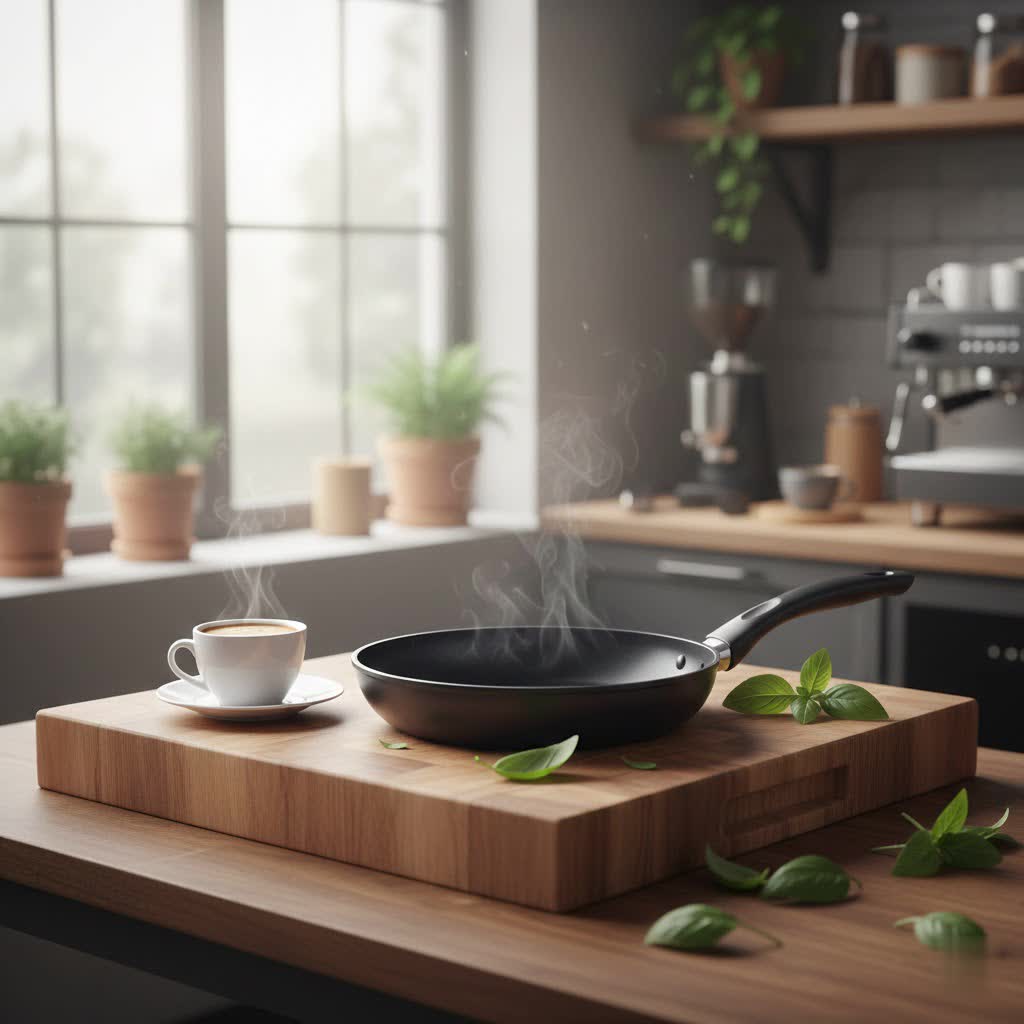
A nonstick pan is a type of cookware featuring a specialized coating on its cooking surface designed to prevent food from adhering. This innovation revolutionized cooking by making it significantly easier to prepare delicate foods like eggs, pancakes, and fish without excessive oil and with minimal cleanup. The concept of nonstick cookware traces back to the mid-20th century with the accidental discovery of Polytetrafluoroethylene (PTFE), a synthetic fluoropolymer, which became commercially known as Teflon. Over decades, nonstick technology has evolved, with manufacturers continuously developing new coatings, including ceramic, titanium-reinforced, and hybrid options, to address concerns about durability, heat tolerance, and health. These advancements aim to offer safer, longer-lasting, and more efficient cooking experiences for every kitchen.
Popular Types of Nonstick Pans
Nonstick pans come in various forms, primarily differing in their base materials and nonstick coatings. Understanding these distinctions is crucial for selecting the best pan for your egg-cooking needs.
By Material and Coating
- Teflon (PTFE):
- Pros: Known for its exceptional nonstick properties, PTFE-coated pans allow eggs to glide effortlessly. They are widely available and often more affordable. Many modern PTFE pans are also PFOA-free, addressing past health concerns.
- Cons: PTFE coatings can be prone to scratching and may degrade if consistently exposed to very high temperatures, potentially releasing fumes if overheated. It’s generally recommended to use them at low to medium heat.
- Ceramic:
- Pros: Often marketed as a “green” or “eco-friendly” alternative, ceramic nonstick coatings are typically free from PTFE, PFOA, and PFAS (per- and polyfluoroalkyl substances). They offer good nonstick performance, are safe at higher temperatures, and frequently come in attractive colors and designs. Brands like Caraway and Le Creuset are highly praised for their ceramic nonstick properties.
- Cons: Ceramic coatings can be less durable than traditional PTFE over time and may lose their nonstick efficacy if not cared for properly, particularly when exposed to sustained high heat or metal utensils.
- Titanium-Reinforced & Granite-Derived:
- These coatings usually build upon PTFE or ceramic bases, incorporating materials like titanium or granite particles to enhance durability and scratch resistance. For example, Zwilling’s DuraSlide granite nonstick coating claims to be significantly more durable than traditional nonstick.
- Pros: Offers improved longevity and resistance to wear and tear compared to basic nonstick coatings. They often maintain excellent nonstick performance.
- Cons: Can be more expensive than standard nonstick options, and some still require careful handling to maximize lifespan.
- Hard Anodized Aluminum:
- This refers to the pan’s base material rather than the coating. Aluminum is highly conductive, ensuring even heat distribution, which is vital for uniformly cooked eggs. The anodization process hardens the aluminum, making it more durable and resistant to corrosion. Nonstick coatings are then applied to this base.
- Hybrid Pans (e.g., HexClad):
- These pans combine the best of both worlds, featuring a stainless steel etched surface with nonstick coating filling the valleys. This design aims to provide the durability of stainless steel and the easy release of nonstick.
- Pros: Very durable, often metal-utensil safe, and offer excellent heat distribution.
- Cons: Can be pricier and, while nonstick, may not be as “slick” as pure PTFE or ceramic for very delicate items like eggs without a little fat.
|
Our Picks for the Best Nonstick Pan in 2026
As an Amazon Associate I earn from qualifying purchases.
|
||
| Num | Product | Action |
|---|---|---|
| 1 | Non Stick Frying Pan, 8-inch Omelette Pan with Heat Dot Temperature Indicator, Healthy Non Toxic Egg Skillet with Heat-Resistant Handle, PFOA-Free, Dishwasher Safe, Compatible with All Cooktops |

|
| 2 | Amazon Basics Non Stick Kitchen Cookware 8-Piece Set, Non-Induction, Includes Pots and Pans, Black |
|
| 3 | Tramontina Professional 10-Inch Non Stick Frying Pan, Heavy-Gauge Aluminum Skillet with Reinforced Nonstick Coating, Red Handle, Dishwasher and Oven Safe |
|
| 4 | CAROTE Nonstick Frying Pan Skillet,Non Stick Granite Fry Pan Egg Pan Omelet Pans, Stone Cookware Chef's Pan, PFOA Free,Induction Compatible(Classic Granite, 8-Inch) |
|
| 5 | T-fal Ultimate Hard Anodized Nonstick Fry Pan Set 2 Piece, 10, 12 Inch, Oven Broiler Safe 400F, Cookware, Pots and Pans Set Non Stick, Kitchen Frying Pans, Cooking Skillets, Dishwasher Safe, Grey |
|
| 6 | SENSARTE Nonstick Ceramic Frying Pan with Lid 8/9.5/10/11/12.5 Inch Omelet Pan Skillet, Free of Intentionally Added PFAS/PTFE Non-toxic Chef's Pan Induction Compatible Pan, Heat Resistant Handle |
|
| 7 | SENSARTE Nonstick Frying Pan Skillet with Lid, 12 Inch Large Deep Frying Pan, 5 Qt Non Stick Saute Pan with Cover, Induction Pan, Healthy Non Toxic Cooking Pan with Helper Handle, PFOA PFOS Free |
|
| 8 | Amazon Basics Non Stick Kitchen Cookware 15-Piece Set, Non-Induction, Includes Pots, Pans, and Utensils, Black |
|
| 9 | Amazon Basics Ceramic Nonstick Pots and Pans Cookware Set, Dishwasher & Oven Safe, Even Heating, 10-Piece Set, Copper Color |
|
| 10 | SENSARTE Nonstick Frying Pan Skillet, Swiss Granite Coating Omelette Pan, Healthy Stone Cookware Chef's Pan, PFOA Free (8/9.5/10/11/12.5 Inch) (9.5 Inch) |
|
By Brand
Several brands consistently receive high marks for their nonstick pans suitable for eggs. Caraway is often a top pick for its ceramic nonstick properties and aesthetic appeal. Le Creuset offers well-designed pans with excellent heat responsiveness and nonstick qualities. All-Clad is recognized for durable hard-anodized and stainless nonstick options. Made In Cookware’s ProCoat pans are noted for their longevity and efficient heating. Budget-friendly options like Blue Diamond Ceramic are praised for their diamond-infused coating and dishwasher-safe convenience.
By Size
Choosing the right pan size depends on your cooking habits:
- Small (16-20cm / 8-inch): Ideal for single servings or up to two eggs, perfect for quick breakfasts for an individual or a small couple. Smaller pans also keep eggs from spreading too much, making flipping easier.
- Medium (24-28cm / 10-11-inch): The most popular and versatile size, accommodating two to four eggs comfortably, as well as omelets and scrambled eggs for small families.
- Large (30cm+ / 12-inch+): Best for larger families, entertaining, or when preparing bigger batches of eggs or frittatas. Pans like the OXO Good Grips Pro 12-inch frying pan are great for feeding an entire family.
Nonstick Pan Comparison Table
| Feature | PTFE (Teflon) | Ceramic | Titanium/Granite Reinforced | Hybrid (e.g., HexClad) |
|---|---|---|---|---|
| Nonstick Performance | Excellent | Very Good to Excellent | Excellent | Good to Very Good (texture may vary) |
| Durability | Moderate (prone to scratches) | Moderate (can degrade with high heat/abuse) | High (enhanced scratch resistance) | Very High (stainless steel base) |
| Safety Concerns | PFOA/PFAS concerns (modern versions often PFOA-free) | Generally PFAS/PFOA-free (“forever chemical-free”) | Generally PFAS/PFOA-free | Minimal |
| Heat Tolerance | Up to 500°F (avoid extreme high heat) | Often higher than PTFE (e.g., 550-600°F) | Similar to ceramic or PTFE base | Very High (stainless steel can withstand high heat) |
| Price Range | Low to Mid | Mid to High | Mid to High | High |
| Pros | Superior nonstick, widely available, affordable | Eco-friendly, aesthetically pleasing, safe | Enhanced durability, consistent nonstick | Extremely durable, metal utensil safe, even heating |
| Cons | Less durable, potential fume release if overheated | Can lose nonstick properties, requires gentle care | Can be pricey, still needs reasonable care | Expensive, not as slick as pure nonstick |
How to Choose the Best Nonstick Pan for Eggs
Making the right choice involves considering your personal cooking habits and priorities. What truly makes a nonstick pan the “best” for you?
Determine Your Usage Needs
Begin by assessing your typical egg consumption. How many eggs do you cook at once? Do you prefer fried, scrambled, or omelets? An 8-inch pan is perfect for one to two eggs, preventing them from spreading too thin, while a 10-to-11-inch pan offers ample surface area for quick-cooking scrambled eggs and omelets for several people. Your budget is also a key factor; there are excellent options across all price points, from budget-friendly ceramic skillets to high-end, professional-grade pans.
Select the Right Material and Coating
The pan’s material and nonstick coating are critical. If health safety and avoiding “forever chemicals” are paramount, ceramic-coated pans like Caraway or Le Creuset’s ceramic lines are excellent choices, often being PFAS-free. For a truly slick and effortless release, traditional PTFE (Teflon) coatings remain highly effective, and many modern versions are PFOA-free, addressing older safety concerns. For those seeking maximum durability and scratch resistance, titanium or granite-reinforced ceramic coatings, or even hybrid pans, might be worth the investment. Each material has its trade-offs, so aligning it with your priorities is essential.
Inspect the Pan’s Quality
Before purchasing, physically examine the pan. Ensure the cooking surface is completely smooth, without any visible scratches or imperfections, as these can compromise its nonstick properties and lead to food sticking. Check that the handle is securely attached, comfortable to grip, and designed to stay cool during stovetop cooking. A well-balanced pan is also important for easy maneuvering, especially when flipping eggs. Finally, verify that the pan’s base is flat to ensure even contact with your cooktop, which is crucial for uniform heat distribution and preventing hot spots that can burn eggs.
Purchase from Reputable Retailers
To ensure you’re getting a genuine, high-quality product, always buy your nonstick pan from reputable sources. This includes major department stores, specialized kitchenware retailers, or official brand websites. Reputable sellers stand behind their products, often offering warranties or return policies that protect your investment. Be wary of unverified online sellers or unusually low prices, which could indicate counterfeit or substandard cookware.
Tips for Using and Maintaining Your Nonstick Pan
Proper care is the secret to extending the life of your nonstick pan and ensuring its continued performance, especially when cooking delicate items like eggs.
Correct Usage Practices
To protect the nonstick coating, avoid using metal utensils, which can scratch and damage the surface. Instead, opt for silicone, wood, or heat-resistant plastic spatulas and spoons. For most nonstick pans, especially ceramic, it’s best to cook over low to medium heat. High heat can cause the coating to degrade faster, impacting its nonstick properties and potentially releasing fumes from PTFE-based pans. Always allow your pan to heat up gradually, and never pour cold water into a hot pan, as this thermal shock can cause warping and damage to the pan’s structure.
Effective Cleaning Methods
Even if a nonstick pan is labeled “dishwasher-safe,” handwashing is almost always recommended to preserve the coating and extend its lifespan. Use a soft sponge or cloth and mild dish soap. Avoid abrasive cleaners, scouring pads, or steel wool, which can scratch and compromise the nonstick surface. Pay particular attention to areas around the handle rivets, where food can sometimes accumulate. After washing, thoroughly dry the pan with a soft towel to prevent water spots and rust, especially on exposed metal parts.
Proper Storage
How you store your nonstick pan significantly impacts its longevity. Ideally, hang your pans to prevent contact with other cookware. If stacking is necessary, place a felt pan protector, a paper towel, or a soft cloth between pans to prevent scratches from metal edges or rough bottoms. Storing pans separately or with protective layers ensures the nonstick surface remains intact and ready for your next perfect egg.
Common Issues and How to Resolve Them
Even with the best intentions, you might encounter issues with your nonstick pan. Understanding these common problems can help you troubleshoot and prolong its life.
- Eggs Sticking to the Pan: If your eggs start to stick despite the nonstick coating, several factors could be at play. The pan might not be hot enough when you add the eggs, causing them to bond with the surface before the coating can work effectively. Insufficient oil or fat can also be a culprit, as eggs need a small amount to glide, even in nonstick pans. Over time, the nonstick coating can simply wear off, or it might have chips or cracks from misuse. Solution: Ensure your pan is properly preheated (a few drops of water should bead up and dance), use a small amount of oil or butter, and if the coating is visibly damaged, it might be time for a replacement.
- Nonstick Coating Peeling or Flaking: This is a clear sign that the coating has been compromised, usually due to overheating, using metal utensils, or abrasive cleaning. Once the coating begins to peel, the pan should be replaced, as ingesting flaked particles is not recommended. Solution: Strictly adhere to the usage and cleaning guidelines: use low to medium heat, non-metal utensils, and hand wash with a soft sponge.
- Pan Warping or Uneven Heating: Warping typically occurs due to rapid temperature changes, like plunging a hot pan into cold water. A warped pan won’t sit flat on the burner, leading to uneven heat distribution and inconsistent cooking results. Solution: Always allow your pan to cool down naturally before washing. While minor warping might be livable, significant distortion often means the pan needs to be replaced to ensure even cooking.
Conclusion
Choosing the best nonstick pan for eggs is an investment in countless delicious breakfasts and effortless cooking. By understanding the different materials—from the chemical-free appeal of ceramic to the reliable slipperiness of PTFE and the robust durability of reinforced or hybrid options—you can make an informed decision tailored to your kitchen and culinary style. Prioritizing features like even heat distribution, a comfortable handle, and the correct size for your needs will further enhance your cooking experience. Remember that proper usage and meticulous care are paramount to extending your pan’s lifespan, ensuring it continues to deliver perfect, non-stick eggs every time. So, are you ready to elevate your egg game and enjoy truly professional-level results at home?
Frequently Asked Questions
What’s the best temperature to cook eggs in a nonstick pan?
For most nonstick pans, particularly those with ceramic coatings, cooking eggs over low to medium heat is ideal. High heat can damage the nonstick surface over time and lead to uneven cooking or burning of delicate eggs. Always preheat your pan gradually to ensure even heat distribution before adding ingredients.
Why do my eggs still stick to my nonstick pan?
Eggs can stick to a nonstick pan for a few reasons: the pan might not be sufficiently preheated, you might be using too little cooking oil or butter, or the nonstick coating itself could be worn or damaged. Ensuring the pan is hot enough (water beads and rolls) and using a small amount of fat can often resolve minor sticking issues.
Can I use metal spatulas with any nonstick pan?
No, it is strongly recommended to avoid metal spatulas and utensils with most nonstick pans, as they can scratch and compromise the delicate nonstick coating. Always opt for silicone, wooden, or heat-resistant plastic utensils to preserve the pan’s surface and extend its nonstick effectiveness.
How long should a good nonstick pan last?
The lifespan of a nonstick pan varies significantly based on its material, quality, and how it’s cared for. Basic nonstick pans may last a few years, while higher-quality hard-anodized aluminum pans can last up to 10 years or more with proper maintenance. Consistent care, including handwashing and avoiding high heat, can significantly extend its useful life.
