Stepping into the kitchen, a reliable nonstick saute pan can feel like a culinary superpower. It promises a world where eggs slide effortlessly, delicate fish cooks without tearing, and cleanup is a breeze. Yet, with an overwhelming array of materials, brands, and features, choosing the right one can feel less like cooking and more like navigating a labyrinth. This guide cuts through the confusion, offering a clear path to finding the perfect nonstick saute pan that balances safety, durability, and performance for your everyday cooking needs.
What is a Nonstick Saute Pan?
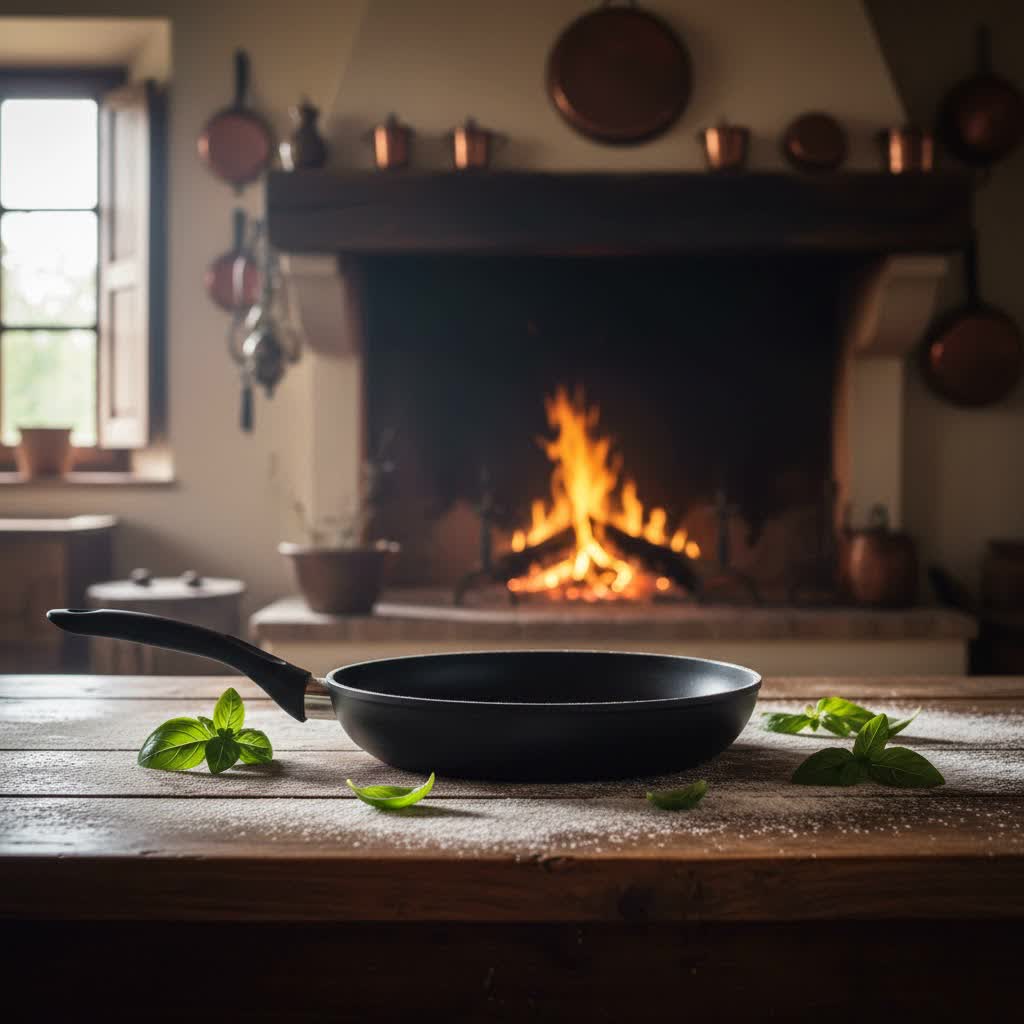
A nonstick saute pan is a versatile kitchen workhorse characterized by its flat bottom and deep, straight sides, often accompanied by a fitted lid. This design makes it exceptional for a variety of cooking techniques, from quickly searing proteins and sautéing vegetables to simmering sauces and even braising meats. The hallmark of these pans is their specialized coating, which prevents food from adhering to the surface, allowing for cooking with less oil and significantly simplifying the cleaning process. The evolution of nonstick technology has largely focused on enhancing durability and, crucially, eliminating chemicals like PFOA and PFAS, ensuring today’s pans are safer and more efficient than ever before.
Popular Types of Nonstick Saute Pans
The world of nonstick cookware offers diverse options, primarily differing in their coating and base materials. Understanding these variations is key to making an informed choice.
By Coating Material
- PTFE (Polytetrafluoroethylene): Commonly known by the brand name Teflon, PTFE coatings offer excellent nonstick properties, making them ideal for delicate foods. They are generally affordable, but older versions raised health concerns regarding PFOA, which is now largely phased out. Modern PTFE pans are considered safe when used below high temperatures, though the coating can be prone to scratching and may degrade over time.
- Ceramic: Often marketed as a “green” alternative, ceramic coatings are typically derived from sand (silica) and are free from PFOA and PFAS. They are lauded for their non-toxic nature and good heat resistance. However, ceramic nonstick properties may not last as long as PTFE and can be more susceptible to wear if not properly cared for.
- Titanium-reinforced: These coatings often use a base of PTFE but incorporate titanium particles to enhance durability and scratch resistance. This reinforcement aims to extend the pan’s lifespan and improve its resilience against everyday use, offering a good balance between nonstick performance and sturdiness, though typically at a higher price point.
- Stone-derived (Granite/Maifan Stone): Pans featuring stone-derived coatings often boast a speckled appearance resembling natural stone. While aesthetically pleasing and often promoted as PFOA-free, these coatings are typically a composite and may still contain PTFE. They often offer good heat retention and a decent nonstick surface, but performance and longevity can vary widely between brands.
- Hard-Anodized Aluminum: This refers to a process that hardens the aluminum base of the pan, making it incredibly durable and resistant to corrosion and scratching. While hard-anodized aluminum itself isn’t intrinsically nonstick, it often forms the robust foundation upon which nonstick coatings (like PTFE or ceramic) are applied, contributing to the pan’s overall structural integrity and even heat distribution.
|
Our Picks for the Best Nonstick Pan in 2026
As an Amazon Associate I earn from qualifying purchases.
|
||
| Num | Product | Action |
|---|---|---|
| 1 | Amazon Basics Non Stick Kitchen Cookware 15-Piece Set, Non-Induction, Includes Pots, Pans, and Utensils, Black |

|
| 2 | SENSARTE Nonstick Ceramic Frying Pan with Lid 8/9.5/10/11/12.5 Inch Omelet Pan Skillet, Free of Intentionally Added PFAS/PTFE Non-toxic Chef's Pan Induction Compatible Pan, Heat Resistant Handle |
|
| 3 | T-fal Ultimate Hard Anodized Nonstick Fry Pan Set 2 Piece, 10, 12 Inch, Oven Broiler Safe 400F, Cookware, Pots and Pans Set Non Stick, Kitchen Frying Pans, Cooking Skillets, Dishwasher Safe, Grey |
|
| 4 | Non Stick Frying Pan, 8-inch Omelette Pan with Heat Dot Temperature Indicator, Healthy Non Toxic Egg Skillet with Heat-Resistant Handle, PFOA-Free, Dishwasher Safe, Compatible with All Cooktops |
|
| 5 | SENSARTE Nonstick Frying Pan Skillet, Swiss Granite Coating Omelette Pan, Healthy Stone Cookware Chef's Pan, PFOA Free (8/9.5/10/11/12.5 Inch) (9.5 Inch) |
|
| 6 | SENSARTE Nonstick Frying Pan Skillet with Lid, 12 Inch Large Deep Frying Pan, 5 Qt Non Stick Saute Pan with Cover, Induction Pan, Healthy Non Toxic Cooking Pan with Helper Handle, PFOA PFOS Free |
|
| 7 | Amazon Basics Non Stick Kitchen Cookware 8-Piece Set, Non-Induction, Includes Pots and Pans, Black |
|
| 8 | Amazon Basics Ceramic Nonstick Pots and Pans Cookware Set, Dishwasher & Oven Safe, Even Heating, 10-Piece Set, Copper Color |
|
| 9 | CAROTE Nonstick Frying Pan Skillet,Non Stick Granite Fry Pan Egg Pan Omelet Pans, Stone Cookware Chef's Pan, PFOA Free,Induction Compatible(Classic Granite, 8-Inch) |
|
| 10 | Tramontina Professional 10-Inch Non Stick Frying Pan, Heavy-Gauge Aluminum Skillet with Reinforced Nonstick Coating, Red Handle, Dishwasher and Oven Safe |
|
By Size
Selecting the right size for your nonstick saute pan is crucial for efficient cooking and storage.
- Small (1.5-2 quarts / 8-10 inches): Perfect for individual servings, preparing side dishes, or cooking delicate items like a single egg or omelet. Their compact size makes them easy to maneuver and store.
- Medium (3-4 quarts / 10-12 inches): This is the most popular and versatile size, ideal for families of 2-4 people. It offers ample surface area for sautéing larger quantities of vegetables, searing a few chicken breasts, or preparing one-pan meals.
- Large (5+ quarts / 12+ inches): Best suited for larger families, entertaining, or batch cooking. These pans can accommodate bigger cuts of meat, substantial stir-fries, or large volumes of stews and sauces, often featuring a helper handle for easier lifting.
Nonstick Saute Pan Comparison Table
| Feature | PTFE (Teflon) | Ceramic | Titanium-Reinforced | Stone-Derived | Hard-Anodized (Base) |
|---|---|---|---|---|---|
| Nonstick Performance | Excellent | Good, can degrade | Very Good | Good, can vary | Relies on coating |
| Durability | Moderate, prone to scratch | Moderate, susceptible to wear | High | Moderate to High | Very High |
| Safety (PFOA/PFAS-free) | Modern pans are PFOA-free | Yes | Modern pans are PFOA-free | Often, but check labels | Yes (coating dependent) |
| Heat Resistance | Up to ~400°F | Higher (~500°F+) | High | Moderate to High | High |
| Price Range | $ | $$ | $$$ | $$ | $$ – $$$ |
How to Choose the Perfect Nonstick Saute Pan
Finding the “best” nonstick saute pan is about finding the best pan for you. Consider these factors to guide your decision.
Assess Your Cooking Needs
Begin by thinking about your typical cooking habits. Do you frequently prepare delicate foods like eggs, pancakes, or fish that benefit most from a super-slick surface? Or are you often searing meats, stir-frying, or simmering sauces? The number of people you cook for regularly will also dictate the ideal pan size. Your budget will naturally play a role, but remember that investing in a higher-quality pan often translates to better durability and performance over time.
Prioritize Coating and Base Material
When it comes to coatings, prioritize PFOA-free and PFAS-free certifications for health and safety. If you prefer a completely chemical-free option, ceramic is a strong contender, though you might trade a bit of long-term nonstick performance for it. For superior durability, consider titanium-reinforced or hard-anodized aluminum bases. The base material significantly impacts heat distribution; aluminum offers quick and even heating, while clad stainless steel provides exceptional durability and induction compatibility.
Key Features to Look For
Beyond material, several features enhance a pan’s usability:
- Oven-Safeness: Check the maximum oven-safe temperature if you plan to start dishes on the stovetop and finish them in the oven. Many nonstick pans can withstand temperatures up to 400°F or 500°F.
- Induction Compatibility: If you have an induction cooktop, ensure the pan has a magnetic base; otherwise, it won’t heat effectively.
- Handle Comfort and Security: Look for handles that are comfortable to grip, remain cool on the stovetop, and are securely riveted. A helper handle on larger pans can be invaluable for lifting and maneuvering.
- Lid: A tempered glass lid allows you to monitor cooking without releasing heat and moisture, making it excellent for simmering or steaming.
- Weight and Balance: A pan that feels balanced in your hand is easier and safer to use, especially when tossing ingredients or transferring food.
Where to Buy
Always purchase your nonstick saute pan from reputable retailers, whether online or in brick-and-mortar stores. Check for quality certifications (like NSF for professional use) and understand the warranty offered by the manufacturer. Reading recent reviews can also provide valuable insights into real-world performance and longevity.
Essential Tips for Using and Maintaining Your Nonstick Saute Pan
Proper care is paramount to extending the life and performance of your nonstick saute pan.
Proper Usage
- Heat Control: Avoid using excessively high heat. Nonstick coatings are generally designed for low to medium heat, which is usually sufficient for most cooking tasks. Never preheat an empty nonstick pan on high heat, as this can quickly damage the coating.
- Utensils: Stick to silicone, wooden, or plastic utensils. Metal utensils can scratch and compromise the nonstick surface, leading to flaking and sticking.
- Oils: While nonstick pans reduce the need for excessive oil, using a small amount of high-smoke point oil (like canola, grapeseed, or avocado oil) is often recommended. Avoid cooking sprays, as they can burn and leave a sticky residue that degrades the nonstick surface over time.
- Thermal Shock: Allow your pan to cool completely to room temperature before washing it. Sudden temperature changes (e.g., placing a hot pan under cold water) can cause “thermal shock,” leading to warping or damage to the nonstick coating.
Cleaning and Storage
- Washing: Hand washing with mild dish soap and a soft sponge or cloth is generally recommended to preserve the nonstick coating. While some pans are labeled dishwasher safe, the harsh detergents and high heat of dishwashers can shorten their lifespan.
- Stubborn Stains: For any burnt-on food or stubborn residue, a gentle solution of baking soda and white vinegar with warm water can often help loosen the bits without resorting to abrasive scrubbing. Bring the solution to a boil, then let it cool before gently wiping.
- Drying: Thoroughly dry your pan immediately after washing to prevent water spots and potential oxidation of any exposed metal.
- Storage: If you need to stack your nonstick pans, place a soft cloth or pan protector between them to prevent scratching the coating. Hanging pans can also be an excellent storage solution.
Common Issues and Troubleshooting
Even with the best intentions, you might encounter issues with your nonstick saute pan.
- Food Sticking: This is often the first sign of trouble. It could be due to overheating the pan, a worn-out coating, or the buildup of burnt oil residue. Review your heat settings and cleaning routine.
- Coating Peeling/Scratching: This usually results from using metal utensils, aggressive scrubbing with abrasive cleaners, or exposing the pan to extremely high temperatures. Once the coating is significantly damaged, the pan’s nonstick properties will be compromised, and it’s generally best to replace it.
- Warping: A warped pan often indicates exposure to thermal shock (hot pan under cold water) or manufacturing defects. Warping can lead to uneven heating and a wobbly pan on flat stovetops.
- Addressing Safety Concerns: Modern nonstick pans from reputable manufacturers are produced without PFOA, and many are also PFAS-free. Always look for these certifications when purchasing to ensure your cookware meets current safety standards.
Conclusion
Choosing the best nonstick saute pan means understanding your cooking style and prioritizing key features like material, size, and compatibility. By opting for PFOA and PFAS-free options, and diligently following care instructions—such as avoiding high heat and metal utensils—you can significantly extend the life of your pan and ensure it performs optimally. A well-chosen nonstick saute pan is more than just cookware; it’s an investment in smoother meal preparation and enjoyable kitchen moments, allowing you to focus on the joy of cooking rather than the fear of sticking. Which feature will you prioritize in your next nonstick saute pan purchase?
Frequently Asked Questions
Are nonstick saute pans safe?
Yes, modern nonstick saute pans are generally safe. Reputable manufacturers have largely eliminated PFOA (perfluorooctanoic acid) from their coatings, which was the primary chemical of concern. Many brands also offer PFAS-free options. Always look for “PFOA-free” or “PFAS-free” labels and follow usage guidelines to ensure safety and longevity.
How long do nonstick saute pans last?
The lifespan of a nonstick saute pan varies depending on its quality, material, and how it’s cared for. Typically, a good quality nonstick pan, with proper use and maintenance, can last anywhere from 1 to 5 years before its nonstick properties start to degrade. Pans with reinforced coatings, like titanium, may last longer.
Can I use metal utensils on my nonstick pan?
It is generally not recommended to use metal utensils on most nonstick pans. Metal can scratch and damage the delicate nonstick coating, leading to chipping, peeling, and a loss of nonstick effectiveness. Opt for utensils made from silicone, wood, or heat-resistant plastic to protect your pan’s surface.
What temperature can nonstick pans withstand?
Most nonstick pans are designed for low to medium heat cooking. PTFE-based coatings typically have a maximum safe temperature around 400°F (200°C), while ceramic coatings can often withstand higher temperatures, sometimes exceeding 500°F (260°C). Always check the manufacturer’s specific recommendations, and avoid preheating an empty pan on high heat.
How do I remove burnt food from a nonstick pan?
To remove burnt food from a nonstick pan without damaging the coating, allow the pan to cool completely. Then, fill it with warm water, add a few tablespoons of baking soda and a splash of white vinegar, and let it soak for 15-30 minutes, or even bring it to a gentle boil for 5 minutes. Afterward, gently scrub with a soft sponge or cloth until the residue comes off.
Is a nonstick saute pan different from a frying pan or skillet?
Yes, while often used interchangeably, a saute pan is distinct from a traditional frying pan or skillet. A saute pan typically has deep, straight sides, and usually comes with a lid, making it ideal for cooking with liquids, braising, and creating sauces. Frying pans or skillets usually have lower, sloped sides, designed for flipping and quicker cooking methods like frying and searing.
