Are you navigating the vast world of nonstick frying pans, feeling a bit overwhelmed by the choices in materials, brands, and prices? As an experienced home cook with over a decade in kitchenware, I understand the challenges you face in finding the perfect pan. Today, we’re diving deep into Farberware nonstick frying pans, a popular and accessible brand, to help you make an informed decision. We’ll explore everything from their safety and durability to their performance, ensuring you find a pan that brings joy to your everyday cooking.
What is a Nonstick Frying Pan?
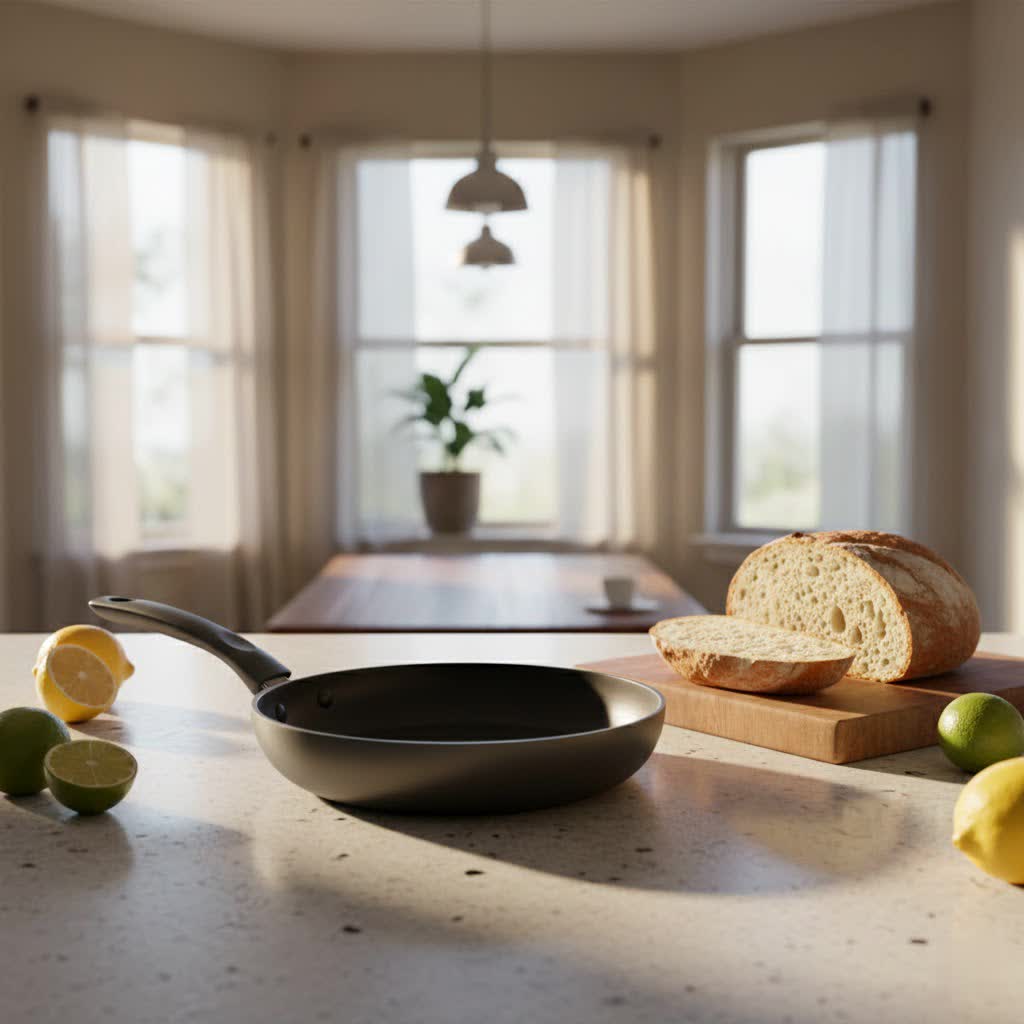
A nonstick frying pan is a kitchen essential designed with a special coating that prevents food from sticking to its surface, making cooking and cleanup significantly easier. This innovation revolutionized home cooking, allowing for healthier meals with less oil and hassle-free preparation of delicate foods like eggs and fish. The technology behind nonstick coatings has evolved considerably, moving from early iterations to advanced, PFOA-free surfaces that offer both convenience and safety.
Popular Types of Nonstick Frying Pans
Nonstick frying pans come in various forms, primarily differing by their coating materials, base construction, and overall design. Understanding these distinctions is crucial for selecting a pan that aligns with your cooking style and needs.
By Material
The core of any nonstick pan lies in its coating and base material, each offering unique advantages and disadvantages.
- Teflon (PTFE): Polytetrafluoroethylene (PTFE), commonly known by the brand name Teflon, is renowned for its superior food release.
- Pros: Exceptional nonstick performance, typically affordable.
- Cons: Can be prone to scratching, and historical concerns about PFOA have been addressed (modern pans are PFOA-free). Overheating above 482°F (250°C) can cause the coating to degrade and potentially release fumes or microplastics.
- Ceramic: Often marketed as a “green” alternative, ceramic coatings are made from natural, inorganic materials.
- Pros: Generally considered safe, often free from PFAS, PFOA, and PTFE. Offers good heat resistance and can be more environmentally friendly.
- Cons: Nonstick properties tend to degrade faster than PTFE, often requiring replacement within one to three years.
- Titanium: Titanium is typically used to reinforce other nonstick coatings (like PTFE or ceramic) rather than being a standalone coating.
- Pros: Significantly enhances the durability and scratch resistance of the nonstick layer, extending its lifespan.
- Cons: Pans with titanium reinforcement are generally more expensive due to the added strength and longevity.
- Granite (Stone-derived): Similar to titanium, “granite” or “stone-derived” refers to coatings infused with mineral particles, aiming to mimic the look and feel of stone.
- Pros: Often provides an aesthetically pleasing, speckled appearance and can offer good heat retention. Many are free from common harmful chemicals.
- Cons: The actual nonstick base is often still a PTFE or ceramic variant, and the durability depends heavily on the quality of the infusion and base layers. Some may contain PTFE, so checking specifications is important.
|
Our Picks for the Best Nonstick Pan in 2026
As an Amazon Associate I earn from qualifying purchases.
|
||
| Num | Product | Action |
|---|---|---|
| 1 | SENSARTE Nonstick Frying Pan Skillet, Swiss Granite Coating Omelette Pan, Healthy Stone Cookware Chef's Pan, PFOA Free (8/9.5/10/11/12.5 Inch) (9.5 Inch) |

|
| 2 | Amazon Basics Non Stick Kitchen Cookware 15-Piece Set, Non-Induction, Includes Pots, Pans, and Utensils, Black |
|
| 3 | Non Stick Frying Pan, 8-inch Omelette Pan with Heat Dot Temperature Indicator, Healthy Non Toxic Egg Skillet with Heat-Resistant Handle, PFOA-Free, Dishwasher Safe, Compatible with All Cooktops |
|
| 4 | CAROTE Nonstick Frying Pan Skillet,Non Stick Granite Fry Pan Egg Pan Omelet Pans, Stone Cookware Chef's Pan, PFOA Free,Induction Compatible(Classic Granite, 8-Inch) |
|
| 5 | Amazon Basics Non Stick Kitchen Cookware 8-Piece Set, Non-Induction, Includes Pots and Pans, Black |
|
| 6 | T-fal Ultimate Hard Anodized Nonstick Fry Pan Set 2 Piece, 10, 12 Inch, Oven Broiler Safe 400F, Cookware, Pots and Pans Set Non Stick, Kitchen Frying Pans, Cooking Skillets, Dishwasher Safe, Grey |
|
| 7 | Amazon Basics Ceramic Nonstick Pots and Pans Cookware Set, Dishwasher & Oven Safe, Even Heating, 10-Piece Set, Copper Color |
|
| 8 | SENSARTE Nonstick Ceramic Frying Pan with Lid 8/9.5/10/11/12.5 Inch Omelet Pan Skillet, Free of Intentionally Added PFAS/PTFE Non-toxic Chef's Pan Induction Compatible Pan, Heat Resistant Handle |
|
| 9 | Tramontina Professional 10-Inch Non Stick Frying Pan, Heavy-Gauge Aluminum Skillet with Reinforced Nonstick Coating, Red Handle, Dishwasher and Oven Safe |
|
| 10 | SENSARTE Nonstick Frying Pan Skillet with Lid, 12 Inch Large Deep Frying Pan, 5 Qt Non Stick Saute Pan with Cover, Induction Pan, Healthy Non Toxic Cooking Pan with Helper Handle, PFOA PFOS Free |
|
By Brand
While Farberware is our focus, it’s helpful to know where it stands against other popular brands like T-Fal, Lock&Lock, and Sunhouse, which offer various nonstick options. Farberware is often positioned as an affordable and reliable choice for everyday cooking.
By Size
Frying pans come in a range of sizes to suit different cooking needs.
- Small (16-20cm / 8-inch): Ideal for individual meals, like frying one or two eggs, toasting nuts, or making single-serve pancakes. Many Farberware 8-inch pans are popular for their convenience in small portions.
- Medium (24-28cm / 10-12 inch): The most versatile and popular size for households of 2-4 people, suitable for stir-fries, sautéing vegetables, and cooking larger breakfast items.
- Large (30cm+ / 12-inch+): Best for larger families or when cooking for guests, accommodating bigger batches of food like multiple chicken breasts or a family-sized frittata. Farberware offers 12-inch options that are appreciated for family meals.
Farberware Nonstick Frying Pans: A Closer Look
Farberware nonstick frying pans are a popular choice for budget-conscious home cooks seeking reliable performance. Many Farberware pans feature durable aluminum construction for quick and even heating. They often come with a high-quality nonstick interior, such as their “DiamondMax” coating or ceramic nonstick in their “Eco Advantage” line, ensuring easy food release and cleanup.
Customers frequently praise Farberware for its initial nonstick performance, ease of cleaning, and sturdy handles. Many sets offer versatility with multiple pan sizes for various cooking needs. Farberware pans are typically oven-safe up to 350°F and many are dishwasher-safe, though hand-washing is often recommended for extended life.
However, some users report that while Farberware pans heat up quickly, their thinner construction can lead to uneven heat distribution and retention, particularly on the sides of the pan. The nonstick coating, while effective initially, may also fail over time, and handles can become loose or get hot. They may also not be suitable for induction cooktops, so checking the specific product details is crucial.
Comparative Table of Nonstick Pan Materials
To help you visualize the differences, here’s a detailed comparison of popular nonstick coating materials:
| Feature | PTFE (Teflon) | Ceramic | Titanium-Reinforced | Granite/Stone-Derived |
|---|---|---|---|---|
| Nonstick Performance | Excellent, very slick | Good initially, can degrade | Excellent, enhanced by reinforcement | Good, appearance-driven |
| Durability | Good (5-10 years with proper care) | Moderate (1-3 years, less scratch-resistant) | Very good, highly scratch-resistant | Moderate to good, depends on base coating |
| Heat Resistance | Up to 482°F (250°C), avoid overheating | High, generally good for higher temps | High, due to reinforced layers | High |
| Safety Concerns | PFOA-free is standard. Overheating/scratching can release microplastics. | Often PFAS/PFOA/PTFE-free, non-toxic | Often marketed as safer due to durability | Varies, check for PTFE/PFOA-free claims |
| Cost | Generally affordable | Mid-range | Higher-end | Mid-to-higher range |
| Maintenance | Hand wash, soft utensils, avoid high heat | Hand wash, soft utensils, gentle use | Hand wash, soft utensils | Hand wash, soft utensils |
How to Choose the Right Nonstick Frying Pan
Selecting a nonstick pan requires careful consideration of your cooking habits and priorities.
Determine Your Cooking Needs
- What do you cook most often? For delicate foods like eggs, fish, and pancakes, superior nonstick is key. For general sautéing, versatility is important.
- How many people do you cook for? Single servings require smaller pans, while family meals need larger options.
- What is your budget? Farberware offers excellent value for budget-conscious cooks, while premium brands offer increased durability and specialized features.
Choose the Right Material
- Prioritizing Health & Safety: If you’re concerned about synthetic chemicals, look for ceramic nonstick options or those explicitly labeled PFAS/PFOA/PTFE-free, like Farberware’s Eco Advantage.
- Prioritizing Durability: For a pan that lasts longer, consider titanium-reinforced coatings or be prepared to replace PTFE/ceramic pans more frequently.
- Prioritizing Affordability: PTFE-coated aluminum pans offer a great balance of performance and cost-effectiveness for many home cooks.
Inspect Pan Quality
Before purchasing, always:
- Check the nonstick surface: Ensure it’s smooth, even, and free from scratches or imperfections.
- Test the handle: It should be securely riveted and comfortable to grip. Farberware pans often have sturdy, double-riveted phenolic handles that stay cool.
- Examine the base: For even cooking, the bottom of the pan should be flat and thick. If you have an induction cooktop, ensure the pan is explicitly labeled “induction compatible,” as many Farberware nonstick pans are not.
Purchase from Reputable Retailers
Buy your nonstick pans from established supermarkets, large home goods stores, or trusted online retailers. This ensures you receive authentic products and have recourse if issues arise.
Tips for Using and Maintaining Your Nonstick Frying Pan
Proper care is paramount to extending the life and performance of your nonstick pan.
Correct Usage
- Avoid metal utensils: Always use wooden, silicone, or plastic utensils to prevent scratching the nonstick surface.
- Control heat: Cook on low to medium heat settings. High heat can damage the coating and cause fumes. Never preheat an empty nonstick pan. Always add a small amount of oil or food before turning on the heat.
- Prevent thermal shock: Avoid plunging a hot pan into cold water, as this can cause warping. Let the pan cool down naturally before washing.
Proper Cleaning
- Hand wash: Even if a pan is labeled “dishwasher-safe,” hand washing with a soft sponge and mild dish soap is highly recommended to preserve the coating and prevent damage from harsh detergents and high temperatures.
- Gentle scrub: Use a soft sponge or cloth for cleaning. For stubborn, cooked-on residue, create a paste of equal parts baking soda and water and gently scrub.
- Avoid cooking sprays: Aerosol cooking sprays can build up a sticky residue that degrades the nonstick surface over time.
Proper Storage
- Protect the surface: When stacking pans, place a soft cloth, paper towel, or pan protector between them to prevent scratches.
- Hang if possible: If your kitchen allows, hanging pans by their handles is an ideal way to store them and prevent accidental damage.
- Periodic seasoning: Some experts recommend rubbing a thin layer of cooking oil onto the clean, dry nonstick surface and heating it on low for a few minutes to maintain its performance.
“The longevity of your nonstick pan largely comes down to consistent, gentle care. Treat it like a valued tool, not a disposable item, and it will serve you well for years.” – Chef Antoine Dubois, Culinary Instructor and Cookware Expert
Common Nonstick Pan Issues and Solutions
Even with the best care, nonstick pans can encounter issues. Here’s how to address some common problems:
- Food sticking: This is often due to cooking on too high heat, improper preheating, using cooking sprays, or a damaged coating. Try deep cleaning the pan with baking soda, ensuring even oil coverage, and always preheating gently. If the coating is visibly damaged or peeling, it’s time to replace the pan.
- Nonstick coating peeling or scratching: This usually results from using metal utensils, abrasive cleaning, or excessive heat. Switch to silicone or wooden tools, hand wash with a soft sponge, and keep heat on low to medium.
- Pan warping: Rapid temperature changes (thermal shock), such as placing a hot pan under cold water, are the primary cause. Always let your pan cool completely before cleaning.
Conclusion
Choosing the right nonstick frying pan, like a Farberware, can transform your cooking experience, making everyday meals easier and more enjoyable. By understanding the different materials, considering your specific needs, and committing to proper care and maintenance, you can find a durable, safe, and effective pan. While Farberware offers a great balance of affordability and performance for many, remember that even the best nonstick pans have a finite lifespan. Prioritizing gentle care, smart usage, and timely replacement will ensure your kitchen remains a place of culinary delight.
Ready to find your perfect pan and whip up some culinary magic? What’s your go-to dish for a nonstick frying pan?
Frequently Asked Questions
Are Farberware nonstick pans PFOA-free?
Yes, modern Farberware nonstick pans, like most nonstick cookware today, are manufactured without PFOA (Perfluorooctanoic Acid). However, they may still contain PTFE, which is considered safe for cooking when used correctly and not overheated.
Can I put my Farberware nonstick pan in the dishwasher?
While some Farberware nonstick pans are labeled “dishwasher-safe,” hand washing is generally recommended to extend the lifespan of the nonstick coating. Harsh detergents and high heat in dishwashers can cause the coating to degrade more quickly over time.
How do I know when to replace my nonstick frying pan?
You should replace your nonstick pan when the coating becomes noticeably scratched, chipped, or starts peeling. If food consistently sticks despite proper care, or if the pan warps, it’s also a clear indicator that it’s time for a new one.
Is ceramic nonstick safer than traditional PTFE nonstick?
Ceramic nonstick coatings are often marketed as a “greener” and safer alternative because they are typically free from PTFE, PFOA, and PFAS. While generally safe, ceramic coatings tend to be less durable and their nonstick properties can diminish faster than high-quality PTFE coatings.
Can I use a nonstick pan on an induction cooktop?
Not all nonstick pans are suitable for induction cooktops. For a nonstick pan to work on induction, it must have a magnetic base material, such as stainless steel. Always check the product specifications for “induction compatible” before purchasing.
