The allure of a quick and effortless cleanup after cooking often leads us to consider the dishwasher for all our kitchen tools. Nonstick pans, with their promise of easy food release, seem like a natural fit for this convenience. Yet, navigating the world of nonstick cookware and dishwasher compatibility can be surprisingly complex, often presenting conflicting advice. This guide will cut through the confusion, offering clear, experience-based insights into whether your nonstick pans truly belong in the dishwasher and, more importantly, how to care for them to ensure they last for years to come.
What Are Nonstick Pans?
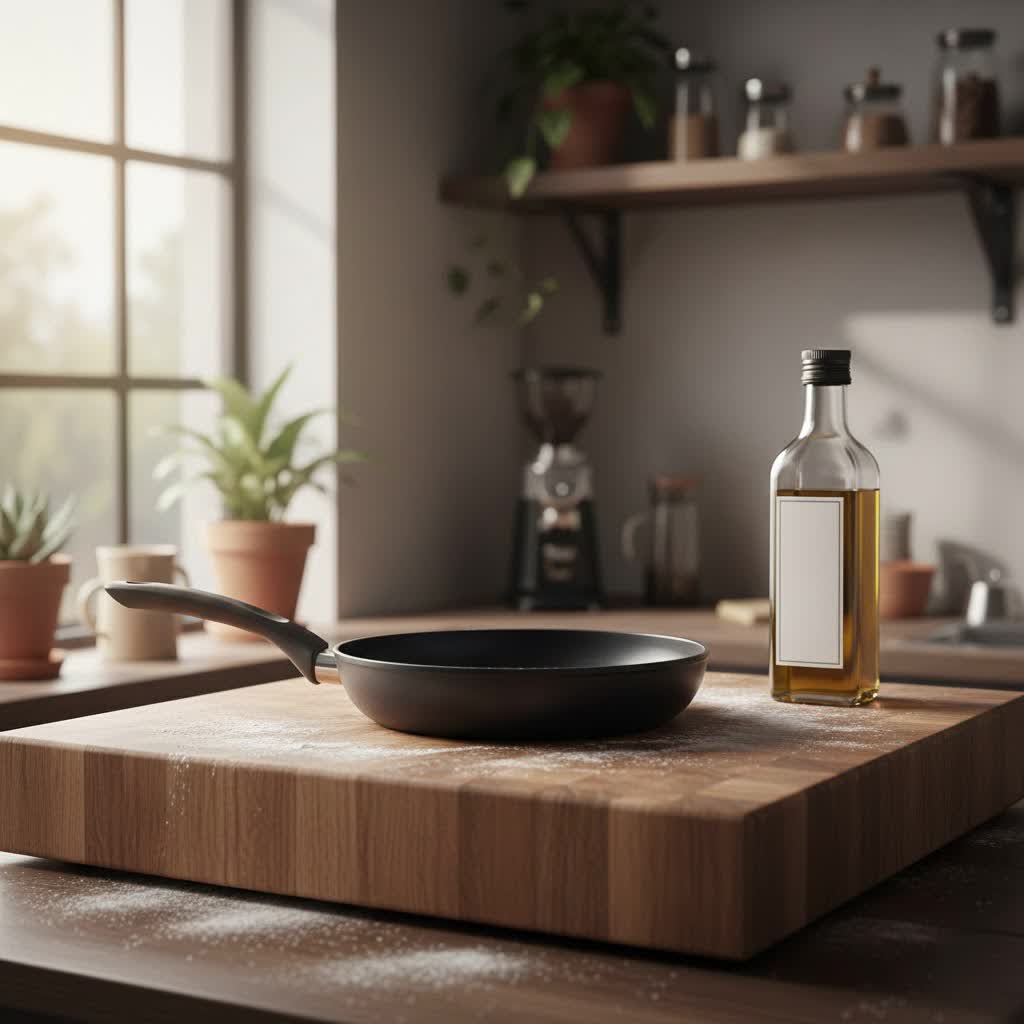
Nonstick pans are a cornerstone in many kitchens, prized for their ability to cook food with minimal oil and release it effortlessly. At their core, these pans feature a coating designed to prevent food from sticking to the surface. The most well-known of these coatings is polytetrafluoroethylene (PTFE), commonly known as Teflon, which revolutionized cooking in the mid-20th century. Over time, advancements have introduced other coating types, including ceramic, titanium, and granite-derived surfaces, each offering unique benefits in terms of durability, heat resistance, and safety profiles. The primary purpose of any nonstick coating remains the same: to provide a smooth, low-friction cooking surface that makes both cooking and cleaning significantly easier.
Common Types of Nonstick Pans
The nonstick pan market is diverse, offering various materials, brands, and sizes to suit every culinary need. Understanding these differences can help inform your decision on both purchase and care.
By Material
The choice of nonstick material significantly impacts a pan’s performance, durability, and how it should be cleaned.
- Teflon (PTFE): These pans are renowned for their superior nonstick properties and are generally more affordable. However, they can be prone to scratching and may degrade at very high temperatures, leading to concerns about the release of fumes if overheated.
- Ceramic: Offering an alternative to traditional PTFE, ceramic nonstick pans are often marketed as safer and more environmentally friendly. They typically boast good heat resistance but may not be as durable as some PTFE or titanium coatings, potentially losing their nonstick properties faster with heavy use or improper care.
- Titanium: Nonstick pans reinforced with titanium particles are known for their enhanced durability and scratch resistance. They often provide excellent nonstick performance and are considered safe, though they generally come at a higher price point than other types.
- Granite (Stone-derived): These pans often feature a speckled appearance reminiscent of natural stone, which can contribute to better heat retention and a visually appealing design. However, the term “granite” in nonstick cookware often refers to a multi-layer coating that may still contain PTFE, so it’s crucial to check manufacturer specifications for the exact composition and safety assurances.
|
Our Picks for the Best Nonstick Pan in 2026
As an Amazon Associate I earn from qualifying purchases.
|
||
| Num | Product | Action |
|---|---|---|
| 1 | Amazon Basics Non Stick Kitchen Cookware 8-Piece Set, Non-Induction, Includes Pots and Pans, Black |

|
| 2 | SENSARTE Nonstick Frying Pan Skillet, Swiss Granite Coating Omelette Pan, Healthy Stone Cookware Chef's Pan, PFOA Free (8/9.5/10/11/12.5 Inch) (9.5 Inch) |
|
| 3 | T-fal Ultimate Hard Anodized Nonstick Fry Pan Set 2 Piece, 10, 12 Inch, Oven Broiler Safe 400F, Cookware, Pots and Pans Set Non Stick, Kitchen Frying Pans, Cooking Skillets, Dishwasher Safe, Grey |
|
| 4 | CAROTE Nonstick Frying Pan Skillet,Non Stick Granite Fry Pan Egg Pan Omelet Pans, Stone Cookware Chef's Pan, PFOA Free,Induction Compatible(Classic Granite, 8-Inch) |
|
| 5 | Amazon Basics Non Stick Kitchen Cookware 15-Piece Set, Non-Induction, Includes Pots, Pans, and Utensils, Black |
|
| 6 | SENSARTE Nonstick Frying Pan Skillet with Lid, 12 Inch Large Deep Frying Pan, 5 Qt Non Stick Saute Pan with Cover, Induction Pan, Healthy Non Toxic Cooking Pan with Helper Handle, PFOA PFOS Free |
|
| 7 | Tramontina Professional 10-Inch Non Stick Frying Pan, Heavy-Gauge Aluminum Skillet with Reinforced Nonstick Coating, Red Handle, Dishwasher and Oven Safe |
|
| 8 | SENSARTE Nonstick Ceramic Frying Pan with Lid 8/9.5/10/11/12.5 Inch Omelet Pan Skillet, Free of Intentionally Added PFAS/PTFE Non-toxic Chef's Pan Induction Compatible Pan, Heat Resistant Handle |
|
| 9 | Amazon Basics Ceramic Nonstick Pots and Pans Cookware Set, Dishwasher & Oven Safe, Even Heating, 10-Piece Set, Copper Color |
|
| 10 | Non Stick Frying Pan, 8-inch Omelette Pan with Heat Dot Temperature Indicator, Healthy Non Toxic Egg Skillet with Heat-Resistant Handle, PFOA-Free, Dishwasher Safe, Compatible with All Cooktops |
|
By Brand
While specific brand comparisons are extensive, it’s worth noting that major cookware brands like Tefal, Lock&Lock, Sunhouse, GreenPan, Circulon, Gotham Steel, and All-Clad offer a wide range of nonstick options. Some of these, particularly those with advanced coating technologies, explicitly label certain lines as “dishwasher safe.” For example, Circulon’s A1 Series with ScratchDefense™ Technology and specific models from Gotham Steel are marketed for their dishwasher compatibility [cite: 1, 5 (Walmart)]. However, the general consensus, even for these brands, often leans towards handwashing for optimal longevity, which we’ll explore further.
By Size
Nonstick pans come in various sizes to accommodate different cooking tasks and household needs.
- Small (16-20cm): Ideal for single servings, such as frying an egg or making a quick omelet for one or two people.
- Medium (24-28cm): The most popular and versatile size, perfect for families of 2-4, suitable for sautéing vegetables, frying chicken breasts, or preparing larger omelets.
- Large (30cm+): Best for larger families, entertaining, or preparing big batches of food, such as stir-fries or pan-seared dishes.
The Dishwasher Dilemma: Are Nonstick Pans Truly Safe?
The question of whether to put nonstick pans in the dishwasher is a common culinary conundrum, with a nuanced answer that often pits convenience against longevity.
“Dishwasher Safe” Claims vs. Reality
Many nonstick pans, particularly newer models from reputable brands, proudly carry a “dishwasher safe” label [cite: 1, 2, 3, 5 (Walmart)]. This claim often stems from advancements in nonstick coating technology, such as reinforced layers or hard-anodized aluminum bases, designed to withstand the rigors of a dishwasher cycle. For instance, Circulon highlights its ScratchDefense™ Technology, promising extreme nonstick that resists scratching, sticking, and flaking even with dishwasher use. Similarly, Williams Sonoma promotes its collection of dishwasher-safe nonstick pans for hassle-free cleanup.
However, a significant number of experts and even some cookware manufacturers suggest that while a nonstick pan might technically be dishwasher compatible, it’s generally not the best choice for preserving its lifespan and performance [cite: 1 (Homes and Gardens), 3, 4, 5 (Mashed)]. Many advise handwashing as the superior method, even for pans labeled “dishwasher friendly,” to maximize durability and maintain the nonstick properties over time [cite: 3, 4, 1 (wikihow)].
Why Dishwashers Harm Nonstick Pans
Despite “dishwasher safe” labels, several factors within a dishwasher environment can accelerate the deterioration of nonstick cookware.
- High Temperatures: The prolonged exposure to intense heat and steam within a dishwasher can significantly damage the nonstick coating. This sustained wet heat can cause the coating to degrade, peel, blister, or wear off prematurely, compromising the pan’s effectiveness [cite: 1 (Homes and Gardens), 4, 5 (Mashed), 5 (Cook’s Direct), 1 (wikihow)].
- Harsh Detergents: Dishwasher detergents are formulated with potent chemicals, abrasives, and enzymes designed to tackle tough food residues on dinnerware. These harsh agents are often too aggressive for delicate nonstick surfaces, leading to the stripping of the coating, discoloration, or a sticky residue buildup that hinders nonstick performance [cite: 1 (Homes and Gardens), 2 (Quora), 3, 4].
- Physical Damage: The high-pressure water jets inside a dishwasher, combined with the potential for pans to shift and rub against other items like silverware or metal utensils, can cause scratches, chips, and gouges in the nonstick layer [cite: 3, 2 (Quora)]. Even a single wash can lead to visible damage or the beginning of coating deterioration.
- Warping: Rapid temperature changes, particularly plunging a hot pan into cold water (a form of thermal shock), or sustained high heat during the wash and dry cycles, can cause the pan’s base to warp or become misshapen [cite: 4, 1 (wikihow)]. A warped pan won’t sit flat on a stovetop, leading to uneven heating and poor cooking results.
- Base Material Corrosion: Many nonstick pans are constructed with aluminum bases, which can be vulnerable to the alkaline nature of dishwasher detergents. These detergents can dull and even corrode the aluminum, especially if the protective anodized layer is compromised [cite: 2 (Quora)].
Consequences of Dishwashing
The immediate and long-term consequences of regularly dishwashing your nonstick pans can significantly impact your cooking experience and your wallet. The most direct outcome is a reduced nonstick effectiveness, meaning food will begin to stick more easily, defeating the pan’s primary purpose [cite: 1 (Homes and Gardens), 4, 5 (Mashed)]. This leads to a shortened lifespan for the pan, requiring replacement much sooner than if it were hand-washed [cite: 4, 5 (Mashed)]. Furthermore, dishwashing can cause aesthetic damage, such as peeling, blistering, and discoloration of the coating, making the pan look old and worn. While ingesting small, detached Teflon flakes is generally considered harmless by health authorities, their presence indicates a compromised pan that is no longer performing optimally [cite: 5 (Mashed)].
Recommended: Hand Washing for Longevity
For nonstick pans, hand washing is overwhelmingly recommended by culinary experts and even some manufacturers as the best practice for extending their lifespan and preserving their nonstick properties.
Essential Hand Washing Practices
Proper hand washing is simple and requires only a few key steps:
- Cool Down First: Always allow your nonstick pan to cool completely before washing it [cite: 2 (American Kitchen), 3 (Martha Stewart), 4 (Made In)]. Introducing a hot pan to cold water can cause thermal shock, which may lead to warping or damage to the coating.
- Mild Soap & Soft Tools: Once cool, rinse the pan with warm water. Use a few drops of a gentle dish soap and a soft sponge, cloth, or nylon brush to gently clean the interior and exterior surfaces [cite: 1 (wikihow), 2 (American Kitchen), 3 (Martha Stewart), 4 (Made In), 5 (Cook’s Direct)]. The nonstick surface should make this an easy task.
- Avoid Abrasives: Crucially, never use abrasive scrubbers like steel wool, harsh scouring pads, or metal brushes, as these can easily scratch and destroy the delicate nonstick coating [cite: 1 (wikihow), 2 (American Kitchen), 5 (Cook’s Direct)].
Tackling Stubborn Messes
Even with the best nonstick pans, sometimes food can get a little stuck. Here’s how to handle it gently:
- Soaking: For minor stubborn residues, fill the pan with warm, soapy water and let it soak for 10 to 30 minutes [cite: 1 (wikihow), 3 (Martha Stewart)]. This will loosen most stuck-on food, allowing for easy removal with a soft sponge.
- Baking Soda Paste: For more persistent grime, create a paste using equal parts baking soda and water. Apply this paste gently to the affected areas, let it sit for 10 to 15 minutes, then gently wipe and rinse clean [cite: 1 (wikihow), 2 (American Kitchen), 3 (Martha Stewart), 5 (Cook’s Direct)]. Avoid aggressive scrubbing with baking soda, as it can be mildly abrasive.
- Boiling Water/Vinegar: For burnt-on food, fill the pan with water (enough to cover the residue) and add a few tablespoons of distilled white vinegar, and optionally, baking soda. Bring the mixture to a gentle boil on the stovetop for a few minutes, then allow it to cool. The softened residue can then be gently scraped with a wooden utensil and washed away [cite: 2 (American Kitchen), 4 (Made In), 5 (Cook’s Direct)].
Proper Drying & Storage
After washing, ensuring your nonstick pan is completely dry is vital to prevent water spots and potential rust on exposed areas or handles. You can air dry it or wipe it thoroughly with a clean towel [cite: 3 (Martha Stewart), 4 (Made In)]. For storage, avoid stacking pans directly on top of each other, as this can lead to scratches. If stacking is necessary, place a paper towel, cloth, or pan protector between them to cushion the surfaces [cite: 2 (Quora)]. Some experts also recommend lightly rubbing a teaspoon of cooking oil over the clean, dry nonstick surface before storing to help protect the coating [cite: 5 (Cook’s Direct)].
General Nonstick Pan Care Tips
Beyond cleaning, adopting good cooking habits can significantly prolong the life and performance of your nonstick pans.
- Use Non-Metal Utensils: Always use wooden, silicone, or plastic utensils to avoid scratching the delicate nonstick surface [cite: 2 (American Kitchen), 5 (Mashed)]. Metal utensils can easily gouge the coating, leading to chipping and premature wear.
- Avoid Cooking Sprays: While convenient, nonstick cooking sprays can leave a sticky residue that builds up over time and is difficult to remove without harsh scrubbing. This residue can compromise the pan’s nonstick properties [cite: 2 (Quora), 5 (Mashed)]. Instead, use a small amount of butter or cooking oil.
- Cook on Low to Medium Heat: Nonstick pans are designed for cooking at lower temperatures. High heat can cause the coating to break down more quickly and may lead to the release of fumes (especially with PTFE coatings). Cooking over medium or low heat is generally sufficient for most recipes in a nonstick pan [cite: 2 (Quora), 5 (Mashed)].
- Regularly Inspect for Damage: Periodically examine your nonstick pans for any signs of scratching, peeling, blistering, or warping. Once the coating is significantly damaged, the pan’s effectiveness is compromised, and it’s generally recommended to replace it to ensure safe and optimal cooking [cite: 1 (Homes and Gardens)].
Table: Nonstick Pan Materials & Dishwasher Suitability
| Feature / Material | Teflon (PTFE) | Ceramic | Titanium | Granite (Stone-derived) |
|---|---|---|---|---|
| Nonstick Quality | Excellent | Good, can diminish faster | Very Good | Good, variable by composition |
| Durability | Moderate, prone to scratches | Moderate, less scratch-resistant than titanium | High, very scratch-resistant | Moderate to High, depends on layers and coating |
| Heat Resistance | Moderate (max 500°F), degrades at high heat | High (often oven safe to 800°F+) | High | High |
| Cost | Low to Medium | Medium | Medium to High | Medium to High |
| Dishwasher Safe? | Often labelled, but handwash strongly recommended for longevity [cite: 3, 4, 5 (Mashed)] | Often labelled, but handwash strongly recommended for longevity [cite: 3, 4, 5 (Mashed)] | Often labelled, but handwash strongly recommended for longevity [cite: 3, 4, 5 (Mashed)] | Often labelled, but handwash strongly recommended for longevity [cite: 3, 4, 5 (Mashed)] |
| Pros | Superior nonstick release, affordable | Safer, eco-friendly, high heat tolerance | Very durable, long-lasting nonstick | Aesthetically pleasing, good heat retention |
| Cons | Can scratch easily, potential heat concerns | Nonstick can diminish faster, less durable overall | More expensive than PTFE/ceramic | May contain PTFE, heavier, requires careful verification |
Conclusion
While the promise of “dishwasher safe” nonstick pans is alluring, the overwhelming evidence from culinary experts and cookware care guidelines suggests a more cautious approach. The high temperatures, harsh detergents, and abrasive environment of a dishwasher can significantly shorten the life of even the most robust nonstick coatings, leading to reduced performance and premature wear. Choosing to handwash your nonstick pans, despite the slight extra effort, is a wise investment in their longevity and continued cooking excellence. By adopting gentle cleaning practices and adhering to general nonstick care tips, you can ensure your beloved pan remains a reliable workhorse in your kitchen for many meals to come.
So, are you willing to take a few extra minutes for handwashing, or will you risk the convenience of the dishwasher for the potential compromise of your nonstick pan’s lifespan?
Frequently Asked Questions
Is it okay to put a nonstick pan in the dishwasher just once?
While a single dishwasher cycle might not cause immediate, visible damage, repeated exposure will definitely accelerate wear and tear. Experts generally advise against it even once if you want to maximize the pan’s lifespan, as harsh detergents and high temperatures can begin to degrade the coating instantly.
How can I tell if my nonstick pan is dishwasher safe?
Always check the manufacturer’s instructions or the packaging that came with your pan. Many modern nonstick pans are explicitly labeled as “dishwasher safe” [cite: 1, 2, 5 (Walmart)]. However, even with this label, it’s generally recommended to handwash to preserve the pan’s nonstick properties and overall durability over time.
What happens if the nonstick coating peels off?
If the nonstick coating peels, the pan’s primary function is compromised, and food will likely begin to stick. While ingesting small flakes of modern PTFE coatings is generally considered non-toxic, a peeling pan is a sign of degradation and often indicates it’s time to replace the cookware for optimal performance and to avoid aesthetic issues [cite: 5 (Mashed)].
