For many home cooks, the nonstick pan is a kitchen essential, simplifying everything from scrambling eggs to searing delicate fish. However, concerns about the chemicals traditionally used in nonstick coatings have led to a significant shift towards safer, non-toxic alternatives. Navigating the diverse market of nonstick pans can be overwhelming, with choices ranging from various materials and brands to price points. This guide aims to demystify the options, providing you with the essential knowledge to select a non-toxic nonstick pan that meets your needs for safety, durability, and cooking performance, ensuring delicious and healthy meals every day.
What is a Nonstick Pan?
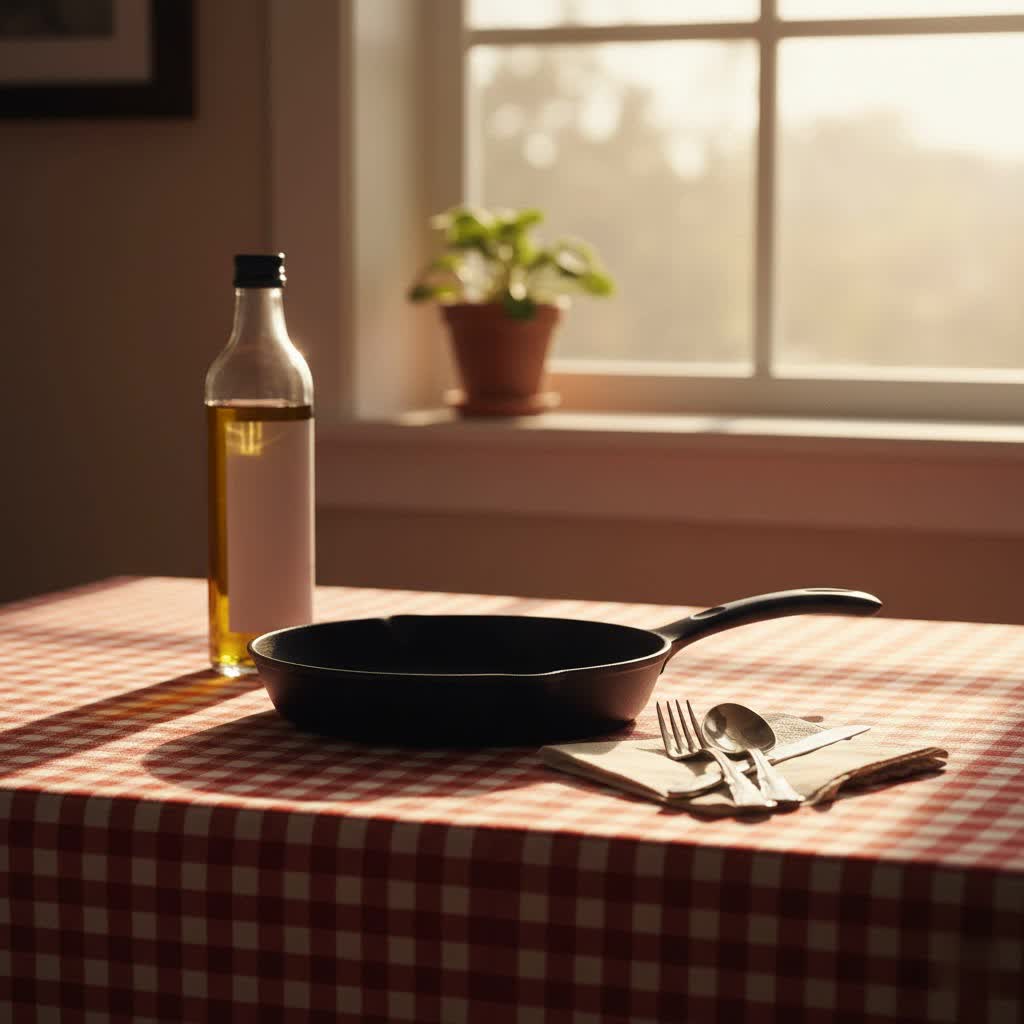
A nonstick pan is a type of cookware designed to prevent food from adhering to its surface during cooking, making both the cooking process and cleanup significantly easier. These pans typically feature a base material, often aluminum or stainless steel, coated with a special layer that creates a low-friction surface. The primary benefit is that less oil or butter is needed, contributing to healthier cooking and effortless food release.
The history of nonstick technology began with the discovery of polytetrafluoroethylene (PTFE), commonly known by the brand name Teflon, in 1938. It revolutionized cooking, offering unparalleled convenience. However, over time, concerns emerged regarding the chemicals used in its production, particularly perfluorooctanoic acid (PFOA), which was phased out of manufacturing in the United States by 2014. While modern PTFE pans are PFOA-free, the quest for entirely chemical-free and high-performing nonstick surfaces continues, leading to the development of various non-toxic alternatives that avoid PTFE, PFAS (per- and polyfluoroalkyl substances), lead, and cadmium.
Common Types of Non-Toxic Nonstick Pans
The market now offers a wide array of non-toxic nonstick options, each with distinct advantages and disadvantages. Understanding these differences is key to making an informed choice.
By Material
- Teflon (PTFE-based):
- Pros: Renowned for its superior nonstick properties, often requiring minimal to no oil. Generally more affordable initially. Modern versions are PFOA-free.
- Cons: Can be easily scratched, compromising the coating. Concerns persist about PTFE breaking down and releasing fumes if overheated above 500°F (260°C), which can cause flu-like symptoms in humans and be fatal to birds. Its lifespan tends to be shorter compared to other materials.
- Ceramic (Ceramic-coated):
- Pros: Considered a safer, environmentally friendly option as it is typically free from PFAS, PFOA, PTFE, lead, and cadmium. Can withstand higher temperatures (up to 800°F or 425°C) without releasing toxic fumes, offering peace of mind. Many brands offer attractive designs and colors.
- Cons: While excellent initially, ceramic coatings can lose their nonstick properties faster than PTFE, especially with frequent use or improper care. They may also be less durable and prone to chipping or scratching if metal utensils are used.
- Titanium (Titanium-reinforced nonstick or pure titanium):
- Pros: Titanium is known for exceptional durability, scratch resistance, and strength, making it ideal for cookware that needs to last. Titanium-reinforced nonstick coatings often combine nonstick benefits with enhanced longevity and are considered safe, being non-toxic even at high temperatures. Pure titanium pans are lightweight, rust-resistant, and can last for years.
- Cons: Pure titanium pans are not naturally nonstick and require some preheating or oil for optimal cooking. Cookware with titanium-reinforced coatings might be more expensive than basic ceramic options.
- Granite Stone (Stone-coated):
- Pros: Often marketed for its aesthetic appeal and perceived durability. Many granite stone coatings are PFOA-free and provide good heat retention.
- Cons: The term “granite stone” often refers to a multi-layer nonstick coating infused with mineral particles, which may still contain a base of PTFE. It’s crucial to check for explicit “PTFE-free” labels if avoiding this material is a priority. Durability can vary significantly between brands.
- Cast Iron (Seasoned):
- Pros: Naturally non-toxic, incredibly durable, and can last generations. Becomes naturally nonstick with proper seasoning and use. Excellent heat retention for even cooking and searing. Can add dietary iron to food.
- Cons: Heavy, requires specific seasoning and maintenance to maintain its nonstick surface and prevent rust. Slower to heat up and more sensitive to sudden temperature changes. Not suitable for acidic foods until well-seasoned.
- Enameled Cast Iron:
- Pros: Combines the benefits of cast iron (heat retention, durability) with an easy-to-clean, naturally non-toxic enamel (glass-like) coating that doesn’t require seasoning. Available in a wide range of colors.
- Cons: Still heavy. The enamel can chip if dropped or exposed to extreme thermal shock. Slower to heat up. Typically more expensive than bare cast iron.
- Stainless Steel:
- Pros: Highly durable, non-reactive, and naturally non-toxic, making it a professional chef’s favorite. Excellent for searing, browning, and deglazing.
- Cons: Not inherently nonstick, requiring sufficient oil and proper preheating to prevent sticking. Can be harder to clean if food burns on.
|
Our Picks for the Best Nonstick Pan in 2026
As an Amazon Associate I earn from qualifying purchases.
|
||
| Num | Product | Action |
|---|---|---|
| 1 | SENSARTE Nonstick Ceramic Frying Pan with Lid 8/9.5/10/11/12.5 Inch Omelet Pan Skillet, Free of Intentionally Added PFAS/PTFE Non-toxic Chef's Pan Induction Compatible Pan, Heat Resistant Handle |

|
| 2 | T-fal Ultimate Hard Anodized Nonstick Fry Pan Set 2 Piece, 10, 12 Inch, Oven Broiler Safe 400F, Cookware, Pots and Pans Set Non Stick, Kitchen Frying Pans, Cooking Skillets, Dishwasher Safe, Grey |
|
| 3 | Amazon Basics Non Stick Kitchen Cookware 15-Piece Set, Non-Induction, Includes Pots, Pans, and Utensils, Black |
|
| 4 | Tramontina Professional 10-Inch Non Stick Frying Pan, Heavy-Gauge Aluminum Skillet with Reinforced Nonstick Coating, Red Handle, Dishwasher and Oven Safe |
|
| 5 | Amazon Basics Ceramic Nonstick Pots and Pans Cookware Set, Dishwasher & Oven Safe, Even Heating, 10-Piece Set, Copper Color |
|
| 6 | Amazon Basics Non Stick Kitchen Cookware 8-Piece Set, Non-Induction, Includes Pots and Pans, Black |
|
| 7 | SENSARTE Nonstick Frying Pan Skillet, Swiss Granite Coating Omelette Pan, Healthy Stone Cookware Chef's Pan, PFOA Free (8/9.5/10/11/12.5 Inch) (9.5 Inch) |
|
| 8 | CAROTE Nonstick Frying Pan Skillet,Non Stick Granite Fry Pan Egg Pan Omelet Pans, Stone Cookware Chef's Pan, PFOA Free,Induction Compatible(Classic Granite, 8-Inch) |
|
| 9 | SENSARTE Nonstick Frying Pan Skillet with Lid, 12 Inch Large Deep Frying Pan, 5 Qt Non Stick Saute Pan with Cover, Induction Pan, Healthy Non Toxic Cooking Pan with Helper Handle, PFOA PFOS Free |
|
| 10 | Non Stick Frying Pan, 8-inch Omelette Pan with Heat Dot Temperature Indicator, Healthy Non Toxic Egg Skillet with Heat-Resistant Handle, PFOA-Free, Dishwasher Safe, Compatible with All Cooktops |
|
By Brand
Several brands specialize in non-toxic nonstick cookware, often using ceramic or titanium-reinforced coatings:
- GreenPan: A pioneer in ceramic nonstick, known for its Thermolon™ ceramic coating derived from sand. GreenPan products are PFAS-, PFOA-, lead-, and cadmium-free, often lauded for good performance and durability, especially ranges like Valencia Pro.
- Caraway: Popular for its aesthetically pleasing ceramic-coated cookware, free from PTFE, PFAS, PFOA, lead, and cadmium. Offers excellent nonstick properties and comes with convenient storage solutions.
- Our Place: Famous for the Always Pan and other multifunctional pieces with a ceramic nonstick coating. Focuses on sustainability and clean cooking.
- Carote: Offers a range of ceramic cookware sets, often praised for being nonstick, modern in design, and good value.
- Xtrema: Specializes in 100% ceramic cookware, made entirely from clay and natural minerals, fired with a ceramic glaze. Considered one of the safest and least toxic options, suitable for all cooking methods, including oven, microwave, and grill.
- Made In: Offers CeramiClad™ nonstick, featuring a five-ply stainless clad base with a next-generation ceramic coating, ensuring it’s free of harmful chemicals. Also provides excellent stainless steel and carbon steel options.
By Size
Choosing the right pan size depends on your cooking habits and household size:
- Small (16-20cm/6-8 inches): Ideal for single servings, such as one or two eggs, small pancakes, or heating individual portions. Perfect for singles or small households.
- Medium (24-28cm/9.5-11 inches): The most popular and versatile size, suitable for families of 2-4 people. Great for stir-fries, multiple eggs, sautéing vegetables, or cooking a standard meal.
- Large (30cm+/12 inches+): Best for larger families, entertaining guests, or preparing bigger meals. Accommodates larger cuts of meat, multiple portions, or batch cooking.
Comparative Table of Non-Toxic Nonstick Pan Materials
To further simplify your decision, here’s a detailed comparison of common non-toxic nonstick cookware materials:
| Feature | Ceramic-Coated | Titanium-Coated/Reinforced | Seasoned Cast Iron | Enameled Cast Iron | Stainless Steel |
|---|---|---|---|---|---|
| Safety | PFAS-, PFOA-, PTFE-, Lead-, Cadmium-free | Generally PFAS-, PFOA-, PTFE-free | Naturally non-toxic (iron) | Naturally non-toxic (iron & glass enamel) | Non-reactive, non-toxic |
| Nonstick | Excellent initially, degrades over time | Very good, often enhanced durability | Excellent when well-seasoned | Good, but not as slick as ceramic/PTFE | Not inherently nonstick, requires oil/technique |
| Durability | Moderate, prone to scratching/chipping if misused | High, excellent scratch resistance | Extremely high, can last generations | High, but enamel can chip | Very high, long-lasting |
| Heat Limit | High (up to 800°F/425°C) | Very High | Very High (500°F+/260°C+) | High (up to 500°F/260°C) | Very High (500°F+/260°C+) |
| Maintenance | Hand wash, soft utensils, avoid high heat | Hand wash, soft utensils (some metal safe) | Seasoning required, hand wash, dry immediately | Hand wash recommended, no seasoning | Dishwasher safe (check manufacturer), easy to clean |
| Weight | Light to Moderate | Moderate | Heavy | Very Heavy | Moderate |
| Price Range | Moderate to High | Moderate to High | Low to Moderate | High | Moderate to High |
| Pros | Safe, good initial nonstick, vibrant colors | Durable, enhanced nonstick, safe at high temps | Indestructible, natural nonstick, excellent heat retention | Durable, easy to clean, good heat retention, no seasoning | Versatile, durable, non-reactive, professional choice |
| Cons | Shorter nonstick lifespan, can chip/scratch | Can be expensive, some still require careful handling | Heavy, requires seasoning, specific cleaning, reacts to acidic foods | Heavy, enamel can chip, expensive | Requires more oil, not truly nonstick, can stick easily |
How to Choose the Right Non-Toxic Nonstick Pan
Selecting the perfect non-toxic nonstick pan involves considering your personal cooking style, needs, and priorities.
Determine Your Usage Needs
- What do you cook most often? For delicate foods like eggs, pancakes, or fish, a pan with excellent nonstick release (like ceramic-coated or well-seasoned cast iron) is paramount. For high-heat searing or browning, stainless steel, cast iron, or titanium-reinforced options excel.
- How many people do you cook for? Choose a pan size appropriate for your household to avoid overcrowding, which can lead to uneven cooking and faster wear on the nonstick surface.
- What is your budget? Non-toxic nonstick pans range widely in price. Ceramic-coated options can be more budget-friendly, while premium titanium, enameled cast iron, or high-quality stainless steel sets represent a more significant investment.
Select the Right Material
- Prioritize Health and Safety: If avoiding all “forever chemicals” (PFAS, PFOA, PTFE) is your top concern, ceramic-coated (explicitly labeled PTFE-free), 100% ceramic, seasoned cast iron, enameled cast iron, or stainless steel are your safest bets.
- Consider Durability: For longevity, seasoned cast iron, enameled cast iron, and high-quality stainless steel are champions. Titanium-reinforced nonstick also offers superior durability compared to standard ceramic coatings.
- Value for Money: While traditional PTFE is often cheaper upfront, its shorter lifespan may mean more frequent replacements. Investing in a durable non-toxic option could be more cost-effective in the long run.
Check Pan Quality
- Nonstick Surface Integrity: Always inspect the nonstick surface for any scratches, bubbles, or imperfections before purchasing. A smooth, even coating is crucial for performance and longevity.
- Handle Comfort and Security: Ensure the handle is ergonomic, comfortable to grip, and securely attached to the pan. Loose or uncomfortable handles can be a safety hazard.
- Flat Bottom: A flat, even bottom is essential for stable cooking and efficient heat distribution, especially on flat-top or induction cooktops. Warped pans can heat unevenly and wobble.
- Induction Compatibility: If you have an induction stovetop, confirm the pan is induction-compatible (often indicated by a symbol or description). Many non-toxic options, especially those with stainless steel or cast iron bases, are.
Purchase from Reputable Sources
- Authorized Retailers: Buy your non-toxic nonstick pans from reputable department stores, specialized kitchenware shops, or official brand websites. This ensures authenticity and access to warranty support.
- Trusted Online Platforms: When buying online, stick to well-known e-commerce sites with good return policies and clear product descriptions. Always read customer reviews to gauge real-world performance and durability.
Tips for Using and Maintaining Non-Toxic Nonstick Pans
Proper care is paramount for extending the lifespan and performance of your non-toxic nonstick cookware, especially for ceramic-coated options.
Correct Usage Practices
- Use Non-Metal Utensils: Avoid metal spatulas, spoons, or whisks that can scratch and damage the nonstick coating. Opt for silicone, wood, or plastic utensils instead.
- Avoid Excessive High Heat: While many non-toxic pans can withstand higher temperatures than older PTFE, prolonged or extreme high heat can still degrade the nonstick surface over time, particularly for ceramic coatings. Cook on low to medium heat for most tasks.
- Prevent Thermal Shock: Never plunge a hot pan into cold water. This sudden temperature change can cause warping or damage to the nonstick coating. Allow the pan to cool completely before washing.
- Use a Little Oil: Even with excellent nonstick properties, a small amount of cooking oil, butter, or cooking spray can enhance performance and protect the coating, especially for ceramic pans which can lose slickness faster.
Proper Cleaning Methods
- Gentle Hand Washing: Hand washing with a soft sponge or cloth and mild dish soap is generally recommended for all nonstick pans. Avoid abrasive scrubbers, steel wool, or harsh detergents.
- Wipe Clean: For most non-toxic nonstick surfaces, food should slide right off, requiring only a gentle wipe-down. If there are stubborn bits, soak the pan in warm, soapy water for a few minutes before cleaning.
- Thorough Drying: Always dry your pan thoroughly after washing to prevent water spots and rust, particularly for cast iron.
Storage Best Practices
- Protect the Surface: Store pans carefully to prevent scratching. Consider using pan protectors, felt dividers, or hanging them individually. Avoid stacking pans directly on top of each other without a protective layer.
- Light Oil Coating (for some): For seasoned cast iron or carbon steel, applying a very thin layer of cooking oil before storing helps maintain the seasoning and prevents rust. This is not typically necessary for ceramic or stainless steel.
Common Issues and How to Resolve Them
Even with the best non-toxic nonstick pans, issues can arise. Knowing how to troubleshoot them can save your cookware and your meals.
- Food Sticking:
- Cause: The nonstick coating might be degrading, the pan wasn’t properly preheated, or not enough oil was used. For cast iron, seasoning might be depleted.
- Fix: Ensure the pan is adequately preheated (a water droplet should dance, not evaporate instantly). Use a small amount of fat. For ceramic, if sticking persists, the coating may be worn, indicating it’s time for replacement. For cast iron, re-season the pan.
- Nonstick Coating Peeling/Flaking:
- Cause: This is often due to using metal utensils, overheating, or abrasive cleaning.
- Fix: Unfortunately, a flaking nonstick coating (especially ceramic or PTFE) cannot be repaired and the pan should be replaced immediately. Ingesting small flakes is not ideal, and the pan’s performance will be compromised.
- Pan Warping:
- Cause: Sudden temperature changes (thermal shock), such as running cold water over a hot pan, or manufacturing defects.
- Fix: Minor warping might be unavoidable over time. To prevent severe warping, always allow pans to cool down gradually before washing. If a pan is significantly warped, it will not heat evenly and should be replaced.
“Investing in high-quality non-toxic cookware is a commitment to both your health and culinary enjoyment. With proper care, these pans can truly elevate your everyday cooking experience.” – Chef Elena Rodriguez, Culinary Health Advocate
Conclusion
Choosing the best non-toxic nonstick pan doesn’t have to be a daunting task. By understanding the different materials available—from versatile ceramic and durable titanium to time-tested cast iron and robust stainless steel—you can find a pan that aligns with your cooking style, health priorities, and budget. Remember to prioritize pans explicitly labeled free of PFAS, PFOA, PTFE, lead, and cadmium, and always practice diligent care and maintenance to maximize their lifespan. With the right non-toxic nonstick pan, you’re not just cooking; you’re investing in healthier, more enjoyable meals for years to come. What delicious, worry-free dishes will you create first with your new pan?
Frequently Asked Questions
What is the safest nonstick pan material?
The safest nonstick pan materials are those explicitly labeled PFAS, PFOA, PTFE, lead, and cadmium-free. These typically include ceramic-coated pans (often utilizing a silica-based sol-gel), 100% pure ceramic, seasoned cast iron, enameled cast iron, and stainless steel. Each offers unique benefits, with ceramic known for good initial nonstick properties and cast iron for extreme durability and heat retention.
Are ceramic pans truly non-toxic?
Yes, ceramic-coated pans are generally considered non-toxic if they are free from PFAS, PFOA, PTFE, lead, and cadmium. The nonstick layer is typically derived from sand (silica) and cured into a smooth, glass-like surface. However, their nonstick effectiveness can degrade faster than traditional nonstick, so proper care is essential to maintain their performance and longevity.
How long do non-toxic nonstick pans usually last?
The lifespan of non-toxic nonstick pans varies significantly by material and care. Ceramic-coated pans typically last 1-3 years with regular use before the nonstick properties diminish. Titanium-reinforced coatings tend to be more durable, offering a longer lifespan. Seasoned cast iron, enameled cast iron, and stainless steel can last for decades or even generations with proper maintenance, as their “nonstick” properties are inherent or built up through seasoning rather than a delicate coating.
Can I use metal utensils on non-toxic nonstick pans?
It is generally recommended to avoid metal utensils on most nonstick surfaces, including ceramic-coated pans. While some premium titanium-reinforced or hard-anodized ceramic pans might claim to be metal-utensil safe, using wood, silicone, or plastic utensils will always help preserve the nonstick coating and extend the pan’s lifespan. For cast iron and stainless steel, metal utensils are typically fine.
What chemicals should I avoid in nonstick cookware?
You should avoid cookware that contains PFOA (perfluorooctanoic acid), which has been phased out but historically used. It’s also wise to seek out pans labeled “PFAS-free” (per- and polyfluoroalkyl substances) as this is a broader category of “forever chemicals.” While PTFE (Teflon) itself is considered safe when used below 500°F (260°C), many prefer to avoid it altogether due to concerns about fumes at high temperatures or if the coating is damaged. Additionally, check for “lead-free” and “cadmium-free” labels, especially for ceramic or enameled cookware.
