Choosing the right nonstick pan can feel like navigating a maze, with endless options for materials, brands, and prices. As someone with extensive experience in kitchenware, I understand the frustration of a pan that sticks, scratches easily, or simply doesn’t perform as promised. Thankfully, America’s Test Kitchen (ATK), renowned for its rigorous and unbiased testing, offers invaluable insights to cut through the clutter and help you make a truly informed decision. Their detailed evaluations empower home cooks to select a nonstick pan that excels in safety, durability, and everyday cooking efficiency, ensuring delightful meals every time.
What is a Nonstick Pan?
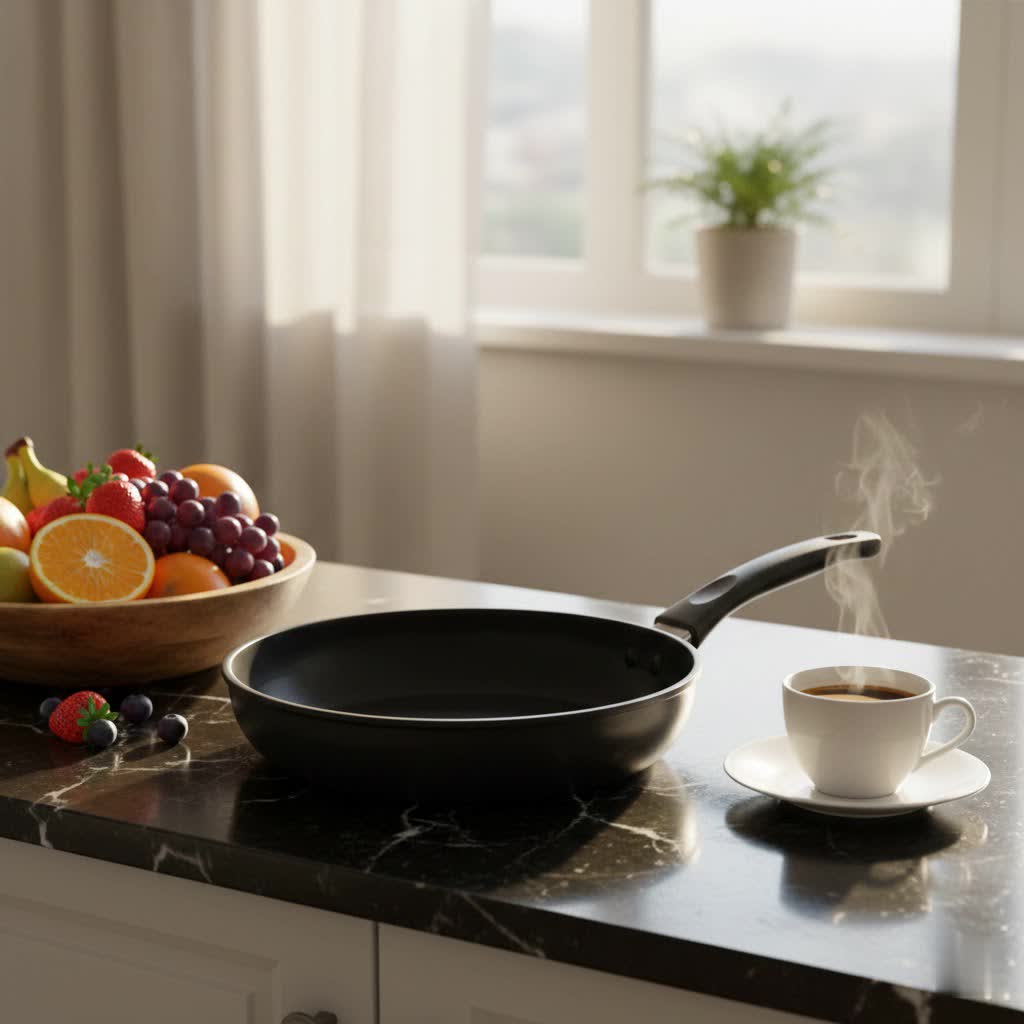
A nonstick pan is a fundamental kitchen tool designed to prevent food from adhering to its surface, making cooking and cleanup significantly easier. At its core, a nonstick pan features a special coating applied over a metal base, typically aluminum or stainless steel. This coating creates a low-friction surface that allows delicate foods like eggs and fish to slide off effortlessly, requiring less oil or butter. The evolution of nonstick technology began with Polytetrafluoroethylene (PTFE), commonly known by the brand name Teflon, introduced in the mid-20th century. Over time, advancements have led to the development of alternative coatings, such as ceramic and even more durable blends, continually improving both performance and safety for home cooks.
America’s Test Kitchen’s Approach to Nonstick Pans
America’s Test Kitchen is celebrated for its meticulous and comprehensive testing methodology, and their evaluations of nonstick pans are no exception. Their experts conduct extensive, real-world cooking tests, often repeating tasks dozens of times—like their famous “50 egg test” for ceramic pans—to assess true nonstick release, durability, and heat conductivity. They subject pans to simulated abuse, including scratching with metal spatulas (even though they advise against it for home use) and exposing them to high heat, to gauge long-term resilience.
Beyond performance, ATK pays close attention to design elements that enhance the user experience. They favor pans with a broad, generous cooking surface that allows food to spread and brown effectively, rather than steaming. Gently sloped walls are preferred, as they make it easy to toss food without spilling and facilitate effortless plating. A comfortable, uncoated handle that stays cool to the touch is crucial for maneuverability and safety. Furthermore, they look for specific details like a rounded rim, which helps food slide out of the pan smoothly without getting stuck in corners. Their holistic approach ensures that their recommendations aren’t just about initial nonstick slickness, but also about how a pan performs and lasts under real cooking conditions.
Popular Types of Nonstick Pans and ATK’s Insights
The market offers a diverse range of nonstick pans, primarily differentiated by their coating materials. America’s Test Kitchen has delved deep into the nuances of each type, providing clear guidance on their strengths and weaknesses.
By Material
- Teflon (PTFE):
- Pros: PTFE coatings are widely regarded by ATK as the most effective nonstick surfaces available, offering superior food release that repels both water and oil. They are excellent for delicate tasks like cooking eggs, stir-fries, and fish, ensuring minimal sticking.
- Cons: The primary concern with PTFE-coated pans is their potential to release toxic fumes if overheated, typically above 500°F (or 450°F in an oven, due to temperature cycling). They are also susceptible to scratches, which can degrade the nonstick properties over time. ATK emphasizes that PTFE nonstick will gradually lose its slickness with use, regardless of care.
- Ceramic:
- Pros: Ceramic nonstick pans are made with a glass-like coating, making them an appealing option for those concerned about PFAS chemicals found in traditional PTFE. ATK notes that ceramic pans pose no risk of toxic fumes even at higher temperatures, offering greater peace of mind for cooks who occasionally use high heat or oven finishes. They are generally considered more environmentally friendly.
- Cons: While improving, ATK’s tests indicate that ceramic nonstick isn’t quite as durable or as slick as the best PTFE coatings. They tend to lose their nonstick properties more quickly and are more prone to microscopic surface cracks from everyday use. This can lead to food sticking more readily over time, requiring more gentle cleaning.
- Titanium & Granite:
- These terms often refer to coatings reinforced with titanium or granite particles, typically layered over a PTFE or ceramic base, rather than being a distinct nonstick material in themselves. While manufacturers claim enhanced durability, ATK’s primary focus remains on the core nonstick polymer (PTFE) or mineral-derived (ceramic) layer, and the overall performance and longevity of the pan. Their research generally suggests that while reinforcement can add some scratch resistance, the fundamental properties of the underlying nonstick material largely dictate performance.
|
Our Picks for the Best Nonstick Pan in 2026
As an Amazon Associate I earn from qualifying purchases.
|
||
| Num | Product | Action |
|---|---|---|
| 1 | Tramontina Professional 10-Inch Non Stick Frying Pan, Heavy-Gauge Aluminum Skillet with Reinforced Nonstick Coating, Red Handle, Dishwasher and Oven Safe |

|
| 2 | Amazon Basics Ceramic Nonstick Pots and Pans Cookware Set, Dishwasher & Oven Safe, Even Heating, 10-Piece Set, Copper Color |
|
| 3 | Non Stick Frying Pan, 8-inch Omelette Pan with Heat Dot Temperature Indicator, Healthy Non Toxic Egg Skillet with Heat-Resistant Handle, PFOA-Free, Dishwasher Safe, Compatible with All Cooktops |
|
| 4 | T-fal Ultimate Hard Anodized Nonstick Fry Pan Set 2 Piece, 10, 12 Inch, Oven Broiler Safe 400F, Cookware, Pots and Pans Set Non Stick, Kitchen Frying Pans, Cooking Skillets, Dishwasher Safe, Grey |
|
| 5 | SENSARTE Nonstick Ceramic Frying Pan with Lid 8/9.5/10/11/12.5 Inch Omelet Pan Skillet, Free of Intentionally Added PFAS/PTFE Non-toxic Chef's Pan Induction Compatible Pan, Heat Resistant Handle |
|
| 6 | SENSARTE Nonstick Frying Pan Skillet, Swiss Granite Coating Omelette Pan, Healthy Stone Cookware Chef's Pan, PFOA Free (8/9.5/10/11/12.5 Inch) (9.5 Inch) |
|
| 7 | Amazon Basics Non Stick Kitchen Cookware 8-Piece Set, Non-Induction, Includes Pots and Pans, Black |
|
| 8 | CAROTE Nonstick Frying Pan Skillet,Non Stick Granite Fry Pan Egg Pan Omelet Pans, Stone Cookware Chef's Pan, PFOA Free,Induction Compatible(Classic Granite, 8-Inch) |
|
| 9 | SENSARTE Nonstick Frying Pan Skillet with Lid, 12 Inch Large Deep Frying Pan, 5 Qt Non Stick Saute Pan with Cover, Induction Pan, Healthy Non Toxic Cooking Pan with Helper Handle, PFOA PFOS Free |
|
| 10 | Amazon Basics Non Stick Kitchen Cookware 15-Piece Set, Non-Induction, Includes Pots, Pans, and Utensils, Black |
|
By Brand (America’s Test Kitchen’s Top Picks)
America’s Test Kitchen has consistently recommended several brands that stand out in their rigorous testing:
- OXO Non-Stick Pro Fry Pan: Frequently cited as a top performer for traditional nonstick, particularly the 10-inch size. ATK praises its lightweight design, durable coating, and excellent food release. They appreciate its comfortable handle and well-engineered shape that aids in cooking and serving.
- All-Clad: The 12-inch All-Clad nonstick skillet is another highly recommended option, particularly for its robust construction and reliable nonstick performance. It often excels in heat distribution and overall build quality.
- T-Fal (Induction Skillet): For those with induction cooktops, ATK highlights the T-Fal 12.5-inch Induction Skillet. It’s lauded for its induction compatibility alongside consistent nonstick capabilities.
- GreenPan Valencia Pro (Ceramic): This line has consistently been named ATK’s top pick for ceramic nonstick skillets, particularly the 12-inch and 8-inch versions. Testers rave about its lasting slickness through abuse tests, broad cooking surface, gently sloped walls, and comfortable handle, making it a reliable and safer alternative to traditional nonstick.
By Size
America’s Test Kitchen emphasizes that pan size significantly impacts versatility and cooking efficiency.
- Small (8-inch): Ideal for single servings, such as a couple of eggs, toasting nuts, or making a grilled sandwich. The smaller size makes it exceptionally easy to maneuver, wash, and store. ATK specifically highlights the GreenPan Valencia Pro 8-inch as perfect for small batches of delicate foods.
- Medium (10-inch): Often considered the most versatile size for smaller households or individuals. It offers a good balance of cooking surface and ease of handling. The OXO Non-Stick Pro 10-inch is a favorite in this category.
- Large (12-inch+): The most versatile option for families of two to four people, or for cooking larger quantities. A 12-inch pan allows ample room for food to spread out and brown, rather than pile up and steam. ATK frequently recommends a 12-inch pan for its ability to handle everything from a single egg to a large frittata.
Comparing Nonstick Pan Types: An America’s Test Kitchen Perspective
When choosing between traditional PTFE and ceramic nonstick, America’s Test Kitchen offers a clear breakdown based on their extensive testing.
| Feature | Traditional Nonstick (PTFE) | Ceramic Nonstick (e.g., GreenPan Valencia Pro) | ATK Insight |
|---|---|---|---|
| Nonstick Performance | Superior initial slickness and long-term release. | Good initial slickness, but degrades faster than PTFE. | “If you’re looking purely for performance, go with Teflon (PTFE).” |
| Durability | Prone to scratches, nonstick fades gradually over time. | More brittle, susceptible to microscopic cracks, degrades faster. | PTFE is generally more durable, but both require careful handling. |
| Heat Safety | Releases toxic fumes above ~500°F (450°F in oven). | No risk of toxic fumes, even at high temperatures. PFAS-free. | “If it’s peace of mind you’re after, try ceramic.” |
| Chemicals | Contains PFAS (though PFOA-free in modern pans). | PFAS-free. | Ceramic offers a “safer, more environmentally friendly” option, appealing to those avoiding PFAS. |
| Maintenance | Hand wash, avoid metal utensils/sprays. | Hand wash, avoid metal utensils/sprays; more sensitive to abrasive cleaning. | Similar care rules for both, but ceramic’s durability issues make gentle care even more crucial. |
| Price Range | Varies widely; good performance often found at mid-range. | Often at a slightly higher price point for comparable performance. | High-performing nonstick pans don’t have to be expensive. |
> “Our favorite 8-inch ceramic nonstick pan was ideal for cooking small batches of sticky or delicate foods. We loved cooking in it.” – America’s Test Kitchen Experts, on the GreenPan Valencia Pro 8-inch frypan.
How to Choose Your Ideal Nonstick Pan, Guided by America’s Test Kitchen
Selecting the perfect nonstick pan involves more than just picking the first shiny option you see. By following America’s Test Kitchen’s expert advice, you can make a choice that truly suits your kitchen and cooking style.
Determine Your Cooking Needs
Start by honestly assessing how you cook. Do you frequently prepare delicate items like eggs, pancakes, or fish? Do you need a large pan for family meals, or a smaller one for individual portions? Your cooking habits will directly influence the ideal size and type of pan. Consider how many people you typically cook for and what your most common dishes are. Your budget also plays a crucial role; while ATK finds excellent value in mid-range pans, understanding your financial comfort zone will narrow your choices.
Select the Right Material
America’s Test Kitchen draws a clear distinction between traditional PTFE and ceramic nonstick. If your priority is the absolute best nonstick performance and you are comfortable adhering to temperature guidelines, a high-quality PTFE pan like the OXO Non-Stick Pro is an excellent choice. However, if peace of mind regarding high-temperature safety and avoiding PFAS chemicals is paramount, despite a slight trade-off in long-term slickness, a ceramic pan like the GreenPan Valencia Pro is ATK’s recommendation. Your choice here hinges on a balance between peak performance and perceived safety.
Evaluate Quality and Design
Don’t just look at the coating; examine the entire pan. ATK stresses the importance of design features:
- Nonstick Surface: Visually inspect for any scratches or imperfections, even in a new pan.
- Handle: Ensure it’s sturdy, comfortable to grip, and remains cool during cooking. ATK prefers uncoated handles that are easy to maneuver.
- Pan Walls: Look for gently sloped walls that facilitate tossing and serving without spilling.
- Cooking Surface: The actual flat bottom diameter is more important than the rim-to-rim measurement. A generous cooking surface prevents overcrowding.
- Bottom: Check that the pan’s bottom is flat to ensure even heat distribution, which is crucial for consistent cooking.
Purchase from Reputable Sources
To ensure you’re getting a genuine, high-quality product, always purchase your nonstick pan from reputable retailers. This includes major department stores, established kitchenware shops, or trusted online platforms with clear return policies. Buying from authorized sellers helps guarantee that you’re investing in an authentic pan that meets safety standards and manufacturer claims, rather than a counterfeit or lower-quality imitation.
Maximizing the Life of Your Nonstick Pan: ATK’s Care Tips
Even the best nonstick pans require proper care to maintain their performance and extend their lifespan. America’s Test Kitchen provides essential guidelines to help you keep your pan in top condition.
Proper Usage
- Avoid Metal Utensils: Always use silicone, wood, or plastic utensils to prevent scratching the delicate nonstick surface.
- Control Heat: Do not preheat an empty nonstick pan to high temperatures. ATK recommends heating with a small amount of oil or butter, as fats smoke at lower temperatures, indicating when the pan is adequately hot without reaching dangerously high temperatures that could degrade the coating or release fumes (especially with PTFE). For PTFE, avoid temperatures above 500°F (or 450°F in the oven); ceramic can tolerate higher heat without fume risks, but extreme heat can still reduce its lifespan.
- Prevent Thermal Shock: Never plunge a hot nonstick pan into cold water. Sudden temperature changes can cause the pan to warp or the nonstick coating to crack.
- Skip Nonstick Sprays: Counterintuitively, nonstick cooking sprays can cause a sticky buildup on the pan’s surface over time due to lecithin, which can actually degrade the nonstick properties and become difficult to remove. Stick to small amounts of butter or oil instead.
- Ensure Ventilation: When cooking with nonstick pans, especially traditional PTFE, ATK recommends turning on your range hood fan and cracking a window to ensure good air circulation.
Cleaning Correctly
- Gentle Cleaning is Key: After each use, allow the pan to cool completely. Wash it by hand using warm water, a mild dish soap, and a soft sponge or cloth.
- Avoid Abrasives: Never use abrasive scouring pads, steel wool, or harsh chemical cleaners, as these can easily scratch or strip the nonstick coating.
- Hand Wash Recommended: While some nonstick pans claim to be dishwasher-safe, ATK generally advises against it. The harsh detergents and high heat of dishwashers can accelerate the degradation of the nonstick surface. Always hand wash for longevity.
- Dry Thoroughly: After washing, dry the pan completely with a soft towel to prevent water spots and potential mineral buildup.
Smart Storage
- Protect the Surface: To prevent scratches from other cookware, avoid stacking nonstick pans directly on top of each other. If stacking is necessary, place a soft cloth, paper towel, or pan protector between them.
- Hang or Separate: Ideally, hang your nonstick pans by their handles or store them in a way that minimizes contact with other kitchen items. This simple step can significantly extend the life of the nonstick coating.
- Light Oil Coating (Optional): For long-term storage, some experts suggest lightly rubbing the cooking surface with a small amount of cooking oil to protect the nonstick layer, although this is less critical for well-maintained pans.
Common Nonstick Pan Problems and ATK-Inspired Solutions
Even with the best care, nonstick pans can encounter issues. America’s Test Kitchen’s experience offers practical advice for troubleshooting and knowing when it’s time for a replacement.
- Food Sticking: This is the most common sign that your nonstick coating is degrading. For traditional PTFE pans, once food begins to consistently stick despite proper care, the nonstick properties are likely depleted. For ceramic pans, minor sticking might be temporarily improved by a thorough cleaning with baking soda and water to remove residue, but this is usually a sign of eventual decline.
- Coating Peeling or Flaking: If the nonstick coating begins to visibly peel, flake, or chip, the pan should be retired immediately. Not only does this mean the nonstick property is lost, but ingesting flaked coating, particularly from PTFE pans, is generally advised against. This typically indicates the pan has reached the end of its useful life.
- Pan Warping or Uneven Heating: If your pan’s bottom becomes warped (no longer sits flat on the stovetop), it will heat unevenly, leading to hot spots and poor cooking results. Warping is often caused by thermal shock (e.g., placing a hot pan under cold water) or consistently high-heat cooking on an unsuitable pan. Unfortunately, a warped pan cannot be effectively repaired and should be replaced. America’s Test Kitchen’s recommendations often prioritize pans with sturdy bases designed to resist warping.
Conclusion
Choosing the right nonstick pan, backed by the meticulous research of America’s Test Kitchen, can transform your everyday cooking. Whether you prioritize the unmatched slickness of traditional PTFE with brands like OXO and All-Clad, or the high-heat safety and PFAS-free peace of mind offered by ceramic options like the GreenPan Valencia Pro, understanding your needs and the pan’s characteristics is key. Remember that proper usage and diligent care are essential to preserving your nonstick pan’s performance and extending its lifespan. By investing wisely and following these expert guidelines, you’ll ensure effortless cooking and easy cleanup, making every meal preparation a joy.
What nonstick cooking challenges are you hoping to conquer in your kitchen?
Frequently Asked Questions
Is America’s Test Kitchen’s top nonstick pan safe?
Yes, America’s Test Kitchen rigorously tests pans for safety and performance. Their top picks, whether traditional PTFE (used below 500°F with ventilation) or ceramic (which is PFAS-free and safe at higher temperatures), are deemed safe for home cooking when used according to their recommended guidelines, especially regarding heat limits and proper care.
How often should I replace my nonstick pan according to ATK?
America’s Test Kitchen suggests that even with the best care, nonstick pans will eventually lose their effectiveness. Most pans need replacement every one to five years, depending on usage frequency and material. If food consistently sticks, or if the coating shows signs of peeling, scratching, or warping, it’s definitely time to replace it.
Can I put an America’s Test Kitchen recommended nonstick pan in the dishwasher?
While some manufacturers claim dishwasher safety, America’s Test Kitchen generally advises against putting nonstick pans in the dishwasher. The harsh detergents and high heat can accelerate the breakdown of the nonstick coating, leading to premature wear and reducing the pan’s lifespan. Hand washing with mild soap and a soft sponge is always recommended.
What are PFAS, and why does America’s Test Kitchen mention them for nonstick pans?
PFAS (per- and polyfluoroalkyl substances) are a group of chemicals, including PFOA and PTFE, historically used in nonstick coatings. America’s Test Kitchen notes that while modern PTFE pans are PFOA-free, some consumers prefer to avoid PFAS entirely due to environmental and health concerns. Ceramic nonstick pans, like the GreenPan Valencia Pro, are a PFAS-free alternative.
Does America’s Test Kitchen recommend induction-compatible nonstick pans?
Yes, America’s Test Kitchen does recommend induction-compatible nonstick pans for those with induction cooktops. They specifically highlight models like the T-Fal 12.5-inch Induction Skillet as a top performer in their tests, ensuring good heat distribution and nonstick properties on induction surfaces. Always check for induction compatibility when purchasing if you have an induction stove.
