Navigating the vast world of kitchen cookware, especially when it comes to nonstick frying pans, can feel overwhelming. With so many options from materials to brands and prices, choosing the right pan for your home can be confusing. This guide aims to simplify that decision-making process, focusing on the safest, most durable, and effective non-toxic nonstick frying pans available today. We’ll explore crucial factors like safety, longevity, and cooking performance to help you find the perfect pan that will enhance your meals for years to come.
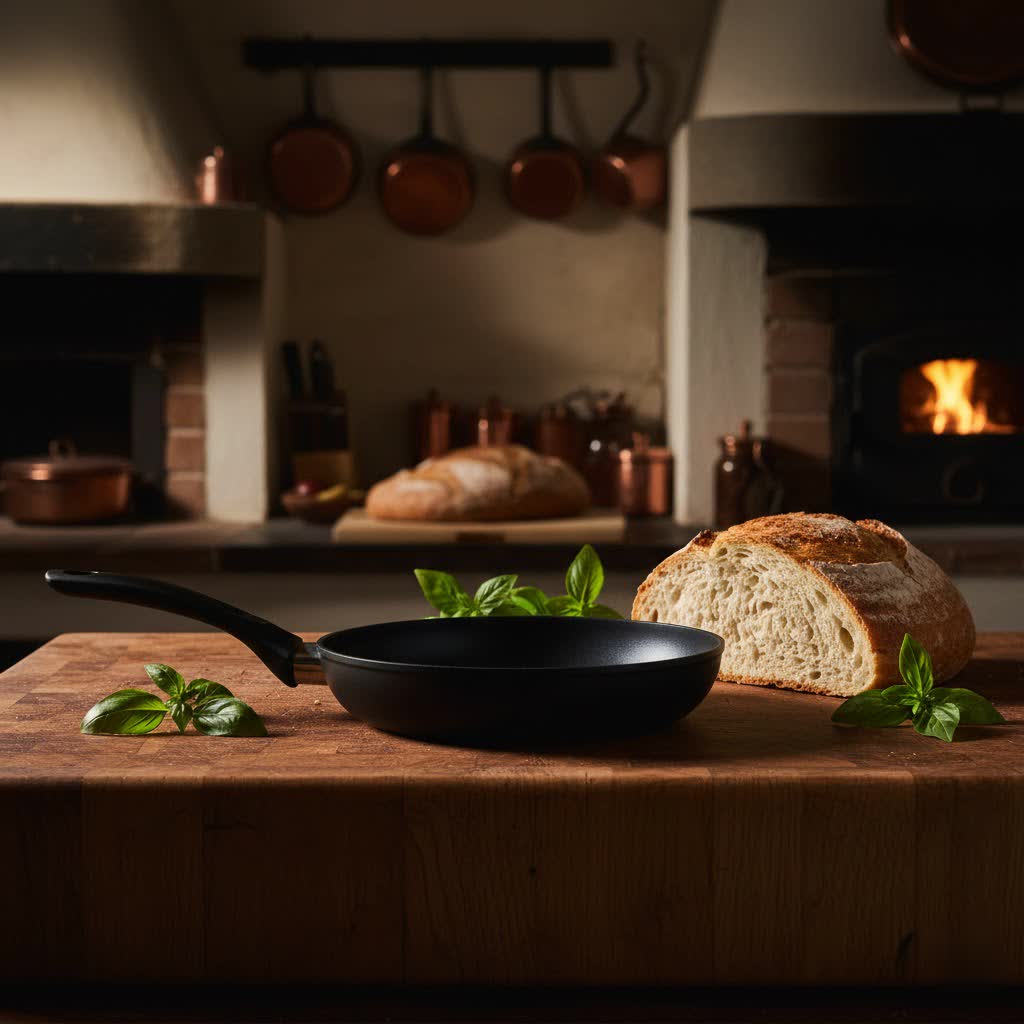
What is a Nonstick Frying Pan?
A nonstick frying pan is a kitchen essential designed to prevent food from sticking to its surface, making cooking and cleanup significantly easier. Historically, these pans gained widespread popularity with the introduction of polytetrafluoroethylene (PTFE), commonly known as Teflon, in the mid-20th century. This innovative coating created a slick surface that allowed for cooking with less oil and effortless food release. However, concerns regarding the chemicals used in some traditional nonstick coatings have led to a surge in demand for safer, non-toxic alternatives. Modern nonstick technology has evolved significantly, offering various materials that deliver superior performance without compromising health.
Types of Non-Toxic Nonstick Frying Pans
The market for nonstick frying pans has diversified, moving beyond conventional PTFE to embrace a range of materials considered safer and more environmentally friendly. Understanding these options is key to making an informed choice.
By Material
- Traditional Nonstick (PTFE-Based):
- Pros: Excellent nonstick properties, often more affordable.
- Cons: Can degrade and release fumes if overheated above 500°F (260°C), linked to “polymer fume fever.” While modern PTFE is PFOA-free, concerns remain about other PFAS chemicals in the coating. It is crucial to monitor cooking temperatures and avoid preheating an empty pan.
- Ceramic-Coated:
- Pros: Generally considered safe and free from PFAS, PFOA, lead, and cadmium. They offer good heat resistance, often oven-safe to 550°F, and come in various aesthetically pleasing colors. Ceramic coatings are typically mineral-based, derived from sand.
- Cons: While initially very nonstick, the coating can degrade over time and with heavy use. Durability can vary significantly between brands, and they are generally more expensive than basic PTFE pans. They often require gentle care to extend their lifespan.
- Titanium (often Titanium-Reinforced Ceramic or PTFE):
- Pros: Known for enhanced durability and scratch resistance when integrated into ceramic or traditional nonstick coatings. Offers good nonstick performance and is generally considered safe when PFOA/PFAS-free.
- Cons: Higher price point. It’s important to verify if the titanium is a reinforcement layer for a non-toxic ceramic coating or a traditional PTFE coating, as the latter would still have temperature limitations.
- Stone-Derived/Granite-Coated:
- Pros: Often boast an attractive, speckled appearance and good heat retention. Many are marketed as non-toxic and durable.
- Cons: The term “stone-derived” can sometimes be misleading, as these pans usually feature a base coating (often ceramic or sometimes even PTFE) that is infused with granite particles. It’s essential to confirm that they are explicitly free of PFAS, PFOA, and other harmful chemicals.
- Nitrided Carbon Steel:
- Pros: Naturally nonstick once seasoned, coating-free, and extremely durable, designed to last “forever.” It is safe for high heat (up to 1100°F) and gets better with age as seasoning builds. Often lighter than cast iron and resistant to rust.
- Cons: Requires seasoning (though some come pre-seasoned or self-seasoning), can react with acidic foods, and may not be as “slick” as ceramic or new PTFE out of the box.
- Enameled Cast Iron:
- Pros: Excellent heat retention and distribution, extremely durable, and naturally nonstick with proper care. The enamel coating is typically non-reactive and chemical-free, eliminating the need for seasoning.
- Cons: Very heavy and can be slow to heat up. Enamel can chip if dropped or subjected to extreme thermal shock. Generally a higher investment.
- Stainless Steel (with non-toxic nonstick coating):
- Pros: Durable, non-reactive, and versatile. When paired with a quality non-toxic ceramic coating, it offers a sturdy base with reliable nonstick performance.
- Cons: The nonstick layer still requires careful use and maintenance to prevent degradation over time. Pure stainless steel is not naturally nonstick without proper preheating and oiling.
|
Our Picks for the Best Nonstick Pan in 2026
As an Amazon Associate I earn from qualifying purchases.
|
||
| Num | Product | Action |
|---|---|---|
| 1 | T-fal Ultimate Hard Anodized Nonstick Fry Pan Set 2 Piece, 10, 12 Inch, Oven Broiler Safe 400F, Cookware, Pots and Pans Set Non Stick, Kitchen Frying Pans, Cooking Skillets, Dishwasher Safe, Grey |

|
| 2 | Amazon Basics Non Stick Kitchen Cookware 8-Piece Set, Non-Induction, Includes Pots and Pans, Black |
|
| 3 | Amazon Basics Ceramic Nonstick Pots and Pans Cookware Set, Dishwasher & Oven Safe, Even Heating, 10-Piece Set, Copper Color |
|
| 4 | SENSARTE Nonstick Ceramic Frying Pan with Lid 8/9.5/10/11/12.5 Inch Omelet Pan Skillet, Free of Intentionally Added PFAS/PTFE Non-toxic Chef's Pan Induction Compatible Pan, Heat Resistant Handle |
|
| 5 | Tramontina Professional 10-Inch Non Stick Frying Pan, Heavy-Gauge Aluminum Skillet with Reinforced Nonstick Coating, Red Handle, Dishwasher and Oven Safe |
|
| 6 | CAROTE Nonstick Frying Pan Skillet,Non Stick Granite Fry Pan Egg Pan Omelet Pans, Stone Cookware Chef's Pan, PFOA Free,Induction Compatible(Classic Granite, 8-Inch) |
|
| 7 | SENSARTE Nonstick Frying Pan Skillet with Lid, 12 Inch Large Deep Frying Pan, 5 Qt Non Stick Saute Pan with Cover, Induction Pan, Healthy Non Toxic Cooking Pan with Helper Handle, PFOA PFOS Free |
|
| 8 | Amazon Basics Non Stick Kitchen Cookware 15-Piece Set, Non-Induction, Includes Pots, Pans, and Utensils, Black |
|
| 9 | SENSARTE Nonstick Frying Pan Skillet, Swiss Granite Coating Omelette Pan, Healthy Stone Cookware Chef's Pan, PFOA Free (8/9.5/10/11/12.5 Inch) (9.5 Inch) |
|
| 10 | Non Stick Frying Pan, 8-inch Omelette Pan with Heat Dot Temperature Indicator, Healthy Non Toxic Egg Skillet with Heat-Resistant Handle, PFOA-Free, Dishwasher Safe, Compatible with All Cooktops |
|
By Brand
Several brands have emerged as leaders in the non-toxic nonstick market, each offering unique features:
- Caraway: Known for its ceramic-coated cookware, Caraway pans are PTFE, PFOA, and PFAS-free. They are popular for their stylish design, vibrant colors, and integrated storage solutions. Users praise their effortless food release and ease of cleaning, though they recommend gentle care.
- GreenPan: A pioneer in ceramic nonstick, GreenPan offers various collections with its signature Thermolon ceramic coating, which is free from PFAS, PFOA, lead, and cadmium. They emphasize eco-friendly production and durability, with some lines being metal utensil safe.
- Made In: Offers a range of professional-grade cookware, including a “CeramiClad” nonstick line that is PFA, PFOA, PTFE, BPA, lead, and cadmium free. They also feature nitrided carbon steel options, lauded for their durability and natural nonstick properties that improve with seasoning.
- Misen: Their Carbon Nonstick™ frying pan uses nitrided carbon steel, an uncoated, chemical-free material that becomes naturally nonstick over time through seasoning. It’s designed for high-heat cooking and exceptional durability.
- Xtrema: Specializes in 100% pure ceramic cookware, which is completely free of heavy metals and synthetic coatings. These pans are highly scratch-resistant, oven-safe, and microwave-safe, offering a truly toxin-free cooking experience, though they may require a learning curve for optimal nonstick performance.
- Our Place: Popular for its aesthetically pleasing and multi-functional “Always Pan,” which features a non-toxic ceramic nonstick coating. It is designed to replace several traditional pieces of cookware, making it a favorite for minimalist kitchens.
By Size
Choosing the right pan size depends on your cooking habits and household needs:
- Small (16-20cm / 6-8 inches): Ideal for individual servings, frying a single egg, small omelets, or toasting nuts. Perfect for singles or small households.
- Medium (24-28cm / 9.5-11 inches): The most popular and versatile size, suitable for families of 2-4. Great for everyday tasks like frying multiple eggs, sautéing vegetables, or cooking chicken breasts.
- Large (30cm+ / 12 inches and above): Best for larger families, entertaining, or cooking bigger batches. Excellent for stir-fries, searing steaks, or preparing meals for multiple people.
Non-Toxic Nonstick Pan Comparison Chart
| Feature | Ceramic-Coated Nonstick | Nitrided Carbon Steel | Enameled Cast Iron |
|---|---|---|---|
| Safety | PFAS, PFOA, PTFE-free; lead & cadmium-free. | Coating-free; made from carbon & iron. | Lead & cadmium-free enamel. |
| Durability | Varies by brand, coating can degrade over time. | Extremely durable, can last indefinitely with care. | Extremely durable, but enamel can chip. |
| Nonstick Perf. | Excellent initially, may diminish with use. | Develops natural nonstick with seasoning over time. | Naturally nonstick when properly cared for. |
| Heat Tolerance | Generally oven-safe up to 500-550°F (260-288°C). | Very high, up to 1100°F (593°C). | Very high, retains heat exceptionally. |
| Maintenance | Hand wash recommended, avoid high heat & metal utensils. | Requires seasoning, hand wash, avoid harsh soaps. | Easy to clean, no seasoning required for enamel. |
| Weight | Medium, lighter than cast iron. | Medium, lighter than cast iron. | Heavy. |
| Price Range | Mid to High. | Mid to High. | High. |
| Pros | Easy cleanup, diverse colors, safe at moderate temps. | Long-lasting, high heat, improves with age, versatile. | Superior heat retention, even cooking, beautiful designs. |
| Cons | Coating lifespan, can be fragile, not for abrasive use. | Requires seasoning, can react with acidic foods. | Heavy, brittle enamel, slower to heat. |
How to Choose Your Ideal Non-Toxic Nonstick Pan
Selecting the best non-toxic nonstick pan involves considering your personal cooking style, health priorities, and budget.
Assess Your Cooking Needs
- What do you cook most often? If you frequently make eggs, pancakes, or delicate fish, a pan with excellent immediate nonstick release like ceramic might be preferable. For searing meats or high-heat stir-fries, carbon steel or enameled cast iron could be better.
- How many people do you cook for? This will dictate the ideal size of your pan. A 10-inch (24-26cm) pan is versatile for most small to medium families.
- What’s your budget? Non-toxic nonstick pans range widely in price. Determine how much you’re willing to invest, keeping in mind that higher quality often translates to better performance and longevity.
Prioritize Material Safety
Always look for explicit labels indicating “PFAS-free,” “PFOA-free,” “PTFE-free,” “lead-free,” and “cadmium-free.” While many brands claim PFOA-free, the presence of PTFE or other PFAS chemicals can still be a concern for some users, especially regarding high-heat degradation. Ceramic and nitrided carbon steel are often highlighted as truly “coating-free” or mineral-based safe options.
Check for Quality & Design
- Nonstick Surface: Visually inspect the surface for any imperfections or scratches, even on new pans. A smooth, even coating is crucial.
- Handle Comfort and Security: The handle should feel sturdy and comfortable in your hand, ideally staying cool during stovetop cooking. Riveted handles are generally more durable than welded ones.
- Base Flatness: A flat base ensures even heat distribution and stability on the stovetop. Warped pans can lead to uneven cooking and can be a safety hazard.
- Weight: Consider the weight. While heavier pans often retain heat better, they can be cumbersome for daily use.
Shop from Reputable Sources
Purchase your nonstick pans from well-known retailers, specialized kitchen stores, or the official websites of trusted brands. This helps ensure you’re getting authentic products and can rely on customer service and warranties. Look for brands that offer transparent information about their materials and manufacturing processes.
Tips for Using and Maintaining Non-Toxic Nonstick Pans
Proper care is paramount for extending the life and maintaining the performance of your non-toxic nonstick pan.
Proper Usage
- Use the Right Utensils: Always opt for wooden, silicone, or heat-resistant plastic utensils. Metal utensils can scratch and damage the nonstick coating, leading to premature wear and potential chemical exposure if it’s a PTFE-based pan.
- Control Heat Levels: Avoid cooking at excessively high temperatures. While some non-toxic materials like ceramic or carbon steel can handle higher heat than traditional PTFE, using medium to low heat is generally recommended for all nonstick surfaces to preserve the coating’s integrity. Never preheat an empty pan; always add a small amount of oil or food before heating.
- Avoid Thermal Shock: Do not plunge a hot pan into cold water. Sudden temperature changes can cause warping or damage the nonstick layer. Let the pan cool down naturally before washing.
Correct Cleaning
- Gentle Hand Washing: Hand washing with a soft sponge or cloth and mild dish soap is almost always recommended. Avoid abrasive scrubbers, steel wool, or harsh chemical detergents, as these can strip or scratch the nonstick surface.
- Thorough Drying: After washing, dry your pan completely to prevent water spots and potential corrosion, especially for carbon steel, which needs to be oiled after drying to maintain its seasoning.
Smart Storage
- Protect the Surface: Store your nonstick pans carefully to prevent scratching. If stacking, place a pan protector, paper towel, or cloth between pans. Ideally, hang them or store them in a way that avoids direct contact with other metal objects.
- Seasoning (for Carbon Steel): If you have a carbon steel pan, periodically re-season it with a thin layer of cooking oil to maintain its nonstick properties and protect against rust.
Common Issues and Solutions
Even with the best non-toxic nonstick pans, you might encounter some common issues. Here’s how to address them:
- Food Sticking:
- Solution: For ceramic or other coated pans, this often indicates the coating is degrading or you’re using too high a heat. Try reducing heat and ensuring there’s a thin layer of fat. For carbon steel, it means your seasoning needs attention. Ensure the pan is properly seasoned and preheated before adding food.
- Nonstick Layer Peeling or Flaking:
- Solution: This is a sign of wear, which is inevitable for most coated nonstick pans over time. If it’s a PTFE pan, it could release fumes. If significant peeling occurs, it’s generally time to replace the pan for health and performance reasons. For uncoated materials like nitrided carbon steel, proper seasoning prevents this.
- Pan Warping:
- Solution: Warping often results from thermal shock (e.g., placing a hot pan under cold water) or manufacturing defects. Good quality pans with thick bases are less prone to warping. Always let your pan cool gradually before washing. If a pan is severely warped, its heat distribution will be compromised, and it should be replaced.
“Many consumers are rightly concerned about ‘forever chemicals’ in their cookware. The good news is that advancements in materials like ceramic and nitrided carbon steel offer excellent nonstick performance without these health worries, empowering cooks to make healthier choices for their families.” – Chef Isabella Rossi, Culinary Health Advocate
Conclusion
Choosing a non-toxic nonstick frying pan is a powerful step towards healthier cooking and a more sustainable kitchen. By understanding the different materials available—from versatile ceramic-coated options to the enduring resilience of nitrided carbon steel and enameled cast iron—you can select a pan that not only performs brilliantly but also provides peace of mind. Remember that proper usage and diligent care are key to maximizing the lifespan and nonstick efficiency of any pan.
Ready to upgrade your kitchen? Investing in a quality non-toxic nonstick pan will transform your cooking experience, making every meal preparation a joy. What healthy, delicious dish will you create first with your new pan?
Frequently Asked Questions
Are ceramic nonstick pans truly non-toxic?
Yes, most ceramic nonstick pans are considered non-toxic because they are typically made without PFAS, PFOA, PTFE, lead, and cadmium. Their coating is usually mineral-based, derived from sand, and does not release harmful fumes when heated to appropriate temperatures. However, durability can vary, and careful use is recommended to prolong their nonstick performance.
How do I maintain the nonstick quality of my non-toxic pan?
To maintain nonstick quality, always use low to medium heat, avoid overheating empty pans, and use only wooden, silicone, or plastic utensils. Hand wash with a soft sponge and mild soap, and allow the pan to cool completely before cleaning. For carbon steel, regular seasoning is essential to build and maintain its natural nonstick properties.
Can I use metal utensils on any non-toxic nonstick pans?
Generally, no. Most non-toxic nonstick pans, especially those with ceramic coatings, can be damaged by metal utensils, which can scratch and degrade the nonstick surface. Always check the manufacturer’s recommendations; a few high-durability options, like some titanium-reinforced or nitrided carbon steel pans, may tolerate metal, but it’s best to err on the side of caution with softer materials.
