Are you struggling to find a nonstick fry pan that combines generous capacity with professional-grade performance? The market is flooded with options, leaving many home cooks overwhelmed by choices ranging from materials and brands to price points. With over a decade of experience in kitchenware, particularly with nonstick pans, I understand these challenges intimately. This guide is designed to empower you with the insights needed to make an informed decision, ensuring you find the perfect nonstick fry pan that meets your culinary demands and lasts for years to come.
What is a Nonstick Fry Pan?
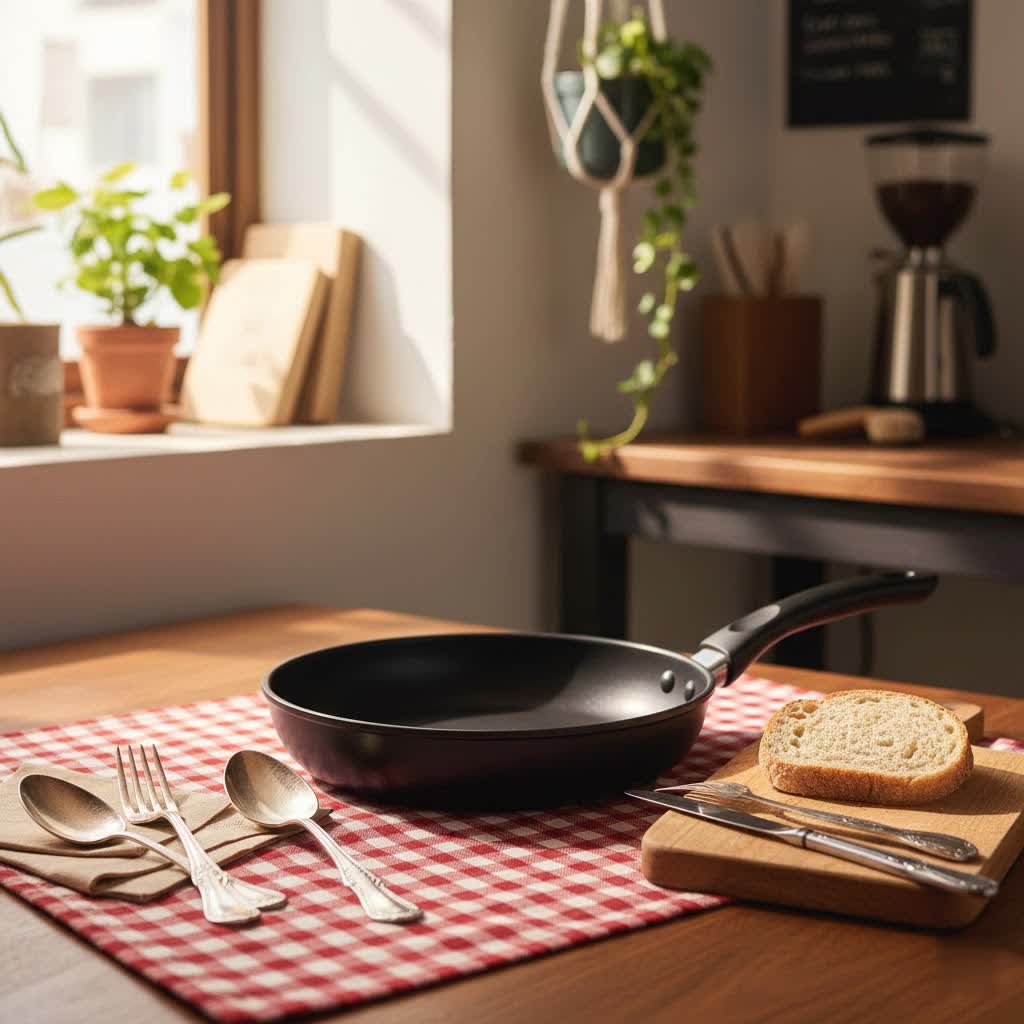
A nonstick fry pan is a kitchen essential designed with a special coating that prevents food from adhering to its surface during cooking. This innovative design greatly simplifies both cooking and cleanup, making it a favorite for preparing delicate foods like eggs, fish, and pancakes, as well as for general sautéing and frying with minimal oil. The technology behind nonstick coatings has evolved significantly over the years, transforming from early, sometimes controversial, applications to today’s more advanced and safer options. The primary purpose remains consistent: to provide a smooth, low-friction cooking surface that ensures easy food release.
Popular Types of Nonstick Fry Pans
Nonstick fry pans come in various types, primarily differing by their coating material, underlying construction, and size. Understanding these distinctions is crucial for selecting a pan that aligns with your cooking style and health preferences.
By Material
The nonstick coating is the defining feature of these pans, and the base material plays a significant role in their performance and durability.
- Teflon (PTFE):
- Advantages: Polytetrafluoroethylene (PTFE), commonly known by the brand name Teflon, is renowned for its excellent nonstick properties and affordability. It provides an exceptionally smooth surface, making food release effortless.
- Disadvantages: PTFE can be susceptible to scratches, and there have been historical concerns regarding health risks when pans are overheated, particularly above 500°F (260°C). While modern PTFE pans are PFOA-free, they are typically not PFAS-free.
- Ceramic:
- Advantages: Ceramic coatings are often marketed as a “green” alternative, being free from PTFE and PFOA. They are generally considered safe, environmentally friendly, and can withstand higher temperatures than traditional PTFE.
- Disadvantages: Ceramic nonstick tends to be less durable than PTFE, with its nonstick properties degrading faster over time. They also tend to be more expensive.
- Titanium:
- Advantages: Titanium-reinforced nonstick coatings offer enhanced durability and scratch resistance compared to standard PTFE. They provide good nonstick performance and are considered safe.
- Disadvantages: Pans with titanium reinforcement often come with a higher price tag.
- Granite (Stone-derived):
- Advantages: These pans often feature an attractive speckled appearance, are known for good heat retention, and claim robust nonstick properties.
- Disadvantages: Many “granite” or “stone-derived” coatings are essentially PTFE with stone particles embedded, so it’s essential to verify the specific composition to understand their safety and durability profiles.
|
Our Picks for the Best Nonstick Pan in 2026
As an Amazon Associate I earn from qualifying purchases.
|
||
| Num | Product | Action |
|---|---|---|
| 1 | Non Stick Frying Pan, 8-inch Omelette Pan with Heat Dot Temperature Indicator, Healthy Non Toxic Egg Skillet with Heat-Resistant Handle, PFOA-Free, Dishwasher Safe, Compatible with All Cooktops |

|
| 2 | CAROTE Nonstick Frying Pan Skillet,Non Stick Granite Fry Pan Egg Pan Omelet Pans, Stone Cookware Chef's Pan, PFOA Free,Induction Compatible(Classic Granite, 8-Inch) |
|
| 3 | Amazon Basics Non Stick Kitchen Cookware 8-Piece Set, Non-Induction, Includes Pots and Pans, Black |
|
| 4 | T-fal Ultimate Hard Anodized Nonstick Fry Pan Set 2 Piece, 10, 12 Inch, Oven Broiler Safe 400F, Cookware, Pots and Pans Set Non Stick, Kitchen Frying Pans, Cooking Skillets, Dishwasher Safe, Grey |
|
| 5 | SENSARTE Nonstick Frying Pan Skillet, Swiss Granite Coating Omelette Pan, Healthy Stone Cookware Chef's Pan, PFOA Free (8/9.5/10/11/12.5 Inch) (9.5 Inch) |
|
| 6 | Amazon Basics Ceramic Nonstick Pots and Pans Cookware Set, Dishwasher & Oven Safe, Even Heating, 10-Piece Set, Copper Color |
|
| 7 | SENSARTE Nonstick Ceramic Frying Pan with Lid 8/9.5/10/11/12.5 Inch Omelet Pan Skillet, Free of Intentionally Added PFAS/PTFE Non-toxic Chef's Pan Induction Compatible Pan, Heat Resistant Handle |
|
| 8 | Amazon Basics Non Stick Kitchen Cookware 15-Piece Set, Non-Induction, Includes Pots, Pans, and Utensils, Black |
|
| 9 | Tramontina Professional 10-Inch Non Stick Frying Pan, Heavy-Gauge Aluminum Skillet with Reinforced Nonstick Coating, Red Handle, Dishwasher and Oven Safe |
|
| 10 | SENSARTE Nonstick Frying Pan Skillet with Lid, 12 Inch Large Deep Frying Pan, 5 Qt Non Stick Saute Pan with Cover, Induction Pan, Healthy Non Toxic Cooking Pan with Helper Handle, PFOA PFOS Free |
|
By Brand
While the user requested specific details on “All-Clad,” a general understanding of brand variations is helpful. All-Clad is a premium brand known for its bonded cookware constructions, often featuring 3-ply (D3) or 5-ply (D5) stainless steel with aluminum cores. Their nonstick fry pans, including the 14-inch model, typically use a high-quality PTFE coating applied over these bonded materials, often with a ceramic plasma layer underneath to enhance durability and performance. Brands like Tefal and Lock&Lock offer a wider range of price points and coating types, from basic PTFE to more advanced ceramic options, often focusing on accessibility and specific features for everyday cooking.
By Size
The size of a nonstick fry pan significantly impacts its utility for different cooking needs.
- Small (16-20cm/6-8 inches): Ideal for individual servings, such as frying a single egg, small omelets, or toasting nuts.
- Medium (24-28cm/9.5-11 inches): The most common and versatile size, suitable for families of 2-4 people, perfect for daily cooking like sautéing vegetables, frying chicken breasts, or preparing larger omelets.
- Large (30cm+/12 inches+): Excellent for cooking for larger families, entertaining guests, or preparing bulk meals. The All-Clad 14-inch nonstick fry pan falls into this category, providing ample surface area for browning multiple items simultaneously, cooking family-sized stir-fries, or preparing large batches of breakfast foods like bacon and pancakes. This size is particularly beneficial for dishes requiring quick, even heating across a wide surface.
All-Clad 14-Inch Nonstick Fry Pan Overview
The All-Clad 14-inch nonstick fry pan is a substantial piece of cookware designed for serious home cooks who demand both performance and capacity. Many All-Clad nonstick pans, including the 14-inch D3 Stainless Steel model, feature a tri-ply bonded construction. This involves an aluminum core sandwiched between two layers of stainless steel, extending throughout the entire pan, including the sides. This design ensures rapid and even heat distribution, eliminating hot spots for consistent cooking results.
The nonstick coating on many All-Clad fry pans is a PFOA-free PTFE, which provides excellent food release. Some collections, like the NS Pro, may feature an advanced ceramic plasma layer bonded to recycled aluminum, further enhancing the cooking surface’s durability. The stainless steel exterior offers compatibility with all cooktops, including induction, and contributes to the pan’s elegant appearance and robustness. The 14-inch size is particularly praised for its ability to handle larger tasks, making it a versatile tool for anything from a grand Sunday brunch to searing large cuts of meat.
How to Choose the Right Nonstick Fry Pan
Selecting the ideal nonstick fry pan involves a thoughtful assessment of your cooking habits and priorities.
Determine Your Usage Needs
Start by considering how you plan to use the pan.
- What dishes do you cook most often? If you frequently make delicate items like eggs, pancakes, or fish, a pan with superior nonstick properties is paramount. For searing or browning, excellent heat distribution is key.
- How many people do you cook for? For large families or frequent entertaining, a 14-inch pan like the All-Clad offers the necessary capacity. For solo meals, a smaller pan might suffice.
- What is your budget? All-Clad pans are a significant investment, reflecting their quality and durability. However, proper care can ensure they last for many years.
Choose the Right Material
Your choice of material should balance performance, safety, and durability.
- Prioritize health and safety? Look for PFOA-free PTFE options or ceramic coatings. Be aware that most All-Clad nonstick pans are PTFE-based, which means they are PFOA-free but contain PFAS chemicals.
- Concerned about durability? Titanium-reinforced PTFE offers enhanced scratch resistance. All-Clad’s robust bonded construction also contributes to overall longevity.
- Value for money? While All-Clad is premium, considering its lifespan and performance, it can be a wise long-term investment.
Check Pan Quality
A quick inspection can reveal much about a pan’s quality.
- Nonstick surface: Ensure it’s free from scratches, bubbles, or imperfections. Even a new pan can have minor flaws.
- Handle: It should feel sturdy, comfortable, and securely attached. All-Clad often uses riveted stainless steel handles designed for balance and oven safety.
- Pan bottom: The bottom should be perfectly flat to ensure maximum contact with heating elements and even heat distribution.
Purchase from Reputable Retailers
Always buy from authorized dealers, large appliance stores, or trusted online retailers to ensure you receive an authentic product and can rely on warranty support.
Tips for Using and Maintaining Your Nonstick Fry Pan
Proper usage and maintenance are critical to maximizing the lifespan and performance of your nonstick fry pan, especially a high-quality one like the All-Clad 14-inch model.
Correct Usage
- Avoid metal utensils: Always use wooden, silicone, or nylon utensils to prevent scratching the nonstick surface. Even a small scratch can compromise the coating.
- Control heat: Cook over low to medium heat. High heat can damage the nonstick coating, causing it to degrade and potentially release chemicals. While All-Clad pans are oven safe up to 450°F or 500°F (depending on the specific collection), prolonged high heat on the stovetop is not recommended for nonstick. If oil starts to smoke, the pan is too hot.
- Avoid thermal shock: Never expose a hot pan to cold water, as this can cause warping or damage to the nonstick coating. Allow the pan to cool completely before washing.
- Use fats wisely: While nonstick pans require less oil, using a small amount of butter or oil with a high smoke point (like avocado or grapeseed) can enhance food release and protect the coating. Avoid aerosol cooking sprays, as they can leave a residue that builds up and damages the nonstick surface over time.
Proper Cleaning
- Hand wash recommended: Although some nonstick pans claim to be dishwasher safe, handwashing is highly recommended. Use warm, soapy water and a soft sponge or cloth.
- Avoid harsh cleaners: Do not use abrasive cleaning pads, steel wool, or strong detergents, including oven cleaners, bleach, or peroxide-based products, as these can damage the nonstick surface and exterior finish.
- Stubborn residue: For burned-on food or residue, mix a 1:1 paste of baking soda and vinegar. Gently apply it to the affected area, scrub softly with a non-metallic sponge, then rinse thoroughly and dry.
- Dry immediately: After washing, dry the pan immediately to prevent water spots and maintain its appearance.
Correct Storage
- Protect the surface: When storing nonstick pans, especially when stacking, use pan protectors or soft cloths between them to prevent scratches and chips.
- Hang if possible: If space allows, hanging pans can prevent accidental damage.
“A well-maintained nonstick pan is a chef’s best friend. Treat it with care, and it will serve you reliably for years.” – Chef Elena Rodriguez, Culinary Instructor
Common Issues and Solutions
Even with proper care, nonstick pans can encounter issues.
- Food sticking: This is often due to cooking on too high a heat, using cooking sprays that leave residue, or a build-up of unseen food films. Thoroughly clean the pan with a baking soda and vinegar paste and ensure you’re using low to medium heat with a small amount of high smoke point oil.
- Nonstick coating peeling or flaking: This indicates the coating is degrading, often due to overheating, using metal utensils, or aggressive cleaning. Once the coating begins to flake, it’s generally time to replace the pan, as it can compromise food safety.
- Pan warping: Rapid temperature changes (thermal shock) are the primary cause of warping. Always allow your pan to cool down naturally before washing.
Conclusion
The All-Clad 14-inch nonstick fry pan represents a premium choice for those seeking a large, durable, and high-performing piece of cookware. With its robust D3 stainless steel construction and effective nonstick coating, it excels at various culinary tasks, from preparing elaborate brunches to everyday family meals. Understanding the materials, proper usage, and meticulous care are key to unlocking its full potential and ensuring its longevity in your kitchen. By following these guidelines, you can enjoy years of effortless cooking and easy cleanup. What will you create next with your perfectly chosen pan?
Frequently Asked Questions
Is the All-Clad 14-inch nonstick fry pan safe to use?
Yes, All-Clad nonstick fry pans are PFOA-free. While they use PTFE (Teflon) for their nonstick properties, which is a PFAS chemical, it is considered safe for cooking when used at appropriate temperatures (low to medium heat) and with proper care to avoid overheating or damaging the surface.
Can I use my All-Clad 14-inch nonstick pan on an induction cooktop?
Most All-Clad nonstick pans, especially those with D3 Stainless Steel construction, feature a stainless steel base, making them fully compatible with induction cooktops. Always check the specific product specifications to confirm induction compatibility for your model.
How do I remove stubborn stains from my All-Clad nonstick pan?
For stubborn residue or stains, create a paste using equal parts baking soda and water. Apply the paste gently to the affected area with a soft sponge or cloth, scrub lightly in a circular motion, then rinse thoroughly with warm water and dry. Avoid abrasive scrubbers or harsh chemical cleaners.
