For many, the perfect morning starts with perfectly cooked eggs – whether it’s a fluffy omelet, a delicate sunny-side up, or perfectly scrambled goodness. Yet, the dream can quickly turn into a sticky nightmare if you don’t have the right pan. Choosing the best nonstick egg pan is more than just picking one off the shelf; it’s about understanding what makes a pan perform, last, and keep your eggs sliding effortlessly from stovetop to plate. With a myriad of options in materials, coatings, and brands, finding your ideal kitchen companion can be daunting. This comprehensive guide will equip you with the knowledge to make an informed decision, ensuring every egg dish is a culinary success.
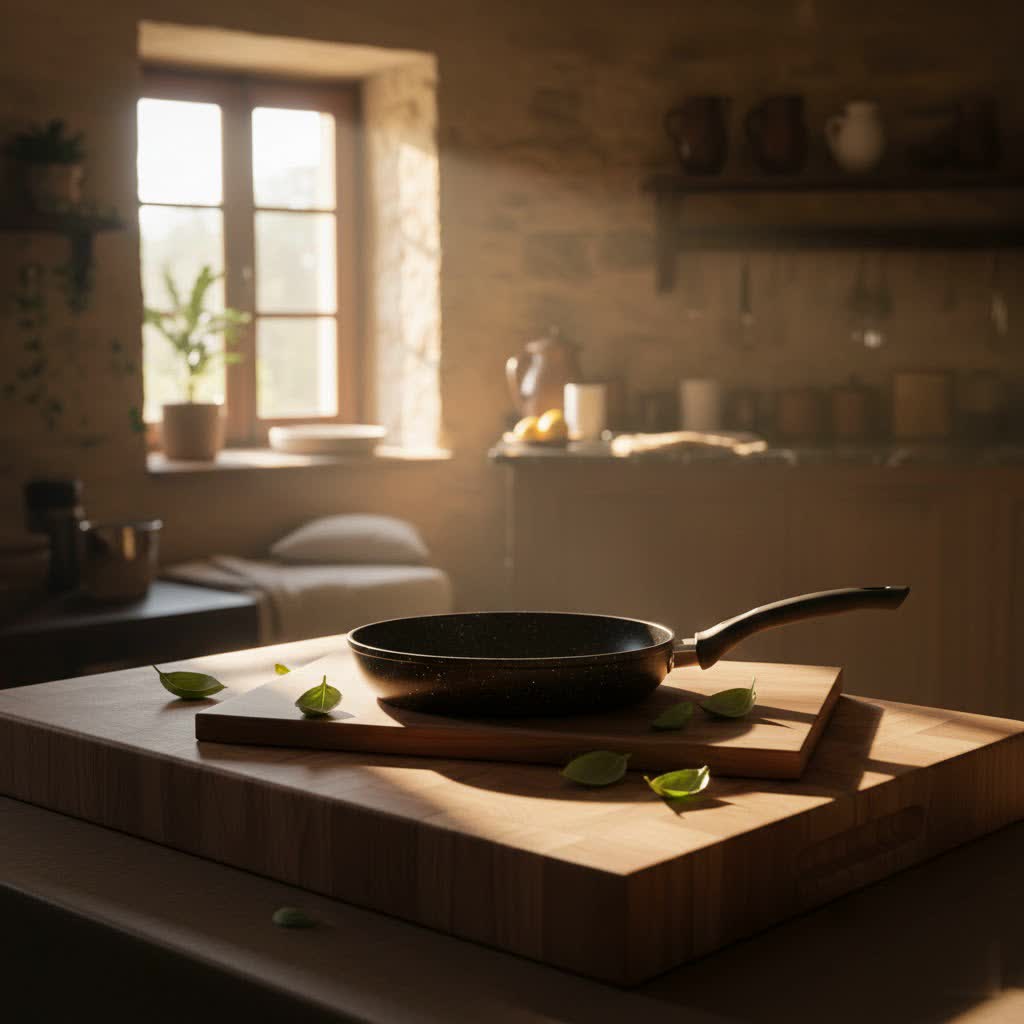
What is a Nonstick Pan?
At its core, a nonstick pan is engineered to prevent food from adhering to its cooking surface, a feature particularly beneficial for delicate foods like eggs. Its primary purpose is to allow for easier cooking with minimal oil or butter and significantly simplify cleanup. The magic lies in the specialized coating applied to the pan’s base material.
The journey of nonstick technology began with Polytetrafluoroethylene (PTFE), famously known by the brand name Teflon, discovered in 1938. Its introduction to cookware revolutionized home kitchens, offering an unparalleled ease of food release. Over the decades, this technology has evolved significantly, with manufacturers continually innovating to improve durability, heat resistance, and safety, addressing early concerns about certain chemicals like PFOA (perfluorooctanoic acid), which are now largely eliminated from modern nonstick coatings. Today’s nonstick pans offer a diverse range of materials and designs, all striving for that ultimate goal: a perfectly non-stick cooking experience, especially for those beloved eggs.
Types of Nonstick Egg Pans
The world of nonstick egg pans is rich with variety, primarily distinguished by their coating materials, construction, and sometimes, their brand legacy. Understanding these differences is key to selecting a pan that aligns with your cooking style and priorities.
By Coating Material
The nonstick coating is the heart of your egg pan, determining its performance, safety, and longevity.
- PTFE (Teflon):
- Advantages: PTFE coatings are renowned for their exceptional slickness, making eggs slide effortlessly. They are typically easy to clean and often the most budget-friendly option. Modern PTFE pans are PFOA-free, addressing past health concerns.
- Disadvantages: PTFE can degrade and potentially release fumes if overheated beyond approximately 500°F (260°C), so it requires careful temperature management. The coating can also wear down over time, especially with metal utensils or abrasive cleaning.
- Ceramic (Sol-Gel):
- Advantages: Ceramic coatings are made from silica-based gels, making them free from PTFE, PFOA, and PFAS (per- and polyfluoroalkyl substances), appealing to health-conscious cooks. They generally boast higher heat resistance than traditional PTFE and are often considered more environmentally friendly in their production.
- Disadvantages: While initially very effective, the nonstick properties of ceramic coatings can degrade faster than PTFE over extended use. Their durability can vary significantly between brands, and they are sometimes more expensive.
- Titanium / Stone-Derived: These aren’t typically standalone coatings but rather enhancements or reinforcements to PTFE or ceramic bases. For instance, a “titanium-reinforced” pan often means a PTFE or ceramic coating infused with titanium particles to increase its durability and scratch resistance. “Stone-derived” or “granite” coatings usually refer to ceramic coatings with a speckled appearance, mimicking natural stone, often claiming enhanced durability and heat retention. These hybrid coatings aim to combine the nonstick release with improved robustness.
|
Our Picks for the Best Nonstick Pan in 2026
As an Amazon Associate I earn from qualifying purchases.
|
||
| Num | Product | Action |
|---|---|---|
| 1 | Amazon Basics Non Stick Kitchen Cookware 8-Piece Set, Non-Induction, Includes Pots and Pans, Black |

|
| 2 | Amazon Basics Non Stick Kitchen Cookware 15-Piece Set, Non-Induction, Includes Pots, Pans, and Utensils, Black |
|
| 3 | CAROTE Nonstick Frying Pan Skillet,Non Stick Granite Fry Pan Egg Pan Omelet Pans, Stone Cookware Chef's Pan, PFOA Free,Induction Compatible(Classic Granite, 8-Inch) |
|
| 4 | Amazon Basics Ceramic Nonstick Pots and Pans Cookware Set, Dishwasher & Oven Safe, Even Heating, 10-Piece Set, Copper Color |
|
| 5 | SENSARTE Nonstick Ceramic Frying Pan with Lid 8/9.5/10/11/12.5 Inch Omelet Pan Skillet, Free of Intentionally Added PFAS/PTFE Non-toxic Chef's Pan Induction Compatible Pan, Heat Resistant Handle |
|
| 6 | SENSARTE Nonstick Frying Pan Skillet, Swiss Granite Coating Omelette Pan, Healthy Stone Cookware Chef's Pan, PFOA Free (8/9.5/10/11/12.5 Inch) (9.5 Inch) |
|
| 7 | Tramontina Professional 10-Inch Non Stick Frying Pan, Heavy-Gauge Aluminum Skillet with Reinforced Nonstick Coating, Red Handle, Dishwasher and Oven Safe |
|
| 8 | T-fal Ultimate Hard Anodized Nonstick Fry Pan Set 2 Piece, 10, 12 Inch, Oven Broiler Safe 400F, Cookware, Pots and Pans Set Non Stick, Kitchen Frying Pans, Cooking Skillets, Dishwasher Safe, Grey |
|
| 9 | SENSARTE Nonstick Frying Pan Skillet with Lid, 12 Inch Large Deep Frying Pan, 5 Qt Non Stick Saute Pan with Cover, Induction Pan, Healthy Non Toxic Cooking Pan with Helper Handle, PFOA PFOS Free |
|
| 10 | Non Stick Frying Pan, 8-inch Omelette Pan with Heat Dot Temperature Indicator, Healthy Non Toxic Egg Skillet with Heat-Resistant Handle, PFOA-Free, Dishwasher Safe, Compatible with All Cooktops |
|
By Brand
Many reputable brands offer excellent nonstick egg pans, each with its unique selling points:
- Caraway: Known for its ceramic-coated cookware, Caraway pans are praised for their attractive aesthetics, non-toxic (PFAS-free) properties, and reliable nonstick performance for eggs.
- Le Creuset: While famous for cast iron, their toughened nonstick line offers durable hard-anodized aluminum pans with effective nonstick coatings, often lauded for even heating and comfortable handles.
- All-Clad: A premium brand offering various nonstick options, often featuring hard-anodized aluminum or stainless steel bases with durable nonstick layers, favored by serious home cooks for their longevity and even heat distribution.
- Made In: Offers professional-grade cookware, including nonstick pans with robust coatings and stainless-clad bases, known for their durability and consistent performance.
- OXO: Popular for its Good Grips line, OXO nonstick pans are generally well-regarded for their lightweight design, good nonstick release, and reasonable pricing.
- GreenPan: A pioneer in ceramic nonstick, GreenPan focuses on healthy, toxin-free cooking with various lines offering different levels of durability and performance.
- Tramontina: Often cited as a best value option, Tramontina professional nonstick pans offer excellent nonstick prowess and even heating at an affordable price point.
By Size
The ideal pan size depends on how many eggs you typically cook and what other dishes you might prepare.
- Small (6-8 inches): Perfect for a single fried egg, a small omelet, or scrambling one or two eggs. Ideal for individuals or quick, small preparations.
- Medium (8-10 inches): The most versatile and popular size, comfortably handling two to three eggs, a standard omelet, or small frittatas. Great for couples or small families.
- Large (10-12 inches+): Suitable for cooking multiple servings of eggs, larger omelets, or preparing breakfast for a bigger family or gathering. Offers more surface area for flipping and stirring.
Comparing Nonstick Egg Pan Types
Choosing the right nonstick egg pan involves weighing the pros and cons of different coatings against your personal cooking habits and priorities. Here’s a brief comparison to help you differentiate:
| Coating Type | Durability | Safety (PFOA/PFAS) | Heat Tolerance | Price | Best For |
|---|---|---|---|---|---|
| PTFE (Teflon) | Moderate | PFOA-free | Medium | Low-Mid | Everyday quick cooking, budget-conscious |
| Ceramic | Moderate-Good | PFOA/PFAS-free | High | Mid-High | Health-conscious, higher heat needs, eco-friendly |
| Titanium-Reinforced | Good-High | PFOA-free | Medium-High | Mid-High | Enhanced scratch resistance, longevity |
How to Choose the Best Nonstick Egg Pan
Making the perfect choice for your kitchen requires a methodical approach, considering several crucial factors beyond just the nonstick claim.
Assess Your Cooking Needs
Begin by reflecting on your culinary habits. How often do you cook eggs, and what types do you prefer? If you’re whipping up a single fried egg daily, a smaller, quick-heating pan is ideal. For family-sized scrambles or elaborate omelets, a larger pan with consistent heat distribution becomes essential. Consider your household size and how many servings you typically prepare. Your budget is also a practical constraint; while premium pans offer longevity and superior performance, excellent value options are available. Lastly, ensure the pan is compatible with your stovetop, especially if you have an induction cooktop, which requires a magnetic base.
Select the Right Material & Coating
Safety is paramount. Always look for pans explicitly labeled “PFOA-free,” which is standard for most modern nonstick coatings. If you’re particularly concerned about chemical exposure, ceramic (PFOA/PFAS-free) options might be your preference. Evaluate the trade-offs between initial nonstick performance (often highest with PTFE) and long-term durability (sometimes enhanced with titanium reinforcements). Remember that no nonstick coating lasts forever, but some are more robust than others.
Check Key Features
Beyond the coating, several design elements contribute to a pan’s overall quality and user experience:
- Handle Comfort and Heat Resistance: A sturdy, ergonomically designed handle that stays cool on the stovetop is crucial for safe and comfortable maneuvering, especially when flipping eggs.
- Pan Weight and Balance: A pan that feels balanced in your hand is easier to control. While lightweight pans heat quickly, a slightly heavier pan often signifies better heat retention and more even heat distribution, thanks to a thicker base.
- Even Heat Distribution: For eggs, consistent heat across the entire cooking surface prevents hot spots that can lead to unevenly cooked or burnt patches. Pans with thicker, multi-layered aluminum or stainless steel bases generally excel here.
- Oven-Safeness: If you enjoy finishing frittatas or baked eggs in the oven, check the pan’s maximum oven-safe temperature.
Reputable Brands & Retailers
Purchasing from established brands and trusted retailers is vital. They often provide better quality assurance, customer service, and warranty options. Reading reviews from other users can also offer valuable insights into a pan’s real-world performance and durability.
Tips for Using and Caring for Your Nonstick Egg Pan
Proper use and meticulous care are crucial for maximizing the lifespan and maintaining the impeccable nonstick performance of your egg pan. Even the best pan can be ruined quickly without the right habits.
Proper Use
- Use Low to Medium Heat: Nonstick coatings perform best and last longest when used over low to medium heat. High heat can damage the coating, causing it to degrade or warp the pan. Never preheat an empty nonstick pan on high heat.
- Avoid Overheating: Ensure there’s always oil, butter, or food in the pan before heating it. An empty pan heats up too quickly, stressing the coating.
- Opt for Soft Utensils: Metal utensils are the archenemy of nonstick coatings, causing scratches and chips. Always use silicone, wood, or heat-resistant plastic spatulas and spoons.
- Be Mindful of Cooking Sprays: While convenient, many aerosol cooking sprays contain propellants and ingredients that can leave a sticky residue on your nonstick surface, which is difficult to remove and can degrade the coating over time. Use a small amount of oil or butter, applied manually, instead.
- Avoid Thermal Shock: Never plunge a hot nonstick pan into cold water. Sudden temperature changes can cause the pan to warp or the coating to crack and peel. Always let your pan cool down completely before washing.
Correct Cleaning
- Hand Wash is Best: Although some nonstick pans are labeled dishwasher-safe, handwashing is always the gentler option and will significantly prolong the life of your pan. Dishwasher detergents can be harsh, and high heat can be detrimental.
- Use Mild Soap and Soft Sponges: After the pan has cooled, wash it with warm water, a gentle dish soap, and a soft sponge or cloth. Avoid abrasive scrubbers, scouring pads, or steel wool, which will scratch the surface.
- Tackle Stuck-on Food Gently: For stubborn food residue, fill the pan with water and a tablespoon of white vinegar, bring it to a gentle simmer for 5-10 minutes, then let it cool. The residue should then wipe away easily. Alternatively, a paste of baking soda and water can gently scrub away grime.
- Dry Thoroughly: Always dry your pan completely after washing to prevent water spots and potential mineral buildup.
Smart Storage
- Protect the Surface: If stacking pans, place a pan protector, a paper towel, or a soft cloth between them to prevent scratches from other cookware.
- Hang if Possible: Hanging pans is an excellent way to prevent accidental damage and keep the nonstick surface pristine.
Common Nonstick Pan Problems and Solutions
Even with the best care, nonstick pans aren’t immortal. However, understanding common issues can help you mitigate them or know when it’s truly time for a replacement.
- Food Sticking: This is the most common sign that your nonstick coating is nearing the end of its life. It can also be caused by excessive overheating, using metal utensils, or inadequate cleaning that leaves behind a sticky residue.
- Solution: For residue, try the vinegar and water method or a baking soda paste. If the pan is old and extensively used, it’s likely time to replace it. Ensure you’re cooking at appropriate temperatures and using only soft utensils.
- Coating Peeling/Flaking: This typically indicates significant damage to the nonstick layer. It’s often a result of using metal utensils, extreme overheating, or thermal shock. While modern coatings are PFOA-free, it’s generally not advisable to consume flaked coating.
- Solution: A pan with peeling or flaking coating should be replaced. Prevent this by strictly adhering to proper usage guidelines.
- Warping: When the bottom of your pan becomes uneven, it’s usually due to thermal shock (rapid temperature changes) or a thin, poorly constructed base. Warping leads to uneven heating and can make cooking difficult.
- Solution: Prevent warping by always letting the pan cool gradually before washing. Invest in pans with thick, multi-layered bases, which are more resistant to warping. If a pan is severely warped, it’s best to replace it.
Quote: “A truly exceptional nonstick pan isn’t just about the coating; it’s about the balance, the handle, and how it responds to heat, all coming together for an effortless cooking experience.” – Chef Antoine Dubois, Culinary Instructor and Cookware Expert
Conclusion
Choosing the best nonstick egg pan is a pivotal step towards mastering your breakfast routine and enjoying hassle-free cooking. By understanding the different coating materials, considering essential features like handle comfort and heat distribution, and committing to proper usage and care, you can select a pan that not only delivers perfect eggs every time but also stands the test of consistent use. From the initial slide of an egg onto your plate to the quick and easy cleanup, the right nonstick pan transforms cooking from a chore into a joy. Invest wisely in this kitchen essential, and savor the countless delicious meals it will help you create.
Are you ready to elevate your egg game and enjoy the seamless performance of a truly great nonstick pan?
Frequently Asked Questions
Are ceramic nonstick pans better than PTFE (Teflon) pans for eggs?
Ceramic nonstick pans are often preferred by health-conscious cooks as they are typically free from PTFE, PFOA, and PFAS chemicals. They also tend to tolerate higher heat. However, their nonstick performance may degrade faster over time compared to PTFE, which often offers superior initial slickness for delicate foods like eggs. The “better” choice depends on your priority between chemical-free cooking and long-term nonstick durability.
How long do nonstick egg pans typically last?
The lifespan of a nonstick egg pan varies significantly based on its quality, frequency of use, and adherence to care instructions. Generally, a good quality nonstick pan, with proper care, can last anywhere from 1 to 5 years. High-end models with reinforced coatings might last longer, but eventually, all nonstick coatings will lose their effectiveness and require replacement.
Can I put my nonstick egg pan in the dishwasher?
While some manufacturers claim their nonstick pans are dishwasher-safe, it is highly recommended to hand wash them. The harsh detergents, high heat, and vigorous water jets in a dishwasher can accelerate the degradation of the nonstick coating and potentially warp the pan over time. Handwashing with mild soap and a soft sponge will significantly extend your pan’s life.
What size nonstick pan is best for cooking eggs?
For most home cooks, an 8-inch or 10-inch nonstick pan is ideal for eggs. An 8-inch pan is perfect for one or two eggs or a single-serving omelet, offering excellent control. A 10-inch pan provides more versatility, accommodating two to three eggs, a larger omelet, or even a small frittata. Choose based on your typical serving size.
